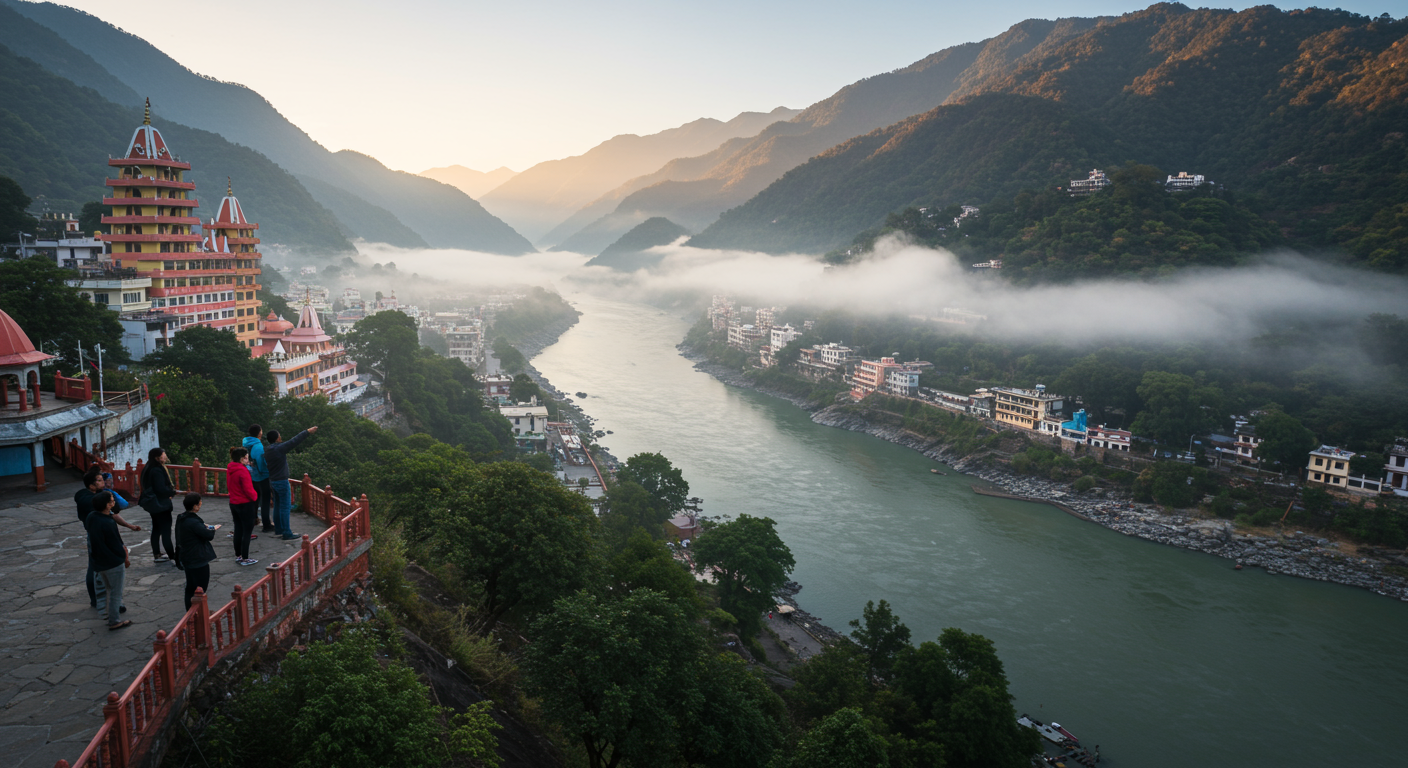
The gentle clang of temple bells, the sacred chants echoing from ashrams, and the vibrant energy of the Ganges flowing through — this is the soul of Rishikesh. But once you step foot in this spiritual haven, a crucial question arises: “How do I get around?” Understanding rishikesh transport & getting around is paramount to unlocking the full magic of your journey. Many travelers arrive, eager to explore, only to feel overwhelmed by the myriad of options. This guide is designed to cut through the confusion, providing you with practical, insider knowledge on navigating Rishikesh like a seasoned local. We’ll answer your burning questions about local commuting, inter-city travel, and the best ways to reach Rishikesh’s hidden gems, ensuring your adventure is seamless and stress-free.
Mastering Rishikesh Transport: Why It Matters for Your Trip
Navigating Rishikesh is an experience in itself, a blend of ancient paths and modern conveniences. Knowing your way around isn’t just about reaching your destination; it’s about immersing yourself in the local rhythm and making the most of every moment. From the bustling market streets to the serene riverside retreats, effective rishikesh transport & getting around ensures you spend less time worrying about logistics and more time soaking in the spiritual ambiance.
Understanding the Unique Layout of Rishikesh
Rishikesh is essentially divided by the Ganges, with iconic bridges like Laxman Jhula and Ram Jhula serving as crucial pedestrian connectors. The main areas for tourists are often clustered around these bridges and the various ashrams. While the central market area near Triveni Ghat is accessible by various vehicles, the areas around the Jhulas are primarily pedestrian-friendly, with narrow lanes and steep climbs. This unique geography means that your choice of transport will significantly impact your daily explorations. For instance, reaching the peaceful Goa Beach, a quiet white-sand stretch on the Ganges, often involves a short walk after a drop-off point, making comfortable footwear as important as your chosen vehicle. Understanding this layout is the first step to truly mastering rishikesh transport & getting around in rishikesh, allowing you to plan your days efficiently.
Why Efficient Travel Enhances Your Rishikesh Experience
Imagine missing a breathtaking sunrise yoga session because you couldn’t find a reliable auto-rickshaw, or skipping the majestic Neelkanth Mahadev Temple, situated at 1330m, because you underestimated the journey. Efficient transport isn’t a luxury; it’s a necessity for a fulfilling trip to Rishikesh. It allows you to explore more, from the cascading beauty of Neer Garh Waterfall, accessible via a delightful hike, to the meditative silence of Vashishta Gufa (Cave) on the banks of the Ganges. Without a clear plan for your movement, you might find yourself stuck in traffic, overpaying for rides, or simply unable to reach some of the city’s most profound and peaceful spots. The best rishikesh transport & getting around in rishikesh strategies empower you to embrace spontaneous discoveries while still ticking off your must-see list.
You might also be interested in: Read more about: Top-Rated Tourism in Rishikesh: What You…
“In Rishikesh, the journey is often as significant as the destination. Embrace the local transport, and you’ll find yourself not just moving from place to place, but truly experiencing the pulse of the city.”
How to Navigate Rishikesh: A Practical Step-by-Step Guide
Once you’ve grasped the importance of local mobility, it’s time to dive into the practicalities. Rishikesh offers a variety of transport options, each with its own advantages and ideal scenarios. From arriving in the city to zipping between ashrams, here’s how to manage your rishikesh transport & getting around effectively.
Arriving in Rishikesh: Your Gateway Options
Your journey to Rishikesh typically begins with arriving by air, train, or bus. The nearest airport is Jolly Grant Airport (DED) in Dehradun, about 20 km away. From there, you have several options:
- Taxi: A pre-paid taxi from the airport to Rishikesh will cost approximately INR 800-1200 (as of 2026), depending on your destination within Rishikesh. This is the most convenient option, especially if you have luggage. Always confirm the price before starting the journey.
- Shared Cab/Bus: For budget travelers, shared cabs are available outside the airport, dropping you at a central point in Rishikesh. Local buses also run frequently, offering a much cheaper but slower alternative, costing around INR 100-200.
If arriving by train, Rishikesh has its own railway station (RKSH), though many prefer Haridwar Junction (HW) due to better connectivity. From Haridwar, you can take a local train, bus (INR 50-100), or auto-rickshaw (INR 300-500) to Rishikesh. Bus travel is also a popular and economical choice, with regular services from major North Indian cities. For the best transport options in Rishikesh when arriving, consider your budget, comfort, and time constraints.
Getting Around Locally: Your Daily Commute in Rishikesh
Once settled, you’ll find a charming array of local transport. Here’s a breakdown:
You might also be interested in: Read more about: Your Ultimate Guide to Rishikesh Camping…
- Walking: For short distances, especially around Laxman Jhula and Ram Jhula, walking is king. The pedestrian bridges and winding lanes are best explored on foot. It’s also the only way to reach areas like the tranquil Goa Beach directly.
- Auto-Rickshaws (Tuk-tuks): These are the most common motorized transport. They are ideal for distances of 1-5 km. A short ride (e.g., from Tapovan to Ram Jhula) might cost INR 50-100. Always negotiate the fare before you start the ride. For longer distances, like to Parmarth Niketan or Swarg Ashram, expect to pay INR 150-300.
- Shared Auto-Rickshaws: A very economical option. These run on fixed routes and pick up multiple passengers. A ride can be as low as INR 10-30. Just hail one going in your direction.
- Scooter/Motorcycle Rentals: For the adventurous, renting a scooter offers flexibility. Prices range from INR 400-600 per day. Ensure you have a valid driving license and always wear a helmet. This is a great way to explore further afield, like the road to Neelkanth Mahadev Temple or the path leading to Neer Garh Waterfall. Remember, traffic can be chaotic, so drive with caution.
- E-rickshaws: A newer, eco-friendly option, particularly prevalent in some areas of Rishikesh. They offer a quieter ride and are generally slightly cheaper than auto-rickshaws for similar distances.
When planning your daily movements, consider the time of day. Morning and evening rush hours can slow down auto-rickshaws, especially on the main roads. For the most efficient rishikesh transport & getting around in rishikesh, combine walking with strategic use of auto-rickshaws or a rented scooter.
Insider Tips & Best Practices for Rishikesh Transport
Beyond the basic modes of transport, there are nuances and local wisdom that can significantly enhance your travel experience. These insider tips will help you navigate Rishikesh not just efficiently, but also safely and authentically.
Navigating Rishikesh Like a Local: Cost and Safety
Bargaining is a common practice for auto-rickshaws in Rishikesh. As a general rule, expect to pay about 10-20% more than a local, but don’t be afraid to politely negotiate. If a driver quotes an exorbitant price, simply move on to the next. For safety, especially after dark, always opt for a well-lit auto-rickshaw and share your ride details with someone. It’s always a good idea to have small denominations of INR currency ready, as drivers often don’t have change for larger notes. When considering best rishikesh transport & getting around in rishikesh, safety should always be your top priority. Keep your belongings secure, especially in crowded areas like the bridges or market.
You might also be interested in: Explore Rishikesh Adventures on Bucketlistt
Another crucial tip for rishikesh transport & getting around involves understanding the local traffic patterns. Avoid the main roads during peak hours (morning and evening commuter times, and during the Ganga Aarti at Triveni Ghat or Parmarth Niketan) if you’re in a hurry. The narrow lanes around the Jhulas can become very congested, especially with pedestrian traffic, cows, and two-wheelers. Sometimes, walking is genuinely the fastest option.
Seasonal Nuances and Hidden Routes in Rishikesh
The best time of year to visit Rishikesh significantly impacts your transport experience. During the peak season (October to March), the weather is pleasant, but tourist footfall is high, meaning more traffic and slightly higher transport fares. During the monsoon (July-September), some roads, especially those leading to places like Neer Garh Waterfall, might be slippery or partially closed due to rain or landslides, making travel more challenging. Always check local conditions if planning a monsoon trip. In the summer (April-June), the heat can make walking long distances uncomfortable, so relying more on auto-rickshaws becomes essential.
Here’s a truly local tip: If you’re staying near Laxman Jhula and want to visit Vashishta Gufa, instead of taking a long auto ride on the main road, consider hiring a scooter. The scenic route
Rishikesh is one of those rare destinations that genuinely delivers on its reputation — whether you come for the adrenaline, the spirituality, or simply to sit by the Ganga and think. This guide covered best rishikesh transport & getting around in rishikesh, rishikesh transport & getting around, rishikesh transport & getting around in rishikesh, giving you the practical knowledge to plan a memorable visit. If you want a curated list of verified operators and activity packages, you can browse options on Bucketlistt.
Frequently Asked Questions
What is the best time to visit Rishikesh for adventure activities?
The best time to visit Rishikesh for adventure sports is October to November and February to May. The weather is clear, the Ganges water level is ideal for rafting, and most outdoor operators are fully active. Avoid the July–September monsoon season when heavy rainfall suspends many river and outdoor activities.
How do I get from Rishikesh to the bungee jump or rafting starting point?
Most adventure activity start points are 15–30 km from Rishikesh town. Auto-rickshaws and shared taxis are available from Laxman Jhula and Ram Jhula areas. Many operators offer free or low-cost pickup from a central meeting point in Rishikesh — confirm this when booking. The drive through the Himalayan foothills is itself a scenic experience worth savouring.
What are the must-visit places in Rishikesh besides adventure sports?
Beyond the adventure scene, Rishikesh has a rich cultural and spiritual side worth exploring. Triveni Ghat hosts a mesmerising Ganga Aarti ceremony every evening at sunset — free to attend and deeply moving. Laxman Jhula and Ram Jhula suspension bridges are iconic landmarks. The Beatles Ashram (Maharishi Mahesh Yogi’s old meditation campus) is a fascinating abandoned site now open to visitors. Nearby Neelkanth Mahadev Temple is a popular pilgrimage site about 32 km away.
Do I need prior experience for white-water rafting in Rishikesh?
No prior experience is required for most Rishikesh rafting stretches. The 9 km Brahmpuri to Rishikesh route is ideal for beginners with grade I–II rapids. The 16 km Marine Drive to Rishikesh route is suitable for first-timers who want a bit more excitement (grade III rapids). The 36 km Shivpuri stretch is recommended for those comfortable in water and seeking grade III–IV rapids.
How much does a typical adventure activity cost in Rishikesh?
Costs vary by activity. River rafting typically ranges from INR 600–1,500 depending on the stretch (9 km, 16 km, or 36 km). Bungee jumping from 83 m costs around INR 3,500–4,500. Paragliding tandem flights range from INR 2,500–4,000. Camping packages with meals usually start at INR 1,500–2,500 per person per night. Always confirm what is included before booking.
What should I wear and bring for adventure activities in Rishikesh?
Wear comfortable, athletic clothing that you don’t mind getting wet. Closed-toe shoes (trainers or sandals with straps) are essential for rafting and trekking. Bring a valid photo ID, some cash in INR, a change of clothes, and a small waterproof bag for your phone and valuables. Sunscreen and a water bottle are important for longer activities.