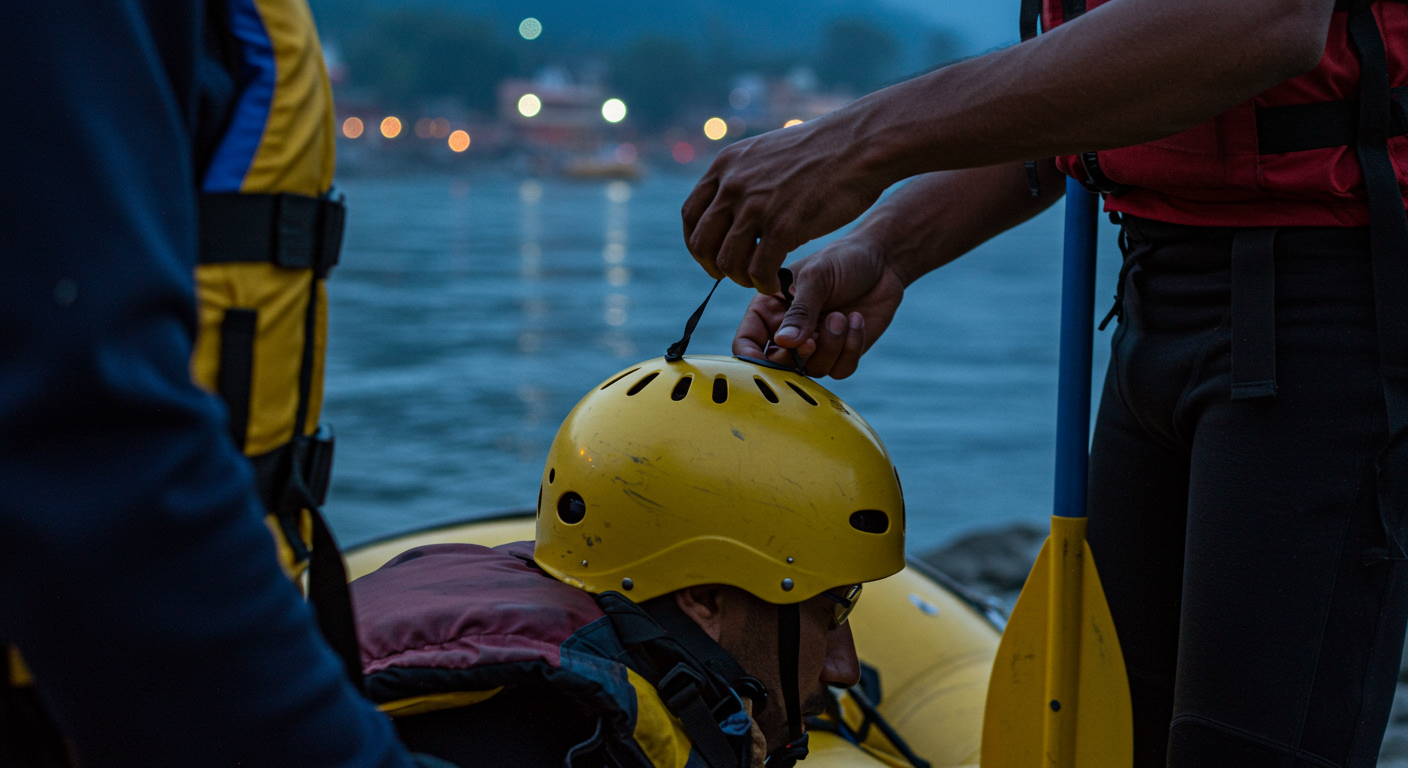
Imagine the cool morning mist rising from the Ganges, carrying the faint chime of temple bells and the distant calls of adventure guides. This is Rishikesh, a place where spirituality meets adrenaline, offering an experience unlike any other. Most travellers don’t realise that Rishikesh has two completely different personalities – the serene spiritual haven and the thrilling adventure capital. To truly embrace its magic and ensure a memorable trip, understanding crucial rishikesh safety & travel advice is paramount. This guide is crafted to empower you with the knowledge needed for a secure and enriching visit in 2026, covering everything from navigating local customs to ensuring your adventure activities are safe.
As someone who has navigated the winding paths and rapid waters of this incredible destination, I’ve gathered the best rishikesh safety & travel advice in rishikesh to share with you. We’ll delve into practical tips, essential preparations, and insider secrets that will transform your journey from a simple trip into an unforgettable exploration. Whether you’re seeking spiritual solace, an adrenaline rush, or a blend of both, this comprehensive guide will answer your most pressing questions about safety, logistics, and making the most of your time in this jewel of Uttarakhand.
Unveiling Rishikesh: Beyond the Postcards
Rishikesh is more than just a dot on the map; it’s a vibrant tapestry woven with ancient traditions, breathtaking natural beauty, and a palpable energy that draws seekers and adventurers alike. Understanding what makes Rishikesh tick is the first step in planning a truly authentic and safe experience. This section will explore the diverse offerings and unique character of the town, providing context for the practical rishikesh safety & travel advice that follows.
You might also be interested in: Read more about: Unveiling Rishikesh Food & Local Culture…
The Dual Charms of Rishikesh: Spirituality Meets Adventure
Rishikesh is famously known as the “Yoga Capital of the World,” attracting spiritual aspirants from every corner of the globe. The serene banks of the Ganges, dotted with ashrams and temples, offer a profound sense of peace. The iconic suspension bridges, Laxman Jhula and Ram Jhula, not only connect different parts of the town but also serve as bustling hubs where spiritual life intertwines with daily commerce. Witnessing the Ganga Aarti at Triveni Ghat, a mesmerizing fire ceremony performed nightly, is a deeply moving experience that connects you with the town’s spiritual pulse. These moments require a respectful approach to local customs and a general awareness of your surroundings, which is a key part of good rishikesh safety & travel advice.
However, Rishikesh also pulsates with the thrill of adventure. Just 19km upstream from the main town lies Shivpuri, the undisputed hub for white-water rafting, cliff jumping, and camping. Here, the Ganges transforms into a playground for thrill-seekers, offering rapids ranging from Grade II to Grade IV. Beyond rafting, you can experience bungee jumping, giant swings, and zip-lining, all managed by operators who generally adhere to high safety standards. When engaging in these activities, always prioritize certified operators and thoroughly review their safety protocols. For example, a typical 16km rafting trip from Shivpuri might cost around INR 1000-1500 per person in 2026, including transfers and equipment, but prices can fluctuate based on season and operator reputation.
Another natural wonder is the Neer Garh Waterfall, a series of three picturesque waterfalls accessible via a short, invigorating hike. It’s a perfect spot for a refreshing dip and offers stunning photo opportunities. While generally safe, wearing appropriate footwear and being mindful of slippery rocks are crucial pieces of rishikesh safety & travel advice for enjoying such natural attractions. The path to the falls can be uneven, so good walking shoes are a must. Exploring these diverse facets requires a balanced approach to planning and an understanding of the specific safety considerations for each.
You might also be interested in: Read more about: Tourism in Rishikesh – Safety, Prices, a…
Embracing the Local Vibe: Underrated Gems and Cultural Immersion
Beyond the well-trodden paths, Rishikesh holds quieter, equally enchanting secrets. For those seeking deeper introspection, the ancient Vashishta Gufa (Cave), located on the banks of the Ganges about
Planning Your Visit to Rishikesh
Rishikesh rewards travellers who plan ahead. The best experiences — whether a dawn yoga session by the Ganges, white-water rafting on grade IV rapids, or an evening Ganga Aarti at Triveni Ghat — often require booking a day or two in advance during peak season (October–November and March–May). Arriving with a flexible itinerary and an open mind is the best way to make the most of what Rishikesh offers.
Whether you are travelling solo, as a couple, or with a group, Rishikesh offers activity formats for every type of traveller. Combo packages that bundle multiple activities are a cost-effective way to maximise your experience in a single day.
Adventure activities in Rishikesh are generally available year-round, with the peak seasons running September to November and March to May. Monsoon months (July–August) restrict water-based activities but do not halt all operations.
You might also be interested in: Explore Rishikesh Adventures on Bucketlistt
Rishikesh’s position at the foothills of the Garhwal Himalayas gives it consistent river flow, reliable thermals for paragliding, and dramatic canyon geography for bungee jumping — all within a 20-kilometre radius of the city centre.
Essential Rishikesh Travel Checklist
- Book activity slots 2–3 days in advance during peak season (Oct–Nov and Mar–May)
- Wear athletic, quick-dry clothing and closed-toe shoes for all outdoor activities
- Carry a government-issued photo ID — required at most activity centres
- Disclose any medical conditions before signing the activity consent form
- Confirm whether video coverage is included or costs extra before booking
- Respect Rishikesh’s spiritual atmosphere — alcohol is prohibited within the city limits
- Carry cash (INR) for small vendors, auto-rickshaws, and local eateries
Rishikesh is one of those rare destinations that genuinely delivers on its reputation — whether you come for the adrenaline, the spirituality, or simply to sit by the Ganga and think. This guide covered best rishikesh safety & travel advice in rishikesh, rishikesh safety & travel advice, rishikesh safety & travel advice in rishikesh, giving you the practical knowledge to plan a memorable visit. If you want a curated list of verified operators and activity packages, you can browse options on Bucketlistt.
Frequently Asked Questions
What is the best time to visit Rishikesh for adventure activities?
The best time to visit Rishikesh for adventure sports is October to November and February to May. The weather is clear, the Ganges water level is ideal for rafting, and most outdoor operators are fully active. Avoid the July–September monsoon season when heavy rainfall suspends many river and outdoor activities.
How much does a typical adventure activity cost in Rishikesh?
Costs vary by activity. River rafting typically ranges from INR 600–1,500 depending on the stretch (9 km, 16 km, or 36 km). Bungee jumping from 83 m costs around INR 3,500–4,500. Paragliding tandem flights range from INR 2,500–4,000. Camping packages with meals usually start at INR 1,500–2,500 per person per night. Always confirm what is included before booking.
Are there age or weight restrictions for activities in Rishikesh?
Yes — most operators have safety-based restrictions. Bungee jumping typically requires participants to be 12+ years old, weigh between 40–110 kg, and have no history of heart conditions or back problems. Rafting generally accepts ages 14+ on the standard routes. Paragliding requires a weight limit of around 100–110 kg maximum. Always check the specific operator’s requirements when booking.
How do I get from Rishikesh to the bungee jump or rafting starting point?
Most adventure activity start points are 15–30 km from Rishikesh town. Auto-rickshaws and shared taxis are available from Laxman Jhula and Ram Jhula areas. Many operators offer free or low-cost pickup from a central meeting point in Rishikesh — confirm this when booking. The drive through the Himalayan foothills is itself a scenic experience worth savouring.
Do I need prior experience for white-water rafting in Rishikesh?
No prior experience is required for most Rishikesh rafting stretches. The 9 km Brahmpuri to Rishikesh route is ideal for beginners with grade I–II rapids. The 16 km Marine Drive to Rishikesh route is suitable for first-timers who want a bit more excitement (grade III rapids). The 36 km Shivpuri stretch is recommended for those comfortable in water and seeking grade III–IV rapids.
Is Rishikesh safe for solo travellers?
Yes — Rishikesh is generally considered safe for solo travellers, including solo female travellers. The city is a popular destination with a strong tourist infrastructure, well-lit main roads, and a vibrant community of yoga and adventure seekers. As with any travel, stay aware of your surroundings, book activities through verified operators, and keep your accommodation details handy.