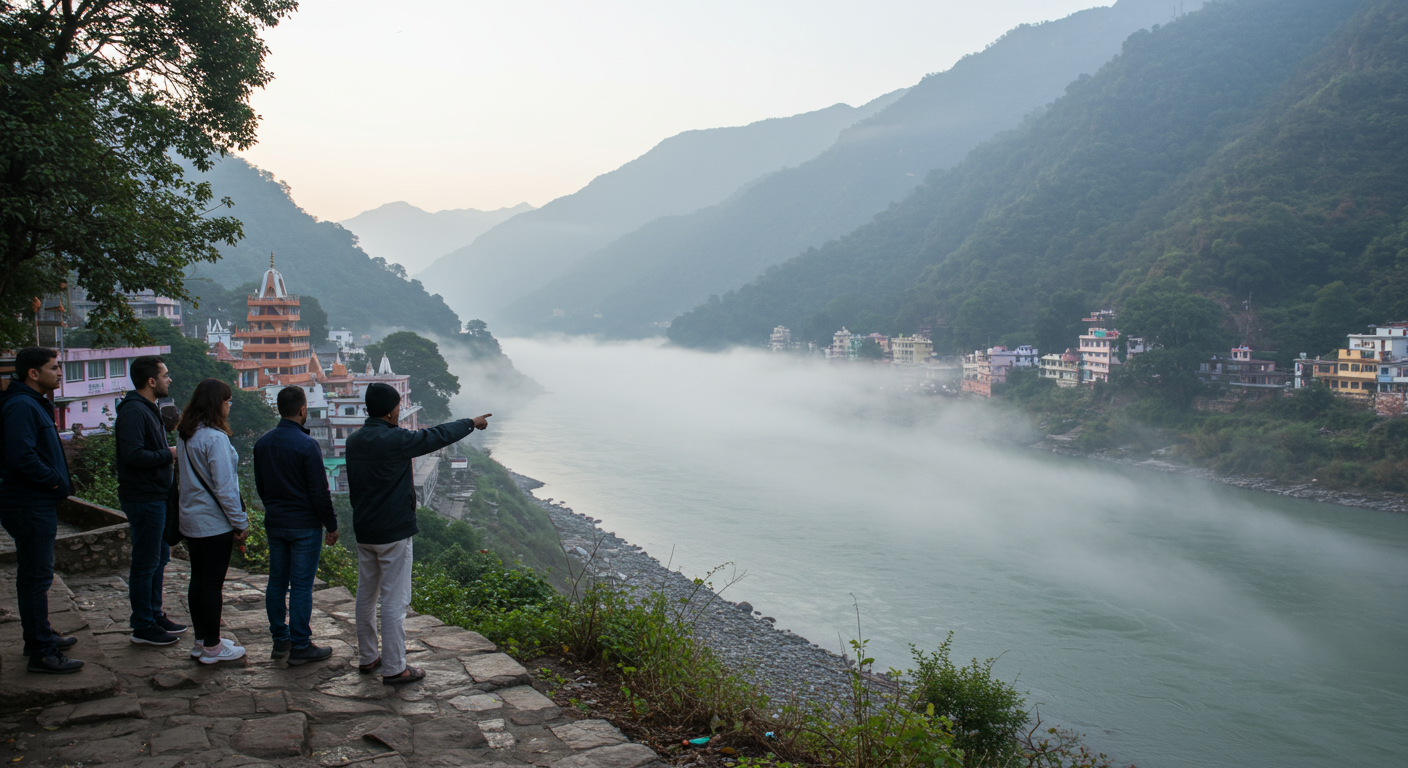
Imagine the crisp morning air, the gentle chime of temple bells echoing across the Ganges, and the majestic Himalayas standing sentinel. This is the magic of the adventure capital, a destination that captivates souls with its unique blend of spirituality, adventure, and natural beauty. For any traveler dreaming of this spiritual haven, understanding the best time to visit the adventure capital is paramount to crafting an unforgettable journey. As an independent travel expert with years of exploring this sacred land, I’m here to guide you through the seasonal nuances, ensuring your trip aligns perfectly with your aspirations, whether they lean towards tranquil yoga retreats or exhilarating white-water rafting.
Understanding the adventure capital’s Seasonal Rhythms
The allure of this incredible destination shifts with the seasons, each bringing a distinct character and offering different experiences. Knowing these rhythms is the first step to planning your ideal trip. From the verdant embrace of the monsoon to the clear, crisp days of winter, the weather dictates the vibe, accessibility, and activities available in this vibrant town.
The Spiritual & Adventure Calendar
the adventure capital, nestled in the foothills of the Garhwal Himalayas, is renowned globally as the Yoga Capital of the World and a hub for adventure sports. The spiritual calendar here is punctuated by numerous festivals and retreats, often thriving during specific weather windows. For instance, the International Yoga Festival in March draws thousands, making it a peak spiritual period. Similarly, adventure activities like rafting and trekking are heavily dependent on river levels and trail conditions, which fluctuate dramatically with the seasons. Operators in the region meticulously plan their offerings around these natural cycles, ensuring both safety and optimal experience for visitors. Understanding these patterns is key to finding your personal best time to visit the adventure capital.
Weather Patterns and Their Impact
The climate in this region can be broadly divided into three main seasons: summer, monsoon, and winter. Each has a profound impact on the landscape and the types of activities you can enjoy. Summer (March to June) sees rising temperatures, especially towards June, which can make daytime exploration challenging but is ideal for higher altitude treks. The monsoon (July to September) transforms the landscape into a lush, emerald paradise, but heavy rainfall can lead to road closures and make river activities unsafe. Winter (October to February) brings cool to cold temperatures, with clear skies and excellent visibility, perfect for sightseeing and spiritual practices. These climatic variations directly influence everything from tourist footfall to the availability of accommodations and local transport, making seasonal awareness a crucial aspect of planning.
Navigating the Seasons: A Practical Guide
🌊 Book River Rafting in the adventure capital
Experience the thrill of white-water rafting with certified guides and a 100% safety record. Choose from 9km to 36km routes — instant confirmation guaranteed!
Having explored the general rhythms, let’s dive into the specifics of each season, helping you pinpoint the exact period that offers your ideal experience. My aim is to provide practical, actionable advice that allows you to make an informed decision for your journey to this spiritual beacon.
You might also be interested in: read more about: Navigating the Best Hostels in the adventure capital…
Spring and Autumn: The Golden Windows
For most travelers, the periods of March to April and October to November represent the quintessential best time to visit the adventure capital. During these months, the weather is exceptionally pleasant, characterized by moderate temperatures and clear skies. The post-monsoon freshness in autumn leaves the landscape vibrant green, while spring brings blooming flowers and a gentle warmth. These seasons are ideal for a full spectrum of activities:
- Yoga and Meditation: Perfect weather for outdoor sessions and ashram stays.
- White-Water Rafting: River levels are optimal, offering thrilling rides.
- Trekking and Hiking: Trails are accessible and views are spectacular.
- Sightseeing: Comfortable temperatures for exploring landmarks like The Beatles Ashram and Triveni Ghat.
- Ganga Aarti: The evenings are cool and comfortable for witnessing the sacred ceremony at Triveni Ghat.
Expect higher crowds and prices during these peak seasons, especially around major festivals or the International Yoga Festival in March. Booking accommodations and activities well in advance is highly recommended to secure your preferred choices and avoid disappointment.
Monsoon and Winter: Unique Experiences
While often overlooked by those seeking ideal weather, the monsoon and winter months offer distinct, often more intimate, experiences in this Himalayan town.
- Monsoon (July to September): This is the season of lush greenery and dramatic landscapes. The Ganges swells, taking on a powerful, majestic character. While white-water rafting is generally closed for safety, hiking to waterfalls and enjoying the quietude of the ashrams can be incredibly rewarding. The Phool Chatti Ashram Area, with its quiet stretch of riverbanks and trails, becomes a verdant sanctuary perfect for introspection. Prices tend to be lower, and crowds thinner, offering a more serene experience for those who don’t mind the rain. It’s a time for deep meditation and connecting with nature’s raw power.
- Winter (December to February): The air turns crisp and cold, especially in January, but the days are often sunny and clear. This is a fantastic time for spiritual seekers looking for peaceful contemplation without the summer heat or monsoon humidity. The cool weather is perfect for visiting Jhilmil Gufa, a group of three caves near Neelkanth temple, traditionally used for deep meditation. While rafting might be too cold for some, short treks and exploring the spiritual side of the city are delightful. Evenings can be quite chilly, so packing warm layers is essential.
Each season, therefore, presents a unique facet of the adventure capital, catering to different preferences and travel styles. Your personal definition of the best time to visit the adventure capital will ultimately depend on what you seek from this transformative journey.
You might also be interested in: Read more about: Unlocking the Optimal Seasons: Your Guid…
Essential Preparations for Your the adventure capital Journey
Regardless of when you choose to embark on your adventure, a little preparation goes a long way in ensuring a smooth and enjoyable trip. Practical considerations like what to wear, how to manage your budget, and staying safe are universal.
Packing Smart: What to Wear and Bring
Your packing list will vary significantly depending on the season. During the peak seasons of spring and autumn, light cotton clothing is suitable for daytime, but always pack a light jacket or shawl for cooler evenings and early mornings, especially if you plan to attend the Ganga Aarti. For winter, heavy woolens, thermal wear, gloves, and a warm cap are indispensable. If traveling during monsoon, waterproof jackets, umbrellas, and waterproof footwear are essential. Always include comfortable walking shoes, as much of the exploration involves walking. Additionally, a reusable water bottle, sunscreen, insect repellent, and a basic first-aid kit are year-round necessities. Remember to dress modestly, especially when visiting temples or ashrams, out of respect for local customs.
Budgeting and Safety Considerations
Costs in this vibrant hub can fluctuate. Accommodation and activity prices are highest during peak seasons (March-April, October-November) and around major festivals. Off-season travel (monsoon, deep winter) generally offers more budget-friendly options. the adventure capital is generally a safe destination, but like any popular tourist spot, basic precautions are advised. Be mindful of your belongings, especially in crowded areas like Triveni Ghat. If engaging in adventure sports, always choose reputable, Bucketlistt safety guidelines. For example, Shivpuri is a prime location for rafting, but verifying operator credentials is paramount. Solo female travelers should exercise extra caution, especially after dark. Staying hydrated, particularly in warmer months, and being aware of local customs will enhance your safety and overall experience.
“The true essence of the adventure capital isn’t just in its sights, but in how you prepare to immerse yourself. A well-planned trip, tuned to the season, elevates your experience from a visit to a profound journey.”
Experiencing the adventure capital: Beyond the Mainstream
While the spiritual and adventure aspects are well-known, this destination offers layers of experiences waiting to be uncovered. My local knowledge allows me to share insights into not just the popular spots, but also the quieter corners that offer deeper connection.
You might also be interested in: Explore Rishikesh Adventures on Rishikesh-places
Iconic Sights and Spiritual Sanctuaries
No visit is complete without experiencing the iconic landmarks. The Ganga Aarti at Triveni Ghat is a mesmerizing spiritual spectacle that should not be missed, ideally witnessed during the pleasant evenings of spring or autumn. For a journey back in time, The Beatles Ashram (Chaurasi Kutia) offers a unique glimpse into the 1960s, now a serene forest reserve adorned with captivating graffiti art. It’s best explored in the cooler parts of the day. For adventure enthusiasts, Shivpuri, located about 19km from the main town, is the undisputed hub for white-water rafting and camping, particularly vibrant during the prime rafting season when the river is just right.
Discovering Hidden Retreats
Beyond the bustling ghats and ashrams, Rishikesh holds quieter treasures. The Phool Chatti Ashram Area, a peaceful stretch of riverbanks and trails, offers a tranquil escape from the city’s main bustle. It’s an ideal spot for nature walks, birdwatching, and quiet contemplation, particularly serene during the post-monsoon greenery or crisp winter mornings. Another hidden gem is Jhilmil Gufa, a group of three caves nestled in the forest near the Neelkanth temple. Historically used for deep meditation, these caves offer a unique, introspective experience for those seeking profound quietude. Accessing these requires a bit of effort, often involving a short trek, making them perfect for those who want to venture slightly off the beaten path and discover the true depth of this spiritual landscape. These lesser-known spots truly enrich the experience, offering a more personal encounter with the serene side of this incredible place.
Rishikesh is one of those rare destinations that genuinely delivers on its reputation — whether you come for the adrenaline, the spirituality, or simply to sit by the Ganga and think. This guide covered best time to visit rishikesh, giving you the practical knowledge to plan a memorable visit. If you want a curated list of verified operators and activity packages, you can browse options on Bucketlistt.
Our travel portal addresses key search topics such as: best time to visit rishikesh, best time to visit rishikesh, best time to visit rishikesh, best time to visit rishikesh, best time to visit rishikesh, best time to visit rishikesh, best time to visit rishikesh, best time to visit rishikesh, best time to visit rishikesh, best time to visit rishikesh to make your vacation planning seamless.
Frequently Asked Questions about the Best Time to Visit Rishikesh
What is the absolute best time to visit Rishikesh for all activities?
The periods from March to April and October to November are generally considered the best time to visit Rishikesh for a balanced experience, offering pleasant weather suitable for both spiritual and adventure activities.
Is Rishikesh safe for solo female travelers?
Rishikesh is generally safe for solo female travelers, especially in popular areas. However, it’s always advisable to exercise caution, avoid walking alone in secluded areas after dark, and be aware of your surroundings.
What should I pack for a winter trip to Rishikesh?
For a winter trip, pack heavy woolens, thermal wear, a warm jacket, gloves, and a cap. Evenings can be very cold, so layering is key to staying comfortable.
Can I go white-water rafting during the monsoon season?
No, white-water rafting is generally closed during the monsoon season (July to September) due to high river levels and safety concerns. It typically resumes in October when conditions improve.
Are there any specific festivals that impact the best time to visit Rishikesh?
Yes, the International Yoga Festival in March significantly increases tourist footfall and prices. Other Hindu festivals throughout the year can also lead to larger crowds at ghats and temples.
What are the benefits of visiting Rishikesh during the off-season?
Visiting during the off-season, such as monsoon or deep winter, offers fewer crowds, lower prices, and a more serene, introspective experience. The landscape is also dramatically beautiful during these times.
How many days are ideal for a first-time visit to Rishikesh?
For a first-time visitor, 3 to 5 days is ideal to experience a good mix of spiritual activities, adventure sports, and sightseeing. This allows for both relaxation and exploration without feeling rushed.
Is it necessary to book accommodations in advance for Rishikesh?
During peak seasons (spring and autumn), it is highly recommended to book accommodations well in advance due to high demand. During the off-season, you might find more flexibility, but booking ahead is always a good practice.
Ready to Plan Your Rishikesh Escape?
Now that you have a comprehensive understanding of when and how to experience this incredible place, the next step is to put your plans into motion. Consider the activities that most appeal to you, the atmosphere you desire, and use this guide to select your ideal travel window. Whether you’re drawn to the ancient ashrams or the exhilarating rapids, knowing the best time to visit Rishikesh ensures every moment of your trip is optimized for enjoyment and discovery. Embrace the journey, and let the magic of the Himalayas unfold before you.