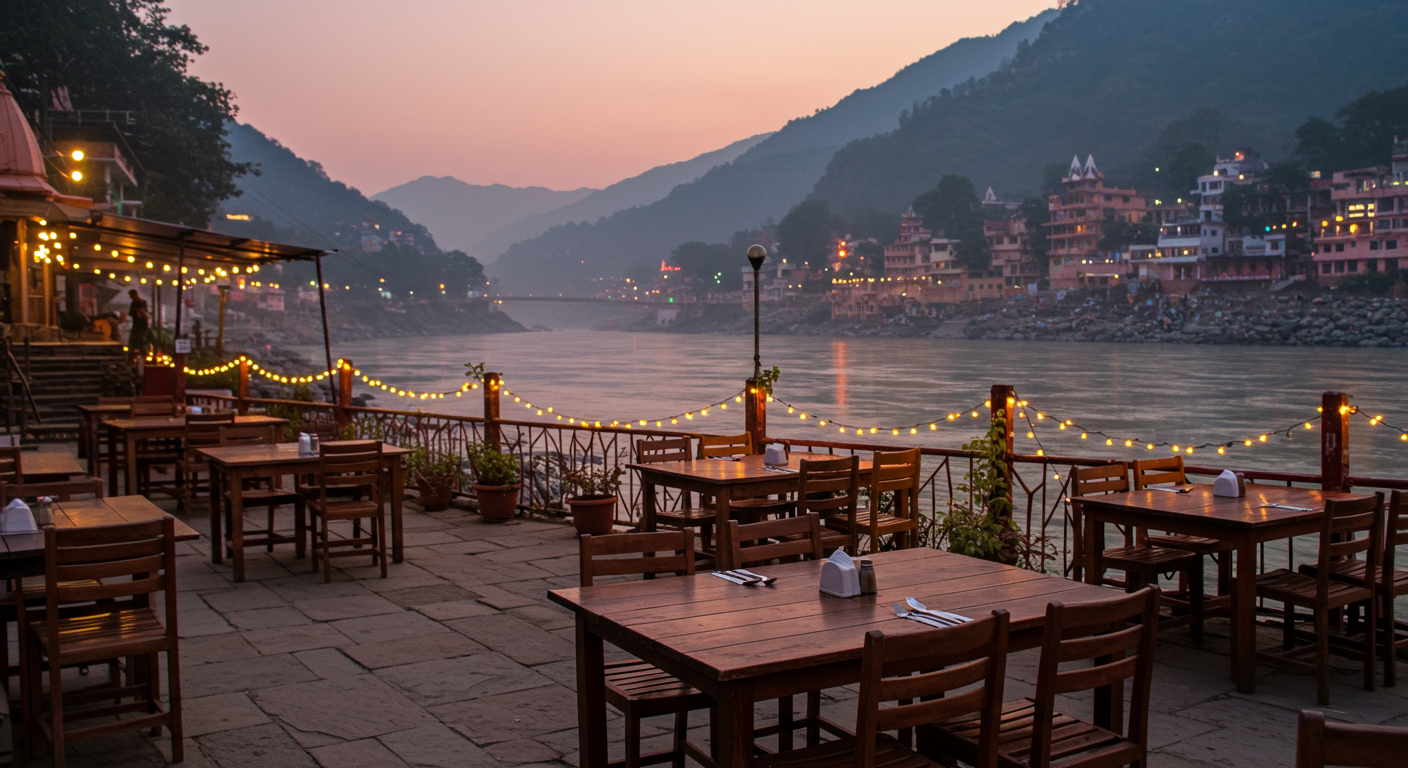
Discovering Rishikesh’s Culinary Heartbeat
The morning mist still clings to the Ganges, but the aroma of freshly brewed coffee and sizzling parathas already fills the air. This isn’t just any spiritual retreat; it’s a vibrant hub where ancient traditions meet modern tastes, especially when it comes to food. Finding the best restaurants & cafes in Rishikesh is crucial for any traveler seeking to nourish both body and soul. As an experienced traveler who’s savored countless meals here, I’m here to tell you that Rishikesh offers an unexpectedly rich and diverse culinary landscape, far beyond simple ashram fare.
Many first-time visitors are surprised by the sheer variety of dining options available. From traditional Indian thalis to international vegan delights, the food scene is as eclectic as its visitors. This guide will cut through the noise, helping you pinpoint the eateries that truly stand out, ensuring your gastronomic journey through this holy city is as memorable as its spiritual offerings. We’ll explore everything from riverside cafes with breathtaking views to hidden gems nestled in bustling alleys, providing practical advice on where and what to eat in 2026.
The Unexpected Flavors of Rishikesh
When most people picture Rishikesh, they envision yoga, meditation, and the serene flow of the Ganges. What often goes unmentioned is the burgeoning food scene that caters to every palate. Rishikesh, being a global magnet for spiritual seekers and adventure enthusiasts, has naturally developed a culinary identity that reflects its diverse population. You’ll find a delightful array of options, from authentic North Indian dishes to Israeli, Italian, and even continental fusion cuisine. The common thread among many of the top-rated in Rishikesh eateries is their commitment to fresh, often organic, ingredients and a predominantly vegetarian, sattvic approach to cooking, aligning with the city’s spiritual ethos.
Imagine starting your day with a wholesome smoothie bowl overlooking the Laxman Jhula, or enjoying a candlelit Italian dinner after a day of white-water rafting near Shivpuri. The culinary journey here is an integral part of the overall experience. It’s about more than just sustenance; it’s about connecting with the local culture, savoring global influences, and finding comfort in delicious, thoughtfully prepared meals. This blend of tradition and innovation is what makes dining here so unique.
Why Your Food Choices Matter Here
In a place like Rishikesh, your food choices extend beyond mere taste. They influence your energy levels for yoga sessions, your stamina for trekking to places like Neelkanth Mahadev Temple, and your overall well-being during your spiritual retreat. Opting for the best quality in Rishikesh when it comes to food means choosing establishments that prioritize hygiene, fresh ingredients, and mindful preparation. Many cafes and restaurants here are deeply conscious of their impact, offering sustainable and locally sourced produce.
You might also be interested in: Read more about: Mastering the Plunge: Your Guide to Epic…
Furthermore, dining out provides a wonderful opportunity for cultural immersion. Engaging with local restaurant owners and staff can offer insights into the city’s life and traditions. For instance, understanding the significance of a traditional pahadi thali (a local platter) or learning about the sattvic diet principles (food that promotes purity, energy, and clarity) can deepen your appreciation for the local lifestyle. A meal here isn’t just food; it’s an experience, a connection to the soul of the city.
Navigating Rishikesh’s Diverse Dining Landscape
Embarking on a culinary adventure in Rishikesh requires a bit of planning and an open mind. The city’s topography, with its two main bridges (Laxman Jhula and Ram Jhula) spanning the Ganges, dictates distinct dining zones, each with its own character. Knowing where to look for specific types of cuisine or ambiance will significantly enhance your experience. This section provides a practical, step-by-step guide to help you make the most of the vibrant food scene.
Whether you’re a backpacker on a budget, a family seeking comfortable dining, or a couple looking for a romantic riverside meal, Rishikesh has something for everyone. My advice is always to explore beyond the obvious tourist traps. Some of the most delightful meals are found in unassuming spots where the aroma alone is an invitation.
Choosing Your Culinary Path: From Cafes to Fine Dining
When selecting where to eat, consider your mood and what you’ve been doing. After a strenuous trek to a waterfall or a challenging yoga session, you might crave something light and refreshing. If you’ve spent the day exploring the bustling markets, a quiet cafe offering strong coffee and a good book might be ideal. Here’s a breakdown of the types of eateries you’ll find:
- Riverside Cafes: Predominantly found near Laxman Jhula and Ram Jhula, these offer stunning views of the Ganges. Expect a mix of Indian, Israeli, and continental breakfasts, often with a focus on healthy, organic options. Prices typically range from 300-800 INR per person for a full meal.
- Traditional Indian Restaurants: Scattered throughout, these serve authentic North Indian cuisine, including thalis, curries, and tandoori breads. They are often more budget-friendly, with meals costing 200-500 INR. Look for places known for their freshly made paneer or regional sweets.
- International Eateries: Rishikesh has a surprising number of Italian pizzerias, Israeli cafes (serving falafel, shakshuka), and even some Japanese and Thai options. These cater to the global clientele and offer a taste of home for many travelers. Expect prices similar to riverside cafes.
- Ashram Dining Halls: For a truly authentic and often very affordable experience, some ashrams like Parmarth Niketan offer simple, sattvic meals. These are usually fixed menus, served at specific times, and provide a communal dining experience. Donations or nominal fees (50-150 INR) are common.
Always check for fresh produce and clear hygiene standards, especially in smaller establishments. Don’t hesitate to ask about ingredients if you have dietary restrictions.
You might also be interested in: Read more about: Mastering Your Leap: A Data-Driven Appro…
Practical Tips for a Seamless Dining Experience
To truly enjoy the best restaurants & cafes in Rishikesh, consider these practical tips:
- Timing is Key: Many popular cafes get crowded during peak meal times (8-10 AM for breakfast, 1-3 PM for lunch, 7-9 PM for dinner). If you prefer a quieter experience or a specific riverside table, try going slightly earlier or later.
- Cash vs. Card: While many larger restaurants and cafes accept digital payments, smaller establishments and street food vendors often prefer cash. Always carry some Indian Rupees (INR), especially for purchases under 500 INR. A typical chai costs around 20-30 INR, while a fresh fruit juice might be 80-150 INR.
- Dietary Needs: Rishikesh is largely vegetarian, making it easy for vegetarians. Many places also cater to vegans and those with gluten allergies. Don’t be shy to communicate your requirements clearly to the staff.
- Water Safety: Always drink bottled or filtered water. Most reputable cafes and restaurants use filtered water for cooking and drinks, but it’s wise to confirm or stick to sealed bottles.
- Exploring Beyond the Bridges: While the areas around Laxman Jhula and Ram Jhula are popular, venture slightly off the main paths. You’ll find charming, less crowded spots. For example, the Phool Chatti Ashram Area, a quiet stretch of riverbanks, might have a cozy, overlooked cafe.
Expert Tip: Don’t underestimate the power of a good chai. It’s more than a beverage; it’s a cultural ritual. Seek out the small, local stalls for the most authentic and invigorating cup, often spiced with ginger and cardamom.
Remember that the pace of life here is slower. Be prepared for a relaxed dining experience, especially during busy periods. Embrace the opportunity to unwind and soak in the atmosphere.
Insider Tips for Rishikesh’s Gastronomy
Beyond the well-trodden paths, Rishikesh holds culinary secrets known mostly to locals and seasoned travelers. These insider tips will help you discover truly authentic flavors and avoid common tourist pitfalls, ensuring your food journey is as enriching as possible. Consider this your personal guide to eating like a local, even if it’s your first time here.
The culinary landscape here is constantly evolving, with new places popping up and old favorites maintaining their charm. Keeping an ear to the ground and being open to recommendations from trusted sources will lead you to some truly memorable meals.
You might also be interested in: Explore Rishikesh Adventures on Bucketlistt
Finding Hidden Gems and Local Delights
While the main tourist areas boast many good options, some of the most delightful dining experiences are found by straying a little. Ask locals for their favorite spots – a small dhaba serving incredible dal or a bakery tucked away in an alley might surprise you. For instance, near Goa Beach, a quiet white-sand beach on the Ganges, you might stumble upon a small shack serving freshly caught river fish (if you’re not strictly vegetarian, though most places adhere to vegetarianism). These places often offer the best restaurants & cafes in Rishikesh for an authentic, unpretentious experience.
Also, don’t miss out on seasonal specialties. During winter, look for gajar ka halwa (carrot pudding) or hot jalebis. In summer, fresh fruit juices and lassis are incredibly refreshing. Many cafes also host live music evenings or open mic nights, adding to the ambiance. Keep an eye out for notice boards or ask around for such events.
Best Practices for a Safe and Enjoyable Food Journey
Ensuring your dining experience is both enjoyable and safe is paramount. Here are some best practices from experts in Rishikesh to keep in mind:
- Eat Where Locals Eat: This is often a good indicator of fresh, hygienic, and delicious food. If a place is bustling with local families, it’s usually a safe bet.
- Look for High Turnover: Restaurants with a high turnover of customers mean the food is constantly being cooked and is fresh.
- Avoid Unpeeled Fruits and Raw Vegetables (in some cases): While most cafes cater to international standards, if you have a sensitive stomach, it’s safer to stick to cooked vegetables and fruits that you can peel yourself.
- Spicy Food: Indian food can be very spicy. If you’re not used to it, always specify “less spicy” or “mild” when ordering. Don’t be afraid
Rishikesh is one of those rare destinations that genuinely delivers on its reputation — whether you come for the adrenaline, the spirituality, or simply to sit by the Ganga and think. This guide covered best best restaurants & cafes in rishikesh in rishikesh, best restaurants & cafes in rishikesh, best restaurants & cafes in rishikesh in rishikesh, giving you the practical knowledge to plan a memorable visit. If you want a curated list of verified operators and activity packages, you can browse options on Bucketlistt.
Frequently Asked Questions
What is the best time to visit Rishikesh for adventure activities?
The best time to visit Rishikesh for adventure sports is October to November and February to May. The weather is clear, the Ganges water level is ideal for rafting, and most outdoor operators are fully active. Avoid the July–September monsoon season when heavy rainfall suspends many river and outdoor activities.
Do I need prior experience for white-water rafting in Rishikesh?
No prior experience is required for most Rishikesh rafting stretches. The 9 km Brahmpuri to Rishikesh route is ideal for beginners with grade I–II rapids. The 16 km Marine Drive to Rishikesh route is suitable for first-timers who want a bit more excitement (grade III rapids). The 36 km Shivpuri stretch is recommended for those comfortable in water and seeking grade III–IV rapids.
What are the must-visit places in Rishikesh besides adventure sports?
Beyond the adventure scene, Rishikesh has a rich cultural and spiritual side worth exploring. Triveni Ghat hosts a mesmerising Ganga Aarti ceremony every evening at sunset — free to attend and deeply moving. Laxman Jhula and Ram Jhula suspension bridges are iconic landmarks. The Beatles Ashram (Maharishi Mahesh Yogi’s old meditation campus) is a fascinating abandoned site now open to visitors. Nearby Neelkanth Mahadev Temple is a popular pilgrimage site about 32 km away.
Is Rishikesh safe for solo travellers?
Yes — Rishikesh is generally considered safe for solo travellers, including solo female travellers. The city is a popular destination with a strong tourist infrastructure, well-lit main roads, and a vibrant community of yoga and adventure seekers. As with any travel, stay aware of your surroundings, book activities through verified operators, and keep your accommodation details handy.
What should I wear and bring for adventure activities in Rishikesh?
Wear comfortable, athletic clothing that you don’t mind getting wet. Closed-toe shoes (trainers or sandals with straps) are essential for rafting and trekking. Bring a valid photo ID, some cash in INR, a change of clothes, and a small waterproof bag for your phone and valuables. Sunscreen and a water bottle are important for longer activities.
How do I get from Rishikesh to the bungee jump or rafting starting point?
Most adventure activity start points are 15–30 km from Rishikesh town. Auto-rickshaws and shared taxis are available from Laxman Jhula and Ram Jhula areas. Many operators offer free or low-cost pickup from a central meeting point in Rishikesh — confirm this when booking. The drive through the Himalayan foothills is itself a scenic experience worth savouring.