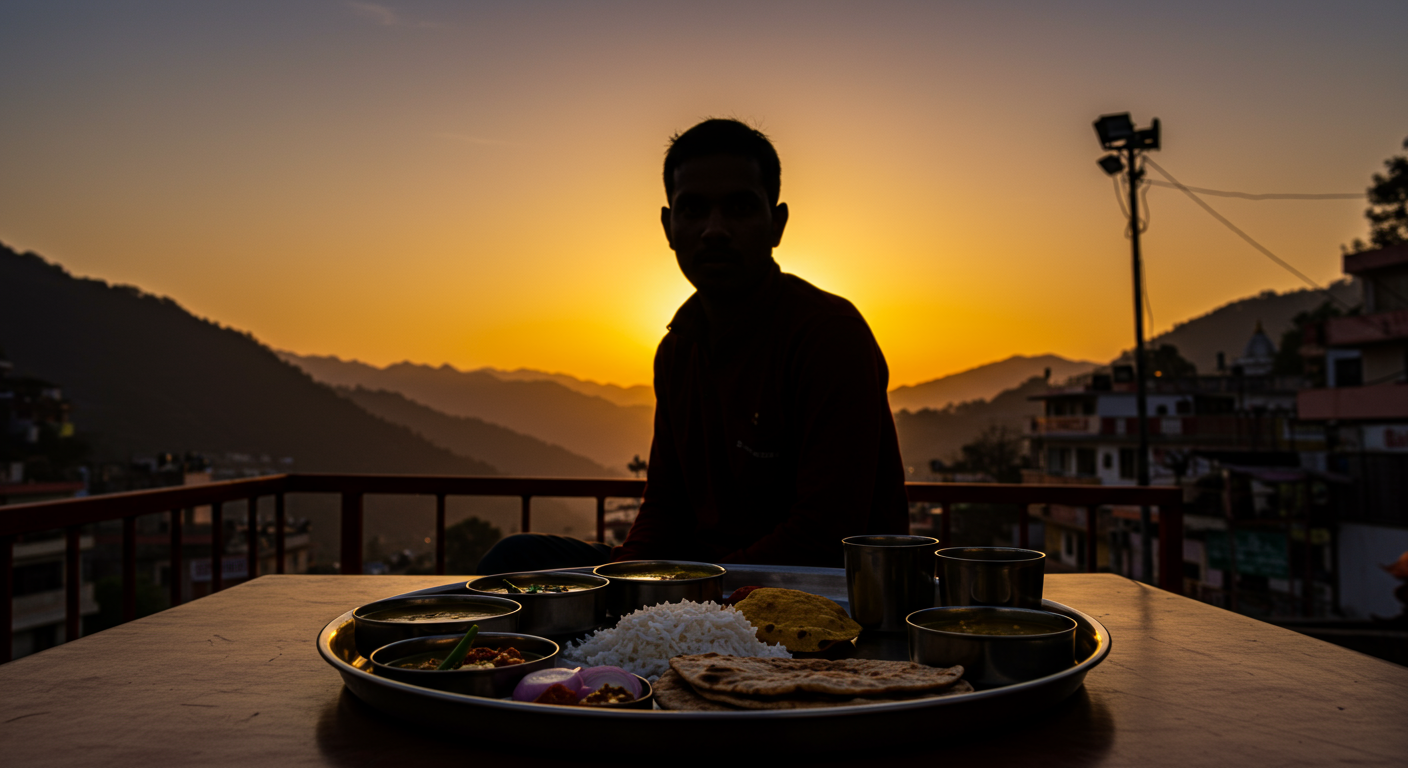
The gentle murmur of the Ganges, the distant chime of temple bells, and the intoxicating aroma of incense and spices – these are the immediate sensations that greet you upon arriving in Rishikesh. Most travelers come seeking spiritual solace or adventure sports, but few truly delve into the heart of what makes this city so unique: its incredible rishikesh food & local culture. I’ve spent countless hours exploring every nook and cranny of this vibrant spiritual hub, and I can tell you that the true magic lies beyond the well-trodden paths, in the flavors and traditions that define daily life here.
This comprehensive guide isn’t just about what to eat; it’s about understanding the ‘why’ behind the local cuisine and cultural practices. We’ll explore everything from the sacred vegetarian diet to the bustling local markets, offering practical insights and insider tips that will transform your trip. Prepare to discover the authentic rishikesh food & local culture in rishikesh, ensuring your experience is as enriching for your palate as it is for your soul. By the end of this article, you’ll know exactly how to savor the best of Rishikesh’s culinary and cultural landscape, moving beyond mere tourism to genuine immersion.
Exploring Rishikesh Food & Local Culture: Beyond the Yoga Mat
When one thinks of Rishikesh, images of yoga, meditation, and white-water rafting often come to mind. While these are undoubtedly integral to the city’s appeal, the true essence of Rishikesh is deeply rooted in its distinct food and local culture. This isn’t just about sustenance; it’s a reflection of the city’s spiritual ethos, its geographical location, and the traditions passed down through generations. Understanding this connection is key to appreciating Rishikesh fully.
The culinary landscape here is predominantly vegetarian, influenced by its status as a holy city. Alcohol and non-vegetarian food are largely prohibited, leading to a rich and diverse vegetarian cuisine that often surprises first-time visitors. From humble street stalls serving piping hot samosas to elegant ashram kitchens offering sattvic meals, the range of options ensures that exploring rishikesh food & local culture is an adventure in itself. Beyond food, the local culture is a tapestry woven with ancient rituals, vibrant festivals, and a deep respect for nature and spirituality.
The Spiritual Palate: Understanding Rishikesh’s Culinary Landscape
The food in Rishikesh is more than just delicious; it’s often considered sattvic, meaning it promotes purity, energy, and clarity of mind, aligning with yogic principles. This translates into dishes prepared with fresh, seasonal ingredients, minimal oil, and a balanced use of spices. You’ll find an abundance of lentils (dal), fresh vegetables, whole grains, and dairy products. A typical meal might feature a thali – a platter with various small bowls of curries, dal, rice, roti, and a sweet dish. Expect to pay around INR 150-300 for a decent thali at a local eatery near Ram Jhula, a fair price for a truly satisfying and wholesome meal.
Local specialties like ‘Aloo Puri’ (fried bread with potato curry), ‘Chole Bhature’ (chickpea curry with large fried bread), and various parathas (stuffed flatbreads) are breakfast staples. Don’t miss the fresh fruit juices and lassi, especially refreshing after a morning yoga session. Many cafes also offer international vegetarian fare, catering to the diverse influx of tourists, but I always recommend diving into the authentic local flavors first. The best quality in Rishikesh often comes from smaller, family-run establishments that have perfected their recipes over decades.
You might also be interested in: Read more about: Achieve Peak Thrills: Your Ultimate Guid…
Cultural Immersion: Why Local Traditions Matter
The local culture of Rishikesh is intrinsically linked to its identity as a ‘Yoga Capital of the World’ and a sacred pilgrimage site. The Ganga Aarti ceremony, performed daily at Triveni Ghat, is a prime example of this. It’s a mesmerizing ritual where devotees offer prayers to the holy river Ganges with lamps and chants. Participating in or even just observing this ceremony is a profound cultural experience that connects you directly to the spiritual heart of the city. It’s an essential part of understanding the rishikesh food & local culture in rishikesh.
Beyond the grand ceremonies, look for the smaller, everyday traditions. The simple act of greeting with ‘Namaste’, the intricate floral offerings at temples, the devotional music echoing from ashrams, and the vibrant attire of locals all contribute to the rich cultural tapestry. You’ll also notice the unique handicrafts sold in the markets – from spiritual trinkets to handmade garments – each telling a story of local artistry. These traditions aren’t just for display; they are a living, breathing part of the community’s identity.
Navigating the Best Rishikesh Food & Local Culture Experiences
To truly experience the authentic rishikesh food & local culture, you need a plan that goes beyond simply stumbling upon places. This section provides a practical, step-by-step guide to help you seek out the most rewarding culinary and cultural encounters, ensuring you don’t miss out on the hidden gems and local favorites that define the city.
From knowing where to find the freshest local produce to understanding the etiquette of temple visits, preparation is key. I’ve learned that the most memorable experiences often come from engaging directly with the local community and being open to new tastes and traditions. This is especially true when seeking the best rishikesh food & local culture in rishikesh, as many of the most authentic experiences are off the main tourist circuit.
Savoring the Flavors: A Guide to Local Eateries and Dishes
To embark on your culinary journey, start early. Rishikesh awakens with the aroma of freshly brewed chai and hot snacks. Here’s how to navigate:
You might also be interested in: Read more about: Exploring Rishikesh Food & Local Culture…
- Street Food Exploration: Head to the lanes around Laxman Jhula and Ram Jhula in the late afternoon. Look for vendors selling ‘Pani Puri’, ‘Golgappe’, and ‘Chaat’. Don’t be shy; watch where locals eat. A plate of delicious Chaat will typically cost around INR 50-80.
- Dhabas and Local Restaurants: For lunch and dinner, seek out local ‘dhabas’ (roadside eateries) or small restaurants away from the main tourist drag. Places like Chotiwala Restaurant (near Ram Jhula) are popular, but many smaller, unnamed eateries offer incredibly authentic and affordable meals. Ask locals for recommendations – they are the true experts in Rishikesh when it comes to finding good food.
- Ashram Food: Many ashrams, like Parmarth Niketan, offer meals to visitors. These are usually simple, wholesome, and extremely hygienic sattvic meals. Check their schedules; often, a small donation is requested.
- Sweet Treats: Indulge in local sweets like ‘Jalebi’ (deep-fried, syrup-soaked spirals) and ‘Gulab Jamun’ (milk-solid-based sweets). Many sweet shops offer these fresh throughout the day.
Insider Tip: Always carry small denominations of INR cash (50s and 100s) as many street vendors and smaller eateries do not accept digital payments or cards. This is crucial for a smooth culinary exploration.
Engaging with Tradition: Where to Find Authentic Cultural Experiences
Beyond the plate, immerse yourself in the cultural heartbeat of Rishikesh:
- Attend a Ganga Aarti: The Ganga Aarti at Triveni Ghat is a must-see, typically starting around sunset. Arrive early (at least 30-45 minutes) to secure a good spot. It’s a truly moving experience that encapsulates the spiritual devotion in Rishikesh.
- Visit Temples and Ashrams: Explore iconic sites like the Trayambakeshwar Temple (Tera Manzil Temple) near Laxman Jhula or the peaceful Swarg Ashram. Remember to dress modestly (shoulders and knees covered) and remove your shoes before entering.
- Explore Underrated Gems: Venture to places like Vashishta Gufa (Cave), an ancient cave on the banks of the Ganges, offering a serene environment for meditation, or the Garud Chatti Waterfall, a hidden gem near the Neelkanth temple road, perfect for those seeking solitude and natural beauty. These spots offer a quieter, more reflective cultural experience away from the crowds.
- Local Markets: Wander through the bustling markets around Laxman Jhula and Tapovan. Here you’ll find everything from religious artifacts and ayurvedic products to vibrant clothing and souvenirs, offering a glimpse into daily commerce and local life.
- Learn a Few Phrases: A simple “Namaste” (hello/greetings) or “Dhanyawad” (thank you) in Hindi can go a long way in connecting with locals and showing respect for their culture.
Insider Secrets for an Authentic Rishikesh Food & Local Culture Journey
Having visited Rishikesh multiple times, I’ve gathered some invaluable insights that can elevate your experience from that of a typical tourist to a seasoned explorer. These insider tips will help you navigate the nuances of rishikesh food & local culture, ensuring you get the most out of every moment.
Many first-time visitors miss out on the deeper layers of this spiritual city, often sticking to the most obvious attractions. But the true charm lies in the details, the timings, and the interactions you have along the way. These recommendations are designed to help you uncover the truly unique aspects of the best rishikesh food & local culture in rishikesh, giving you stories to tell that go beyond the usual travelogue.
Timing Your Tastes: Seasonal Delights and Festival Feasts
The time of year you visit Rishikesh can significantly impact your culinary and cultural experience. While the city is welcoming year-round, certain seasons offer unique advantages:
You might also be interested in: Explore Rishikesh Adventures on Bucketlistt
- October to March (Winter): This is arguably the best time for both weather and festivals. The cool, pleasant climate is perfect for exploring. You might catch festivals like Diwali or Maha Shivaratri, which bring vibrant celebrations, special temple food (prasad), and a heightened spiritual atmosphere. Many seasonal vegetables are at their freshest, making for exceptionally flavorful meals.
- April to June (Summer): Summers can be hot, but this is when you’ll find an abundance of fresh fruits like mangoes, watermelons, and lychees. Hydrating drinks like fresh lime soda and lassi become essential. Cultural activities might be less intense during the hottest parts of the day, but early mornings and evenings are still lively.
- July to September (Monsoon): The monsoon brings lush greenery and a mystical charm to Rishikesh. While outdoor activities like rafting might be suspended, it’s a beautiful time for nature walks to places like Neer Garh Waterfall. The food takes on a comforting quality, with fried pakoras and hot chai becoming popular rainy-day treats. Just be prepared for occasional heavy downpours and potential travel delays.
Always check local festival calendars before your trip. Experiencing a major festival like the International Yoga Festival (usually March) or a local temple fair provides an unparalleled glimpse into the rich cultural fabric across Rishikesh.
Beyond the Plate: Ethical Engagement and Local Etiquette
To truly appreciate and respect the local culture, a few considerations go a long way:
- Dress Modestly: Rishikesh is a holy city. When visiting temples, ashrams, or even just walking through town, it’s advisable for both men and women to dress modestly, covering shoulders and knees. This shows respect for local customs.
- Respect Sacred Spaces: Maintain silence in ashrams and temples. Always remove your shoes before entering these spaces. Avoid pointing your feet towards deities or people.
- Photography: Always ask for permission before taking photos of individuals, especially sadhus (holy men) or locals engaged in rituals. Some places may prohibit photography altogether.
- Bargaining: While common in local markets for souvenirs, do so respectfully and with a friendly demeanor. Avoid aggressive bargaining, especially for food items which are already very affordable.
- Waste Management: Rishikesh is making efforts to remain clean. Please dispose of your waste responsibly in designated bins. Avoid littering, especially near the Ganges.
- Support Local: Opt for local guides, eat at family-run eateries, and buy from local artisans. This directly contributes to the community and provides a more authentic experience. For instance, finding top-rated in Rishikesh local businesses helps sustain traditional crafts and culinary practices.
By following these guidelines, you ensure that your exploration of Rishikesh’s food and local culture is not only enjoyable for you but also respectful and beneficial to the community that welcomes you.
Rishikesh is one of those rare destinations that genuinely delivers on its reputation — whether you come for the adrenaline, the spirituality, or simply to sit by the Ganga and think. This guide covered best rishikesh food & local culture in rishikesh, rishikesh food & local culture, rishikesh food & local culture in rishikesh, giving you the practical knowledge to plan a memorable visit. If you want a curated list of verified operators and activity packages, you can browse options on Bucketlistt.
Frequently Asked Questions about Rishikesh Food & Local Culture
What kind of food can I expect in Rishikesh?
Rishikesh offers predominantly vegetarian, sattvic food, aligning with its spiritual nature. You’ll find a wide range of North Indian dishes like thalis, parathas, puri-sabzi, and chaat, alongside international vegetarian options in many cafes. The focus is on fresh, wholesome ingredients.
Is non-vegetarian food available in Rishikesh?
No, Rishikesh is declared a “holy city” and the sale and consumption of non-vegetarian food and alcohol are strictly prohibited within the municipal limits. All eateries, from street stalls to restaurants, serve only vegetarian dishes, which is a key aspect of the local culture.
What are some must-try local dishes when exploring Rishikesh food & local culture?
Definitely try Aloo Puri, Chole Bhature, and various stuffed parathas for breakfast. For snacks, indulge in Pani Puri, Samosa, and different types of Chaat. Don’t forget to sample fresh fruit juices, lassi, and local sweets like Jalebi for a complete taste of Rishikesh.
How much does a typical meal cost in Rishikesh?
A simple, satisfying meal at a local eatery or dhaba can cost anywhere from INR 150 to 300 per person. Street food items are even more affordable, often ranging from INR 50 to 100. Cafe meals with international cuisine might be slightly higher, around INR 300-600.
What are the key cultural experiences to seek out in Rishikesh?
Attending the Ganga Aarti at Triveni Ghat is a quintessential experience. Visiting temples like Trayambakeshwar Temple and exploring ashrams such as Parmarth Niketan offer deep cultural insights. Wandering through local markets and discovering hidden gems like Vashishta Gufa also provides an authentic immersion into the local culture of Rishikesh.
Is it safe to eat street food in Rishikesh?
Generally, yes, but it’s always wise to choose vendors who appear clean and have a high turnover of customers, ensuring freshness. Opt for freshly prepared, hot items. Drinking bottled water is also highly recommended to avoid any stomach issues while enjoying the delicious rishikesh food & local culture.
What is the best time of year to explore Rishikesh’s food and culture?
The period from October to March is ideal. The weather is pleasant, perfect for exploring both culinary delights and cultural sites. This season also often coincides with major festivals, offering a more vibrant and immersive cultural experience. Monsoon (July-September) also has its unique charm for specific cultural activities like nature walks.
Are there any specific etiquette rules to follow while experiencing local culture?
Yes, dress modestly, especially when visiting temples and ashrams. Always remove your shoes before entering sacred places. Ask for permission before photographing people, and maintain a respectful demeanor. These small gestures significantly enhance your engagement with the local community and its traditions.