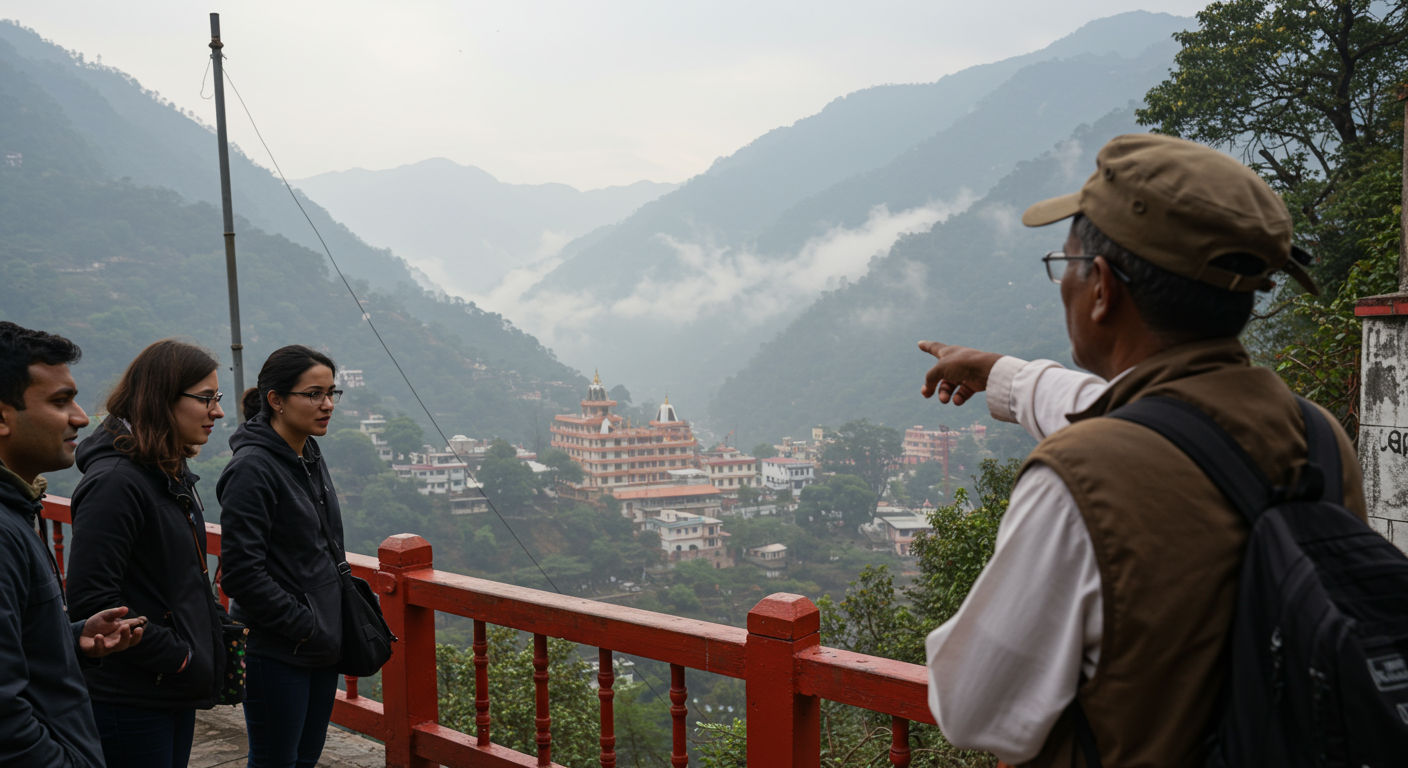
The scent of incense mingling with the crisp mountain air, the distant chime of temple bells, and the ever-present, soothing roar of the Ganges – this is Rishikesh. Most travellers don’t realise that Rishikesh has two completely different personalities: a bustling spiritual hub around the iconic bridges and a tranquil escape hidden in its surrounding hills. As someone who has spent considerable time navigating its spiritual currents and adventurous trails, I can tell you that crafting the perfect rishikesh itineraries & trip plans is the key to unlocking its true essence. Forget generic guides; this article is your practical companion, answering all your burning questions on how to experience the best of this incredible town in Uttarakhand. We’ll dive deep into what to see, how to get around, and those invaluable insider tips that transform a good trip into an unforgettable journey.
Crafting Your Perfect Rishikesh Itinerary: More Than Just a Trip
Rishikesh, often hailed as the “Yoga Capital of the World,” is more than just a destination; it’s an experience that nourishes the soul. When you’re thinking about rishikesh itineraries & trip plans, you’re not just mapping out locations, but designing a journey of self-discovery, adventure, and spiritual rejuvenation. This holy town, nestled in the foothills of the Himalayas, offers a unique blend of ancient traditions and thrilling outdoor activities. It’s a place where you can begin your day with a sunrise yoga session, spend your afternoon white-water rafting, and conclude it with a serene Ganga Aarti ceremony. The sheer diversity of experiences available makes comprehensive rishikesh itineraries & trip plans in Rishikesh absolutely essential for making the most of your visit.
The Spiritual Heartbeat: What to Expect in Rishikesh
At its core, Rishikesh is a spiritual haven. The sacred Ganges River flows through the town, believed to cleanse sins and offer liberation. You can expect to encounter sadhus (holy men), ashrams offering yoga and meditation courses, and temples echoing with chants. A visit to Parmarth Niketan, one of the largest ashrams, is a must for its evening Ganga Aarti – a mesmerising fire ceremony that draws crowds to the riverbanks. The ancient Rishikund, a sacred pond near Raghunath Temple, offers a peaceful retreat and is known for its clear reflection of the nearby Shani temple. Beyond the spiritual, Rishikesh is a hub for adventure sports. White-water rafting, bungee jumping, and trekking are immensely popular, attracting adrenaline junkies from across the globe. Whether you seek inner peace or an outdoor thrill, Rishikesh caters to both with equal fervor.
Who Is Rishikesh For? Tailoring Your Trip Plans
Rishikesh truly has something for everyone, making flexible rishikesh itineraries & trip plans crucial. If you’re a spiritual seeker, you’ll find countless ashrams like Parmarth Niketan offering yoga, meditation, and philosophical discourses. Those interested in history and culture will be captivated by sites like The Beatles Ashram (Chaurasi Kutia), where the legendary band sought spiritual solace in 1968. Now a serene forest reserve, its ruins are adorned with vibrant graffiti art, offering a unique blend of history and contemporary expression. For the adventure enthusiast, the Ganges provides ample opportunities for rafting, kayaking, and cliff jumping. Families will appreciate the gentle treks, the vibrant atmosphere around Laxman Jhula and Ram Jhula, and the chance to witness ancient rituals. Even solo travellers looking for introspection will find solace in its quiet corners. The best Rishikesh itineraries & trip plans in Rishikesh are those that thoughtfully combine these diverse elements to match your personal interests and energy levels.
You might also be interested in: Read more about: Crafting Your Perfect Rishikesh Itinerar…
Navigating Rishikesh: Practical Steps for Your Trip Plans
Planning a trip to Rishikesh can seem daunting with so much to see and do, but with a practical approach, your journey will be smooth and enjoyable. Effective rishikesh itineraries & trip plans require attention to logistics, from arrival to daily exploration. Understanding the local transport, accommodation options, and how to allocate your time effectively will significantly enhance your experience in this vibrant town. My advice, honed over many visits, focuses on making your trip seamless so you can immerse yourself fully in Rishikesh’s unique charm.
Getting There & Getting Around: Your Rishikesh Travel Blueprint
Rishikesh is well-connected. The nearest airport is Jolly Grant Airport (DED) in Dehradun, about 35 km away. From there, a pre-booked taxi or a shared cab will cost you approximately INR 800-1200 and take about an hour. The nearest railway station is Rishikesh itself, though Haridwar (about 25 km away) offers more frequent train connections. Once in Rishikesh, getting around is mostly on foot, especially around the main tourist areas near Laxman Jhula and Ram Jhula. Auto-rickshaws are readily available for longer distances, costing anywhere from INR 50-200 depending on the distance. For exploring areas like Patna Waterfall or the Beatles Ashram, hiring a scooter (approx. INR 300-500 per day) or a taxi for a few hours can be convenient. Always negotiate auto-rickshaw fares beforehand. For the most authentic experience, walking across the iconic Laxman Jhula and Ram Jhula bridges is a must, offering stunning views of the Ganges and the surrounding temples.
Expert Tip: While walking is the best way to soak in the atmosphere, be mindful of stray cows and monkeys, especially near the bridges. They are generally harmless but can be mischievous.
Budgeting & Packing: Essential Rishikesh Itinerary Considerations
Your budget for Rishikesh can vary widely. A comfortable daily budget, excluding major adventure activities, can range from INR 1500-3000 (approx. $18-$36 USD) per person, covering decent accommodation, food, and local transport. Accommodation ranges from budget guesthouses (INR 500-1000) to mid-range hotels and ashrams (INR 1500-4000). Food is generally inexpensive, with a hearty meal costing INR 150-300 at a local eatery. Adventure activities like rafting can cost INR 600-1500 per person depending on the stretch. When packing for your rishikesh itineraries & trip plans, think modest and comfortable. Lightweight cotton clothes are ideal for most of the year. If visiting during winter (Nov-Feb), carry warm layers. Always pack comfortable walking shoes, a reusable water bottle, sunscreen, insect repellent, and a basic first-aid kit. Remember, Rishikesh is a holy town, so dressing respectfully, especially when visiting temples or ashrams, is appreciated.
You might also be interested in: Read more about: Your Ultimate Guide: Discover the Best T…
- Comfortable Footwear: Essential for navigating hilly terrain and long walks.
- Lightweight Clothing: Breathable fabrics for warm days, respectful attire for spiritual sites.
- Warm Layers: Crucial for evenings and early mornings, especially during cooler months.
- Reusable Water Bottle: Stay hydrated and reduce plastic waste.
- Basic First-Aid Kit: For minor cuts or ailments during treks or activities.
- Sunscreen & Hat: Protection from the strong Himalayan sun.
Insider Secrets for Unforgettable Rishikesh Itineraries & Trip Plans
Beyond the well-trodden paths, Rishikesh holds numerous secrets that only experienced travellers or locals truly appreciate. To truly elevate your rishikesh itineraries & trip plans, you need to go beyond the guidebooks and embrace some local wisdom. These insider tips will help you discover the hidden gems and navigate the nuances of this spiritual and adventurous haven, ensuring your trip is not just good, but truly exceptional. This is where the best rishikesh itineraries & trip plans in Rishikesh come to life, offering experiences that resonate long after you’ve left.
Timing Your Visit: Best Seasons and Times in Rishikesh
The timing of your visit significantly impacts your experience in Rishikesh. The best time to visit Rishikesh is generally from late September to mid-November and again from early February to late April. During these months, the weather is pleasant, ideal for both spiritual activities and adventure sports. Winter (December-January) can be quite chilly, especially in the mornings and evenings, but offers clear skies and a serene atmosphere, perfect for introspection. Summer (May-June) is hot, with temperatures soaring, making it less comfortable for outdoor activities, though rafting remains popular. The monsoon season (July-August) transforms the landscape into lush greenery, but heavy rainfall can disrupt travel plans and make river activities unsafe. For the best experiences in Rishikesh, aim for the shoulder seasons.
Beyond the Obvious: Underrated Gems and Local Nuances
While the main attractions are wonderful, some of Rishikesh’s true charm lies in its less-explored corners. One such treasure is the secluded Patna Waterfall. Reached through a dense forest trek, it offers peace and untouched nature, a stark contrast to the bustling town. It’s a perfect spot for a quiet picnic or just soaking in the natural beauty, far from the crowds. Another local nuance to embrace is the rhythm of the town itself. Rishikesh wakes up early with yoga and spiritual practices and winds down relatively early. The best food is often found in small, unassuming cafes rather than large restaurants. For example, a simple aloo paratha and chai at a local dhaba near Muni Ki Reti can be more satisfying than a meal at a fancy establishment. Engaging with local vendors and guides can also lead to discovering unique handicrafts or hidden viewpoints, truly enriching your rishikesh itineraries & trip plans. Don’t be afraid to wander off the main path and explore the quieter lanes; that’s where Rishikesh truly reveals itself.
You might also be interested in: Explore Rishikesh Adventures on Bucketlistt
When planning your perfect rishikesh itineraries & trip plans, remember to factor in some downtime. The spiritual energy of Rishikesh can be intense, and allowing yourself moments of quiet reflection, perhaps by the river or in a peaceful ashram garden, is just as important as ticking off tourist spots. Seek out local music performances, participate in a cooking class for traditional Garhwali cuisine, or simply sit by the Ganges and observe life unfold. These are the moments that weave together to create truly memorable experiences in Rishikesh.
Rishikesh is one of those rare destinations that genuinely delivers on its reputation — whether you come for the adrenaline, the spirituality, or simply to sit by the Ganga and think. This guide covered best rishikesh itineraries & trip plans in rishikesh, rishikesh itineraries & trip plans, rishikesh itineraries & trip plans in rishikesh, giving you the practical knowledge to plan a memorable visit. If you want a curated list of verified operators and activity packages, you can browse options on Bucketlistt.
Frequently Asked Questions about Rishikesh Itineraries & Trip Plans
What is the ideal duration for Rishikesh itineraries & trip plans
What are the must-visit places in Rishikesh besides adventure sports?
Beyond the adventure scene, Rishikesh has a rich cultural and spiritual side worth exploring. Triveni Ghat hosts a mesmerising Ganga Aarti ceremony every evening at sunset — free to attend and deeply moving. Laxman Jhula and Ram Jhula suspension bridges are iconic landmarks. The Beatles Ashram (Maharishi Mahesh Yogi’s old meditation campus) is a fascinating abandoned site now open to visitors. Nearby Neelkanth Mahadev Temple is a popular pilgrimage site about 32 km away.
How do I get from Rishikesh to the bungee jump or rafting starting point?
Most adventure activity start points are 15–30 km from Rishikesh town. Auto-rickshaws and shared taxis are available from Laxman Jhula and Ram Jhula areas. Many operators offer free or low-cost pickup from a central meeting point in Rishikesh — confirm this when booking. The drive through the Himalayan foothills is itself a scenic experience worth savouring.
What should I wear and bring for adventure activities in Rishikesh?
Wear comfortable, athletic clothing that you don’t mind getting wet. Closed-toe shoes (trainers or sandals with straps) are essential for rafting and trekking. Bring a valid photo ID, some cash in INR, a change of clothes, and a small waterproof bag for your phone and valuables. Sunscreen and a water bottle are important for longer activities.
Do I need prior experience for white-water rafting in Rishikesh?
No prior experience is required for most Rishikesh rafting stretches. The 9 km Brahmpuri to Rishikesh route is ideal for beginners with grade I–II rapids. The 16 km Marine Drive to Rishikesh route is suitable for first-timers who want a bit more excitement (grade III rapids). The 36 km Shivpuri stretch is recommended for those comfortable in water and seeking grade III–IV rapids.
Are there age or weight restrictions for activities in Rishikesh?
Yes — most operators have safety-based restrictions. Bungee jumping typically requires participants to be 12+ years old, weigh between 40–110 kg, and have no history of heart conditions or back problems. Rafting generally accepts ages 14+ on the standard routes. Paragliding requires a weight limit of around 100–110 kg maximum. Always check the specific operator’s requirements when booking.
What are the must-visit places in Rishikesh besides adventure sports?
Beyond the adventure scene, Rishikesh has a rich cultural and spiritual side worth exploring. Triveni Ghat hosts a mesmerising Ganga Aarti ceremony every evening at sunset — free to attend and deeply moving. Laxman Jhula and Ram Jhula suspension bridges are iconic landmarks. The Beatles Ashram (Maharishi Mahesh Yogi’s old meditation campus) is a fascinating abandoned site now open to visitors. Nearby Neelkanth Mahadev Temple is a popular pilgrimage site about 32 km away.
How do I get from Rishikesh to the bungee jump or rafting starting point?
Most adventure activity start points are 15–30 km from Rishikesh town. Auto-rickshaws and shared taxis are available from Laxman Jhula and Ram Jhula areas. Many operators offer free or low-cost pickup from a central meeting point in Rishikesh — confirm this when booking. The drive through the Himalayan foothills is itself a scenic experience worth savouring.
What should I wear and bring for adventure activities in Rishikesh?
Wear comfortable, athletic clothing that you don’t mind getting wet. Closed-toe shoes (trainers or sandals with straps) are essential for rafting and trekking. Bring a valid photo ID, some cash in INR, a change of clothes, and a small waterproof bag for your phone and valuables. Sunscreen and a water bottle are important for longer activities.
Do I need prior experience for white-water rafting in Rishikesh?
No prior experience is required for most Rishikesh rafting stretches. The 9 km Brahmpuri to Rishikesh route is ideal for beginners with grade I–II rapids. The 16 km Marine Drive to Rishikesh route is suitable for first-timers who want a bit more excitement (grade III rapids). The 36 km Shivpuri stretch is recommended for those comfortable in water and seeking grade III–IV rapids.
Are there age or weight restrictions for activities in Rishikesh?
Yes — most operators have safety-based restrictions. Bungee jumping typically requires participants to be 12+ years old, weigh between 40–110 kg, and have no history of heart conditions or back problems. Rafting generally accepts ages 14+ on the standard routes. Paragliding requires a weight limit of around 100–110 kg maximum. Always check the specific operator’s requirements when booking.