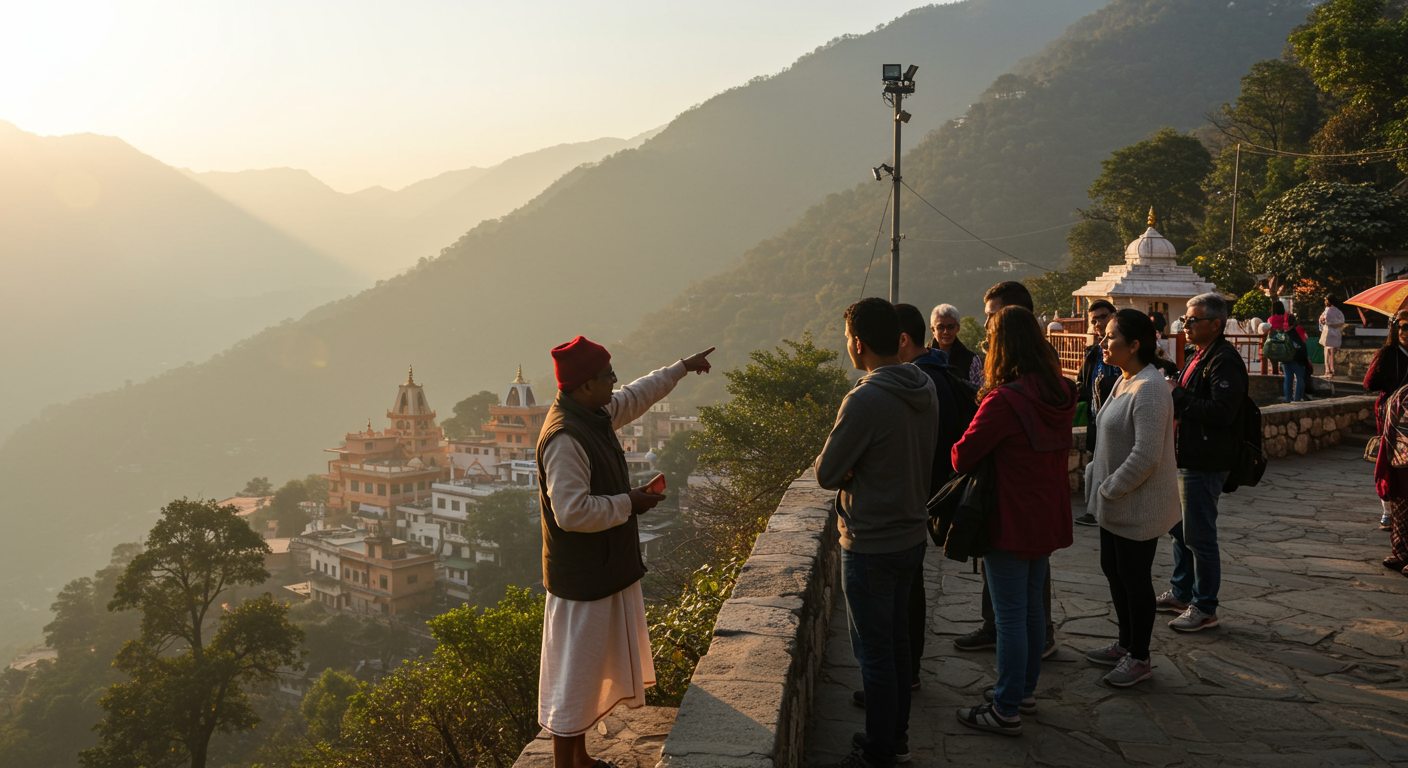
Embracing the Spirit of Rishikesh: When to Go
Most travelers don’t realize that Rishikesh has two completely different personalities depending on the time of year. Imagine standing by the sacred Ganges, the sound of temple bells echoing through the valley, and the crisp mountain air filling your lungs. But when is this ethereal experience truly at its peak? Deciphering the best time to visit Rishikesh is not just about avoiding crowds or extreme weather; it’s about aligning your journey with the city’s unique rhythm to maximize your spiritual, adventurous, or tranquil pursuit. This guide cuts through the noise, offering practical insights into when and how to plan your unforgettable trip.
Forget generic travel advice. We’re diving deep into the seasonal nuances, explaining why choosing the best time to visit Rishikesh can transform your journey from a simple vacation into a profound adventure. Whether you seek the adrenaline rush of white-water rafting, the serenity of a yoga retreat, or the quiet contemplation by the riverbanks, understanding the seasonal shifts is paramount. This article will equip you with all the knowledge you need to select the ideal window for your Rishikesh escapade, ensuring every moment is exactly what you envisioned.
Understanding Rishikesh’s Seasonal Charms
Rishikesh, nestled in the foothills of the Himalayas in Uttarakhand, offers distinct experiences throughout its three primary seasons: winter, summer, and monsoon. Each period brings its own set of advantages and challenges, influencing everything from outdoor activities to the overall ambiance. For instance, the spiritual vibe in Rishikesh is palpable year-round, but the energy shifts dramatically. Winter offers cool, clear days perfect for introspection and hiking, while summer provides warmer waters for rafting. The monsoon, though often overlooked, transforms the landscape into a lush, vibrant green, ideal for those seeking solitude and dramatic vistas.
The key to finding the best time to visit Rishikesh lies in identifying your primary objective. Are you a thrill-seeker aiming for grade IV rapids? Or perhaps a yogi dreaming of morning meditations with mist-shrouded peaks? This sacred town, known as the “Yoga Capital of the World,” caters to diverse interests, but timing is everything. A visit during an unsuitable season can lead to disappointment, whether it’s closed rafting camps or scorching heat disrupting your meditation. Therefore, a careful consideration of the climate and local events is crucial for an enriching travel experience.
Why Timing Your Visit Matters for a Fulfilling Experience
The impact of timing on your Rishikesh experience cannot be overstated. Imagine arriving in May, expecting peaceful yoga sessions, only to find temperatures soaring above 40°C, making outdoor activities uncomfortable. Conversely, visiting for rafting during the peak monsoon season (July-September) could mean river closures due to high water levels and safety concerns. The energy across Rishikesh shifts dramatically with the seasons, from the bustling spiritual festivals of spring to the quiet, introspective atmosphere of late autumn.
You might also be interested in: Read more about: Unveiling the Soul of Rishikesh: Your Ul…
“Choosing the right season for your Rishikesh trip is like selecting the perfect mantra for your meditation – it sets the tone for your entire experience. It’s the difference between merely seeing Rishikesh and truly feeling its essence.”
For those seeking spiritual solace, the cooler months allow for comfortable participation in ashram activities and evening Ganga Aartis. Adventure enthusiasts will find specific windows for white-water rafting, bungee jumping, and trekking. Even budget travelers can benefit from off-season travel, enjoying lower prices and fewer crowds. Ultimately, understanding the nuances of when to visit ensures your journey aligns with your expectations, making it the best time to visit Rishikesh in Rishikesh for your personal goals.
Planning Your Perfect Trip: Practical Steps for the Best Time to Visit Rishikesh
Once you’ve decided on the ideal season, planning your trip to Rishikesh is about more than just booking flights; it’s about preparing for the local conditions to ensure a smooth and enjoyable experience. This section provides a step-by-step guide to help you navigate the practicalities, ensuring you make the most of your chosen best time to visit Rishikesh.
From understanding transportation options to packing essentials and managing your budget, each detail contributes to a stress-free journey. Rishikesh is a destination that rewards thoughtful preparation, allowing you to fully immerse yourself in its unique blend of spirituality and adventure. Let’s break down the practical aspects to make your visit seamless.
Getting There and Around: Transportation & Accommodation
Rishikesh is well-connected, making it accessible from various parts of India. The nearest airport is Jolly Grant Airport (DED) in Dehradun, approximately 35 km away. From there, taxis are readily available, costing around INR 1000-1500 for a one-way trip to Rishikesh. The nearest railway station is also in Haridwar, about 25 km away, with frequent trains from major cities. Buses, both government and private, offer an economical alternative, connecting Rishikesh to Delhi and other northern cities. A bus ticket from Delhi might cost INR 400-800.
Once in Rishikesh, local transportation primarily consists of auto-rickshaws and shared tempos, which are very affordable. Walking is often the best way to explore the main spiritual and market areas, especially around Lakshman Jhula and Ram Jhula, which are pedestrian-friendly. Accommodation options range from budget guesthouses (starting at INR 500-800 per night) to luxury resorts and numerous ashrams offering spiritual stays (some as low as INR 300-500 per night with meals). Booking in advance, especially during peak season, is highly recommended to secure your preferred stay.
You might also be interested in: Read more about: Your Ultimate Guide to Rishikesh Travel …
Packing Essentials and Budgeting for Your Adventure
Your packing list will vary significantly depending on the best time to visit Rishikesh in Rishikesh you choose. Here’s a general guide:
- Spring/Autumn (March-April, October-November): Light layers, comfortable walking shoes, light jacket for evenings, sunscreen, insect repellent.
- Summer (May-June): Light cotton clothing, wide-brimmed hat, sunglasses, hydration pack, swimwear (if planning river activities).
- Monsoon (July-September): Waterproof jacket, umbrella, sturdy waterproof shoes, quick-drying clothes.
Regardless of the season, always carry a small first-aid kit, personal medications, and a reusable water bottle. For budgeting, a comfortable daily budget (excluding major activities like rafting) can range from INR 1500-3000 per person, covering accommodation, food, and local transport. Adventure activities like rafting typically cost INR 800-1500 per person, while bungee jumping is around INR 3700. Always carry some cash, as smaller shops and eateries may not accept cards. This financial foresight will ensure you can enjoy the very best best time to visit Rishikesh in Rishikesh without monetary stress.
Insider Tips & Best Practices for Your Rishikesh Journey
To truly experience the magic of Rishikesh, you need to go beyond the tourist brochures. These insider tips, gleaned from local knowledge and seasoned travelers, will help you unlock the city’s deeper secrets and ensure your trip is not just good, but exceptional. Knowing these nuances can transform your visit into an authentic and memorable encounter with this spiritual haven.
From navigating local customs to discovering hidden gems and understanding seasonal variations, these insights are designed to elevate your travel experience. Embrace these practices, and you’ll find yourself connecting with Rishikesh on a much more profound level, making your chosen time truly the best time to visit Rishikesh.
Seasonal Nuances and Underrated Gems to Explore
While the popular seasons have their appeal, exploring Rishikesh during the shoulder or even monsoon months can offer unique rewards. The monsoon (July-September), though often avoided, paints the surrounding hills in vibrant greens and offers a quiet, contemplative atmosphere. Waterfalls like the Garud Chatti Waterfall, a hidden gem near the Neelkanth temple road, are at their most spectacular, gushing with renewed vigor. The Phool Chatti Ashram Area, a quiet stretch of riverbanks and trails away from the main city’s bustle, becomes particularly serene, perfect for introspection.
You might also be interested in: Explore Rishikesh Adventures on Bucketlistt
For a truly local experience, visit the weekly ‘Haat Bazaar’ (local market) near Lakshman Jhula for fresh produce and artisan crafts. Early mornings are always the best time to visit any ghat or ashram, as the air is fresh, and the crowds are minimal. Don’t miss the tranquil beauty of Neer Garh Waterfall, accessible via a short, refreshing hike. And for a dose of history and art, The Beatles Ashram (Chaurasi Kutia) offers a unique blend of spiritual ruins and vibrant graffiti, making it a must-see, especially during the cooler months when hiking is comfortable.
Safety, Etiquette, and Local Expertise
Rishikesh is generally a safe place, but it’s always wise to exercise caution. Keep your belongings secure, especially in crowded areas. When exploring, especially near waterfalls or hiking trails, wear appropriate footwear and be mindful of your surroundings. Women traveling alone should be particularly cautious after dark. Respect local customs: dress modestly, especially when visiting temples and ashrams, and remove your shoes before entering. Photography inside temples is often prohibited.
For adventure activities like rafting or trekking, always book through reputable operators. Consult local rafting experts in Rishikesh for the most up-to-date information on river conditions and safety protocols. They can also advise on the best best time to visit Rishikesh in Rishikesh for specific activities. Parmarth Niketan, one of the top-rated in Rishikesh, offers daily Ganga Aarti ceremonies that are a profound experience; arrive early to secure a good spot. Engaging with locals respectfully can also lead to invaluable insights and recommendations that enhance your trip.
Rishikesh is one of those rare destinations that genuinely delivers on its reputation — whether you come for the adrenaline, the spirituality, or simply to sit by the Ganga and think. This guide covered best best time to visit rishikesh in rishikesh, best time to visit rishikesh, best time to visit rishikesh in rishikesh, giving you the practical knowledge to plan a memorable visit. If you want a curated list of verified operators and activity packages, you can browse options on Bucketlistt.
Frequently Asked Questions about the Best Time to Visit Rishikesh
What is the best time to visit Rishikesh for river rafting?
The ideal time for river rafting in Rishikesh is from late September to mid-November and then from early March to late April. During these periods, the water levels are optimal, and the weather is pleasant, offering an exhilarating experience. This is generally considered the best time to visit Rishikesh for adventure sports.
When is the best season for yoga and meditation in Rishikesh?
For yoga and meditation, the cooler months from October to March are highly recommended. The mild and pleasant weather provides a serene environment conducive to spiritual practices. Many retreats and ashrams offer special programs during this best time to visit Rishikesh for spiritual seekers.
Is it advisable to visit Rishikesh during the monsoon season?
Visiting Rishikesh during the monsoon (July to September) can be beautiful, with lush green landscapes and fewer crowds. However, river rafting is often closed, and trekking trails can be slippery. If you seek solitude and dramatic natural beauty, this could still be a good time, but be prepared for heavy rainfall.
What is the weather like in Rishikesh during peak summer?
Peak summer in Rishikesh (May and June) is very hot, with temperatures often exceeding 40°C. While river activities like swimming are popular, extended outdoor excursions can be challenging. It’s not typically the best time to visit Rishikesh for those sensitive to heat, but can be suitable for water sports.
Are there any specific festivals that influence the best time to visit Rishikesh?
Yes, the International Yoga Festival in March, and Diwali and Ganga Dussehra (which fall in different months each year) significantly impact crowd levels. If you wish to experience these vibrant celebrations, plan your visit accordingly. These festivals can make it a culturally rich best time to visit Rishikesh.
How can I avoid crowds while visiting Rishikesh?
To avoid crowds, consider visiting during the shoulder seasons like early March or late November, or even during the monsoon. Weekdays are generally less crowded than weekends. Early mornings are also the best time to visit popular spots like Lakshman Jhula and Parmarth Niketan for a more peaceful experience.
What is the best time to visit Rishikesh for a tranquil experience?
For a truly tranquil experience, consider visiting during the late monsoon (September) or early winter (late November to early December). The weather is pleasant, the post-monsoon greenery is stunning, and tourist numbers are lower, making it the best time to visit Rishikesh for a peaceful retreat.