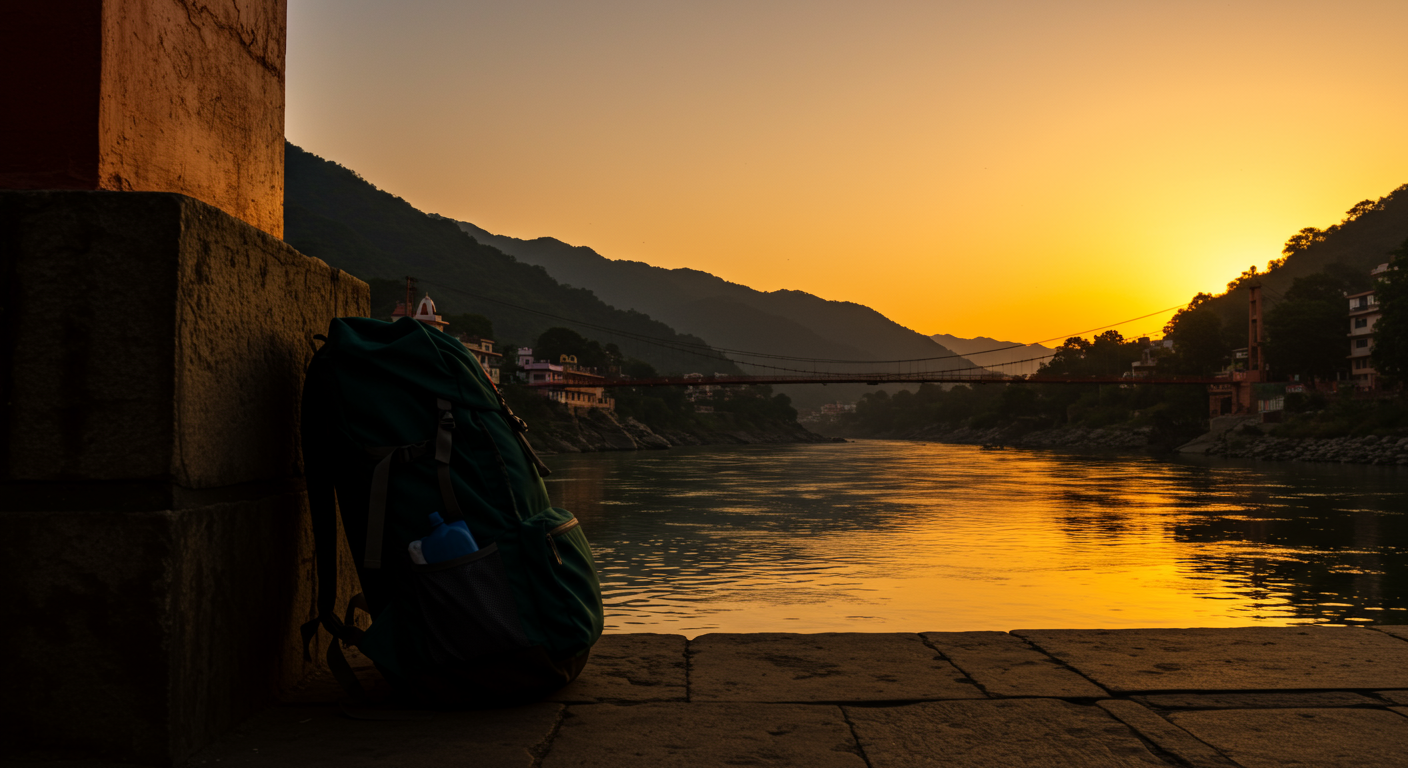
The first light of dawn over the Ganges in Rishikesh paints a picture unlike any other. The air, crisp and cool, carries the scent of incense and the faint chants from riverside ashrams. Most travelers don’t realize that this spiritual hub, often dubbed the “Yoga Capital of the World,” has two completely different personalities: one of tranquil contemplation, and another of exhilarating adventure. As an independent travel expert with years of exploring India’s hidden gems, I’ve seen Rishikesh evolve, offering an increasingly diverse array of activities. This guide will cut through the noise, providing you with the practical insights needed to navigate the myriad things to do in Rishikesh, ensuring your 2026 visit is both enriching and unforgettable. We’ll cover everything from ancient rituals to adrenaline-pumping sports, detailing how to access the best things to do in Rishikesh with ease and confidence.
The tourism sector in this region has seen significant growth and diversification, moving beyond its traditional spiritual roots to embrace adventure tourism and wellness retreats on an industrial scale. This expansion offers a wide range of experiences, catering to a global audience while striving to maintain ecological balance. Understanding these dynamics is key to appreciating the depth of experiences available here.
Beyond the Ashrams: Adventure and Serenity in a Thriving Tourism Sector
The destination is a unique confluence of spiritual heritage and adventure sports, making it a standout in India’s tourism landscape. The local tourism industry, encompassing everything from rafting operators to ashram stays, operates with a commitment to providing diverse offerings. This sector-wide approach ensures that whether you’re seeking inner peace or an adrenaline rush, the experiences are well-regulated and professionally managed. The sheer variety of things to do in Rishikesh is a testament to this thriving industry, which continually innovates to meet traveler demands.
What to Expect: A Spectrum of Experiences
Expect a vibrant mix of activities that cater to every inclination. The tourism industry here has successfully integrated ancient traditions with modern recreational pursuits. For instance, the serene Ganga Aarti at Triveni Ghat offers a powerful spiritual experience, drawing thousands nightly. This large-scale event is a prime example of how cultural practices are presented as a key offering within the local tourism framework. On the other end of the spectrum, places like Shivpuri, located just 19km from the main town, serve as an adventure hub, specializing in white-water rafting and camping. The technical industrial standards for adventure sports operators are stringent, ensuring safety and quality for all participants. These operators often collaborate, forming a robust network of services in Rishikesh that uphold professional best practices.
Another must-see is the Neelkanth Mahadev Temple, situated at a breathtaking 1330m height. The journey to this ancient temple, with its panoramic valley views, is an experience in itself, showcasing the region’s natural beauty and spiritual depth. The pilgrimage industry around such sites contributes significantly to the local economy, adhering to specific standards for visitor management and environmental protection. For those seeking natural beauty, the Neer Garh Waterfall offers a refreshing escape. It’s a series of three beautiful waterfalls accessible via a short hike, demonstrating how nature-based tourism is developed and managed.
You might also be interested in: Read more about: Elevate Your Adventure: The Ultimate Gui…
Who Is It Best For: Diversifying the Tourist Portfolio
The range of activities means this destination appeals to a broad demographic. Solo spiritual seekers find solace in ashrams and meditation caves like Vashishta Gufa, a sanctuary of silence famous for being an ancient meditation cave of Sage Vashishta. This particular niche of spiritual tourism requires guides and facilities that respect the sanctity of such sites, representing a specialized segment of the tourism sector. Families can enjoy gentle rafting, exploring waterfalls, and attending cultural ceremonies. Adventure enthusiasts flock to Jumpin Heights in Mohan Chatti, India’s premier bungee jumping destination, offering an 83-meter plunge. This high-adventure segment operates under strict international safety protocols, a non-negotiable standard for experts in Rishikesh specializing in extreme sports. The industry also caters to wellness tourists, with numerous yoga and Ayurveda centers offering retreats and courses, highlighting the diverse industrial applications of its natural and cultural assets.
Expert Tip: While the popular spots are undeniable draws, don’t overlook the potential for deeper engagement. Many local operators now offer immersive cultural exchanges, from cooking classes to traditional music workshops, providing a richer understanding of the area’s heritage. This represents a growing trend in experiential tourism across Rishikesh.
Navigating Your Journey: Practical Steps to Experience Rishikesh’s Offerings
🌊 Book River Rafting in Rishikesh
Experience the thrill of white-water rafting with certified guides and a 100% safety record. Choose from 9km to 36km routes — instant confirmation guaranteed!
Planning your visit requires attention to detail, especially given the diverse nature of activities available. From booking thrilling adventure sports to understanding the timings for spiritual ceremonies, a structured approach ensures you maximize your experience of the best things to do in Rishikesh. The operational backbone of the tourism industry here facilitates seamless transitions between these varied pursuits, often through integrated packages and well-coordinated logistics. This level of service is a hallmark of the well-developed tourism infrastructure.
Preparation and Booking: Streamlining Your Adventure
Before you even arrive, consider what type of experience you’re after. For adventure sports like bungee jumping or giant swings at Jumpin Heights, booking well in advance is crucial, especially during peak seasons (October-June). Their costs range from ~₹4500 for bungee/swing to ~₹2500 for flying fox, with combos around ₹7000-₹9000. Reputable operators, adhering to professional best practices, can be found online, and it’s always wise to check reviews. For spiritual experiences, no pre-booking is typically required, but knowing timings is key. The Maha Ganga Aarti at Triveni Ghat, for instance, runs Summer: 6:00 PM – 7:00 PM | Winter: 5:30 PM – 6:30 PM. Arrive at least 45 minutes early for a good viewing spot; this large-scale daily event is free and a highlight for many. The professional handling of such mass gatherings demonstrates the sector’s capability.
When packing, think layers. Mornings and evenings, particularly during winter (October to February), can be cool, while afternoons are pleasant. Comfortable walking shoes are a must, as many attractions involve walking or light trekking, such as the path to Neer Garh & Garud Chatti Waterfalls or the secluded Patna Waterfall, reached through a dense forest trek. If you plan on visiting temples, carry conservative clothing that covers shoulders and knees. For river activities, quick-dry clothing and extra changes are essential. Sunscreen and insect repellent are also highly recommended.
You might also be interested in: Read more about: Prepare for Thrills: BUCKETLISTT’s Uniqu…
Getting Around and Safety: Your Guide to Seamless Exploration
Getting around the city is relatively easy. Auto-rickshaws are abundant, and shared taxis operate on popular routes. Many areas, especially around the ghats and bridges, are best explored on foot. The Bajrang Setu, India’s first glass-floor suspension bridge near the original Laxman Jhula, offers stunning views and is easily walkable from Tapovan or accessible by auto-rickshaw. It’s free to access and a popular spot for photography, showcasing innovative infrastructure within the tourism landscape.
- Transportation: Utilize auto-rickshaws for longer distances. For shorter hops or scenic views, walking is ideal, especially around the Ganga riverfront.
- Hydration & Nutrition: Stay hydrated, especially during warmer months. Enjoy local cuisine, but opt for bottled water and freshly prepared food from reputable establishments.
- Safety First: Always choose licensed and Bucketlistt safety guidelines for adventure sports. Pay attention to safety briefings. For solo travelers, especially women, it’s advisable to avoid isolated areas after dark.
- Respect Local Customs: Dress modestly when visiting temples and ashrams. Remove your shoes before entering sacred spaces.
- Bargaining: While not always expected, polite bargaining for auto-rickshaw fares or market purchases is common practice.
The entire tourism industry, from small guest houses to large adventure companies, prioritizes customer safety and satisfaction, adhering to local regulations and often international best practices. This ensures that the wide array of things to do in Rishikesh can be enjoyed securely.
Insider Tips & Best Practices for a Memorable Visit
To truly unlock the essence of this captivating destination, a few insider tips can make all the difference. Moving beyond the well-trodden paths reveals layers of cultural richness and natural beauty that many visitors miss. The continuous development of the tourism industry here means new opportunities for unique experiences are always emerging.
Optimal Timing and Underrated Gems
The best time to visit Rishikesh is from September to June. The monsoon season (July-August) can bring heavy rains, making river activities risky and some treks challenging, though the lush greenery is breathtaking. For a balanced experience of adventure and spirituality, October to April is ideal, with pleasant weather. The winter months (December-February) are perfect for yoga and meditation, with crisp, cool mornings and sunny days.
You might also be interested in: Explore Rishikesh Adventures on Bucketlistt
While the popular spots are fantastic, some underrated gems offer a more serene and authentic experience. The Phool Chatti Ashram Area, a quiet stretch of riverbanks and trails away from the main city’s bustle, provides a perfect retreat for meditation and nature walks. Similarly, Patna Waterfall, a secluded waterfall reached through a dense forest trek, offers peace and untouched nature, a stark contrast to the more bustling areas. These less-visited spots are crucial for understanding the full spectrum of projects in Rishikesh that cater to various tourist preferences, from mass tourism to niche eco-tourism.
Combining Experiences and Local Nuances
One of the best ways to experience this destination is to combine activities. Start your day with a yoga session, followed by a thrilling rafting excursion, and then wind down with the evening Aarti. This blend of spiritual and adventurous pursuits is what makes Rishikesh truly unique. Consider a visit to Vashishta Gufa in the morning for a profound meditative experience, then head to a nearby café for breakfast. The local economy thrives on these interconnected experiences, with various services in Rishikesh complementing each other to create a holistic travel package.
Local knowledge also suggests exploring the narrow lanes of Tapovan and Lakshman Jhula for hidden cafes and artisan shops. These small businesses are integral to the local tourism industry, offering unique products and services that reflect the region’s culture. Learning a few basic Hindi phrases like “Namaste” (hello/greetings) and “Dhanyawad” (thank you) can greatly enhance your interactions with locals, fostering a more authentic connection. The top-rated in Rishikesh experiences often come from these genuine interactions.
Local Insight: Don’t underestimate the power of simply sitting by the Ganges. Many locals believe the river itself holds immense healing energy. Find a quiet spot on a ghat, like the lesser-known Ram Jhula Ghat, and just absorb the atmosphere. It’s a profound experience that costs nothing.
Rishikesh is one of those rare destinations that genuinely delivers on its reputation — whether you come for the adrenaline, the spirituality, or simply to sit by the Ganga and think. This guide covered best things to do in rishikesh, things to do in rishikesh, giving you the practical knowledge to plan a memorable visit. If you want a curated list of verified operators and activity packages, you can browse options on Bucketlistt.
Frequently Asked Questions about Things To Do in Rishikesh
What are the must-try adventure activities in Rishikesh?
The best things to do in Rishikesh for adventure include white-water rafting, bungee jumping at Jumpin Heights, giant swing, and flying fox. Shivpuri is a prime hub for rafting, offering various grades of rapids for all skill levels.
Is Rishikesh safe for solo female travelers?
Generally, Rishikesh is considered safe for solo female travelers, especially in popular areas. It’s always advisable to exercise caution, avoid isolated spots after dark, and choose reputable accommodations and tour operators for your activities.
What is the best time of year to visit Rishikesh?
The ideal time to experience the many things to do in Rishikesh is from September to June. The months of October to April offer the most pleasant weather for both spiritual pursuits and adventure sports.
Are there any free things to do in Rishikesh?
Absolutely! Attending the Maha Ganga Aarti at Triveni Ghat is free and highly recommended. Exploring the bridges like Bajrang Setu, hiking to Neer Garh Waterfall, and simply meditating by the Ganges are also free activities.
How much does bungee jumping cost in Rishikesh?
Bungee jumping at Jumpin Heights typically costs around ₹4500. There are also combo packages available, combining bungee with activities like the giant swing or flying fox, which can range from ₹7000 to ₹9000.
What should I wear when visiting temples in Rishikesh?
When visiting temples or ashrams, it’s respectful to wear modest clothing that covers your shoulders and knees. Loose-fitting cotton clothes are comfortable and appropriate for the climate and cultural norms in Rishikesh.
Can I find yoga and meditation retreats for beginners?
Yes, Rishikesh, known as the Yoga Capital, has numerous ashrams and centers offering retreats and courses for all levels, including absolute beginners. Many provide structured programs that introduce you to various yoga and meditation practices.
Are there any hidden natural spots worth visiting?
Beyond the well-known Neer Garh Waterfall, consider trekking to Patna Waterfall for a more secluded experience amidst nature. The Phool Chatti Ashram Area also offers quiet riverbanks and trails away from the main tourist crowds.