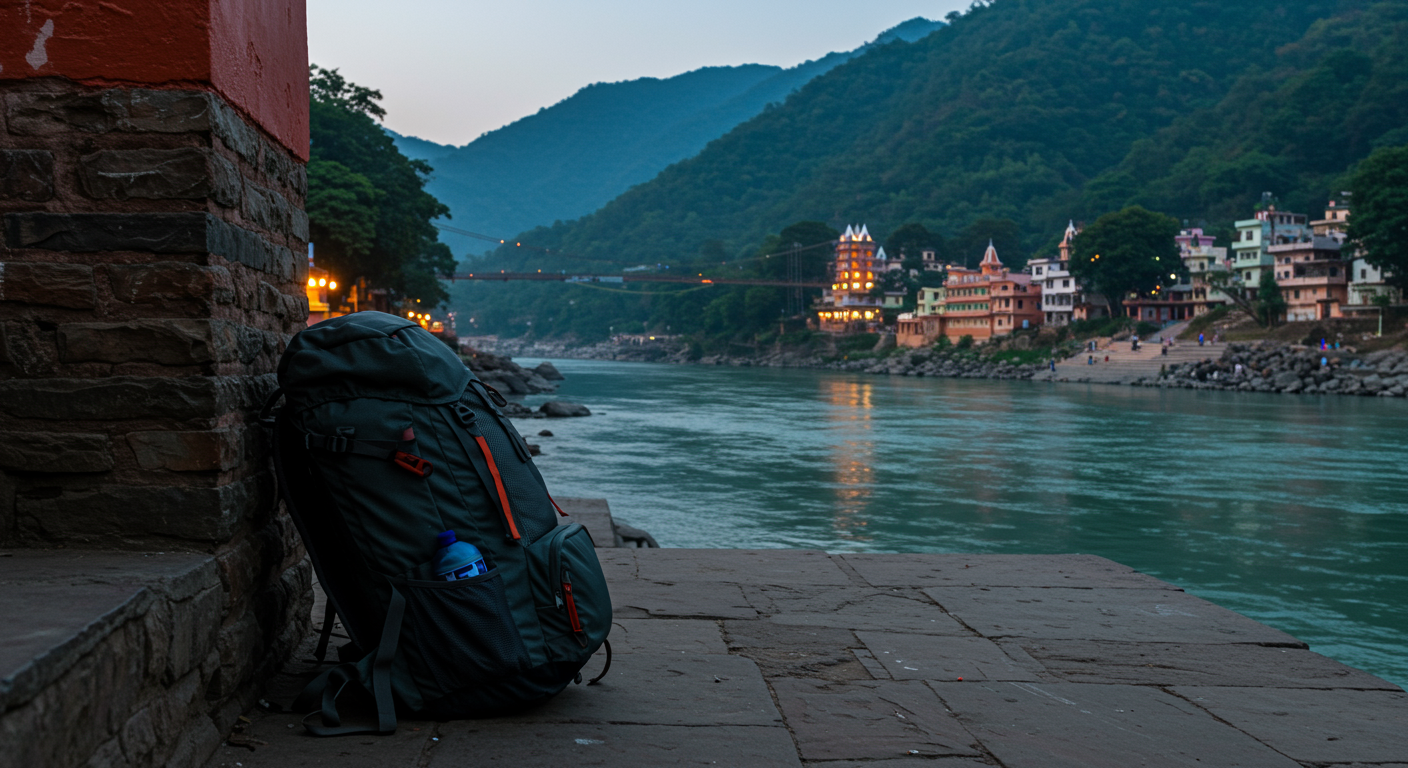
The aroma of incense mingles with the fresh scent of the Ganges, carried on a gentle breeze that whispers tales of ancient sages and thrilling adventures. This is Rishikesh, a place where spirituality meets adrenaline, and every corner offers a new discovery. As an experienced traveler, I’ve seen many destinations, but few hold the unique blend of peace and excitement quite like this “Yoga Capital of the World.” If you’re planning a trip, understanding the myriad of things to do in Rishikesh is your first step towards an unforgettable experience.
Many travelers don’t realize the dual personality of this sacred town – one moment you’re meditating by the river, the next you’re navigating exhilarating rapids. This guide is crafted to answer all your practical questions, offering insider tips and detailed advice to ensure your journey is not just a visit, but a truly transformative adventure. We’ll delve into the must-see sights, the hidden gems, and the practicalities of making the most of your time here, ensuring you experience the very best things to do in Rishikesh in Rishikesh, whether you seek spiritual solace or an adrenaline rush.
Exploring the Spiritual & Adventurous Heart of Rishikesh
Rishikesh, nestled in the Himalayan foothills beside the holy Ganges River, offers a unique blend of spiritual enlightenment and thrilling adventure. It’s a destination that caters to diverse interests, making it a truly versatile travel spot. From serene yoga retreats to heart-pumping white-water rafting, the array of experiences available here is vast. Understanding what makes each activity special is key to planning your perfect itinerary.
Iconic Experiences: What to Expect
When you first arrive, the iconic suspension bridges, Laxman Jhula and Ram Jhula, immediately capture your attention. These architectural marvels not only connect the two main sides of the town but also offer breathtaking views of the Ganges and the surrounding ashrams. Walking across them, alongside pilgrims, sadhus, and monkeys, is an experience in itself. Just a short distance from these bridges, you’ll find the Triveni Ghat, the most sacred bathing ghat in Rishikesh. Every evening, as dusk settles, the Ganga Aarti ceremony here is a spectacle of devotion, with lamps floated on the river, prayers chanted, and bells ringing. It’s a profound spiritual experience that draws crowds, and witnessing it is one of the essential things to do in Rishikesh in Rishikesh. The sight of hundreds of flickering lamps dancing on the dark waters is truly mesmerizing and provides a deep sense of peace.
For those seeking spiritual elevation combined with stunning natural beauty, a visit to the Neelkanth Mahadev Temple is highly recommended. Situated at an altitude of 1330 meters, this ancient temple dedicated to Lord Shiva is a pilgrimage site with panoramic valley views. The drive or trek to the temple is as rewarding as the destination itself, offering glimpses of dense forests and the winding Ganges below. Beyond spirituality, Rishikesh is world-renowned for its adventure sports. White-water rafting on the Ganges is a prime attraction, offering varying grades of rapids suitable for both beginners and experienced rafters. Bungee jumping, cliff jumping, and trekking are also popular, providing an exhilarating contrast to the town’s tranquil side. These activities contribute significantly to the appeal of Rishikesh as a holistic travel destination.
You might also be interested in: Read more about: Capture BUCKETLISTT 12KM Whitewater Raft…
Who Is It Best For: Tailoring Your Rishikesh Adventure
Rishikesh truly has something for everyone. For the spiritual seeker, the numerous ashrams offer yoga, meditation, and philosophy classes, providing a peaceful environment for introspection and learning. Places like Parmarth Niketan and Sivananda Ashram are prominent centers for spiritual practice. If you’re a yoga enthusiast, you’ll find classes ranging from beginner to advanced, often with stunning river views. The tranquil atmosphere and the spiritual energy make it an ideal place to deepen your practice. For adventure lovers, the rapids of the Ganges offer an unparalleled thrill. The varying sections of the river provide options for different skill levels, ensuring a safe yet exciting experience. Families can enjoy gentle river excursions, temple visits, and exploring the bustling markets. Solo travelers will find a welcoming community in the ashrams and cafes, fostering connections with like-minded individuals from around the globe. Even budget travelers will find Rishikesh accommodating, with affordable guesthouses and eateries. Ultimately, if you’re looking for a destination that rejuvenates the mind, body, and spirit while offering a dash of excitement, Rishikesh is the perfect fit. It’s truly among the best things to do in Rishikesh in Rishikesh for a diverse range of visitors.
Your Practical Guide: How to Experience Rishikesh
Planning a trip to Rishikesh involves more than just picking dates; it’s about understanding the logistics to maximize your experience. From getting there to navigating the town and staying safe, a little preparation goes a long way. This section provides a step-by-step guide to ensure your Rishikesh adventure is seamless and enjoyable.
Getting There & Getting Around
Rishikesh is well-connected and accessible. The nearest airport is Jolly Grant Airport (DED) in Dehradun, approximately 35 km away. From the airport, you can easily hire a taxi, which typically costs between INR 800-1200, or take a shared auto-rickshaw to Rishikesh. The nearest major railway station is Haridwar (25 km away), which is well-connected to major Indian cities. From Haridwar, local buses or auto-rickshaws are readily available, costing around INR 100-300. For those traveling by road, Rishikesh is about a 6-7 hour drive from Delhi, with various bus services and private taxis available. Once in Rishikesh, getting around is fairly easy. The main areas around Laxman Jhula and Ram Jhula are best explored on foot, allowing you to soak in the atmosphere. For longer distances, shared auto-rickshaws (Vikrams) are a common and affordable option, with fares typically ranging from INR 10-50 depending on the distance. Taxis can also be hired for day trips or specific routes. Remember to negotiate fares before starting your journey, especially with private taxis.
Expert Tip: While walking across the bridges, be mindful of the playful monkeys. They are often attracted to food or shiny objects. Keep your belongings secure and avoid carrying food openly.
You might also be interested in: Read more about: Experience Extreme Thrills: Paragliding …
Preparation, Costs & Safety Notes
Before you go, packing wisely is crucial. Depending on the season, light cotton clothing is suitable for summers (April-June), while layers and warm clothes are essential for winters (October-March). Comfortable walking shoes are a must, especially if you plan to explore the ghats and ashrams. If you’re participating in adventure sports, quick-dry clothing and swimwear are advisable. Sunscreen, insect repellent, and a basic first-aid kit are also recommended. For adventure activities like rafting, it’s best to book through reputable operators. You’ll find many rafting experts in Rishikesh, but always check reviews and ensure they prioritize safety with certified guides and proper equipment. A typical 16km rafting trip costs around INR 800-1500 per person and takes about 2-3 hours on the river. Bungee jumping, a more extreme adventure, can cost around INR 3500-4500. Yoga and meditation classes vary widely, from free sessions at some ashrams to INR 300-500 per session at private studios. Accommodation can range from INR 500 for a budget guesthouse to INR 5000+ for a luxury resort. Always carry some cash, as smaller shops and eateries may not accept cards. Safety is paramount; be aware of your surroundings, especially at night, and avoid venturing into secluded areas alone. Stay hydrated, especially during warmer months, and respect local customs and traditions.
- Essential Packing Checklist:
- Comfortable walking shoes
- Light, modest clothing (layers for evenings)
- Sunscreen and hat
- Insect repellent
- Basic first-aid kit
- Reusable water bottle
- Small backpack for day trips
- Average Costs (per person, per day, 2026 estimates):
- Budget Traveler: INR 1500-2500 (guesthouse, local food, basic activities)
- Mid-Range Traveler: INR 3000-5000 (mid-range hotel, varied food, 1-2 adventure activities)
- Luxury Traveler: INR 6000+ (boutique hotel, fine dining, multiple activities)
Insider Tips & Best Practices for Your Rishikesh Visit
Beyond the well-trodden paths, Rishikesh holds numerous secrets that can elevate your travel experience from good to extraordinary. These insider tips, gleaned from years of exploring the region, will help you navigate the nuances and discover the true essence of this enchanting town.
Timing Your Visit & Underrated Gems
The best time to visit Rishikesh is from October to March. During these months, the weather is pleasantly cool and dry, perfect for outdoor activities like rafting, trekking, and temple visits. The monsoon season (July-September) brings heavy rainfall, making adventure sports risky and sometimes disrupting travel plans, though the lush green landscapes are undeniably beautiful. Summers (April-June) can be intensely hot, with temperatures soaring, making daytime exploration challenging. To truly experience the spiritual vibe, try to coincide your visit with a major festival like Diwali or Shivratri, when the town comes alive with vibrant celebrations and special Ganga Aarti ceremonies. For those looking to escape the main tourist bustle, explore some of Rishikesh’s underrated gems. Rishikund, a sacred ancient pond near the Raghunath Temple, offers a tranquil retreat. It’s known for its clear waters reflecting the nearby Shani temple, providing a serene spot for quiet contemplation away from the crowds. Another hidden treasure is the Phool Chatti Ashram Area. This quiet stretch of riverbanks and trails, a little further upstream from the main bridges, is perfect for nature walks, bird watching, and finding a secluded spot by the Ganges for meditation. These areas offer a different perspective of Rishikesh, allowing for a more introspective and peaceful experience.
Maximizing Your Experience: What to Avoid & Local Insights
To make the most of your trip, consider a few local insights. While haggling is common in local markets, do so respectfully and with a smile. Many small shops offer unique handicrafts and spiritual items, and supporting them contributes directly to the local economy. When visiting temples and ashrams, always dress modestly, covering your shoulders and knees, as a sign of respect. Photography is often permitted, but always ask for permission before taking pictures of people, especially sadhus or during religious ceremonies. A genuine local tip I’ve learned over the years is to wake up early at least once to witness the sunrise over the Ganges. The quietude, the soft light, and the morning rituals performed by locals offer a profound sense of connection to the place that few tourists experience. Avoid eating at unhygienic roadside stalls; while tempting, opting for clean restaurants or cafes is advisable to prevent stomach issues. Be cautious of unsolicited guides or touts, especially around major tourist spots. It’s always better to book tours or activities through established and top-rated in Rishikesh agencies. Also, remember that alcohol and non-vegetarian food are generally prohibited in Rishikesh due to its holy status, so respect these local customs. Exploring the small, winding lanes behind the main market areas can also lead you to charming cafes and artisan shops that offer some of the best quality in Rishikesh products.
You might also be interested in: Explore Rishikesh Adventures on Bucketlistt
For a truly immersive experience, consider spending a few days at an ashram. Many offer programs that include daily yoga, meditation, and sattvic meals, providing a deep dive into the spiritual traditions. This can be a profound way to understand the local culture and connect with the spiritual energy of the town. Don’t forget to try the local cuisine, especially the fresh fruit juices and traditional Indian thalis, which are both delicious and affordable.
Another valuable piece of advice is to be flexible with your itinerary. While planning is good, Rishikesh often surprises you with unexpected opportunities – a spontaneous satsang (spiritual gathering), a chance encounter with a yogi, or discovering a hidden waterfall. Embracing these moments can lead to the most memorable parts of your journey. Many of the things to do in Rishikesh are about being present and open to new experiences.
Remember that Rishikesh is a place of natural beauty. Do your part to keep it clean by disposing of waste properly and avoiding plastic. The locals take immense pride in their sacred river and surroundings, and as visitors, we should too. The collective effort ensures that the pristine environment and spiritual sanctity of this incredible destination are preserved for future generations to enjoy. Whether you’re seeking adventure or inner peace, these practices will help you forge a deeper connection with this special place.
Rishikesh is one of those rare destinations that genuinely delivers on its reputation — whether you come for the adrenaline, the spirituality, or simply to sit by the Ganga and think. This guide covered best things to do in rishikesh in rishikesh, things to do in rishikesh, things to do in rishikesh in rishikesh, giving you the practical knowledge to plan a memorable visit. If you want a curated list of verified operators and activity packages, you can browse options on Bucketlistt.
Frequently Asked Questions about Things to Do in Rishikesh
What are the absolute must-do things in Rishikesh for a first-timer?
For a first-timer, witnessing the Ganga Aarti at Triveni Ghat, walking across Laxman Jhula and Ram Jhula, and experiencing white-water rafting on the Ganges are absolute musts. Exploring an ashram for yoga or meditation also offers a quintessential Rishikesh experience.
Is Rishikesh safe for solo female travelers?
Rishikesh is generally considered safe for solo female travelers, especially in the main tourist areas. It’s advisable to dress modestly, avoid walking alone in secluded areas at night, and book accommodations and activities through reputable providers. Trust your instincts and be aware of your surroundings.
What is the best time of year to visit Rishikesh for adventure activities?
The best time for adventure activities like rafting and trekking in Rishikesh is from October to March. The weather is pleasant and the river levels are ideal for rafting. Monsoon season (July-September) is generally avoided due to high water levels and safety concerns.
Are there any specific cultural etiquettes to be aware of in Rishikesh?
Yes, Rishikesh is a holy city. Dress modestly, covering shoulders and knees, especially when visiting temples or ashrams. Remove your shoes before entering religious sites. Alcohol and non-vegetarian food are generally prohibited, so be respectful of these local customs.
How much budget should I allocate for things to do in Rishikesh?
A moderate budget for things to do in Rishikesh could range from INR 2500-5000 per person per day, including mid-range accommodation, meals, and one or two adventure activities like rafting. Budget travelers can manage with less, while luxury options are also available.
Can I do yoga and meditation in Rishikesh without staying at an ashram?
Absolutely. Many yoga studios and meditation centers across Rishikesh offer drop-in classes and workshops. You can easily find sessions tailored to various styles and experience levels without committing to a full ashram stay. Look for highly-rated local instructors.
What are some unique things to do in Rishikesh beyond the usual tourist spots?
Beyond the main attractions, explore the serene Rishikund pond for quiet contemplation or hike the trails around the Phool Chatti Ashram Area for nature walks. Visiting the Beatles Ashram (Maharishi Mahesh Yogi Ashram) offers a unique historical and artistic experience.
How do I choose a reliable rafting operator in Rishikesh?
When choosing a rafting operator, prioritize safety. Look for companies with certified guides, proper safety equipment (helmets, life jackets), and positive customer reviews. Avoid extremely cheap deals, as they might compromise on safety standards. Ask about their safety protocols before booking.