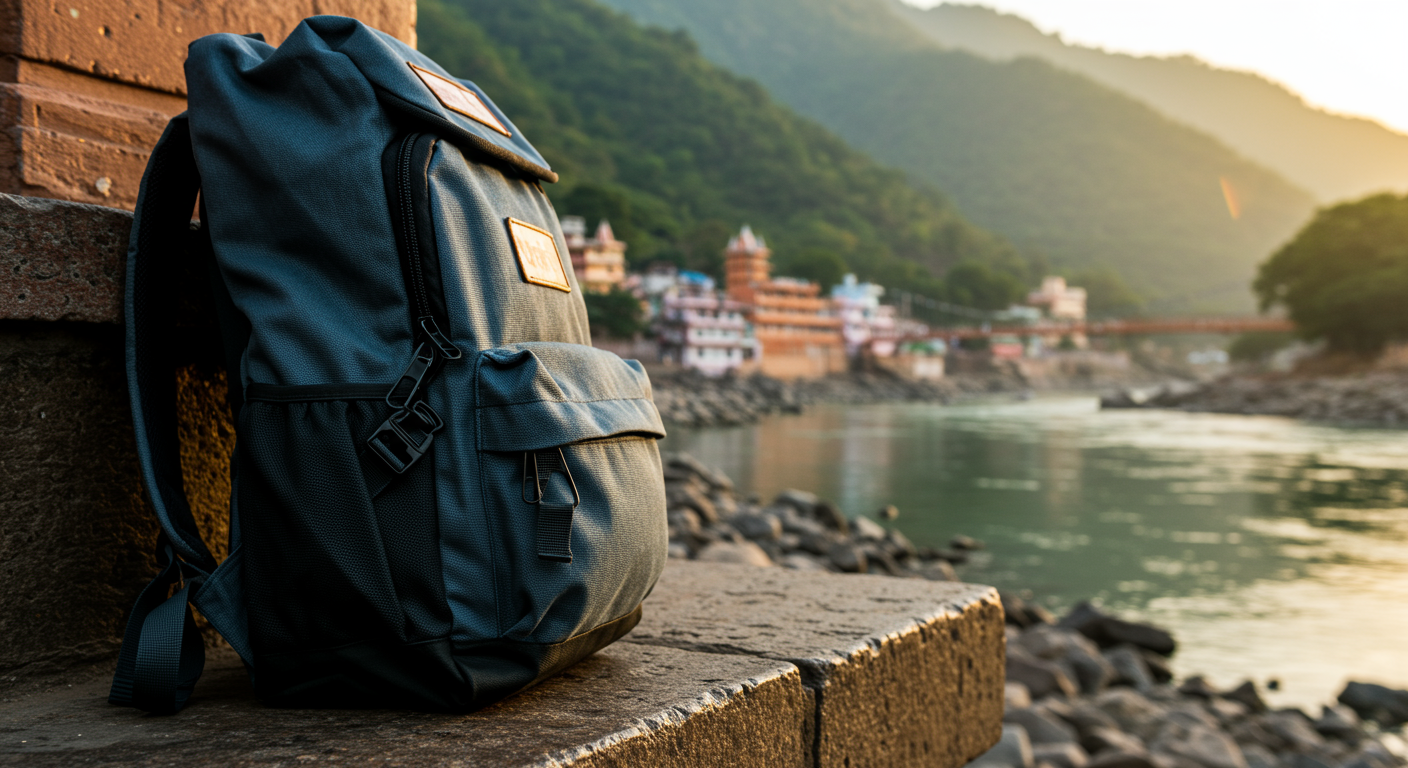
The first thing that hits you is the sound—a symphony of distant temple bells, the rhythmic chants of a riverside puja, and the constant, soothing rush of the holy Ganges. As a travel writer who has explored countless corners of the globe, I can tell you that few places engage the senses like this. My comprehensive guide to the adventure capital travel tips & planning is born from years of experience, designed to give you a systematic framework for navigating this incredible town. This is more than just a destination; it’s a transformative experience, and with the right preparation, you can unlock its profound magic without the common logistical headaches.
Whether you’re drawn by the promise of spiritual awakening or the thrill of white-water rapids, a successful trip here hinges on smart preparation. This guide will move beyond the surface-level advice, offering you a deep, actionable systems approach to your journey. We will cover everything from the granular details of seasonal timing to the nuances of local etiquette, ensuring you arrive prepared, confident, and ready to embrace everything this Himalayan foothills town has to offer.
Laying the Foundation: When to Go & What to Expect
The first step in any successful travel system is timing. The character of this town shifts dramatically with the seasons, and choosing when to visit will define your entire experience. It’s a place of dualities—serene and chaotic, spiritual and adventurous—and understanding this from the outset is key to a fulfilling trip. This is where your core the adventure capital travel tips & planning begins.
Decoding the Best Time to Visit
I’ve seen the town in the crisp air of winter and the humid haze of monsoon, and each season offers a different version of itself. Your ideal travel window depends entirely on your goals. Let’s break it down:
- Autumn to Spring (October – April): This is the peak tourist season for a reason. The weather is sublime—sunny, pleasant days and cool nights. It’s the perfect time for all activities, from yoga retreats and temple hopping to trekking and camping. This is the best window for first-time visitors.
- Summer (May – June): Temperatures rise significantly, making midday explorations uncomfortable for some. However, this is the prime season for white-water rafting as the snowmelt from the Himalayas swells the Ganges. It’s a vibrant time, but be prepared for the heat.
- Monsoon (July – September): Heavy rains can cause landslides and the Ganges runs high and murky, halting most water sports. While the landscape becomes incredibly lush and green, travel can be disrupted. This season is best for those seeking solitude for meditation or an indoor yoga course, as crowds are minimal.
Understanding the Vibe: Spiritual Hub vs. Adventure Playground
Many visitors arrive thinking this is solely a place for quiet contemplation, only to be surprised by the buzzing energy around the main bridge areas. The town is famously known as the yoga capital of the world, attracting seekers and yogis to its hundreds of ashrams and schools, like the renowned Parmarth Niketan. The areas around Ram Jhula and the quieter ashram-lined paths exude a palpable spiritual energy, especially during the morning and evening aarti (fire ceremony).
Conversely, it’s also a premier adventure hub on the Ganges. The riverbanks are dotted with rafting companies, and the surrounding hills offer trekking, bungee jumping, and cliff diving. The key is knowing where to find your preferred vibe. The Laxman Jhula area is generally more bustling with cafes and backpacker-focused businesses, while the area across Ram Jhula and further upriver toward the Phool Chatti Ashram Area offers a more tranquil, traditional atmosphere.
You might also be interested in: Read more about: Experience the Ultimate Thrill: Your Gui…
Core Logistics: Getting There & Getting Around
🌊 Book River Rafting in the adventure capital
Experience the thrill of white-water rafting with certified guides and a 100% safety record. Choose from 9km to 36km routes — instant confirmation guaranteed!
A journey to the foothills of the Himalayas requires a solid logistical plan. While getting here has become easier over the years, navigating the final leg of the journey and the town itself requires some insider knowledge. This section provides the best the adventure capital travel tips & planning for a smooth arrival and easy exploration.
Your Arrival Strategy: Flights, Trains, and Roads
Your journey will most likely begin from a major hub like Delhi. You have three primary options, each with its own trade-offs in terms of time, cost, and comfort. Planning this part of your trip correctly is a cornerstone of effective travel management.
The most efficient route is flying into Dehradun’s Jolly Grant Airport (DED), located just 20 kilometers away. From the airport, a pre-paid taxi to the Tapovan or Laxman Jhula area will take about 45-60 minutes. Alternatively, taking a train to Haridwar (HW), about 25 kilometers away, is a classic and budget-friendly Indian travel experience. From Haridwar, you can easily find buses or taxis for the final hour-long journey. For the most adventurous or budget-conscious, overnight buses from Delhi are plentiful, though comfort levels can vary widely.
Navigating the Town: From Scootys to Shared Autos
Once you arrive, you’ll find that the main tourist areas are highly walkable. The iconic suspension bridges, Laxman Jhula & Ram Jhula, are pedestrian-only and serve as the main arteries connecting the two sides of the river. For longer distances, you have several options:
- Renting a Scooter: A popular choice for freedom and flexibility, but only recommended for experienced riders. The roads can be narrow, winding, and chaotic.
- Shared Autos (Vikrams): These blue or green three-wheelers operate on fixed routes and are the most common form of local public transport. They are incredibly cheap but can be crowded.
- Private Auto-Rickshaws: Easily available for point-to-point travel. Always agree on the fare before you get in to avoid being overcharged.
- Walking: The best way to soak in the atmosphere. A walk from Ram Jhula to Laxman Jhula along the river path is an essential experience in itself.
–
Curating Your Experience: Must-Dos and Hidden Gems
With your logistics handled, it’s time to build your itinerary. A great trip balances the iconic landmarks with unique, off-the-beaten-path discoveries. This approach allows you to connect with both the famous energy of the town and its quieter, more contemplative soul. This is where you truly immerse yourself in the spiritual heart of Uttarakhand.
You might also be interested in: Read more about: Your Essential Guide to the adventure capital Travel…
The Essential Itinerary
For any first-time visitor, there are a few non-negotiable experiences that form the backbone of a classic trip. Start with these to get a true sense of place. I highly recommend attending the Ganga Aarti at Triveni Ghat. While the ceremony at Parmarth Niketan is more famous with tourists, the one at Triveni Ghat feels more local and deeply traditional. It’s a powerful spectacle of fire, chants, and devotion as thousands of floating diyas (oil lamps) are released onto the river.
Of course, you must walk across the swaying spans of both Laxman Jhula and Ram Jhula, taking in the panoramic views of the temples and ghats lining the river. A visit to an ashram is also essential; Parmarth Niketan is the largest and most accessible, offering a glimpse into ashram life and hosting the famous evening aarti. Finally, don’t miss the Beatles Ashram (officially Maharishi Mahesh Yogi Ashram), an atmospheric, graffiti-covered ruin that offers a quirky slice of 1960s history.
Beyond the Beaten Path: Discovering Local Secrets
To truly know a place, you must venture beyond the postcards. One of my favorite escapes is Vashishta Gufa (Cave), located about an hour’s drive upriver. This ancient, serene cave is where the great sage Vashishta is said to have meditated. The profound silence inside is a stark contrast to the town’s bustle. The journey itself, along a scenic road hugging the Ganges, is part of the magic.
For those seeking tranquility closer to town, explore the trails around the Phool Chatti Ashram Area. This stretch of the river is much quieter than the main ghats, offering peaceful spots to sit by the water, meditate, or simply watch the world go by. It’s here that you can feel why this region has long been considered the gateway to the Garhwal Himalayas, a place of profound natural beauty and spiritual power.
Practicalities & Pro-Tips for a Flawless Trip
Mastering the practical details is what elevates a good trip to a great one. This final section contains some of the best the adventure capital travel tips & planning advice I can offer, focusing on safety, cultural respect, and health. These are the small things that make a huge difference.
You might also be interested in: Explore Rishikesh Adventures on Rishikesh-places
What to Pack and How to Dress Respectfully
This is a holy town, and dressing modestly is a sign of respect that will be deeply appreciated by locals. For both men and women, this means keeping shoulders and knees covered. Loose, breathable clothing like cotton pants, long skirts, and tunics are perfect. A shawl or scarf is an incredibly versatile item—useful for covering your head when entering a temple, adding a layer of warmth in the evening, or protecting you from the sun. Sturdy, comfortable walking shoes are an absolute must, as you’ll be on your feet a lot.
Safety, Scams, and Staying Healthy
While generally a safe destination, it pays to be vigilant. Solo female travelers should exercise standard precautions, such as avoiding walking alone in isolated areas after dark. Be wary of common scams, such as overly friendly “sadhus” (holy men) who perform a quick blessing and then demand a large donation. A firm but polite “no, thank you” is usually sufficient.
Expert Tip: Only drink bottled or filtered water. Avoid tap water, even for brushing your teeth, if you have a sensitive stomach. Street food can be delicious, but stick to busy stalls where the food is cooked fresh in front of you.
Following these health and safety protocols is crucial for a worry-free journey. Integrating these practices represents the best rishikesh travel tips & planning you can implement to ensure your focus remains on the incredible experiences available, not on avoidable problems.
Rishikesh is one of those rare destinations that genuinely delivers on its reputation — whether you come for the adrenaline, the spirituality, or simply to sit by the Ganga and think. This guide covered best rishikesh travel tips & planning, rishikesh travel tips & planning, giving you the practical knowledge to plan a memorable visit. If you want a curated list of verified operators and activity packages, you can browse options on Bucketlistt.
Our travel portal addresses key search topics such as: rishikesh travel tips & planning, best rishikesh travel tips & planning, rishikesh travel tips & planning, best rishikesh travel tips & planning, rishikesh travel tips & planning, best rishikesh travel tips & planning, rishikesh travel tips & planning, best rishikesh travel tips & planning, rishikesh travel tips & planning, best rishikesh travel tips & planning to make your vacation planning seamless.
Frequently Asked Questions about Rishikesh Travel Tips & Planning
How many days are enough for Rishikesh?
For a balanced experience, 3 to 4 days are ideal. This allows you enough time to see the main sights like Laxman Jhula and Triveni Ghat, attend a Ganga Aarti, try an adventure sport, and explore a quieter area without feeling rushed.
What is the best month to visit Rishikesh?
The best months are from October to April. During this period, the weather is pleasant and ideal for all activities, including sightseeing, yoga, and trekking. March and April are particularly beautiful as the weather is warm but not yet hot.
Is Rishikesh safe for solo female travellers?
Yes, it is generally considered safe for solo female travellers, especially in the main tourist areas. However, it’s important to practice standard safety precautions, such as dressing modestly, avoiding isolated areas at night, and being aware of your surroundings.
What should I wear in Rishikesh?
Modest clothing is recommended out of respect for the local culture. Loose-fitting pants, long skirts, and tops that cover the shoulders are appropriate. A scarf or shawl is also a very useful accessory for visiting temples or for cooler evenings.
Can you drink tap water there?
No, it is strongly advised not to drink the tap water. Always stick to sealed bottled water or water that has been properly filtered or purified. Use bottled water for brushing your teeth as well if you have a sensitive stomach.
How much does a trip to Rishikesh cost?
The cost can vary greatly. A budget backpacker might spend ₹1500-₹2000 per day, while a mid-range traveler could spend ₹3000-₹5000 per day for better accommodation and meals. Luxury options are also available and will cost significantly more.
What is the best way to get from Delhi to Rishikesh?
The fastest way is to fly to Dehradun’s Jolly Grant Airport (DED) and take a 45-minute taxi. A more budget-friendly option is taking a train to Haridwar and then a bus or taxi. Overnight buses from Delhi are also a popular and economical choice.
Is alcohol available in the town?
No, as a holy city, Rishikesh is officially a dry town. The sale and public consumption of alcohol are prohibited. Similarly, non-vegetarian food is not widely available in the main pilgrimage areas.
Conclusion: Your Journey Awaits
By applying a systematic approach to your rishikesh travel tips & planning, you transform a potentially overwhelming trip into a seamless and deeply rewarding adventure. Remember the key takeaways: align your visit with the right season for your goals, balance the iconic sights with quiet exploration, and always prioritize cultural respect and personal safety. This town is a place of immense power and beauty, a destination that stays with you long after you’ve left its sacred shores. Armed with this expert knowledge, you are now ready to plan your own unforgettable journey into the heart of the Himalayas.