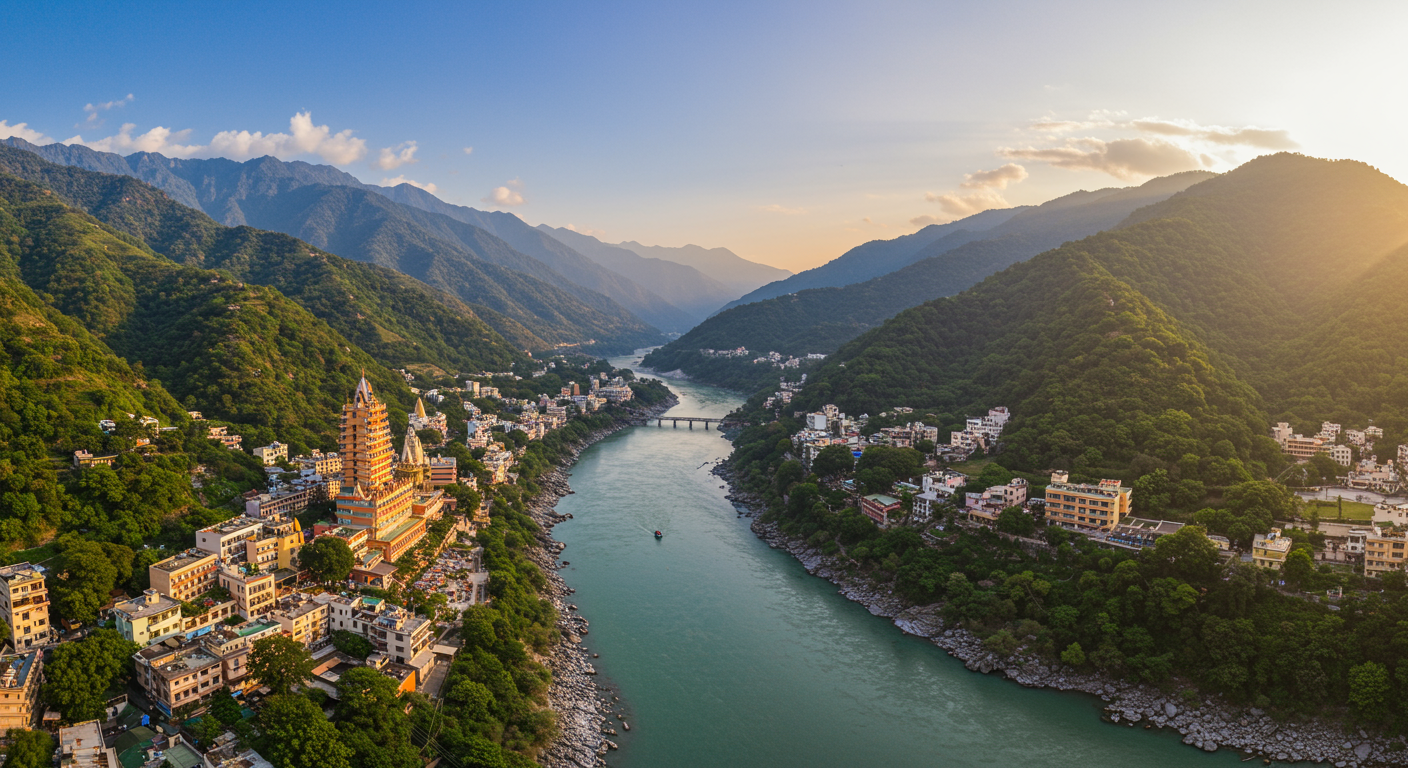
The sound of the Ganges changes after dark in Rishikesh, transforming from a gentle murmur to a powerful, ancient song that echoes through the valley. Most travelers don’t realize that Rishikesh, nestled in the foothills of the Himalayas in Uttarakhand, has two completely different personalities: the bustling spiritual hub around the iconic bridges and the serene, wilder side waiting just beyond. As someone who has spent significant time exploring every corner of this incredible destination, I’m here to share the essential Rishikesh travel tips & planning you’ll need to make your 2026 trip truly special. Forget generic guides; this is about maximizing your experience, whether you’re seeking spiritual solace, adventure, or simply a tranquil escape.
Planning a trip to this spiritual haven requires more than just booking a ticket. You need insider knowledge to navigate its unique charm, from understanding local customs to finding the best Rishikesh travel tips & planning in Rishikesh. This comprehensive guide will answer all your practical questions, ensuring you’re well-prepared for an enriching journey. We’ll cover everything from the must-see attractions to the underrated gems, helping you craft an itinerary that suits your desires. Get ready to discover the magic of Rishikesh, the Yoga Capital of the World, with confidence and clarity.
Embracing the Spirit of Rishikesh: What Awaits You
Rishikesh is more than just a place; it’s an experience that engages all your senses. The air is thick with the scent of incense, the sounds of temple bells and chanting fill the atmosphere, and the sight of the emerald Ganges flowing gracefully through the mountains is truly captivating. This sacred town, revered by Hindus, serves as a gateway to the Himalayas and a global magnet for yoga and meditation enthusiasts. Understanding its multifaceted appeal is the first step in successful Rishikesh travel tips & planning.
What to Expect: Spirituality, Adventure, and Serenity
Expect a vibrant blend of spiritual devotion and thrilling adventure. On one hand, you have the profound spirituality embodied by countless ashrams, temples, and the mesmerizing Ganga Aarti ceremony held nightly at Parmarth Niketan. Witnessing hundreds of lamps float down the Ganges as hymns fill the air is a profoundly moving experience. On the other hand, Rishikesh is an adventure sports paradise, famous for white-water rafting, bungee jumping, and trekking. The town caters to both the seeker and the thrill-seeker, often within a stone’s throw of each other. The atmosphere is generally laid-back, but don’t underestimate the energy that pulses through its narrow lanes and bustling ghats. Finding the best solutions in Rishikesh for your travel style means balancing these aspects.
You might also be interested in: Read more about: Experience BUCKETLISTT’s 83M Rope Jump T…
A key local detail to note is the prevalence of vegetarianism and alcohol prohibition throughout Rishikesh, reflecting its holy status. Embrace this; it’s part of the authentic experience. You’ll find delicious, healthy, and affordable vegetarian food everywhere, with a typical Thali (a plate with various dishes) costing around INR 150-300 at local eateries. This commitment to a sattvic (pure) lifestyle contributes to the town’s peaceful aura, making it an ideal place for reflection and rejuvenation. These are crucial Rishikesh travel tips & planning in Rishikesh to keep in mind.
Who Is Rishikesh Best For?
Rishikesh is ideally suited for a diverse range of travelers. It’s perfect for solo backpackers seeking spiritual growth or adventure, couples looking for a romantic and meaningful getaway, and families interested in cultural immersion and mild outdoor activities. Yoga practitioners, meditation enthusiasts, and those simply looking to de-stress will find the numerous ashrams and wellness centers incredibly appealing. Even if you’re not deeply spiritual, the sheer beauty of the landscape and the vibrant local culture offer immense value. If you’re an adventure junkie, the rapids of the Ganges provide an exhilarating playground. The best Rishikesh travel tips & planning often involves customizing your trip to align with your personal interests, ensuring every traveler finds their niche in this enchanting town.
“Rishikesh isn’t just a destination; it’s a journey for the soul. Allow yourself to be open to its rhythm, and it will reveal its deepest secrets.” – An experienced traveler’s insight.
Navigating Rishikesh: Your Practical Step-by-Step Guide for 2026
Effective Rishikesh travel tips & planning involves careful consideration of logistics, ensuring a smooth and enjoyable trip. From how to get there to what to pack, here’s your practical guide to navigating the Yoga Capital.
You might also be interested in: Read more about: Rishikesh’s Ultimate Adventure: Beyond t…
Getting There and Around Rishikesh
Reaching Rishikesh is relatively straightforward. The nearest airport is Jolly Grant Airport (DED) in Dehradun, approximately 35 km away. From there, you can easily hire a pre-paid taxi for around INR 1000-1500 to Rishikesh. The nearest major railway station is Haridwar, about 25 km away, offering good connectivity to major Indian cities. Buses are also a popular and economical option, with frequent services from Delhi and other North Indian cities. Once in Rishikesh, local transport includes auto-rickshaws, shared taxis, and walking. The areas around Laxman Jhula and Ram Jhula are best explored on foot, allowing you to soak in the atmosphere and discover hidden cafes.
- By Air: Fly to Jolly Grant Airport (DED), then taxi to Rishikesh (approx. 1 hour).
- By Train: Take a train to Haridwar Junction (HW), then a taxi or auto-rickshaw (approx. 45 minutes).
- By Bus: Overnight luxury buses from Delhi (ISBT Kashmiri Gate) are comfortable and affordable (INR 500-1000).
- Local Commute: Walk, hire auto-rickshaws (negotiate fares), or use shared jeeps for longer distances.
For those seeking the best Rishikesh travel tips & planning in Rishikesh regarding transport, consider booking a private car for day trips to nearby attractions like the Neelkanth Mahadev Temple. This offers flexibility and comfort, especially when traveling with family or carrying luggage.
What to Pack, Wear, and Stay Safe
Packing smart is essential for any trip to Rishikesh. Given its spiritual nature, modest clothing is advisable, especially when visiting temples and ashrams. Lightweight cotton clothing is perfect for the warm months, while layers are crucial for the cooler evenings and winter months (October to March). Good walking shoes are a must, as you’ll be doing a lot of exploring on foot. Don’t forget swimwear if you plan to dip in the Ganges (at designated bathing ghats, not just anywhere), and a light shawl or scarf for women to cover shoulders when entering religious sites.
You might also be interested in: Visit Our Website
Safety Notes: Rishikesh is generally safe, but common sense prevails. Keep an eye on your belongings, especially in crowded areas. Avoid walking alone in secluded areas after dark. Be wary of overly friendly strangers offering
Planning Your Visit to Rishikesh
Rishikesh rewards travellers who plan ahead. The best experiences — whether a dawn yoga session by the Ganges, white-water rafting on grade IV rapids, or an evening Ganga Aarti at Triveni Ghat — often require booking a day or two in advance during peak season (October–November and March–May). Arriving with a flexible itinerary and an open mind is the best way to make the most of what Rishikesh offers.
Rishikesh is one of those rare destinations that genuinely delivers on its reputation — whether you come for the adrenaline, the spirituality, or simply to sit by the Ganga and think. This guide covered best rishikesh travel tips & planning in rishikesh, rishikesh travel tips & planning, rishikesh travel tips & planning in rishikesh, giving you the practical knowledge to plan a memorable visit. If you want a curated list of verified operators and activity packages, you can browse options on Bucketlistt.
Frequently Asked Questions
What is the best time to visit Rishikesh for adventure activities?
The best time to visit Rishikesh for adventure sports is October to November and February to May. The weather is clear, the Ganges water level is ideal for rafting, and most outdoor operators are fully active. Avoid the July–September monsoon season when heavy rainfall suspends many river and outdoor activities.
How do I get from Rishikesh to the bungee jump or rafting starting point?
Most adventure activity start points are 15–30 km from Rishikesh town. Auto-rickshaws and shared taxis are available from Laxman Jhula and Ram Jhula areas. Many operators offer free or low-cost pickup from a central meeting point in Rishikesh — confirm this when booking. The drive through the Himalayan foothills is itself a scenic experience worth savouring.
What should I wear and bring for adventure activities in Rishikesh?
Wear comfortable, athletic clothing that you don’t mind getting wet. Closed-toe shoes (trainers or sandals with straps) are essential for rafting and trekking. Bring a valid photo ID, some cash in INR, a change of clothes, and a small waterproof bag for your phone and valuables. Sunscreen and a water bottle are important for longer activities.
How much does a typical adventure activity cost in Rishikesh?
Costs vary by activity. River rafting typically ranges from INR 600–1,500 depending on the stretch (9 km, 16 km, or 36 km). Bungee jumping from 83 m costs around INR 3,500–4,500. Paragliding tandem flights range from INR 2,500–4,000. Camping packages with meals usually start at INR 1,500–2,500 per person per night. Always confirm what is included before booking.
What are the must-visit places in Rishikesh besides adventure sports?
Beyond the adventure scene, Rishikesh has a rich cultural and spiritual side worth exploring. Triveni Ghat hosts a mesmerising Ganga Aarti ceremony every evening at sunset — free to attend and deeply moving. Laxman Jhula and Ram Jhula suspension bridges are iconic landmarks. The Beatles Ashram (Maharishi Mahesh Yogi’s old meditation campus) is a fascinating abandoned site now open to visitors. Nearby Neelkanth Mahadev Temple is a popular pilgrimage site about 32 km away.
Are there age or weight restrictions for activities in Rishikesh?
Yes — most operators have safety-based restrictions. Bungee jumping typically requires participants to be 12+ years old, weigh between 40–110 kg, and have no history of heart conditions or back problems. Rafting generally accepts ages 14+ on the standard routes. Paragliding requires a weight limit of around 100–110 kg maximum. Always check the specific operator’s requirements when booking.
Is Rishikesh safe for solo travellers?
Yes — Rishikesh is generally considered safe for solo travellers, including solo female travellers. The city is a popular destination with a strong tourist infrastructure, well-lit main roads, and a vibrant community of yoga and adventure seekers. As with any travel, stay aware of your surroundings, book activities through verified operators, and keep your accommodation details handy.