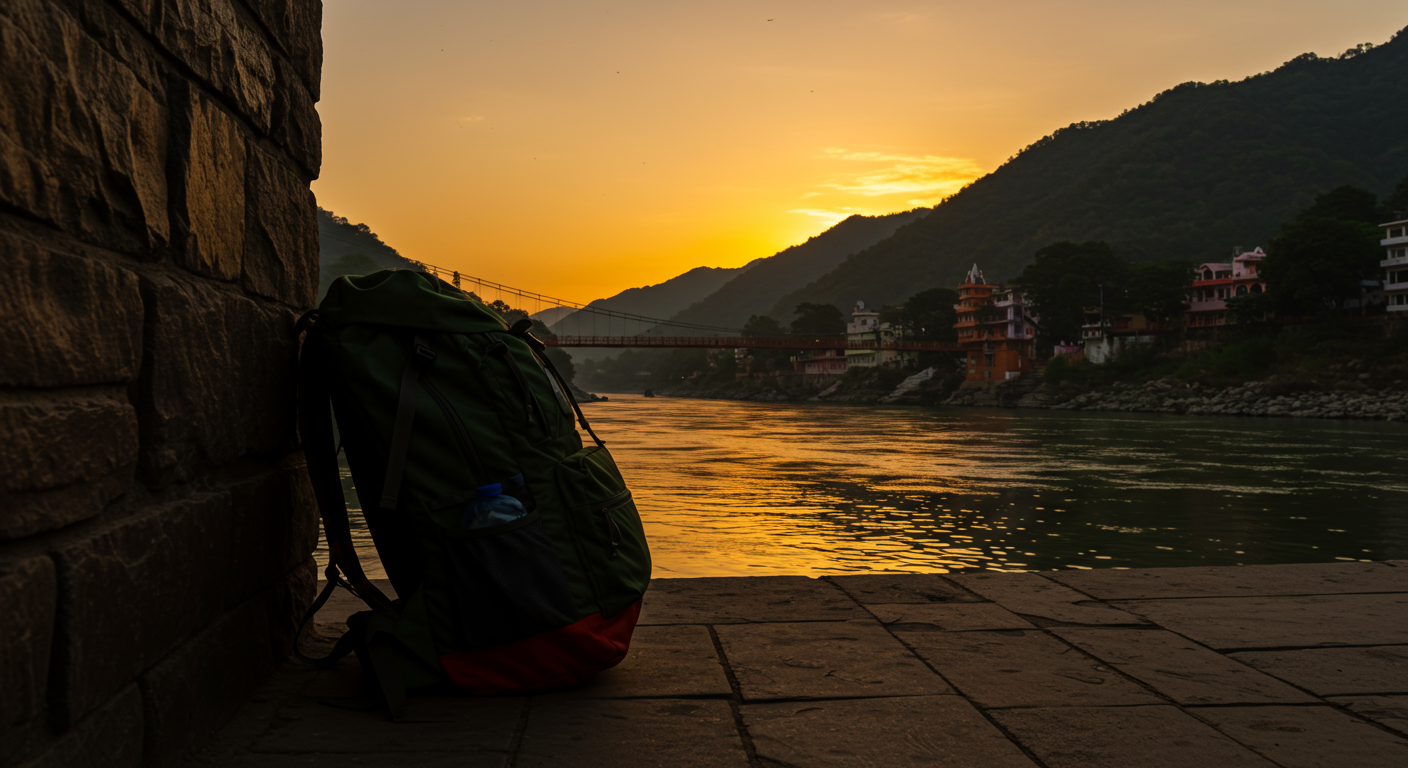
The air in Rishikesh hums with an almost palpable energy, a unique blend of spiritual fervor and adventurous spirit that captivates every visitor. As someone who has navigated its winding streets and serene ghats countless times, I can tell you that successful rishikesh travel tips & planning goes beyond just booking a ticket. It’s about understanding the rhythm of this sacred town, preparing for its diverse offerings, and knowing how to make the most of every moment. This guide is designed to cut through the noise, offering practical, firsthand advice to ensure your 2026 journey is not just a trip, but a truly transformative experience. We’ll delve into everything from the best times to visit and local customs to essential packing lists and how to discover Rishikesh’s hidden gems.
Unveiling the Spiritual Heart: What Makes Rishikesh So Special?
Rishikesh, nestled in the foothills of the Himalayas along the banks of the holy Ganges River, is renowned globally as the “Yoga Capital of the World.” But it’s far more than just yoga studios. It’s a vibrant hub where spirituality, adventure, and natural beauty converge. The town’s unique appeal lies in its ability to offer profound spiritual experiences through its ashrams and temples, exhilarating adventure sports like white-water rafting, and tranquil moments amidst stunning landscapes. Understanding this multifaceted character is key to truly appreciating your time here. For those seeking a deeper connection, the early morning Aarti ceremonies at Parmarth Niketan Ashram offer an unforgettable spectacle, a ritual you won’t find replicated with the same best quality in Rishikesh anywhere else.
What to Expect from Your Rishikesh Experience
When you arrive, expect a sensory feast. The scent of incense mingles with the fresh mountain air, the sound of temple bells and chanting blends with the rush of the Ganges, and vibrant colors adorn every corner. Rishikesh is divided into several areas, each with its own charm. Tapovan and Laxman Jhula are bustling with cafes, yoga centers, and guesthouses, while areas near Ram Jhula tend to be quieter, with more traditional ashrams. You’ll encounter sadhus (holy men), international yoga students, and adventure seekers all coexisting harmoniously. Don’t be surprised to see monkeys freely roaming the streets – they’re an integral part of the local ecosystem. The local currency is the Indian Rupee (INR), and while many larger establishments accept cards, having cash for smaller vendors, auto-rickshaws, and temple donations is always advisable. A typical simple meal at a local eatery might cost around 200-300 INR, demonstrating the town’s affordability.
Who Is Rishikesh Best For?
Rishikesh truly caters to a diverse audience. It’s an ideal destination for:
You might also be interested in: Read more about: Elevating Group & Corporate Adventures i…
- Spiritual Seekers: With countless ashrams, meditation centers, and ancient temples like the Neelkanth Mahadev Temple, it’s a haven for those looking to deepen their spiritual practice or simply find inner peace.
- Yoga Enthusiasts: From beginner classes to advanced teacher training courses, the options are endless. Many renowned yoga schools have made Rishikesh their home.
- Adventure Lovers: The Ganges offers thrilling white-water rafting, kayaking, and cliff jumping. Trekking in the surrounding Shivalik hills and camping are also popular activities.
- Nature Admirers: The lush green valleys, the pristine river, and the Himalayan backdrop provide a breathtaking setting for relaxation and exploration.
- Budget Travelers: Accommodation and food options range from very affordable guesthouses to more luxurious resorts, making it accessible for various budgets.
Whether you’re looking for profound self-discovery or an adrenaline rush, Rishikesh has something unique to offer.
Navigating Your Journey: Practical Rishikesh Travel Tips & Planning in Rishikesh
Embarking on a trip to Rishikesh requires some practical considerations to ensure a smooth and enjoyable experience. From getting there to managing your day-to-day, a little preparation goes a long way. These rishikesh travel tips & planning in rishikesh are designed to equip you with the knowledge you need.
Getting There and Around
Reaching Rishikesh is relatively straightforward. The nearest airport is Jolly Grant Airport (DED) in Dehradun, about 35 kilometers away. From the airport, you can hire a pre-paid taxi (approx. 1000-1500 INR) or take a shared auto-rickshaw to Rishikesh. The nearest major railway station is Haridwar (25 km away), which is well-connected to major Indian cities. From Haridwar, taxis and local buses are readily available. If traveling by bus, direct services connect Rishikesh to Delhi and other northern cities. Once in Rishikesh, getting around is easy on foot, especially in the main tourist areas around Laxman Jhula and Ram Jhula. Auto-rickshaws are plentiful for longer distances, and shared autos are a very economical option. Always agree on a fare before starting your journey.
Essential Packing and Safety Notes
Packing smart is crucial for Rishikesh. Here’s a checklist:
You might also be interested in: Read more about: Experience the Ultimate Scad Jump Rishik…
- Clothing: Lightweight, breathable clothing is best, especially during warmer months. For spiritual sites, modest attire (shoulders and knees covered) is respectful and often required. Bring layers for cooler evenings, particularly from October to March.
- Footwear: Comfortable walking shoes are a must for exploring. Sandals or flip-flops are useful for ashrams and riverbanks.
- Essentials: Sunscreen, insect repellent, a wide-brimmed hat, sunglasses, and a reusable water bottle are highly recommended.
- Medication: Carry any personal medications, a basic first-aid kit, and hand sanitizer.
- Documents: Keep photocopies of your passport, visa, and other important documents separate from the originals.
“When exploring Rishikesh, particularly around the ghats or in crowded markets, always be mindful of your belongings. While generally safe, petty theft can occur. It’s also wise to avoid walking alone in secluded areas after dark.”
Regarding safety, be cautious of strong currents if you decide to swim in the Ganges. Always swim in designated areas or with local guidance. Be aware of monkeys; avoid carrying food openly and maintain a respectful distance. For adventure activities like rafting, choose reputable operators and ensure all safety equipment is provided and properly used. There are many experts in Rishikesh who can guide you to reliable adventure sports providers.
Beyond the Guidebook: Insider Tips & Best Practices for Rishikesh
To truly unlock the magic of Rishikesh, you need to go beyond the typical tourist itinerary. These insider tips will help you experience Rishikesh like a seasoned traveler, offering the best rishikesh travel tips & planning in rishikesh for an authentic journey.
Optimal Times to Visit and Underrated Experiences
The best time to visit Rishikesh is from September to November and from February to May. During these periods, the weather is pleasant, ideal for both spiritual activities and adventure sports. The monsoon season (July-August) brings heavy rainfall, making rafting difficult and some roads slippery, but the landscape turns incredibly lush and green. Winter (December-January) can be quite chilly, especially in the evenings, but offers clear skies and fewer crowds. My personal local tip? Wake up before dawn and head to the Ganges. Witnessing the sunrise over the river, with the first prayers echoing and the mist lifting, is an unparalleled spiritual experience that few tourists prioritize. For a quieter retreat, explore the Phool Chatti Ashram Area, a serene stretch of riverbanks and trails away from the main city’s bustle, perfect for meditation and nature walks. Another must-visit is Vashishta Gufa (Cave), an ancient meditation cave on the banks of the Ganges, offering profound peace and historical significance.
You might also be interested in: Explore Rishikesh Adventures on Bucketlistt
Navigating Local Customs and Avoiding Common Pitfalls
Rishikesh is a holy town, and vegetarianism is strictly observed; alcohol and non-vegetarian food are prohibited. Respect these local customs. When visiting temples or ashrams, remove your shoes and dress modestly. Bargaining is common in local markets, but do so respectfully. While rickshaw drivers might initially quote higher prices, a polite negotiation usually works. A common pitfall for first-time visitors is getting overwhelmed by the sheer number of ashrams and yoga centers. Do your research beforehand, read reviews, and perhaps attend a drop-in class before committing to a longer program. Also, be wary of overly pushy spiritual guides or touts; always trust your intuition. Exploring the local markets across Rishikesh for handmade crafts and Ayurvedic products is a delightful experience, just remember to haggle gently.
“One invaluable piece of advice for any traveler to Rishikesh is to embrace the unexpected. Some of the most memorable moments come from spontaneous conversations with locals, stumbling upon a hidden chai stall, or simply sitting by the Ganges and watching the world go by. Don’t over-schedule; allow for serendipity.”
By keeping these practical considerations and insider tips in mind, your rishikesh travel tips & planning will transform from a logistical exercise into an exciting prelude to an unforgettable adventure.
Rishikesh is one of those rare destinations that genuinely delivers on its reputation — whether you come for the adrenaline, the spirituality, or simply to sit by the Ganga and think. This guide covered best rishikesh travel tips & planning in rishikesh, rishikesh travel tips & planning, rishikesh travel tips & planning in rishikesh, giving you the practical knowledge to plan a memorable visit. If you want a curated list of verified operators and activity packages, you can browse options on Bucketlistt.
Frequently Asked Questions about Rishikesh Travel Tips & Planning
What is the best time of year to visit Rishikesh?
The ideal times to visit Rishikesh are from September to November and from February to May. The weather during these months is pleasant, making it perfect for both spiritual activities and adventure sports, ensuring you get the most out of your rishikesh travel tips & planning.
Is Rishikesh safe for solo female travelers?
Generally, Rishikesh is considered safe for solo female travelers, especially in the main tourist areas. However, like any travel destination, it’s always wise to exercise caution, avoid walking alone in secluded areas after dark, and be aware of your surroundings.
What are the must-visit places in Rishikesh?
Key attractions include the iconic Laxman Jhula and Ram Jhula bridges, the sacred Neelkanth Mahadev Temple, and the historic Beatles Ashram (Chaurasi Kutia). These spots offer a blend of spiritual, cultural, and historical insights for your rishikesh travel tips & planning.
What kind of clothes should I pack for Rishikesh?
Pack lightweight, breathable clothing. For visiting temples and ashrams, ensure your attire is modest, covering shoulders and knees. Bring layers for cooler evenings, especially during the winter months, to stay comfortable.
Can I swim in the Ganges River in Rishikesh?
While many pilgrims take a holy dip in the Ganges, it’s important to be cautious of strong currents. It is advisable to only swim in designated, calmer areas and ideally with local guidance or in groups to ensure safety.
What adventure activities are available in Rishikesh?
Rishikesh is famous for white-water rafting, kayaking, and cliff jumping. You can also enjoy trekking in the surrounding hills and camping by the river. Always choose reputable operators for these activities.
Is it necessary to book accommodation in advance for Rishikesh?
During peak seasons (October-November and March-April), it is highly recommended to book your accommodation in advance, especially if you have specific preferences. This ensures you secure your desired stay and helps with your overall rishikesh travel tips & planning.
What local foods should I try in Rishikesh?
As a strictly vegetarian town, Rishikesh offers delicious Indian vegetarian cuisine. Don’t miss out on local specialties like aloo puri, chole bhature, and various thalis. Fresh fruit juices and chai are also widely available and highly recommended.