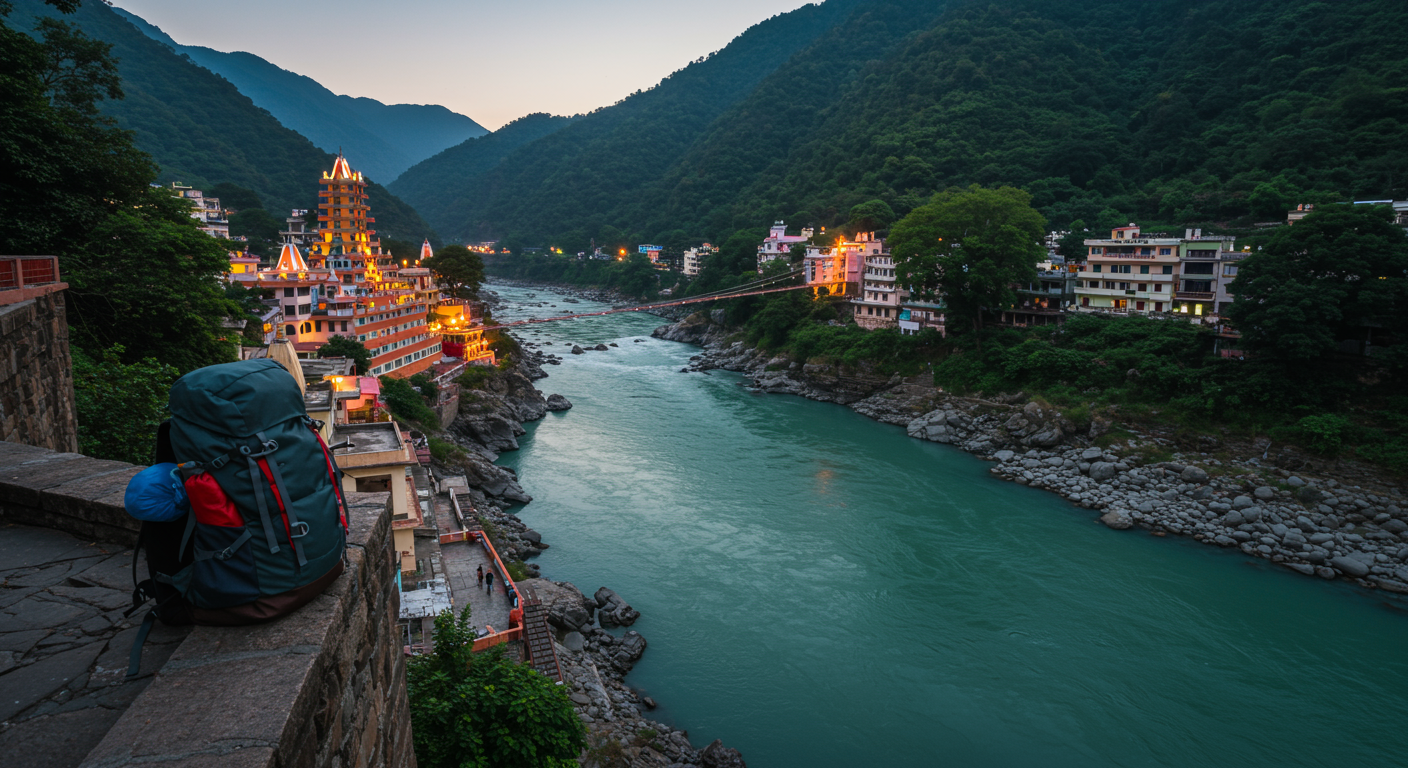
Welcome to Rishikesh: Mastering Your Movement in the Yoga Capital
The scent of incense mingling with the fresh Ganges breeze, the distant echo of temple bells, and the vibrant energy of spiritual seekers – this is the immediate embrace of Rishikesh. As an experienced traveler, I can tell you that the true magic of this sacred town lies not just in its spiritual offerings but also in how effortlessly you can explore its hidden gems. Understanding rishikesh transport & getting around is your first step to unlocking an unforgettable journey, transforming potential travel headaches into smooth, enriching experiences.
Many visitors arrive with a sense of wonder, only to feel overwhelmed by the sheer variety of transport options or the bustling narrow lanes. This comprehensive guide is designed to cut through the confusion, offering practical advice on everything from navigating the local auto-rickshaws to planning day trips to nearby waterfalls. We’ll cover the most efficient ways to move, typical costs, and essential safety tips, ensuring your focus remains on the spiritual and adventurous heart of Rishikesh, not on logistical worries. Get ready to explore with confidence, making every journey a part of your incredible adventure.
Understanding Rishikesh’s Unique Transport Landscape
Rishikesh, nestled in the foothills of the Himalayas, offers a unique blend of spiritual tranquility and adventurous thrills. Its transport landscape reflects this duality, with a mix of traditional and modern options. Knowing the ins and outs of rishikesh transport & getting around in Rishikesh is crucial for maximizing your time and experiencing everything this vibrant destination has to offer. From the pedestrian-friendly ghats to the winding roads leading to mountain retreats, each mode of transport serves a distinct purpose.
The town’s layout, characterized by the mighty Ganges River and its iconic suspension bridges, means that sometimes the simplest way to travel is on foot. However, for longer distances or when carrying luggage, you’ll need to consider other options. This section will break down the primary modes of transport available and help you decide which is best for your itinerary.
The Charm of Walking and Local Rickshaws
For many, the most authentic way to experience Rishikesh is by walking. The areas around Laxman Jhula, Ram Jhula, and Swarg Ashram are largely pedestrianized or have narrow lanes that are best explored on foot. This allows you to soak in the atmosphere, browse local shops, and discover quaint cafes. You can easily walk between the two main bridges, exploring the ashrams and eateries along the way. While walking, you’ll inevitably encounter the vibrant energy of places like Triveni Ghat, the most sacred bathing ghat, famous for its mesmerizing evening Ganga Aarti, which is best reached by a leisurely stroll through the market.
For slightly longer distances within these areas, or when you need a break from walking, local auto-rickshaws are your best friend. These three-wheeled vehicles are ubiquitous and surprisingly affordable. A short ride between Laxman Jhula and Ram Jhula might cost you anywhere from ₹30 to ₹50 INR, depending on your negotiation skills and the time of day. Always agree on the fare before starting your journey to avoid any misunderstandings. They are an integral part of the local transport system, providing quick and easy access to various points within the main tourist zones.
Navigating Longer Distances: Taxis and Shared Jeeps
When your explorations take you further afield, beyond the pedestrian zones, taxis and shared jeeps become indispensable. If you’re planning a day trip to attractions like the breathtaking Neer Garh Waterfall, a series of three beautiful cascades accessible via a short hike, a private taxi is often the most convenient option. Taxis offer comfort and flexibility, allowing you to set your own pace and itinerary. For a full-day excursion to nearby attractions, expect to pay between ₹1500 and ₹3000 INR, depending on the distance and duration.
Shared jeeps, often found at designated stands near the main bridges or bus stops, are a more economical choice for popular routes, such as the journey to Neelkanth Mahadev Temple or to other towns in Uttarakhand. These are packed with locals and offer a glimpse into daily life in the region. While less comfortable than a private taxi, they are significantly cheaper, with fares often ranging from ₹100 to ₹300 INR per person for longer routes. They are a practical option for budget-conscious travelers seeking efficient rishikesh transport & getting around options.
You might also be interested in: Read more about: Unleash the Thrill: Your Ultimate Guide …
Practicalities of Getting Around Rishikesh: Your Step-by-Step Guide
Planning your movement is key to a stress-free trip. From the moment you arrive, having a clear strategy for best rishikesh transport & getting around in Rishikesh will save you time and money. This section focuses on the practical steps and considerations for navigating the town, ensuring you’re well-prepared for any journey, big or small.
Arriving in Rishikesh: From Airport to Ashram
Most international and domestic travelers arrive via Dehradun’s Jolly Grant Airport (DED), which is approximately 35 kilometers from Rishikesh. Here’s how to manage your arrival:
- Pre-booked Taxi: For maximum convenience, especially if arriving late or with heavy luggage, consider booking a taxi in advance through your accommodation or a reputable online service. This ensures a driver is waiting for you, eliminating the need to negotiate fares after a long journey.
- Airport Taxis: Upon arrival, you’ll find a pre-paid taxi booth at the airport. This is a reliable option, with fixed fares to Rishikesh typically ranging from ₹1000 to ₹1500 INR. Always confirm the destination and fare before paying. The journey usually takes about 45 minutes to an hour, depending on traffic.
- Public Transport (Bus/Train): If you’re coming from further afield, such as Delhi, you might arrive by train at Haridwar Junction (about 25 km from Rishikesh) or by bus at the Rishikesh bus stand. From Haridwar, shared auto-rickshaws or local buses are readily available to Rishikesh for around ₹50-₹100 INR.
Always have the exact address of your accommodation handy, preferably written in Hindi for local drivers, and a local SIM card can be invaluable for navigation and communication.
Daily Commute Strategies and Safety
Once settled, navigating Rishikesh day-to-day requires a few smart strategies. Here are some pointers to ensure your daily excursions are smooth and safe:
- Wear Appropriate Footwear: Rishikesh’s lanes can be uneven, and you’ll do a lot of walking, especially around the ghats and ashrams. Comfortable, sturdy shoes are essential.
- Negotiate Fares: For auto-rickshaws and private taxis, always negotiate the fare beforehand. Don’t be afraid to haggle politely. A fair price is usually around ₹30-₹70 INR for short rides within the main areas.
- Carry Small Bills: Drivers often don’t have change for large denominations. Keep a supply of ₹10, ₹20, ₹50, and ₹100 notes handy.
- Avoid Late-Night Solo Travel: While Rishikesh is generally safe, it’s wise to avoid walking alone or using isolated transport late at night. Stick to well-lit, populated areas.
- Use Reputable Drivers: If hiring a taxi for a full day or longer trip, ask your accommodation for recommendations or use well-established taxi stands. You’ll find many experts in Rishikesh who can arrange reliable transport.
- Consider Renting a Scooter: For adventurous travelers, scooters can be rented for around ₹300-₹500 INR per day. This offers immense freedom to explore, but be aware of traffic, road conditions, and always wear a helmet. Ensure you have the necessary international driving permits.
Insider Tip: During peak seasons or festival times, transport can be scarce and prices may surge. Book longer journeys in advance and allow extra time for local commutes.
The time required for travel varies. Walking between Ram Jhula and Laxman Jhula can take 20-30 minutes, while an auto-rickshaw might cover it in 5-10 minutes, depending on traffic. Physical requirements include being able to walk on inclines and navigate stairs, especially around the bridges and ghats.
Insider Tips for Seamless Rishikesh Transport
Beyond the basics, knowing a few local secrets can elevate your travel experience. These insider tips are gleaned from years of navigating the town, helping you to truly master rishikesh transport & getting around like a seasoned local. They aim to provide you with the best quality in Rishikesh travel advice.
Timing Your Journeys and Avoiding Congestion
Rishikesh’s charm can also lead to its busiest moments. Strategic timing is key to a smooth journey:
You might also be interested in: Read more about: Conquer the Skies: BUCKETLISTT’s Ultimat…
- Early Mornings are Golden: The hours between 6 AM and 9 AM are typically the calmest. The air is fresh, the streets are less crowded, and traffic is minimal. This is the ideal time for peaceful walks, crossing the bridges, or even catching an auto-rickshaw for a longer trip without delays.
- Avoid Peak Aarti Times: The evening Ganga Aarti, particularly at Triveni Ghat and Parmarth Niketan, draws massive crowds. While the Aarti itself is a must-see, the areas leading to these ghats become incredibly congested just before and after. If you plan to attend, arrive well in advance on foot or plan to walk a significant distance to avoid being stuck in traffic.
- Monsoon Season Considerations: From July to September, the monsoon rains can make roads slippery and occasionally lead to blockages or delays, especially on routes leading into the hills. Always check local weather and road conditions if traveling during this period. Winters, on the other hand, can bring fog, which might delay early morning departures.
Understanding these patterns will significantly enhance your ability to move efficiently and enjoy the serene beauty of Rishikesh without unnecessary stress.
Exploring Beyond the Beaten Path: Underrated Gems
While the main attractions are wonderful, Rishikesh holds several underrated gems that offer profound experiences, often requiring a bit more effort to reach. Knowing how to access them is a mark of a true explorer:
- Jhilmil Gufa: This group of three caves, nestled in the forest near Neelkanth Temple, is a haven for deep meditation. Reaching it typically involves hiring a private taxi or a shared jeep to a certain point, followed by a moderate hike through the forest. It’s not on every tourist map, making it a truly peaceful escape.
- Phool Chatti Ashram Area: Located a few kilometers upstream from Laxman Jhula, this area offers a quiet stretch of riverbanks and trails, far from the main city’s bustle. While you can get an auto-rickshaw or taxi to the ashram, exploring the surrounding trails and finding secluded spots along the Ganges is best done on foot. It’s perfect for those seeking solitude and nature.
- River Rafting & Trekking: For adventure activities, many operators provide transport from central Rishikesh to the starting points for river rafting or trekking expeditions. Enquire with local adventure companies; many offer comprehensive packages that include convenient pick-up and drop-off across Rishikesh.
These less-frequented spots offer a different perspective of Rishikesh, allowing you to connect deeper with its natural and spiritual essence. Don’t be afraid to ask locals for directions or tips; they are often the best source of information for hidden pathways and transport nuances.
Frequently Asked Questions about Rishikesh Transport & Getting Around
What’s the best way to get from Dehradun Airport to Rishikesh?
The most convenient option is a pre-paid taxi from the airport, costing around ₹1000-₹1500. This ensures a direct and hassle-free journey to your accommodation in Rishikesh.
Is it easy to find local transport in Rishikesh?
Yes, local transport is readily available. Auto-rickshaws are abundant for short distances, and shared jeeps or taxis can be found at key points for longer trips. Understanding rishikesh transport & getting around is quite straightforward once you arrive.
What are the typical costs for auto-rickshaws in Rishikesh?
For short distances within the main tourist areas (e.g., between Laxman Jhula and Ram Jhula), expect to pay between ₹30-₹70. Always negotiate the fare before starting your ride to avoid surprises.
Can I rent a scooter or bike in Rishikesh?
Yes, scooter and bike rentals are common, typically costing ₹300-₹500 per day. This offers flexibility for exploring, but be mindful of traffic, road conditions, and always wear a helmet.
You might also be interested in: Explore Rishikesh Adventures on Bucketlistt
How safe is it to walk around Rishikesh at night?
Rishikesh is generally considered safe, but it’s always wise to exercise caution. Stick to well-lit, populated areas and avoid walking alone on secluded paths late at night. Auto-rickshaws are available for nighttime transport.
Are shared jeeps a good option for sightseeing in Rishikesh?
Shared jeeps are an economical choice for popular routes like Neelkanth Mahadev Temple or travel to nearby towns. They’re packed with locals, offering a unique cultural experience, though less comfortable than private taxis.
What’s the best time of year to visit Rishikesh for easy transport?
The post-monsoon months (October to March) offer the most pleasant weather and generally smooth transport conditions. Roads are clear, and the climate is ideal for both walking and longer excursions.
How do I get to places like Neer Garh Waterfall or Jhilmil Gufa?
For Neer Garh Waterfall, a short auto-rickshaw ride followed by a hike is typical. Jhilmil Gufa requires a taxi or shared jeep to a drop-off point near Neelkanth Temple, followed by a trek. Local guidance can be very helpful for these spots.
Your Rishikesh Journey: Navigating with Confidence
Embarking on a journey to Rishikesh promises spiritual awakening and adventurous thrills. By now, you understand that mastering rishikesh transport & getting around is not just about moving from one point to another, but about enriching your entire travel experience. Remember these key takeaways: embrace walking for local immersion, always negotiate fares for auto-rickshaws, and strategically time your longer journeys to avoid the crowds.
With these practical tips and insider knowledge, you are well-equipped to explore every facet of this incredible destination, from its sacred ghats to its serene hidden caves. Plan your visit with confidence, knowing that seamless travel awaits you. Allow yourself to be fully present in the moment, as you discover the magic that makes Rishikesh truly unforgettable. For a curated list of verified operators and packages, you can explore options on Bucketlistt.
Rishikesh is one of those rare destinations that genuinely delivers on its reputation — whether you come for the adrenaline, the spirituality, or simply to sit by the Ganga and think. This guide covered best rishikesh transport & getting around in rishikesh, rishikesh transport & getting around, rishikesh transport & getting around in rishikesh, giving you the practical knowledge to plan a memorable visit. If you want a curated list of verified operators and activity packages, you can browse options on Bucketlistt.