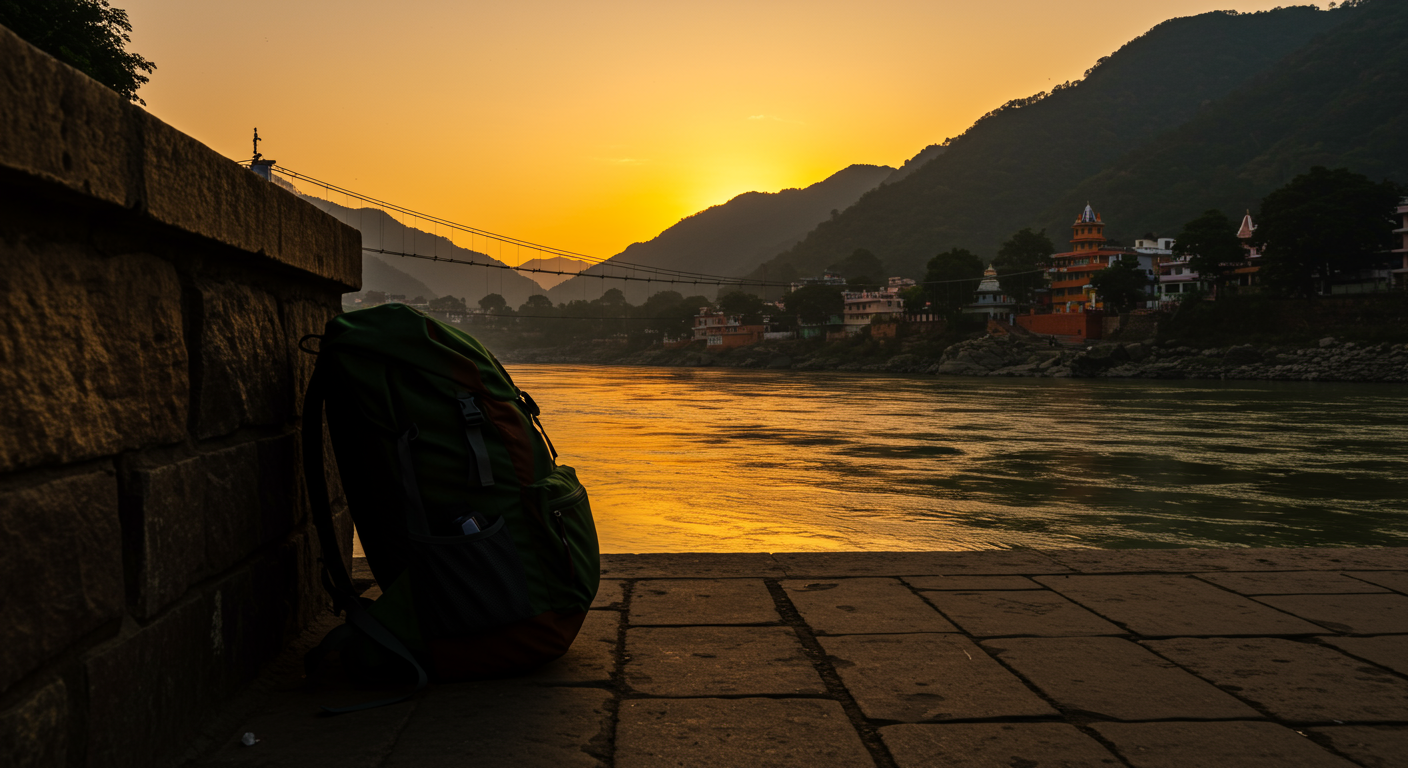
Navigating the Heart of the Himalayas
The sound of the Ganges changes after dark, a gentle murmur giving way to the rhythmic chants of Aarti ceremonies. Most travelers don’t realize that Rishikesh has two completely different personalities: the bustling spiritual heart and the serene, contemplative fringes. To truly experience both, mastering rishikesh transport & getting around is paramount. As an experienced traveler who has spent considerable time exploring this sacred city, I’ve learned that understanding the local transit options isn’t just about convenience; it’s about unlocking authentic experiences. This guide will cut through the confusion, offering practical advice on how to navigate the winding roads and pedestrian paths, ensuring your journey is as smooth and enriching as possible. We’ll cover everything from local auto-rickshaws to walking paths, helping you understand the nuances of rishikesh transport & getting around in rishikesh, so you can focus on soaking in the spiritual energy and natural beauty.
Whether you’re a first-time visitor or returning to explore deeper, this article will answer your real questions: What are the best ways to get from one ashram to another? How much should a rickshaw ride cost? Is it safe to walk at night? What are the most efficient and enjoyable methods for rishikesh transport & getting around while discovering the hidden gems and iconic landmarks? Let’s dive into the practicalities that will transform your visit into an unforgettable adventure.
Understanding Rishikesh’s Unique Mobility Landscape
Rishikesh is a city of contrasts, where ancient traditions blend with modern spiritual seekers. Its unique geography, nestled in the foothills of the Himalayas along the sacred Ganges, dictates a particular rhythm of travel. Efficient rishikesh transport & getting around means appreciating these local characteristics. Unlike larger Indian cities, Rishikesh’s core areas, especially around Laxman Jhula and Ram Jhula, are largely pedestrian-friendly, with narrow lanes and bridges connecting the main attractions. This creates a charming, walkable environment, but also means that motorized transport has its limitations.
The key to a successful journey lies in understanding the blend of options available. From shared auto-rickshaws, which are the lifeblood of local commuting, to private taxis for longer excursions, and even two-wheelers for the adventurous, each mode of transport offers a distinct experience. The best approach often involves combining several methods, walking for short distances, and utilizing local transport for longer stretches. This strategy allows you to immerse yourself fully in the local culture while efficiently reaching your desired destinations, including the tranquil Vashishta Gufa or the vibrant Triveni Ghat.
The Rhythms of Local Travel
The pace of life and travel in Rishikesh is generally slower than in metropolitan areas, encouraging a more mindful approach to exploration. Mornings see a rush of pilgrims heading to the ghats for a holy dip, while evenings are dominated by the ethereal Ganga Aarti at places like Triveni Ghat. Understanding these daily rhythms can help you plan your movements to avoid peak times, especially for crossing the iconic suspension bridges like Laxman Jhula and Ram Jhula, which can get incredibly crowded. For those seeking a deeper experience, observing these patterns is part of the charm.
Local transport providers, including auto-rickshaw drivers and taxi operators, are generally familiar with all major ashrams, yoga centers, and tourist spots. However, agreeing on a fare beforehand is always advisable to avoid misunderstandings. This proactive approach ensures a fair price and a stress-free journey, making your experience of rishikesh transport & getting around in rishikesh much more pleasant. It’s not uncommon to find shared auto-rickshaws operating on fixed routes, a cost-effective option for budget-conscious travelers.
You might also be interested in: Read more about: Redefine Your Adventure: The Ultimate Gu…
Connecting the Spiritual Hubs
The main spiritual hubs of Rishikesh are generally clustered around the Ganges, particularly the areas of Tapovan, Laxman Jhula, and Swarg Ashram. These areas are interconnected by the famous bridges and a network of pedestrian paths. While walking between these areas is feasible and highly recommended for soaking in the atmosphere, it can be tiring, especially during warmer months or if carrying luggage. For these situations, local auto-rickshaws are invaluable.
Beyond the immediate riverfront, places like the Neer Garh Waterfall or the more secluded Garud Chatti Waterfall require a combination of transport and a short hike. This is where understanding the options for rishikesh transport & getting around truly becomes beneficial. For instance, a taxi or auto-rickshaw can take you to the base of the waterfall trail, allowing you to enjoy the natural beauty without the exhaustion of a long walk from the main town. The availability of reliable transport services in Rishikesh ensures that even these slightly off-the-beaten-path locations are accessible.
Your Practical Guide to Rishikesh Transport & Getting Around
Navigating Rishikesh effectively requires a blend of planning and spontaneity. Here’s a practical, step-by-step guide to the various modes of transport, complete with typical costs, safety tips, and insider advice to help you get the best rishikesh transport & getting around in rishikesh experience.
Expert Tip: Always carry small denominations of Indian Rupees (INR) for local transport. Many auto-rickshaw drivers may not have change for large notes, especially for short rides. A 100 INR note is often the largest you’ll need for a typical ride within the main tourist zones.
Navigating by Auto-Rickshaw and E-Rickshaw
Auto-rickshaws are the most ubiquitous form of motorized transport in Rishikesh. They are three-wheeled vehicles, painted in their distinctive black and yellow, and are perfect for short to medium distances. E-rickshaws, or electric rickshaws, are also gaining popularity for their eco-friendliness and quieter rides, especially in the more congested areas.
- Cost: For a short ride (e.g., Tapovan to Laxman Jhula), expect to pay around 50-100 INR. Longer rides, such as from the Rishikesh railway station to Laxman Jhula, might cost 200-300 INR. Always negotiate the fare before starting your journey. Shared auto-rickshaws, often called “Vikram” or “Tempo,” run on fixed routes and are much cheaper, usually 20-30 INR per person for a segment.
- Availability: Abundant throughout the day and into the late evening. You’ll find them at all major junctions, outside ashrams, and near tourist spots.
- Safety Notes: While generally safe, ensure the driver seems responsible. Avoid overloaded vehicles. For late-night travel, it’s wise to stick to well-lit areas and established stands.
- Insider Tip: If you’re staying for an extended period, you might be able to negotiate a daily or half-daily rate with a driver for continuous service, especially useful if you plan to visit multiple sites across Rishikesh.
For those seeking the best rishikesh transport & getting around in rishikesh, familiarizing yourself with these local options is key. Many auto-rickshaw drivers are also knowledgeable about local attractions and can offer impromptu tours, though it’s best to verify their English proficiency beforehand if communication is a concern.
You might also be interested in: Read more about: Mastering Adventure Sports Comparisons i…
Embracing Foot Travel and Scooters
Walking is arguably the most authentic way to experience Rishikesh, especially in the pedestrian-focused areas around the Ganges. The paths connecting Laxman Jhula, Ram Jhula, and the various ghats offer stunning views, vibrant markets, and countless opportunities for serendipitous discoveries. However, for exploring further afield or simply covering ground more quickly, renting a scooter can be an excellent option.
- Walking:
- Time Required: Walking from Laxman Jhula to Ram Jhula (about 2 km) can take 30-45 minutes, depending on crowds and how often you stop.
- Physical Requirements: Moderate. Paths can be uneven, and there are many stairs, especially to access ghats or temples.
- What to Wear: Comfortable walking shoes are essential. During summer (April-June), light, breathable clothing is best. In winter (Nov-Feb), layers are recommended.
- Safety Notes: Be mindful of stray animals, especially monkeys near the bridges. They can be mischievous. Pedestrian traffic can be heavy.
- Scooter/Motorcycle Rental:
- Cost: Rentals typically range from 300-500 INR per day for a scooter, depending on the model and duration. Fuel is extra.
- Requirements: An Indian or International Driving Permit (IDP) is usually required. Always check the scooter for damages before renting and take photos.
- Availability: Several rental shops are available in Tapovan and near the main market areas.
- Insider Tip: Scooters offer unparalleled freedom to explore places like the Garud Chatti Waterfall or even venture towards Neelkanth Mahadev Temple. However, Rishikesh roads can be challenging, with steep climbs and heavy traffic in some areas. Only rent if you are an experienced rider.
Choosing the right mode of transport depends on your itinerary and comfort level. For short distances and a truly immersive experience, walking is king. For more flexibility and to explore sights further out, a rented scooter provides an adventurous alternative for rishikesh transport & getting around.
Insider Tips for Seamless Travel in Rishikesh
Beyond the basics, a few insider tips can significantly enhance your travel experience and help you navigate Rishikesh like a seasoned local. These insights go beyond simply getting from point A to B; they’re about optimizing your time, ensuring safety, and uncovering the true essence of this spiritual haven.
Understanding the local nuances of rishikesh transport & getting around means more than just knowing prices; it’s about knowing when and where to find the most pleasant journeys and avoid common pitfalls. For instance, early mornings offer serene walks across the bridges, free from the daytime throngs, providing a completely different perspective of the Ganges as the sun rises. Likewise, planning your return from popular spots like Neer Garh Waterfall before sunset can make a significant difference to your comfort and safety.
Seasonal Considerations and Hidden Pathways
Rishikesh experiences distinct seasons, each impacting travel and accessibility:
- Winter (November to February): Pleasant weather for walking and exploring. Mornings can be chilly, so layers are essential. Roads are generally clear, making scooter travel enjoyable. This is often considered the best rishikesh transport & getting around in rishikesh season for active exploration.
- Summer (March to June): Can be very hot, especially midday. Walking long distances becomes challenging. Auto-rickshaws or taxis with open windows are preferred. River activities are popular.
- Monsoon (July to October): Lush green landscapes, but heavy rains can cause landslides and make roads slippery. Walking paths can become muddy. Exercise caution when traveling, especially to waterfalls or mountain trails. Always check local weather reports.
Beyond the main routes, Rishikesh is full of hidden pathways and shortcuts known mostly to locals. While it’s adventurous to explore, stick to well-trodden paths or ask locals for directions. Some paths might lead to secluded ashrams or viewpoints, but others could be less safe or lead to dead ends. Always trust your instincts.
You might also be interested in: Explore Rishikesh Adventures on Bucketlistt
Safety, Etiquette, and Underrated Gems
Safety is paramount when traveling. When using any form of rishikesh transport & getting around, especially auto-rickshaws, always ensure your belongings are secure and close to you. For solo female travelers, consider sharing auto-rickshaws with other women or opting for registered taxis, particularly after dark. Rishikesh is generally safe, but common sense precautions are always wise.
Local etiquette also plays a role in smooth travel. Be respectful of local customs, dress modestly, especially when visiting temples or ashrams. A polite “Namaste” goes a long way. When negotiating fares, maintain a friendly demeanor. The local people are generally welcoming and helpful.
Don’t miss out on some of the city’s underrated gems that are accessible with a bit of planning:
- Vashishta Gufa (Cave): A serene meditation cave located a short drive north of Rishikesh. A taxi or scooter is the easiest way to reach it, followed by a short walk down to the Ganges.
- Garud Chatti Waterfall: A lesser-known waterfall near the Neelkanth temple road. It’s perfect for a quiet escape and can be reached by scooter or taxi, followed by a pleasant short hike. These require a bit more effort in terms of transport but offer immense tranquility.
By keeping these tips in mind, you’re not just moving through Rishikesh; you’re experiencing it in a richer, more authentic way. The seamless integration of these transport methods with local knowledge will define your journey.
Rishikesh is one of those rare destinations that genuinely delivers on its reputation — whether you come for the adrenaline, the spirituality, or simply to sit by the Ganga and think. This guide covered best rishikesh transport & getting around in rishikesh, rishikesh transport & getting around, rishikesh transport & getting around in rishikesh, giving you the practical knowledge to plan a memorable visit. If you want a curated list of verified operators and activity packages, you can browse options on Bucketlistt.
Frequently Asked Questions about Rishikesh Transport & Getting Around
What is the best way to get around the main tourist areas in Rishikesh?
For the main tourist areas like Laxman Jhula, Ram Jhula, and Swarg Ashram, walking is often the best and most immersive way to get around. For slightly longer distances or when you’re tired, auto-rickshaws and e-rickshaws are readily available and affordable options for rishikesh transport & getting around.
Are auto-rickshaws safe to use in Rishikesh?
Yes, auto-rickshaws are generally safe in Rishikesh. Always agree on the fare before starting your journey to avoid disputes. For late-night travel, it’s advisable to choose vehicles from well-lit stands or pre-book if possible, ensuring a secure experience with rishikesh transport & getting around in rishikesh.
Can I rent a scooter or motorcycle in Rishikesh?
Yes, scooter and motorcycle rentals are widely available, especially in the Tapovan area. You’ll typically need an Indian or International Driving Permit (IDP). Renting a scooter provides great flexibility for exploring beyond the pedestrian zones, making it a popular choice for adventurers seeking the best rishikesh transport & getting around in rishikesh.
How much does an auto-rickshaw ride typically cost?
Fares vary, but a short ride within the main tourist zones (e.g., Tapovan to Laxman Jhula) might cost 50-100 INR. Longer rides, like from the railway station to Laxman Jhula, could be 200-300 INR. Always negotiate and confirm the price beforehand.
Is it easy to find taxis for longer trips from Rishikesh?
Yes, taxis for longer trips to places like Haridwar, Dehradun, or the airport are easily available. You can book them through your hotel, local travel agencies, or taxi stands. Many taxi services in Rishikesh offer competitive rates for outstation travel.
What should I wear for walking around Rishikesh?
Comfortable walking shoes are essential due to uneven paths and numerous steps. During summer, light and breathable clothing is best, while in winter, layers are recommended for warmth. Modest attire is also advisable, especially when visiting temples or ashrams.
Are there any public bus services for rishikesh transport & getting around?
While there are state-run buses connecting Rishikesh to other cities, local public bus services within the immediate tourist areas are limited. Most locals and tourists rely on shared auto-rickshaws or walking for intra-city travel, which are more efficient for navigating the narrower streets.
What are some specific landmarks accessible by foot in Rishikesh?
Many iconic landmarks are best explored on foot. These include Laxman Jhula, Ram Jhula, Triveni Ghat, Parmarth Niketan, and various ashrams nestled along the riverbanks. Walking allows you to fully absorb the spiritual ambiance and discover charming cafes and shops along the way.