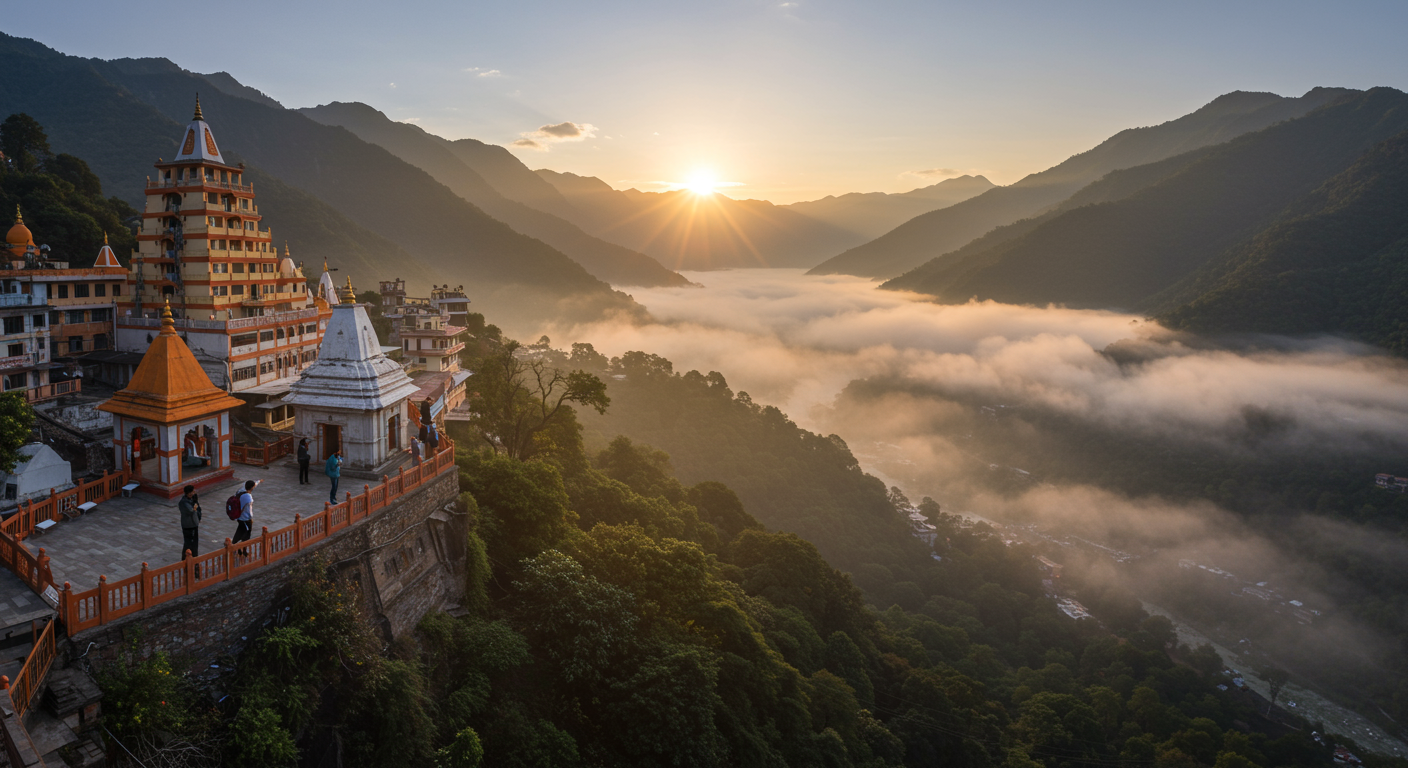
The crisp morning air in Rishikesh carries the scent of incense and the distant chime of temple bells, a symphony that beckons you to explore. But how do you truly experience the diverse landscapes and spiritual hubs of this sacred town without getting lost or overspending? Understanding rishikesh transport & getting around is paramount to unlocking an unforgettable journey. Most travelers arrive eager to soak in the spiritual ambiance or conquer the rapids, often overlooking the practicalities of navigating the city itself. This comprehensive guide will arm you with all the knowledge you need to move seamlessly across Rishikesh, ensuring your focus remains on discovery, not logistics.
From the bustling streets near Lakshman Jhula to the serene paths leading to hidden waterfalls, efficient transportation transforms a good trip into a great one. I’m here to share my hard-won advice, detailing everything from local auto-rickshaw etiquette to the joy of exploring on foot. By the end of this article, you’ll be an expert in rishikesh transport & getting around, ready to embrace every facet of this incredible destination. We’ll cover costs, safety, and the best ways to reach key attractions, making your 2026 visit as smooth as the flow of the Ganges itself.
Navigating Rishikesh’s Unique Terrain: Your Transport Options
Rishikesh, nestled in the Himalayan foothills, presents a unique blend of urban bustle and tranquil natural beauty. Its geography, with the mighty Ganges River carving through the landscape and hills rising steeply, directly influences the available transport options. Understanding these choices is the first step to mastering rishikesh transport & getting around in rishikesh effectively. Whether you’re seeking quick commutes or scenic journeys, Rishikesh offers a variety of ways to move.
Understanding Rishikesh’s Layout and Key Zones
Rishikesh is broadly divided into several key zones, each with its own character and transport considerations. The main market area, Rishikesh Town, is the traditional hub. Further north, you’ll find Muni Ki Reti, home to many ashrams. Beyond that lies Tapovan, known for its yoga centers and cafes, leading up to the iconic Lakshman Jhula and Ram Jhula areas, which are pedestrian-centric and the heart of tourist activity. Crossing the Ganga is often done via these suspension bridges or by ferry. The distances between these zones can be significant for walking, making informed transport choices crucial. For instance, getting from Rishikesh Town to Lakshman Jhula can be a 45-minute walk or a 15-minute auto-rickshaw ride costing around INR 100-150 (approx. $1.20-$1.80 USD), depending on your bargaining skills.
You might also be interested in: Read more about: Discovering Responsible Rishikesh Campin…
Why Smart Transport Choices Enhance Your Trip
The right mode of transport can dramatically impact your Rishikesh experience. Imagine hiking to the spiritual Neelkanth Mahadev Temple, perched at 1330m, without knowing the best way to get there. Or perhaps you want to catch the evening Ganga Aarti at Triveni Ghat but are unsure how to reach it efficiently from your ashram. Smart transport choices save time, money, and energy, allowing you to immerse yourself more deeply in the local culture and natural wonders. It also means you can easily reach underrated gems like Garud Chatti Waterfall, a hidden spot near the Neelkanth temple road, perfect for solitude, which might be harder to access with limited transport knowledge. Knowing your options empowers you to explore freely, from the bustling markets to the serene riverbanks, experiencing the best quality in Rishikesh has to offer.
Insider Tip: Always clarify your destination and agree on the fare BEFORE starting your journey with any local transport, especially auto-rickshaws. This simple step avoids misunderstandings and ensures a fair price for your ride in Rishikesh.
Practicalities of Getting Around Rishikesh: Your How-To Guide
Now that we understand the importance of strategic travel, let’s dive into the practical aspects of best rishikesh transport & getting around in rishikesh. This section will equip you with the “how-to” for each major transport method, including costs, safety, and specific tips for navigating the local scene. It’s about empowering you to make informed decisions on the go, whether you’re heading to a yoga class or an adventure sports hub.
Local Commutes: Auto-rickshaws, E-rickshaws, and Scooters
For most travelers, auto-rickshaws and their electric counterparts, e-rickshaws, will be your primary mode of mechanized transport. Auto-rickshaws are ubiquitous and can take you almost anywhere. Fares are typically negotiable, so don’t be shy to bargain. A short ride within a zone (e.g., Tapovan to Lakshman Jhula bridge entrance) might cost INR 30-50, while longer trips across zones could range from INR 80-150. E-rickshaws are quieter and more environmentally friendly, often operating on fixed routes or for shorter distances within specific areas. They are generally slightly cheaper than autos. For those seeking more independence, renting a scooter or motorcycle is a popular option. Several rental services in Rishikesh offer scooters for approximately INR 300-500 per day. Ensure you have a valid international driving permit and always wear a helmet. The roads can be winding and sometimes crowded, so drive defensively. Many local experts in Rishikesh recommend checking the scooter’s condition thoroughly before renting.
You might also be interested in: Read more about: Experience the Ultimate Thrill: Giant…
- Auto-rickshaws: Best for quick, flexible point-to-point travel. Bargain for fares.
- E-rickshaws: Ideal for shorter distances, eco-friendly, often slightly cheaper.
- Scooter/Motorcycle Rentals: Offers maximum freedom. Requires a valid license and careful driving. Expect costs around INR 300-500/day.
- Shared Jeeps/Sumos: For destinations like Neelkanth Mahadev Temple, shared jeeps are a cost-effective option, departing from Lakshman Jhula area when full. A seat might cost INR 50-70.
Exploring on Foot and By Bicycle: The Eco-Friendly Way
Rishikesh is a town that truly reveals its charms to those who explore on foot. The areas around Lakshman Jhula and Ram Jhula are largely pedestrianized, offering delightful strolls along the Ganges. Walking allows you to discover hidden ashrams, small cafes, and picturesque viewpoints that you might miss otherwise. It’s also the best way to experience the vibrant atmosphere of the evening Ganga Aarti at Triveni Ghat. For a more active exploration, bicycles are available for rent, typically costing INR 100-200 for a full day. Cycling is excellent for exploring the quieter roads and reaching places like the Neer Garh Waterfall, which involves a pleasant walk after a short cycle. Remember that Rishikesh has some steep inclines, so choose your cycling routes wisely. Goa Beach, a quiet white-sand beach on the Ganges near Lakshman Jhula, is perfectly accessible by foot and offers a tranquil escape, popular among backpackers seeking solitude.
- Walking: Immerse yourself in the local culture. Essential for pedestrian zones and exploring ghats.
- Bicycling: Great for active exploration, reaching waterfalls, and enjoying scenic routes. Rent from INR 100-200/day.
- Ferry Boats: Small boats operate across the Ganges near Ram Jhula and Lakshman Jhula, offering a quick and scenic way to cross the river for a nominal fee (around INR 10-20).
Maximizing Your Mobility: Insider Secrets for Rishikesh Transport & Getting Around
Beyond the basic modes of transport, there are nuances and insider tips that can significantly enhance your experience of rishikesh transport & getting around. These insights, gleaned from frequent visits and local interactions, will help you navigate like a seasoned traveler, ensuring comfort, safety, and authenticity during your stay.
Seasonal Considerations and Safety Tips
The best time to visit Rishikesh, and consequently to experience its transport options, is generally from September to June. During the monsoon season (July-August), heavy rains can cause landslides, making some roads, especially those leading to waterfalls or higher temples, inaccessible or dangerous. Always check local weather conditions before planning trips during this period. In winter (November-February), mornings can be foggy and chilly, affecting visibility for driving, but the days are usually pleasant for walking. Safety is paramount: always choose licensed auto-rickshaws, avoid traveling alone at night in secluded areas, and inform someone of your itinerary if you’re venturing off the beaten path. When renting scooters, inspect brakes and lights thoroughly, and wear your helmet. For rafting customers in Rishikesh, operators usually provide transport to and from the rafting points, so confirm this when booking.
You might also be interested in: Explore Rishikesh Adventures on Bucketlistt
Combining Transport for a Seamless Rishikesh Experience
The most effective strategy for rishikesh transport & getting around often involves a combination of methods. For example, you might take an auto-rickshaw from Rishikesh Town to Lakshman Jhula, then explore the bridge and nearby ashrams on foot. To reach Neer Garh Waterfall, you could take an e-rickshaw or scooter part of the way, followed by a refreshing hike. For a day trip to Neelkanth Mahadev Temple, a shared jeep is efficient for the winding mountain road, followed by exploration of the temple complex on foot. Embracing this multi-modal approach allows you to optimize your time and energy, experiencing the best of the town without unnecessary hassle. There are many skilled transport experts in Rishikesh who can advise on the best routes and combinations for specific destinations or activities like spiritual retreats or adventure sports.
Traveler’s Wisdom: While walking is rewarding, Rishikesh’s climate can be hot and humid. Always carry water, wear comfortable footwear, and consider sunscreen or a hat, especially if you plan to explore across Rishikesh for extended periods on foot.
Rishikesh is one of those rare destinations that genuinely delivers on its reputation — whether you come for the adrenaline, the spirituality, or simply to sit by the Ganga and think. This guide covered best rishikesh transport & getting around in rishikesh, rishikesh transport & getting around, rishikesh transport & getting around in rishikesh, giving you the practical knowledge to plan a memorable visit. If you want a curated list of verified operators and activity packages, you can browse options on Bucketlistt.
Frequently Asked Questions about Rishikesh Transport & Getting Around
What are the primary modes of rishikesh transport & getting around?
The primary modes of transport in Rishikesh include auto-rickshaws, e-rickshaws, rented scooters/motorcycles, bicycles, and walking. Shared jeeps are also common for specific routes, especially to places like Neelkanth Mahadev Temple.
Is it safe to walk around Rishikesh at night?
Walking around the main tourist areas like Lakshman Jhula, Ram Jhula, and Triveni Ghat is generally safe at night, as these areas are well-lit and populated. However, it’s always advisable to stick to well-trafficked routes and avoid secluded paths, especially if traveling alone.
What is the average cost of an auto-rickshaw ride in Rishikesh?
The average cost of an auto-rickshaw ride varies by distance and your bargaining skills. Short rides within a zone might cost INR 30-50, while longer trips between main areas (e.g., Rishikesh Town to Lakshman Jhula) could be INR 80-150. Always negotiate the fare before starting your journey.
Can I rent a scooter or bike in Rishikesh?
Yes, scooter and bike rentals are widely available in Rishikesh, particularly around the Tapovan and Lakshman Jhula areas. Prices typically range from INR 300-500 per day for a scooter. Ensure you have a valid international driving permit and always wear a helmet for safety.
How do I get to Neelkanth Mahadev Temple from Rishikesh?
To reach Neelkanth Mahadev Temple, you can hire a private taxi or take a shared jeep from near Lakshman Jhula. Shared jeeps are a more economical option, costing around INR 50-70 per person. The temple is about 32 km from Rishikesh and involves a scenic but winding mountain road.
What’s the best way to cross the Ganga river in Rishikesh?
The most common ways to cross the Ganga are via the iconic Lakshman Jhula and Ram Jhula suspension bridges, which are pedestrian-only. Alternatively, small ferry boats operate near these bridges, offering a quick and traditional river crossing for a nominal fee (around INR 10-20).
Are there public buses for getting around in Rishikesh?
While there are local buses that connect Rishikesh to nearby towns and cities, public buses for strictly intra-city getting around in Rishikesh are less common. Auto-rickshaws, e-rickshaws, and walking are generally preferred for local commutes within the town’s tourist zones.
What should I know about top-rated in Rishikesh transport options for day trips?
For day trips outside the immediate town, such as to Haridwar or specific trekking points, hiring a private taxi or using shared jeeps are your best bets. Many local tour operators and taxi stands offer these top-rated in Rishikesh services, providing reliable and comfortable options for exploring the region beyond the city limits.