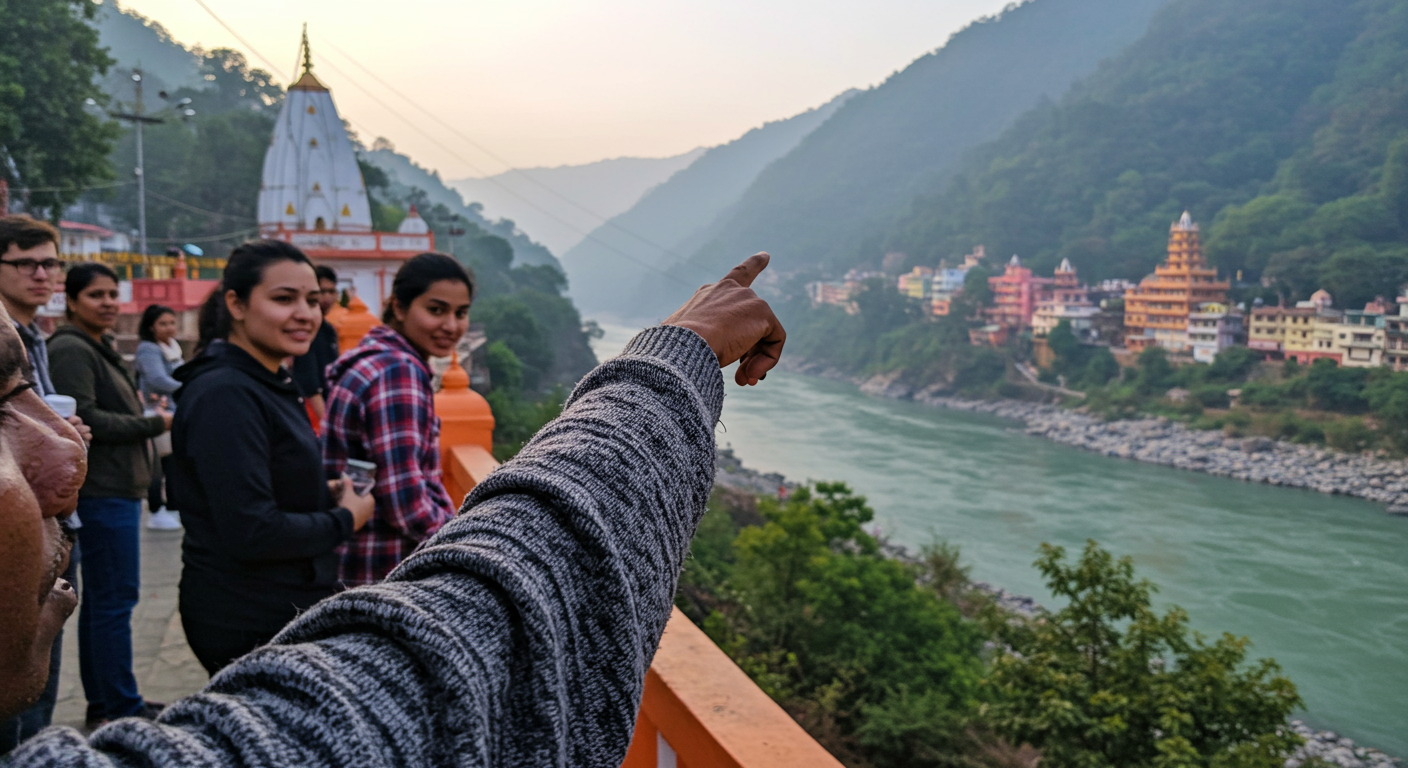
The scent of incense mingles with the fresh air from the Ganges, and the distant chants invite you deeper into the spiritual embrace of Rishikesh. Before you can truly immerse yourself in its magic, understanding rishikesh transport & getting around is paramount. This isn’t just about moving from point A to point B; it’s about embracing the rhythm of the town, discovering hidden gems, and making every journey an integral part of your adventure. As an experienced traveler who has navigated these winding roads and bustling lanes countless times, I’m here to share the practical insights you need. This comprehensive guide will answer all your pressing questions, from the best ways to traverse the city’s unique landscape to insider tips for a seamless travel experience, ensuring you spend less time figuring out logistics and more time soaking in the spiritual energy.
Understanding the Landscape: Why Local Transport Matters in Rishikesh
Rishikesh is a town of two distinct halves, bisected by the sacred Ganges River and connected by iconic suspension bridges: Laxman Jhula and Ram Jhula. The topography itself, nestled in the foothills of the Himalayas, presents a unique set of challenges and opportunities for mobility. Unlike sprawling metropolises, the charm of Rishikesh lies in its compact, pedestrian-friendly areas, yet reaching attractions further afield requires a good grasp of local transport options. Knowing how to efficiently manage rishikesh transport & getting around in rishikesh will significantly enhance your visit, allowing you to explore everything from serene ashrams to exhilarating adventure sports hubs without hassle.
The Unique Topography and Its Challenges
Imagine narrow, winding lanes bustling with pilgrims, motorbikes, cows, and the occasional auto-rickshaw. This is the reality of much of the core tourist areas around the Jhulas. While walking is often the preferred and most atmospheric way to explore these specific zones, venturing beyond requires a different approach. The steep inclines leading to places like the Neelkanth Mahadev Temple or the serene trails around The Beatles Ashram mean that understanding your transport choices is not just convenient, but essential. The river itself acts as both a barrier and a pathway, with boat crossings offering a unique perspective and shortcut for some journeys. Navigating these varied terrains efficiently ensures you don’t miss out on any of the town’s diverse offerings.
Embracing the Journey: More Than Just Getting From A to B
In Rishikesh, the journey itself can be as enriching as the destination. A ride in a shared auto-rickshaw (often called a ‘tuk-tuk’ by tourists) provides a glimpse into local life, complete with vibrant conversations and unexpected detours. Walking across Laxman Jhula or Ram Jhula offers breathtaking views of the Ganges and the surrounding mountains, often accompanied by the melodious chants from nearby temples. This immersive aspect of rishikesh transport & getting around is what truly sets it apart. It’s about experiencing the pulse of the town, not just covering distance. Embracing the local modes of travel means connecting with the spirit of Rishikesh on a deeper level, making every commute a memorable part of your spiritual or adventurous retreat.
Your Practical Guide to Rishikesh Transport & Getting Around
Once you’ve arrived in this spiritual haven, understanding the practicalities of best rishikesh transport & getting around in rishikesh is your next step. Rishikesh offers a variety of transport options, each with its own advantages, catering to different budgets and travel styles. From the humble auto-rickshaw to rented scooters and shared jeeps, selecting the right mode of transport can significantly impact your experience. This section breaks down the most common methods, offering specific advice on usage, costs, and safety, ensuring you can navigate the town like a seasoned local.
You might also be interested in: Read more about: Adapting to Evolving Traveler Behavior: …
Navigating Local Options: From Auto-Rickshaws to Scooters
For most short to medium distances, auto-rickshaws are your go-to. They are plentiful and can be found almost anywhere. Always negotiate the fare before you start your journey. For example, a ride from Ram Jhula to the main Rishikesh market (Trayambakeshwar Temple area) might cost anywhere from 50-100 INR, depending on your bargaining skills and the time of day. For longer trips, such as to Shivpuri for rafting, you’ll need to negotiate a higher fixed rate, perhaps 400-600 INR for a one-way trip, or consider a shared jeep which will be significantly cheaper per person. Here’s a quick guide:
- Auto-rickshaws: Ideal for short distances within the town. Always agree on the price beforehand. Don’t be afraid to haggle politely.
- Shared Jeeps/Vikrams: Excellent for longer distances to places like Shivpuri or even Haridwar. They operate on fixed routes and are very economical. You’ll find designated stands near the main bridges.
- Scooter/Motorbike Rentals: For the more adventurous, renting a scooter offers freedom and flexibility. Prices typically range from 300-600 INR per day. Ensure you have an international driving permit and always wear a helmet. Many shops offer these services in Rishikesh, especially around Laxman Jhula.
- Local Buses: While less convenient for tourists due to irregular schedules and crowded conditions, local buses connect Rishikesh to nearby towns and further afield, offering a very budget-friendly option for inter-city travel.
When choosing your mode of transport, consider the time of day. Early mornings or late evenings might see slightly higher fares for auto-rickshaws, especially during peak season or festivals. For reliable options, seek out top-rated in Rishikesh transport providers, often recommended by guesthouses or local shopkeepers.
Crossing the Ganges: Bridges, Boats, and Walking Paths
The Ganges is Rishikesh’s lifeline, and crossing it is often part of the daily routine. The two main pedestrian bridges, Laxman Jhula and Ram Jhula, are destinations in themselves. They are vibrant with people, monkeys, and stunning views. While walking across them is an experience not to be missed, it can be slow due to crowds. For a quicker crossing, especially if you have luggage, small ferry boats operate at certain points, offering a traditional and scenic alternative. A boat ride across the Ganges can cost as little as 10-20 INR. For those planning to explore the more secluded spots, walking remains the best quality in Rishikesh way to discover them.
Expert Tip: During morning and evening aarti (prayer) times, the bridges can become extremely crowded. Plan your crossings outside these hours if you’re in a hurry. Alternatively, embrace the crowd as part of the spiritual experience!
You might also be interested in: Read more about: Your Essential Guide to Rishikesh Safety…
Beyond the main bridges, the banks of the Ganges offer numerous walking paths. These paths lead to serene ghats, hidden cafes, and quieter ashrams. Places like Goa Beach, a quiet white-sand beach on the Ganges near Laxman Jhula, are best accessed by a short walk, allowing you to fully appreciate the peaceful riverside ambiance away from the main hustle and bustle. Exploring these areas on foot is truly one of the most rewarding ways to experience the local charm and discover the understated beauty of Rishikesh.
Mastering Movement: Insider Tips for Efficient Travel across Rishikesh
To truly unlock the magic of Rishikesh, you need more than just a list of transport options; you need insider knowledge. Having spent considerable time exploring every nook and cranny, I’ve gathered some invaluable tips that will help you navigate this spiritual hub with ease and confidence. These insights go beyond the basic logistics, focusing on seasonal nuances, safety, and discovering those off-the-beaten-path locations that many tourists miss.
Seasonal Considerations and Peak Times
The time of year you visit Rishikesh significantly impacts your travel experience. During the peak season (October to March), the weather is pleasant, but tourist footfall is high, meaning more crowded roads and potentially higher auto-rickshaw fares. Traffic around the main bridges can be particularly heavy, especially during holidays or major festivals like the International Yoga Festival in March. Conversely, the monsoon season (July-September) transforms the landscape into a lush green paradise, but heavy rains can cause landslides, making road travel to places like Neelkanth Mahadev Temple challenging or even temporarily impossible. Always check local weather reports and road conditions if traveling during monsoon.
If you plan to visit The Beatles Ashram (Chaurasi Kutia), which is now a serene forest reserve, consider going early in the morning to avoid crowds and enjoy the tranquil atmosphere. Similarly, for adventure activities in Shivpuri, located 19km from the town, booking your transport in advance during peak season is advisable. Many experts in Rishikesh recommend pre-arranging transport for rafting trips to avoid last-minute hustles and ensure timely departures.
You might also be interested in: Explore Rishikesh Adventures on Bucketlistt
Underrated Gems and How to Reach Them
While the main attractions are wonderful, Rishikesh holds many secrets for those willing to venture a little further. Knowing how to access these underrated gems is key to an authentic experience. For instance:
- Garud Chatti Waterfall: This hidden gem near the Neelkanth temple road is perfect for those seeking solitude and a refreshing dip. It’s a bit of a hike from the main road, so taking an auto-rickshaw to the starting point and then walking is the best approach. Inform your driver you want to go to Garud Chatti Waterfall, not just Neelkanth.
- Goa Beach: As mentioned earlier, this quiet white-sand beach on the Ganges near Laxman Jhula is popular among backpackers. It’s a short, pleasant walk from the main Laxman Jhula area, following the riverside path. No specific transport is needed, just comfortable walking shoes.
- The Beatles Ashram: While popular, exploring its full expanse and finding the best graffiti art requires time and comfortable footwear. It’s located on the eastern bank of the Ganges, accessible by crossing Ram Jhula and then a short auto-rickshaw ride or a longer walk.
Always carry small denominations of Indian Rupees (INR) for local transport, especially for auto-rickshaws and shared jeeps, as drivers often don’t have change for large notes. A little preparation and an adventurous spirit will ensure you unlock the full potential of your journey through Rishikesh.
Rishikesh is one of those rare destinations that genuinely delivers on its reputation — whether you come for the adrenaline, the spirituality, or simply to sit by the Ganga and think. This guide covered best rishikesh transport & getting around in rishikesh, rishikesh transport & getting around, rishikesh transport & getting around in rishikesh, giving you the practical knowledge to plan a memorable visit. If you want a curated list of verified operators and activity packages, you can browse options on Bucketlistt.
Frequently Asked Questions about Rishikesh Transport & Getting Around
What are the cheapest ways to get around Rishikesh?
Walking is by far the cheapest and most immersive way to explore the core areas around Laxman Jhula and Ram Jhula. For longer distances, shared auto-rickshaws or local shared jeeps offer very economical options for rishikesh transport & getting around.
Is it safe to walk in Rishikesh at night?
Generally, the main tourist areas around the Jhulas and market are safe to walk at night, especially where there are people and shops open. However, it’s always advisable to stick to well-lit areas, travel in groups if possible, and be aware of your surroundings, just as you would in any unfamiliar place. Remote paths should be avoided after dark.
Can I rent a scooter or motorbike in Rishikesh?
Yes, scooter and motorbike rentals are widely available, particularly near Laxman Jhula. You’ll typically need to provide a valid driving license (preferably international) and a deposit. Daily rental rates for rishikesh transport & getting around usually range from 300-600 INR, depending on the season and vehicle type.
How much do auto-rickshaws typically cost in Rishikesh?
Auto-rickshaw fares are negotiable. Short rides within the main tourist zones might cost 50-100 INR. Longer trips, like to the main Rishikesh bus stand or to Shivpuri, will range from 200-600 INR. Always negotiate the price before starting your journey to avoid any misunderstandings.
What’s the best way to get to Neelkanth Mahadev Temple?
The Neelkanth Mahadev Temple is located uphill, about 32 km from Rishikesh. The most common and convenient way to get there is by hiring a private taxi or a shared jeep. Shared jeeps are more economical and depart from designated stands near Ram Jhula. The journey offers scenic views but can be winding.
Are there local buses for transport within Rishikesh?
While there are local buses connecting Rishikesh to nearby cities and towns, they are not the primary mode of internal rishikesh transport & getting around for tourists. Auto-rickshaws, shared jeeps, and walking are generally more practical and efficient for exploring the immediate Rishikesh area.
How do I get from Jolly Grant Airport (Dehradun) to Rishikesh?
Jolly Grant Airport (DED) is the closest airport, about 20 km from Rishikesh. You can take a pre-paid taxi directly from the airport, which costs around 800-1200 INR. Alternatively, shared taxis and local buses are available from outside the airport, offering a more budget-friendly option for your journey to Rishikesh.
What should I consider when planning my Rishikesh transport & getting around during the monsoon?
During monsoon (July-September), roads can be slippery, and landslides are possible, especially on routes to places like Neelkanth Mahadev Temple. Always check local news for road conditions before setting out. Public transport might be less frequent, and scooter rentals should be approached with extreme caution due to wet roads.