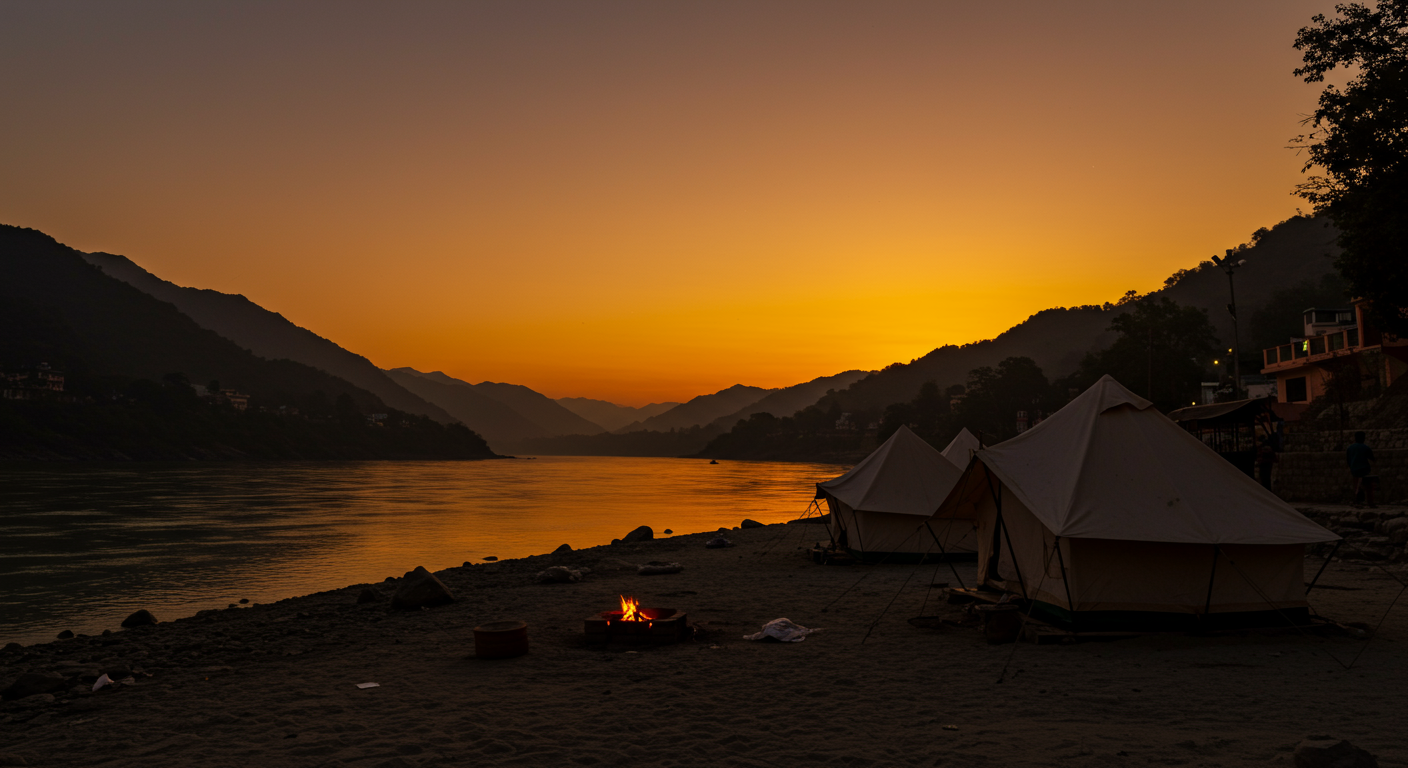
The distant chime of temple bells, the cool whisper of the Ganges flowing past, and the crisp Himalayan air – these are the sensations that greet you in Rishikesh. Most travellers don’t realise that Rishikesh offers a far more diverse range of accommodations than just ashrams. If you’re dreaming of a truly immersive experience, embracing nature without sacrificing comfort, then exploring the options for rishikesh camping & stays is absolutely essential. This guide will cut through the noise, offering you practical, insider advice on how to plan your perfect escape, from choosing the right camp to discovering hidden gems only locals know about. Get ready to dive deep into everything you need to know about making your Rishikesh adventure unforgettable.
What is Rishikesh Camping & Stays and Why It Matters for Your Trip
When you hear “Rishikesh,” thoughts often drift to yoga, spirituality, and white-water rafting. While these are certainly core to the Rishikesh experience, the way you choose your accommodation, particularly your rishikesh camping & stays, can profoundly shape your entire journey. It’s not just about a place to sleep; it’s about integrating with the natural environment, finding peace by the riverside, or setting up base for thrilling adventures. From luxurious glamping tents with all amenities to rustic riverside camps offering basic comfort, the options for camping and stays in Rishikesh cater to every preference and budget.
Types of Rishikesh Camping & Stays: From Riverside Tents to Cozy Guesthouses
Understanding the variety of rishikesh camping & stays is your first step towards tailoring your perfect trip. You’ll find a spectrum of choices, each offering a unique flavour of this spiritual and adventurous town. Imagine waking up to the sound of the Ganges, stepping out of your tent onto soft sand, or enjoying a cup of chai on a private balcony overlooking the river. These are not mere fantasies but tangible experiences available across Rishikesh.
- Riverside Adventure Camps: These are often found a little outside the main town, particularly in areas like Shivpuri and Kaudiyala. They typically offer sturdy tents, sometimes with attached washrooms, and are primarily geared towards adventure activities like rafting, bungee jumping, and trekking. Expect communal dining and bonfire nights. A stay here often includes activity packages.
- Luxury Glamping Sites: For those who desire comfort amidst nature, glamping provides spacious, well-appointed tents with proper beds, air conditioning (sometimes), and private facilities. These sites offer a boutique experience, blending the ruggedness of camping with the amenities of a hotel. They are perfect for couples or families seeking a serene yet comfortable retreat.
- Ashram Stays: While not strictly “camping,” ashrams like Parmarth Niketan offer a deeply spiritual and communal living experience at very affordable rates (often around INR 300-800 per night, including meals). Rooms are simple, clean, and focus on providing a conducive environment for meditation and yoga. It’s a unique form of stay, offering profound insights into the local culture.
- Budget Guesthouses & Hostels: Scattered around Laxman Jhula and Tapovan, these offer basic rooms, often with shared facilities. They are popular with backpackers and solo travellers, providing a social atmosphere and easy access to cafes and yoga studios. While not camping, they represent a common “stay” option for those looking for affordability and community.
Each type of stay provides a different lens through which to experience Rishikesh. Whether you’re an adrenaline junkie, a spiritual seeker, or simply looking to unwind, the diverse offerings ensure there’s a perfect match for you.
Why Choose Camping & Stays in Rishikesh for Your Adventure?
Opting for rishikesh camping & stays in rishikesh isn’t just a logistical decision; it’s a choice to immerse yourself more deeply in the essence of this incredible destination. Unlike a conventional hotel, camping puts you directly in touch with nature, offering a sensory experience that rejuvenates the mind and body. The fresh air, the sounds of the river, and the starlit nights create an atmosphere of profound tranquility and adventure.
You might also be interested in: Read more about: Defy Gravity: Your Ultimate Guide to …
“Choosing the right camping experience in Rishikesh allows you to wake up to the sound of the Ganges and truly connect with the spiritual energy of the Himalayas. It’s an unparalleled way to experience the region’s natural beauty.”
Moreover, many of the best rishikesh camping & stays in rishikesh are strategically located near adventure hubs like Shivpuri, providing immediate access to rafting starting points or trekking trails. This proximity saves travel time and enhances the spontaneity of your adventures. For those seeking spiritual solace, certain camps offer yoga and meditation sessions, sometimes even daily Ganga Aarti viewings right from their premises. This direct engagement with the local environment and activities is a key benefit, fostering a sense of connection that a city-center hotel simply cannot replicate. It’s about crafting memories that go beyond sightseeing, truly living the Rishikesh lifestyle, even if for a short while.
How To Do It: Practical Step-by-Step Guide to Your Rishikesh Camping & Stays
Planning your perfect rishikesh camping & stays requires a bit of foresight and preparation. To ensure a smooth and enjoyable trip, follow this practical step-by-step guide. From booking to packing, we’ll cover everything you need to know to make your Rishikesh adventure seamless and stress-free. Remember, a little planning goes a long way in maximizing your experience in this beautiful Himalayan town.
Planning Your Perfect Rishikesh Camping & Stays Experience
Before you even pack your bags, a few key decisions will shape your entire trip. The first is determining the best time to visit Rishikesh. The weather significantly impacts the camping experience. October to March offers pleasant, cool weather, ideal for outdoor activities and bonfires. April to June are hot but popular for rafting before the monsoon. Monsoon (July to September) brings lush greenery but can make river activities challenging and roads slippery. For the ultimate experience, aim for the post-monsoon period (October-November) when the Ganges is full, and the weather is delightful.
Next, consider your budget and desired level of comfort. Prices for rishikesh camping & stays can vary widely. A basic tent stay with shared facilities might cost INR 1,500-2,500 per person per night, often including meals and one activity like rafting. Glamping options can range from INR 4,000-8,000+ per night. Always check what’s included in the package – meals, activities, and transport to ensure you’re getting the best value. Booking in advance, especially during peak seasons (long weekends, Diwali, New Year), is crucial, as the best rishikesh camping & stays in rishikesh fill up quickly.
You might also be interested in: Read more about: Savoring Rishikesh Food & Local Culture:…
When selecting a camp, read recent reviews focusing on cleanliness, safety, and staff helpfulness. Look for camps with good reviews on hygiene standards, especially for washrooms, which can make or break a camping experience. Consider the camp’s location relative to the activities you plan. If you’re primarily interested in rafting, a camp in Shivpuri will be more convenient than one near Laxman Jhula. Always confirm the exact location and accessibility, as some camps might require a short trek or be off the main road.
Essential Gear and Safety for Your Rishikesh Adventure
Packing smart is crucial for enjoying your rishikesh camping & stays. Here’s a checklist of essentials:
- Clothing: Layering is key. Evenings can be chilly, especially by the river, so pack sweaters or light jackets. During the day, light, breathable clothing is suitable. If you plan on rafting, bring quick-drying shorts and t-shirts, and an extra change of clothes. For spiritual activities, modest attire is recommended, especially when visiting temples or ashrams like Triveni Ghat or Parmarth Niketan.
- Footwear: Comfortable walking shoes or trekking sandals are a must. If rafting, water-friendly sandals with good grip are ideal. Avoid flip-flops for anything more strenuous than walking around the camp.
- Sun Protection: Sunscreen, a wide-brimmed hat, and sunglasses are vital, especially if you’re spending time outdoors or on the river.
- Personal Toiletries & First Aid: While some camps provide basic toiletries, it’s best to carry your own. A small first-aid kit with band-aids, antiseptic, pain relievers, and any personal medications is highly recommended.
- Essentials: A power bank, headlamp or flashlight (camps can be dimly lit at night), insect repellent, and a reusable water bottle are indispensable.
Safety is paramount. When booking adventure activities like rafting, always choose a reputable operator with certified guides and proper safety equipment. Ensure your camp has basic first-aid facilities and emergency contact numbers. Inform your camp staff of any medical conditions. While Rishikesh is generally safe, especially around the main tourist areas, it’s wise to keep an eye on your belongings and avoid venturing into isolated areas alone after dark. For women travellers, it’s always advisable to be in groups, especially in less crowded areas. The local police in Rishikesh are generally helpful, but prevention is always the best solution in Rishikesh.
Insider Tips & Best Practices for Your Rishikesh Camping & Stays
To truly elevate your experience of rishikesh camping & stays, move beyond the standard tourist itinerary. These insider tips will help you discover the authentic charm and hidden delights of Rishikesh, ensuring your trip is not just memorable, but truly transformative. From seasonal nuances to local etiquette, these insights come from years of exploring this spiritual haven.
You might also be interested in: Explore Rishikesh Adventures on Bucketlistt
Uncovering the Best Rishikesh Camping & Stays in Rishikesh: Local Secrets
The secret to finding the best rishikesh camping & stays in rishikesh often lies in timing and local knowledge. While peak season offers vibrant energy, the shoulder seasons (early October, late February, early March) can provide a more serene experience with pleasant weather and fewer crowds. During these times, you might find better deals and more personalized service. Always try to negotiate directly with camp owners or local agents rather than relying solely on online platforms, as they can often offer competitive prices and more flexible packages, especially for longer stays.
When choosing a location, consider your priorities. If peace and quiet are paramount, look for camps a bit further from the main road in Shivpuri or even beyond, towards Kaudiyala. These areas offer more untouched natural beauty and fewer disturbances. If you want a balance of nature and accessibility to cafes and markets, then a camp or guesthouse slightly outside the bustling Laxman Jhula area, perhaps across the Ganges, might be ideal. Don’t be afraid to ask for a virtual tour or recent photos of the camp facilities, especially the washrooms, before booking. Many local operators are happy to provide this transparency. Finding the right fit is key to enjoying your rishikesh camping & stays.
Another insider tip: many camps offer packages that include not just accommodation and meals, but also activities like rafting, trekking, and yoga sessions. These can often be more cost-effective than booking everything separately. Inquire about these all-inclusive deals, and don’t hesitate to customize them to your preferences. Remember, the experts in Rishikesh for camping and adventure activities are often found directly in the local community, so engage with them.
Rishikesh is one of those rare destinations that genuinely delivers on its reputation — whether you come for the adrenaline, the spirituality, or simply to sit by the Ganga and think. This guide covered best rishikesh camping & stays in rishikesh, rishikesh camping & stays, rishikesh camping & stays in rishikesh, giving you the practical knowledge to plan a memorable visit. If you want a curated list of verified operators and activity packages, you can browse options on Bucketlistt.
Frequently Asked Questions
What is the best time to visit Rishikesh for adventure activities?
The best time to visit Rishikesh for adventure sports is October to November and February to May. The weather is clear, the Ganges water level is ideal for rafting, and most outdoor operators are fully active. Avoid the July–September monsoon season when heavy rainfall suspends many river and outdoor activities.
Is Rishikesh safe for solo travellers?
Yes — Rishikesh is generally considered safe for solo travellers, including solo female travellers. The city is a popular destination with a strong tourist infrastructure, well-lit main roads, and a vibrant community of yoga and adventure seekers. As with any travel, stay aware of your surroundings, book activities through verified operators, and keep your accommodation details handy.
How do I get from Rishikesh to the bungee jump or rafting starting point?
Most adventure activity start points are 15–30 km from Rishikesh town. Auto-rickshaws and shared taxis are available from Laxman Jhula and Ram Jhula areas. Many operators offer free or low-cost pickup from a central meeting point in Rishikesh — confirm this when booking. The drive through the Himalayan foothills is itself a scenic experience worth savouring.
Are there age or weight restrictions for activities in Rishikesh?
Yes — most operators have safety-based restrictions. Bungee jumping typically requires participants to be 12+ years old, weigh between 40–110 kg, and have no history of heart conditions or back problems. Rafting generally accepts ages 14+ on the standard routes. Paragliding requires a weight limit of around 100–110 kg maximum. Always check the specific operator’s requirements when booking.
What should I wear and bring for adventure activities in Rishikesh?
Wear comfortable, athletic clothing that you don’t mind getting wet. Closed-toe shoes (trainers or sandals with straps) are essential for rafting and trekking. Bring a valid photo ID, some cash in INR, a change of clothes, and a small waterproof bag for your phone and valuables. Sunscreen and a water bottle are important for longer activities.
What are the must-visit places in Rishikesh besides adventure sports?
Beyond the adventure scene, Rishikesh has a rich cultural and spiritual side worth exploring. Triveni Ghat hosts a mesmerising Ganga Aarti ceremony every evening at sunset — free to attend and deeply moving. Laxman Jhula and Ram Jhula suspension bridges are iconic landmarks. The Beatles Ashram (Maharishi Mahesh Yogi’s old meditation campus) is a fascinating abandoned site now open to visitors. Nearby Neelkanth Mahadev Temple is a popular pilgrimage site about 32 km away.