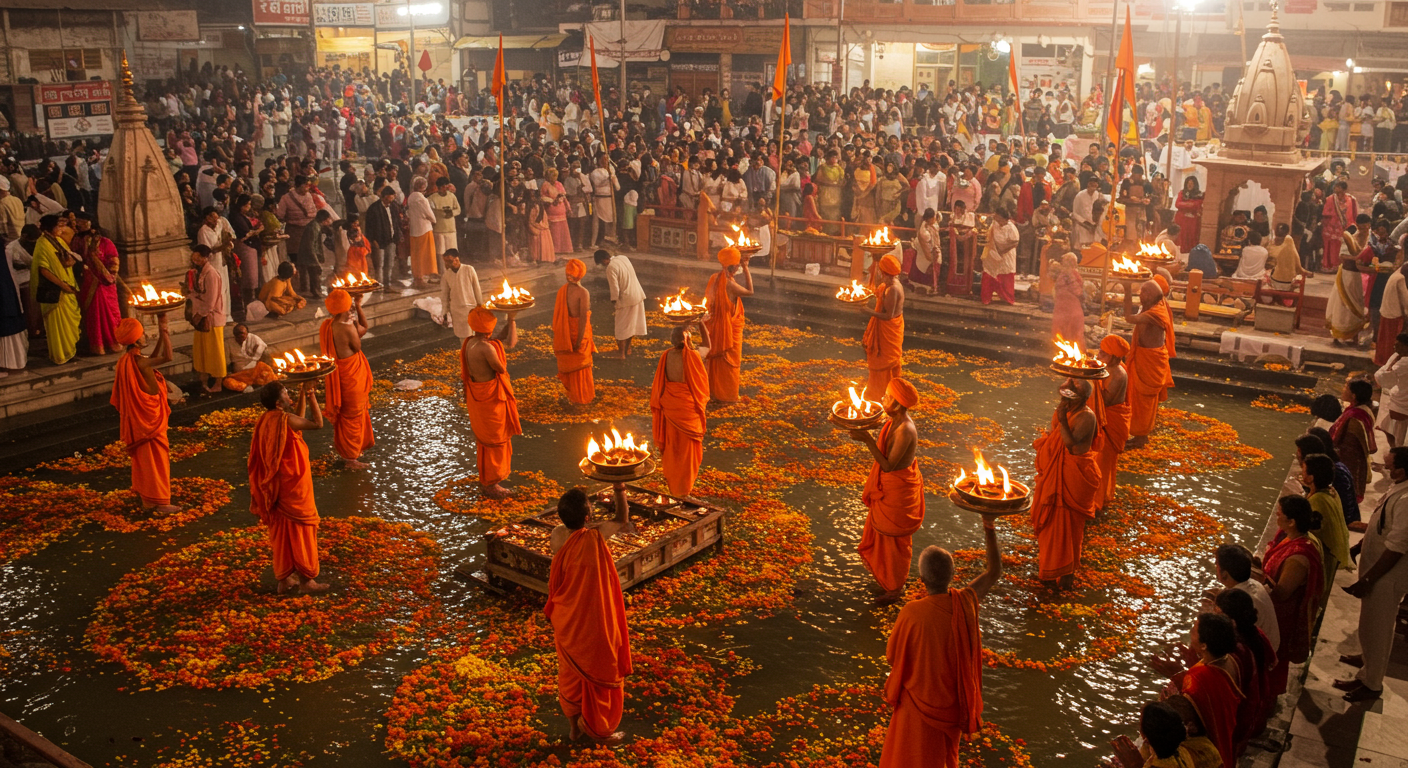
The crisp, cool air carries the scent of pine and incense, and the sacred Ganges flows with a rhythmic murmur. This is the essence of Rishikesh, a place where spirituality meets adrenaline. As an experienced traveler who has navigated its seasons, I can tell you that understanding the best time to visit Rishikesh is paramount to crafting an unforgettable journey. Most travelers don’t realize how dramatically Rishikesh transforms with the seasons, impacting everything from river rafting to yoga retreats. This guide isn’t just about dates on a calendar; it’s about unlocking the fullest potential of your trip, ensuring you choose the ideal period for your specific desires.
My goal here is to equip you with the insider knowledge you need to make informed decisions. We’ll delve into the nuances of each season, revealing not just when to go, but why certain times are superior for specific activities and how to prepare for them. From avoiding monsoon downpours that halt river activities to catching the perfect weather for temple visits and meditation, this article will answer all your practical questions, ensuring your experience in Rishikesh is nothing short of magical.
Understanding Rishikesh’s Seasons: What It Is & Why It Matters
Rishikesh, nestled in the foothills of the Himalayas, experiences distinct seasons that profoundly influence the travel experience. The “best time to visit Rishikesh” isn’t a one-size-fits-all answer; it’s a dynamic concept dictated by your travel goals. Are you seeking thrilling white-water rafting, serene yoga and meditation, or perhaps a spiritual pilgrimage to ancient temples? Each pursuit has its optimal window, and understanding these seasonal shifts is the bedrock of a well-planned trip. The tourism industry’s professional standards for recommending travel periods are heavily based on climate, activity availability, and crowd levels, all of which vary significantly throughout the year.
The beauty of Rishikesh truly lies in its ability to transform, offering different facets of its charm depending on when you arrive. From the bustling crowds of peak season to the tranquil solitude of the off-season, each period presents its own set of advantages and challenges. Ignoring these climatic patterns can lead to disappointment, whether it’s finding your favorite adventure sports closed or battling unbearable heat during a spiritual retreat. This section aims to demystify these seasonal variations, providing you with the clarity needed to align your visit with Rishikesh’s natural rhythms.
The Distinct Personalities of Rishikesh’s Climate
Rishikesh essentially cycles through three primary seasons: winter, summer, and monsoon. Each brings a unique set of weather conditions, influencing everything from the flow of the Ganges to the accessibility of hiking trails. Winter (October to February) is generally considered the most pleasant, with cool, clear days ideal for sightseeing, yoga, and light trekking. Temperatures typically range from 8°C to 20°C. Summer (March to June) sees temperatures soar, often reaching 35-40°C, making outdoor activities challenging, especially in midday. However, early mornings and evenings can still be beautiful. Monsoon (July to September) brings heavy rainfall, which, while rejuvenating the landscape, can lead to road closures, river swelling, and a temporary halt to river-based adventure sports like rafting. The humidity is also high during this period.
For example, the iconic Neelkanth Mahadev Temple, situated at 1330m, offers panoramic views that are breathtaking during the clear winter months but can be obscured by monsoon clouds or hazy summer air. Similarly, the vibrant markets near Lakshman Jhula and Ram Jhula, where you can find everything from spiritual artifacts to local handicrafts, are more comfortable to explore when the weather is mild. A cup of chai from a local vendor, costing around 20-30 INR, tastes much better when you’re not battling extreme heat or rain.
Aligning Your Goals with the Best Time to Visit Rishikesh
Choosing the best time to visit Rishikesh in Rishikesh hinges entirely on your travel priorities. If adventure sports like white-water rafting and bungee jumping are at the top of your list, the post-monsoon period (late September to mid-November) and pre-monsoon spring (March to early May) are ideal. The river levels are perfect, and the weather is conducive to high-energy activities. For those seeking spiritual solace, yoga, and meditation, the cooler, calmer months of October to March offer the most conducive environment. The numerous ashrams and yoga centers thrive during this period, with many international guests. The serene atmosphere is perfect for deep introspection and learning.
You might also be interested in: Read more about: Finding the Best Hotels in Rishikesh: A …
Expert Tip: Don’t underestimate the power of shoulder seasons (March and late September). While they might have slightly less predictable weather, they often offer fewer crowds and better deals on accommodation and activities, providing a more authentic and budget-friendly experience.
If you’re interested in exploring the natural beauty, including hidden gems like the Garud Chatti Waterfall or the meditative tranquility of Jhilmil Gufa, the winter months provide the most comfortable trekking conditions. The trails are dry, and the lush greenery is still vibrant from the retreating monsoon. Trying to visit these natural sites during peak summer can be exhausting due to the heat, and during monsoon, they can be inaccessible or slippery. Understanding these seasonal nuances is key to optimizing your visit and ensuring a fulfilling experience, whatever your agenda.
How To Do It: Practical Step-by-Step Guide for Planning Your Trip
🌊 Book River Rafting in Rishikesh
Experience the thrill of white-water rafting with certified guides and a 100% safety record. Choose from 9km to 36km routes — instant confirmation guaranteed!
Once you’ve identified your ideal season, the next step is meticulous planning. This isn’t just about booking flights; it’s about preparing yourself for the unique environment and ensuring a smooth, enjoyable trip. From securing accommodation to packing the right gear and understanding local transportation, a structured approach is essential. The travel industry has evolved with robust protocols to guide travelers, emphasizing safety, comfort, and local respect. Our goal is to apply these professional best practices to your personal itinerary, making your journey seamless and stress-free, regardless of the best time to visit Rishikesh you choose.
Planning your explore all Rishikesh adventures on Bucketlistt involves several key considerations that go beyond just picking a date. It includes understanding the logistics of travel, budgeting, and ensuring you’re adequately prepared for the activities you intend to pursue. From yoga retreats to adventure sports, each aspect requires specific preparation. This section breaks down the practical steps, offering actionable advice to help you navigate your journey effectively and make the most of your chosen time to visit.
Pre-Trip Preparation and Booking Essentials
Effective preparation starts well before you pack your bags. Here’s a checklist to ensure you cover all bases:
- Accommodation: Book well in advance, especially if you’re visiting during peak season (October-November, February-April). Popular ashrams and hotels fill up quickly. A decent guesthouse can cost anywhere from 800 INR to 3000 INR per night, depending on the season and amenities.
- Travel: Rishikesh is well-connected by road, rail, and air. The nearest airport is Jolly Grant Airport (DED) in Dehradun, about 35 km away. Taxis from the airport to Rishikesh cost around 1000-1500 INR. Haridwar Railway Station is the closest major railhead. Consider booking train tickets several months ahead for popular routes.
- Visa & Documents: Ensure your passport is valid for at least six months beyond your intended stay. Check India’s e-visa requirements if applicable. Carry photocopies of all important documents.
- Insurance: Travel insurance is highly recommended, especially if you plan on participating in adventure sports. It should cover medical emergencies, trip cancellations, and lost luggage.
- Health & Safety: Consult your doctor about necessary vaccinations. Carry a basic first-aid kit, including any personal medications, insect repellent, and sunscreen.
For adventure activities, many of the top-rated in Rishikesh adventure operators require advance booking, particularly for popular activities like white-water rafting in Shivpuri, the hub of adventure 19km from town. Confirm their safety standards and certifications before committing.
You might also be interested in: Read more about: Your Essential Guide to Rishikesh Travel…
What to Wear, Pack, and On-Site Logistics
Your packing list will heavily depend on when you decide it’s the best best time to visit Rishikesh in Rishikesh for you. Here’s a general guide:
- Winter (Oct-Feb): Pack warm layers – sweaters, jackets, scarves, and hats. Days are pleasant, but evenings can be quite chilly. Comfortable walking shoes are essential.
- Summer (Mar-Jun): Light, breathable cotton clothing is a must. Sunscreen, a wide-brimmed hat, and sunglasses are indispensable. Stay hydrated.
- Monsoon (Jul-Sep): Lightweight, quick-drying clothes, a good quality raincoat or umbrella, and waterproof footwear are crucial. Avoid heavy fabrics that retain moisture.
- General Essentials: Reusable water bottle, power bank, universal adapter, personal toiletries, a small backpack for day trips, and a good camera. Modest clothing is respectful, especially when visiting temples and ashrams.
Once you arrive, local transportation options include auto-rickshaws, shared jeeps, and walking. Auto-rickshaws are readily available and can be negotiated for fares. For instance, a ride from Ram Jhula to Lakshman Jhula might cost around 50-100 INR. Always agree on the fare before starting your journey. Consulting local rafting experts in Rishikesh before heading out for river adventures can provide invaluable real-time safety advice and gear recommendations.
Insider Tips & Best Practices for an Enriched Experience
Beyond the logistical planning, there are subtle nuances that can elevate your trip from good to extraordinary. These are the insights gained from countless journeys and conversations with locals – the kind of advice that separates a mere tourist from an integrated traveler. Understanding the rhythm of the town, knowing when to embrace the crowds and when to seek solitude, and discovering hidden gems can profoundly enhance your experience. This section offers those invaluable insider tips and best practices for anyone looking to optimize their visit and discover the true spirit of Rishikesh.
Maximizing your time in Rishikesh means more than just hitting the popular spots. It involves immersing yourself in the local culture, respecting its traditions, and being open to serendipitous discoveries. I’ll share some practical advice on how to navigate the town, make the most of its spiritual offerings, and even uncover some of its lesser-known treasures. These tips are designed to help you connect more deeply with the destination, ensuring your journey to Rishikesh is both authentic and deeply rewarding, irrespective of when you conclude is the best time to visit Rishikesh for you.
Timing Your Activities for Optimal Enjoyment and Discovery
The best time to visit Rishikesh in Rishikesh for certain activities isn’t just about the season, but also the time of day. For instance, the early mornings (sunrise) are magical for yoga and meditation by the Ganges, or for visiting temples like Triveni Ghat for the morning aarti (prayer ceremony). The light is soft, the air is cool, and the spiritual energy is palpable. Conversely, adventure sports like rafting and bungee jumping are best enjoyed during the late morning or early afternoon when the sun is out, and the river is at its most inviting.
To truly get a sense of the local life, take a walk across Rishikesh’s iconic bridges, Ram Jhula and Lakshman Jhula, during sunset. The evening aarti at Parmarth Niketan Ashram is a mesmerizing experience, drawing large crowds. Arrive at least an hour early to secure a good spot. For those seeking quiet contemplation, consider visiting the serene ruins of The Beatles Ashram (Chaurasi Kutia) in the late afternoon. The soft, golden light filtering through the trees creates a contemplative atmosphere, perfect for exploring the graffiti-covered meditation cells and reflecting on its unique history.
You might also be interested in: Explore Rishikesh Adventures on Bucketlistt
Insider’s Secret: If you’re visiting during the winter, consider a sunrise trek to a nearby viewpoint for unparalleled views of the snow-capped Himalayas. Many local guides offer these short treks, and the early start is well worth the effort for the breathtaking vistas.
Navigating Crowds, Avoiding Pitfalls, and Embracing Local Culture
Rishikesh can get very crowded, especially during peak seasons and major festivals like Shivratri or the International Yoga Festival. If solitude is your aim, consider visiting during the shoulder months (early March or late September) or the monsoon season, when the tourist influx is significantly lower. While some activities might be curtailed during monsoon, the lush green landscapes and the powerful flow of the Ganges offer a unique, serene beauty. Always be mindful of local customs; dress modestly, especially when visiting religious sites, and remove your shoes before entering temples or ashrams.
When it comes to dining, explore the numerous cafes and restaurants offering a variety of cuisines, from traditional Indian thalis to international vegan fare. Don’t be afraid to try street food, but choose vendors who appear clean and busy. Always drink bottled or filtered water. Bargaining is common in local markets, but do so respectfully. Finally, engage with the locals; they are often warm and welcoming and can provide the most authentic insights into the town’s culture and hidden treasures. This respectful engagement ensures you have the best best time to visit Rishikesh in Rishikesh possible.
For those interested in exploring beyond the main town, a trip to the Garud Chatti Waterfall or the mystical Jhilmil Gufa offers a refreshing escape. These spots, while gaining popularity, still retain a sense of untouched tranquility compared to the bustling ghats. A short trek to these locations, ideally in the morning, allows you to connect with nature and experience a different side of Rishikesh. Always hire a local guide for treks to unfamiliar areas, especially if you’re venturing off the main paths. Their knowledge of the terrain and local folklore can greatly enrich your journey and ensure your safety.
Rishikesh is one of those rare destinations that genuinely delivers on its reputation — whether you come for the adrenaline, the spirituality, or simply to sit by the Ganga and think. This guide covered best best time to visit rishikesh in rishikesh, best time to visit rishikesh, best time to visit rishikesh in rishikesh, giving you the practical knowledge to plan a memorable visit. If you want a curated list of verified operators and activity packages, you can browse options on Bucketlistt.
Frequently Asked Questions about the Best Time to Visit Rishikesh
What is generally considered the best time to visit Rishikesh for all activities?
The period from October to mid-November and again from February to April is widely considered the best time to visit Rishikesh. During these months, the weather is pleasant, allowing for both spiritual activities and adventure sports like rafting.
Is it safe to visit Rishikesh during the monsoon season?
Visiting Rishikesh during the monsoon (July to September) can be safe, but requires caution. While the landscape is lush, heavy rains can cause landslides and river swelling, leading to temporary closures of roads and adventure activities. Always check local weather advisories.
When is the ideal time for white-water rafting in Rishikesh?
The ideal time for white-water rafting in Rishikesh is from late September to mid-November and from March to May. The river levels are optimal for thrilling rapids, and the weather is conducive to outdoor adventure.
What is the best time for yoga and meditation retreats in Rishikesh?
For yoga and meditation retreats, the cooler and drier months from October to March offer the most serene and comfortable environment. The weather is perfect for outdoor sessions and deep spiritual practice in Rishikesh.
How hot does Rishikesh get in the summer, and is it still worth visiting?
Rishikesh can get very hot in summer (May-June), with temperatures often exceeding 35°C. While challenging for daytime activities, early mornings and evenings can still be pleasant for spiritual pursuits. Many choose to avoid this period for extensive sightseeing.
Are there any festivals that make a specific time the best time to visit Rishikesh?
Yes, the International Yoga Festival in March and Shivratri in February or March can be excellent times to visit Rishikesh for cultural immersion. These festivals attract large crowds and offer unique spiritual experiences, though accommodation requires early booking.
What should I pack if I visit Rishikesh during the winter months?
For a winter visit to Rishikesh (October to February), pack warm layers including sweaters, jackets, scarves, and hats. While days are pleasant, evenings can be quite cold. Comfortable walking shoes are also a must.
Is Rishikesh ideal for a family trip, and what’s the best time to visit?
Rishikesh is wonderful for family trips, offering a mix of spiritual and gentle adventure activities. The months of October-November and March-April are generally the best time to visit, providing comfortable weather for all ages to enjoy.
Planning Your Perfect Rishikesh Journey
Ultimately, the choice of the best time to visit Rishikesh is a deeply personal one, guided by your interests, priorities, and tolerance for crowds or specific weather conditions. Rishikesh is a destination that offers something profound in every season, but a little strategic planning can significantly enhance your experience. Whether you’re seeking the thrill of rafting, the peace of yoga, or the serenity of temple visits, aligning your journey with the optimal season will ensure your memories are nothing short of spectacular.