
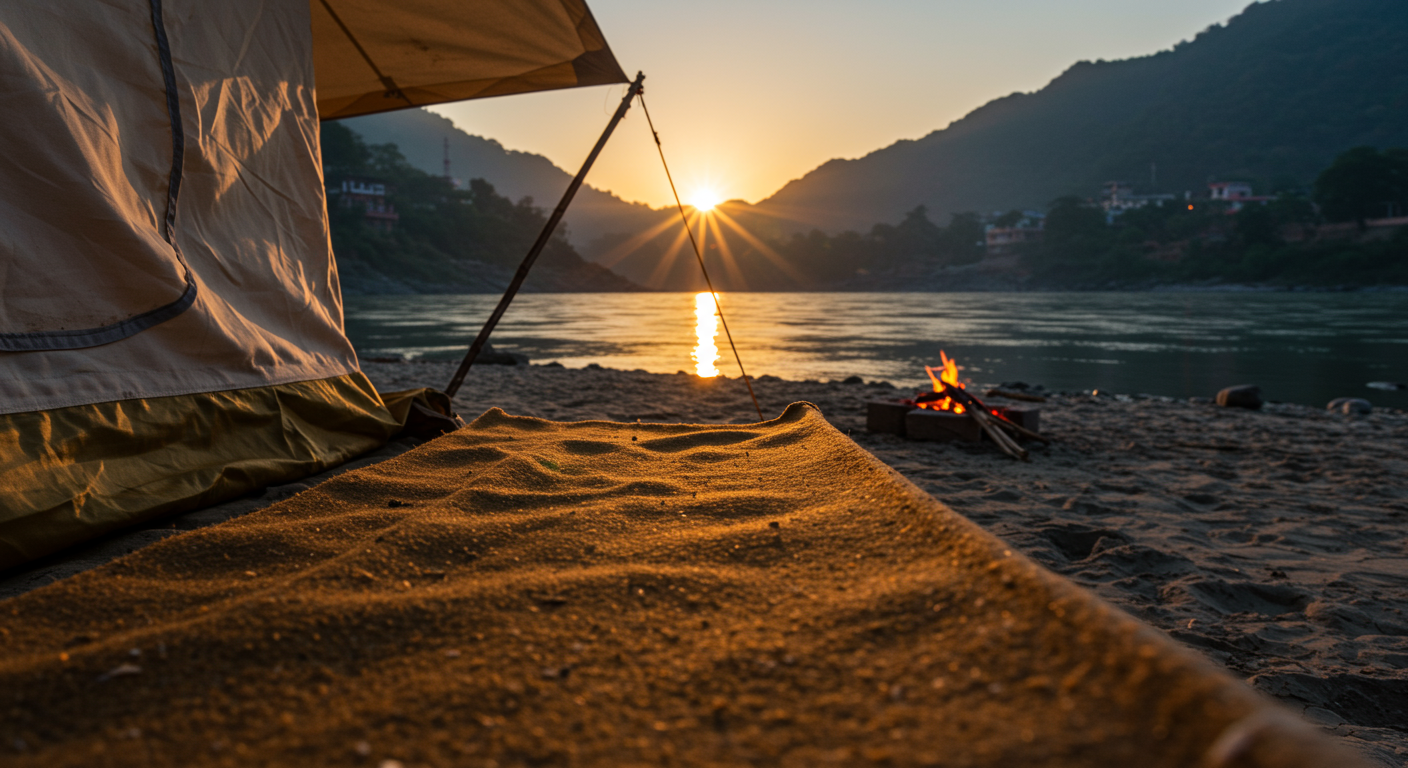
Imagine waking to the gentle murmur of the Ganges, the crisp mountain air filling your lungs, and the first rays of dawn painting the Himalayan foothills. This is the promise of the adventure capital camping & stays, an experience that transcends mere accommodation, offering a profound connection with nature and spirituality. As an independent travel expert with over 15 years navigating the globe’s most captivating destinations, I’ve witnessed firsthand the transformative power of a well-chosen stay. In recent years, the sector of the adventure capital camping & stays has evolved significantly, moving beyond basic tent setups to embrace a diverse range of eco-conscious and luxury options. This guide delves into the industry’s commitment to sustainability, offering a practical roadmap for discerning travelers seeking both adventure and responsibility in the spiritual heart of India.
The burgeoning popularity of the adventure capital, the spiritual heart of India, has brought both economic prosperity and environmental challenges to its vibrant tourism sector. Understanding the industry’s approach to sustainable practices is paramount for any traveler who wishes to contribute positively to this sacred destination. From riverside glamping to serene ashram-style accommodations, the options for the adventure capital camping & stays are vast, each presenting unique opportunities to engage with the local culture and pristine environment responsibly.
Understanding the Landscape of the adventure capital Camping & Stays
The camping and stays industry in the adventure capital is a dynamic ecosystem, catering to a wide spectrum of travelers, from spiritual seekers and adventure enthusiasts to families looking for a tranquil escape. What began as a collection of simple riverside camps has transformed into a sophisticated sector offering diverse experiences. This evolution has brought into sharp focus the need for sustainable practices, ensuring that the natural beauty and spiritual sanctity of this region endure for future generations. The industry here is keenly aware of its role in preserving the delicate Himalayan ecosystem and the sacred Ganges River.
The Evolution of Camping & Stays in the adventure capital
Historically, camping in the adventure capital was largely rudimentary, focused on basic shelters for pilgrims and trekkers. Fast forward to 2026, and the industry now boasts a variety of industrial applications for hospitality, ranging from permanent luxury tents with en-suite facilities to eco-lodges integrated seamlessly into the landscape. Large-scale usage scenarios include corporate retreats, yoga and meditation workshops, and adventure tourism groups, all of which demand robust infrastructure and adherence to safety and environmental standards. The growth of this sector has also seen the rise of specialized operators focusing on niche markets, such as digital detox camps or Ayurvedic wellness retreats, further diversifying the offerings for the adventure capital camping & stays.
This diversification means travelers can choose accommodations that align with their personal values, whether it’s a basic tent for an authentic wilderness experience or a more elaborate glamping setup that minimizes its footprint through renewable energy and waste recycling. The sector-wide benefits include job creation for locals, promotion of regional crafts, and a boost to the local economy. However, drawbacks can arise from unchecked growth, such as increased waste generation and strain on natural resources, making the implementation of sustainable practices critically important.
The Imperative for Sustainable Practices in the Industry
The phrase “yoga capital of the world” isn’t just a moniker; it’s a responsibility. The reputation of the adventure capital as a global spiritual and wellness hub depends heavily on its pristine environment. Therefore, for the camping and stays industry, sustainability isn’t merely a marketing buzzword; it’s an operational necessity. This involves everything from waste management and water conservation to supporting local communities and minimizing carbon footprints. Many operators within the the adventure capital camping & stays sector are now investing in solar power, rainwater harvesting, and organic farming to provide guests with a truly eco-friendly experience.
You might also be interested in: Read more about: Unveiling the Best Things To Do in Rishi…
From an industrial perspective, adopting sustainable practices leads to long-term resilience and competitive advantage. Camps that prioritize environmental stewardship often attract a more conscious clientele, creating a positive feedback loop. For instance, several establishments have implemented comprehensive waste segregation and composting programs, reducing landfill burden. Others are actively involved in reforestation projects in the surrounding Uttarakhand region, showcasing a commitment beyond their immediate premises. This sector-wide shift towards sustainability is crucial for maintaining the adventure capital’s allure as a gateway to the Himalayas and a sanctuary for spiritual growth.
Navigating the Options for the adventure capital Camping & Stays
🌊 Book River Rafting in the adventure capital
Experience the thrill of white-water rafting with certified guides and a 100% safety record. Choose from 9km to 36km routes — instant confirmation guaranteed!
Choosing the right accommodation in the adventure capital can significantly shape your travel experience. With an array of options available, understanding what constitutes the best the adventure capital camping & stays requires a discerning eye, especially when prioritizing sustainability. This section guides you through making informed decisions, ensuring your stay contributes positively to the destination.
Selecting the Best the adventure capital Camping & Stays
When searching for the best the adventure capital camping & stays, consider the following practical steps to ensure a responsible and enriching experience:
- Research Operator Certifications: Look for camps or eco-lodges that have recognized environmental certifications or clearly state their sustainability initiatives on their websites. This often includes waste management policies, water conservation efforts, and local employment practices.
- Read Reviews with a Focus on Ethics: Beyond comfort, check reviews for mentions of environmental practices, community engagement, and how staff treat guests and the local environment. An operator committed to sustainable tourism will often receive positive feedback in these areas.
- Inquire About Energy and Water Use: Don’t hesitate to ask potential providers about their energy sources (e.g., solar panels), water conservation techniques (e.g., low-flow fixtures, rainwater harvesting), and waste disposal methods. Responsible operators will be transparent and proud of their efforts.
- Consider Local Sourcing: Prioritize stays that source food locally and employ staff from nearby villages. This supports the local economy and reduces the carbon footprint associated with transportation. Many the adventure capital camping & stays establishments are keen to highlight their contributions to the local community.
- Evaluate Camp Location and Impact: Choose camps situated away from highly sensitive ecological zones or those that have minimized their impact on the immediate surroundings. An ideal location offers natural beauty without encroaching on wildlife habitats or pristine riverbanks.
These criteria allow you to select not just a place to sleep, but a partner in responsible tourism, ensuring your choice of the adventure capital camping & stays aligns with broader industry goals for environmental protection.
Preparing for Your Eco-Conscious Adventure
Once you’ve selected your ideal eco-friendly stay, preparing adequately enhances your experience and reinforces your commitment to sustainable travel. What to wear in the adventure capital varies by season. During summer (March to June), light cotton clothing is essential, while winter (November to February) demands layers, including warm jackets for chilly evenings. Monsoon season (July to October) requires waterproof gear. Always pack modest clothing suitable for visiting temples and ashrams.
Expert Tip: Bring a reusable water bottle. Many sustainable camps offer filtered water refills, significantly reducing plastic waste. This small action has a large positive impact on the environment of the adventure capital and the Ganges River.
You might also be interested in: Read more about: The Ultimate Guide to Multi-Activity Adv…
Costs for the adventure capital camping & stays can range from budget-friendly options (₹1,500-₹3,000 per night) to luxury glamping (₹5,000-₹15,000+ per night), depending on amenities and seasonality. Always confirm what’s included, such as meals, activities, and transfers. Safety tips include choosing reputable operators, especially for adventure activities like rafting or bungee jumping at Jumpin Heights (Mohan Chatti), where India’s premier bungee jumping destination (83 meters) is located. Always follow local guides’ instructions and be mindful of your surroundings, particularly when exploring solo or during evening hours.
Insider Tips & Best Practices for the adventure capital Camping & Stays
To truly immerse yourself in the magic of the adventure capital and make the most of your camping and stays experience, a few insider tips can elevate your journey. Understanding the rhythm of the region and engaging with its offerings thoughtfully will lead to an unforgettable adventure. This section provides local knowledge to enhance your visit while upholding responsible tourism principles.
Embracing Local Culture and Natural Wonders
Beyond your camp, the adventure capital offers a wealth of experiences. Make time to visit the iconic Laxman Jhula & Ram Jhula, the spiritual and cultural landmarks that span the Ganges. While walking across the newly opened Bajrang Setu (Glass Floor Bridge), India’s first glass-floor suspension bridge, take a moment to view the Ganges below and appreciate the engineering feat that replaces the historic Laxman Jhula. These bridges are not just crossings but vibrant hubs of activity, connecting major temples and ashrams. Exploring the market near these bridges offers a glimpse into local life and commerce.
For a profound spiritual experience, attend the Maha Ganga Aarti at Triveni Ghat. This sacred bathing spot hosts the most powerful evening ceremony, a spectacle of light, sound, and devotion. Arrive 45 minutes early for seating during Summer (6:00 PM – 7:00 PM) or Winter (5:30 PM – 6:30 PM). A holy dip here is considered highly auspicious. Nearby, the Raghunath Temple offers further spiritual solace. Another significant site is Parmarth Niketan, one of the largest ashrams in the adventure capital, renowned for its spiritual atmosphere and yoga classes, which many the adventure capital camping & stays packages include or facilitate visits to.
Discovering Underrated Gems and Seasonal Considerations
Venture beyond the well-trodden paths to discover the adventure capital’s hidden treasures. Rishikund, a sacred ancient pond near Raghunath Temple, is known for its reflection of the Shani temple and offers a peaceful retreat. Another serene spot is Vashishta Gufa, an ancient meditation cave of Sage Vashishta, a true sanctuary of silence. It’s open from 8:00 AM to 12:00 PM and 3:00 PM to 6:00 PM, offering a profound experience for quiet contemplation. For nature lovers, Garud Chatti Waterfall, a hidden gem near the Neelkanth temple road, is perfect for those seeking solitude and a refreshing dip. These locations provide a deeper connection to the region’s spiritual and natural heritage, often less crowded than the main attractions.
You might also be interested in: explore the adventure capital Adventures on the adventure capital-places
Best time of year to explore all the adventure capital adventures on Bucketlistt for camping and outdoor activities is generally from September to November and March to May. During these months, the weather is pleasant, ideal for white-water rafting, trekking, and yoga retreats. The monsoon season (July-August) brings lush greenery but can make some activities challenging due to heavy rainfall and swollen rivers. Winter (December-February) is cold, especially at night, but offers clear skies and a serene atmosphere, perfect for spiritual introspection. Always check local forecasts and the status of river activities before planning, especially if your rishikesh camping & stays includes adventure sports. The confluence of Ganges and Chandrabhaga rivers creates a unique microclimate that adds to the charm, but also means weather can be variable.
Remember, your interaction with the environment and local communities plays a crucial role in maintaining the integrity of this special place. Choose operators that prioritize sustainability, respect local customs, and leave no trace behind. By doing so, you contribute to preserving the pristine beauty and spiritual essence that makes Rishikesh a truly unique destination.
For those seeking adventure, Jumpin Heights in Mohan Chatti offers thrilling experiences like the Giant Swing and Flying Fox (1km), with combos available for ₹7000 – ₹9000. It’s a great way to add an adrenaline rush to your spiritual retreat. Ensure your chosen rishikesh camping & stays provider can assist with bookings or transport to such adventure spots.
As you plan your journey, remember that the goal is not just to visit Rishikesh, but to experience it in a way that honors its natural and cultural heritage. Opting for sustainable camping and stays is a powerful step in that direction, ensuring your adventure is both memorable and meaningful.
Rishikesh is one of those rare destinations that genuinely delivers on its reputation — whether you come for the adrenaline, the spirituality, or simply to sit by the Ganga and think. This guide covered best rishikesh camping & stays, rishikesh camping & stays, giving you the practical knowledge to plan a memorable visit. If you want a curated list of verified operators and activity packages, you can browse options on Bucketlistt.
Our travel portal addresses key search topics such as: rishikesh camping & stays, best rishikesh camping & stays, rishikesh camping & stays, best rishikesh camping & stays, rishikesh camping & stays, best rishikesh camping & stays, rishikesh camping & stays, best rishikesh camping & stays, rishikesh camping & stays, best rishikesh camping & stays to make your vacation planning seamless.
Frequently Asked Questions about Rishikesh Camping & Stays
What are the typical amenities offered at Rishikesh camping & stays?
Amenities vary widely, from basic tents with shared facilities to luxury glamping with attached washrooms, electricity, and even air conditioning. Many also include meals, bonfire evenings, and guided activities like trekking or yoga. The best rishikesh camping & stays often provide a blend of comfort and natural immersion.
Is it safe to go camping in Rishikesh?
Yes, camping in Rishikesh is generally safe, especially when booking through reputable operators who prioritize guest security. They often have trained staff, secure premises, and emergency protocols in place. Always follow safety guidelines provided by your camp and local authorities.
What is the best time of year for Rishikesh camping & stays?
The ideal time for Rishikesh camping & stays is from March to May and September to November, when the weather is pleasant for outdoor activities. Winters (December-February) are also good for a serene experience, though cold, while monsoons (July-August) can be challenging for some activities.
How can I ensure my Rishikesh camping & stays choice is eco-friendly?
Look for operators that highlight their sustainability practices, such as waste management, water conservation, and local community engagement. Check for eco-certifications or specific mentions of solar power, local sourcing, and environmental protection initiatives in their descriptions. The best rishikesh camping & stays are often transparent about their green efforts.
Are there options for luxury Rishikesh camping & stays?
Absolutely. The industry has seen a rise in luxury glamping options, offering spacious tents with proper beds, private bathrooms, and premium services. These often come with higher price points but provide an elevated comfort level amidst nature. You can find many such options for Rishikesh camping & stays.
What activities are typically included with Rishikesh camping & stays packages?
Many packages include activities like white-water rafting, trekking, yoga sessions, guided nature walks, and bonfires with music. Some also offer visits to local attractions like the Ganga Aarti at Triveni Ghat or nearby temples. Always confirm the included activities before booking your Rishikesh camping & stays.
What should I pack for a camping trip in Rishikesh?
Pack according to the season: light clothing for summer, layers for winter. Essentials include comfortable walking shoes, a reusable water bottle, sunscreen, insect repellent, a first-aid kit, and modest attire for spiritual sites. Don’t forget your camera to capture the stunning views from your Rishikesh camping & stays!
Can I find family-friendly Rishikesh camping & stays?
Yes, many operators cater to families, offering larger tents, child-friendly activities, and safer environments. It’s advisable to check with the camp about specific facilities and activities suitable for children before booking. Family-focused Rishikesh camping & stays ensure a memorable experience for all ages.