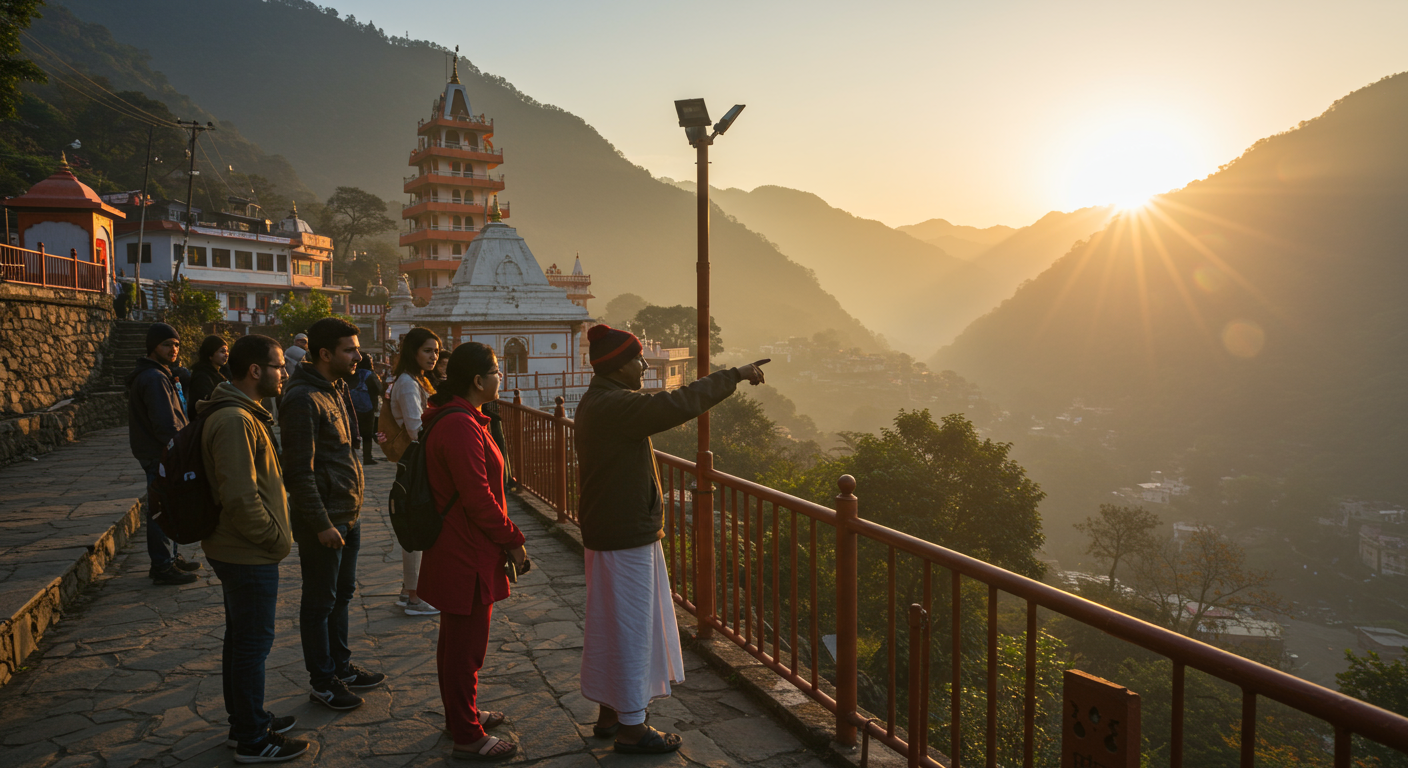
Unveiling Rishikesh: Your Journey to the Yoga Capital
The crisp morning air carries the faint scent of incense, mingling with the resonant chants from ashrams and the gentle murmur of the Ganges. This isn’t just a scene from a postcard; it’s the everyday reality of Rishikesh, a place where spirituality, adventure, and natural beauty converge. Many travelers arrive hoping for a transformative experience, only to find their trip hampered by unexpected weather or overcrowded seasons. Understanding the best time to visit Rishikesh is paramount to unlocking its true potential, ensuring your journey is one of serene discovery rather than logistical challenges.
As an experienced traveler who has explored every corner of this sacred city, I’ve witnessed firsthand how crucial timing is. This guide cuts through the noise, providing you with practical, insider knowledge to plan your perfect 2026 escape. We’ll delve into seasonal nuances, reveal optimal periods for various activities, and equip you with the foresight needed to truly embrace the spirit of this Himalayan gem. Whether you seek peaceful meditation, thrilling white-water rafting, or deep yogic immersion, knowing the best time to visit Rishikesh will profoundly shape your adventure.
Choosing Your Rishikesh Adventure: Why Timing Matters
🌊 Book River Rafting in Rishikesh
Experience the thrill of white-water rafting with certified guides and a 100% safety record. Choose from 9km to 36km routes — instant confirmation guaranteed!
Rishikesh, nestled in the foothills of the Himalayas, offers a diverse palette of experiences, from adrenaline-pumping river rafting to soul-soothing yoga retreats. However, the quality of these experiences varies dramatically with the seasons. Imagine attempting a strenuous trek to Patna Waterfall during the scorching summer, or navigating the flooded Ganges during monsoon. It simply wouldn’t be the same, or as enjoyable.
The core of a truly fulfilling trip to this spiritual hub lies in aligning your visit with the climate that best suits your chosen activities. For instance, the ideal window for white-water rafting demands specific river conditions, while the tranquility required for deep meditation is often found in cooler, less crowded months. This section will guide you through understanding the unique character of Rishikesh across the year, helping you pinpoint the best time to visit Rishikesh in Rishikesh itself for your specific goals.
What to Expect: Seasonal Variations and Activities
Rishikesh experiences three primary seasons, each offering a distinct flavor: winter, summer, and monsoon. Understanding these variations is key to planning. Winter (October to February) brings cool, pleasant days and chilly nights, perfect for spiritual pursuits, yoga, and leisurely exploration. The air is crisp, and the views of the surrounding mountains are often clearest. This is also when many major festivals, like the International Yoga Festival, take place, attracting visitors from across the globe.
Summer (March to June) sees temperatures rise, making river activities like rafting and swimming popular ways to beat the heat. While some find the warmth invigorating, others might find midday exploration challenging. The Ganges, however, remains inviting. Monsoon (July to September) transforms the landscape into a lush green paradise, but heavy rains can disrupt travel plans, cause river levels to swell dangerously, and sometimes lead to landslides. Rafting is often closed during this period for safety. The Phool Chatti Ashram Area, usually a quiet escape, might become harder to access during peak rains.
You might also be interested in: Read more about: Flying Fox & Zipline Rishikesh: Your Ult…
“The secret to a perfect Rishikesh trip isn’t just about what you do, but when you do it. The rhythm of the seasons dictates everything from river currents to festival calendars.”
Who Is It Best For: Aligning Your Purpose with the Calendar
If your primary goal is spiritual immersion, yoga, and meditation, the cooler, clearer months of October to early March offer the most conducive environment. The serene atmosphere is ideal for deep practice at places like Parmarth Niketan. For adventure seekers, particularly those keen on white-water rafting, the post-monsoon period of September to November, and then again from March to May, presents the best time to visit Rishikesh for optimal river conditions. The rapids are exhilarating, and the weather is generally favorable.
Budget travelers might find the shoulder seasons or even the monsoon period (if they’re prepared for rain) to offer better deals on accommodation and fewer crowds, though some activities might be limited. Families often prefer the pleasant weather of spring and autumn. Regardless of your travel style, knowing the seasonal characteristics ensures you’re not caught off guard. For example, during peak season, booking your stay near iconic spots like Laxman Jhula and Ram Jhula well in advance is a smart move, as accommodations can fill up quickly.
Planning Your Ideal Rishikesh Trip: A Practical Guide
Once you’ve decided on your primary reason for visiting, the next step is to map out the practicalities. Getting to Rishikesh, what to pack, and understanding local customs are all part of a seamless experience. This section provides a step-by-step guide to ensure your journey is as smooth as the flow of the Ganges.
Essential Preparations: What to Pack and How to Arrive
Your packing list will largely depend on the season. For winter visits (October-February), layers are essential: warm jackets, sweaters, hats, and scarves for the chilly mornings and evenings. Days are often pleasant enough for light clothing. For summer visits (March-June), lightweight cotton clothing, sunscreen, and a wide-brimmed hat are crucial. Regardless of the season, comfortable walking shoes are a must, as you’ll likely be exploring on foot. If you plan to visit temples, modest clothing that covers shoulders and knees is respectful.
Getting to Rishikesh is relatively straightforward. The nearest airport is Jolly Grant Airport (DED) in Dehradun, approximately 35 km away. From there, you can hire a taxi for around INR 1000-1500 directly to Rishikesh. The nearest major railway station is Haridwar (HW), about 25 km away, with frequent trains from major Indian cities. Buses are also a popular and economical option, connecting Rishikesh to Delhi and other northern Indian towns. Many travelers find that arriving early in the day allows for easier check-in and initial exploration.
- Transportation: Dehradun Airport (DED) for flights, Haridwar (HW) for trains. Taxis readily available.
- Accommodation: Book well in advance, especially during peak season (October-November, March-May). Options range from budget guesthouses to luxury resorts and ashrams.
- Clothing: Layers for winter, light cotton for summer. Modest attire for temples and ashrams.
- Essentials: Sunscreen, insect repellent, personal medications, power bank, reusable water bottle.
- Footwear: Comfortable walking sandals or shoes are ideal for exploring.
Safety, Costs, and Insider Tips for Your Stay
Rishikesh is generally a safe destination, but like any travel, common sense prevails. Be mindful of your belongings, especially in crowded areas like the markets near Ram Jhula. Always drink bottled or filtered water to avoid stomach issues. For activities like rafting, always choose reputable operators with certified guides and proper safety equipment. You’ll find many top-rated in Rishikesh adventure tour operators, but a quick online search for reviews can help confirm their reliability.
You might also be interested in: Read more about: Crafting Unforgettable Family Adventures…
Typical costs can vary significantly. A budget traveler might spend INR 1000-1500 per day on accommodation, food, and basic activities. Mid-range travelers can expect to spend INR 2500-4000, while luxury options can go much higher. A 16km white-water rafting trip might cost around INR 600-1000 per person. Yoga classes at ashrams like Parmarth Niketan often have varying donation-based or fixed fees. Learning a few basic Hindi phrases like “Namaste” (hello) and “Dhanyawad” (thank you) can enhance your interactions with locals.
One insider tip: while Laxman Jhula and Ram Jhula are iconic, take time to explore the quieter areas. The forest trails leading to Patna Waterfall, for example, offer a refreshing escape and a chance to connect with nature away from the main tourist hubs. Many local experts in Rishikesh can guide you to these serene spots.
Insider Tips & Best Practices for Rishikesh Visitors
Beyond the general advice, there are nuances that only experienced travelers or locals understand. These insights can elevate your trip from good to truly exceptional, allowing you to experience the authentic essence of Rishikesh.
Optimal Timing for Experiences and Avoiding Crowds
While the overall best time to visit Rishikesh for pleasant weather is October-November and March-April, discerning travelers can fine-tune their schedule. To avoid the largest crowds, consider visiting just outside these peak windows, for example, early October or late February. The mornings, especially before 8 AM, are universally the best time to visit ghats like Triveni Ghat for the Ganga Aarti, or to meditate by the river. The evening Ganga Aarti at Parmarth Niketan is a spiritual spectacle, but arrive at least an hour early for a good spot.
If you’re keen on trekking or exploring the less-trodden paths, the post-monsoon months of September and October offer lush greenery and clear skies, making it the best best time to visit Rishikesh in Rishikesh for nature lovers. The air is fresh, and the waterfalls are at their most vibrant. Conversely, avoiding major Indian holidays and long weekends will significantly reduce crowd density and often lead to better prices for accommodation and activities.
You might also be interested in: Explore Rishikesh Adventures on Bucketlistt
Local Secrets and Seasonal Nuances
A true local secret: venture beyond the main tourist stretch between Laxman Jhula and Ram Jhula. Take a walk along the trails on the other side of the Ganges, away from the immediate bustle. You’ll discover hidden cafes, quieter ashrams, and stunning viewpoints that few tourists ever see. The Phool Chatti Ashram Area is one such underrated gem, offering a peaceful retreat. Engaging with local vendors in the markets can also lead to unique finds and genuine interactions.
The monsoon, often dismissed by tourists, holds a unique charm for those willing to embrace it. While rafting is closed, the surrounding hills turn an incredible emerald green, and the sound of the rain adds a meditative quality to the spiritual atmosphere. It’s a time for introspection, indoor yoga, and enjoying the dramatic beauty of the landscape. Just be prepared for occasional power outages and slower travel. Many spiritual seekers find this a profound time for retreat, as the energy across Rishikesh shifts to a more introspective pace.
Your Rishikesh Journey Awaits
By now, you should have a clear understanding that while Rishikesh offers something for everyone, the timing of your visit is paramount to crafting your perfect experience. From the serene spiritual ambiance of winter to the adventurous thrill of summer rapids, each season presents a unique facet of this incredible destination. The best time to visit Rishikesh truly depends on what you seek.
My advice is simple: decide on your primary purpose—be it spiritual rejuvenation, adrenaline-fueled adventure, or a blend of both—and then align your travel dates accordingly, using this guide as your compass. Book your accommodations and key activities in advance, especially during peak seasons. Prepare for the weather, embrace the local culture, and allow yourself to be open to the magic that unfolds by the sacred Ganges. Your unforgettable journey to Rishikesh in 2026 is within reach. Start planning today!
Rishikesh is one of those rare destinations that genuinely delivers on its reputation — whether you come for the adrenaline, the spirituality, or simply to sit by the Ganga and think. This guide covered best best time to visit rishikesh in rishikesh, best time to visit rishikesh, best time to visit rishikesh in rishikesh, giving you the practical knowledge to plan a memorable visit. If you want a curated list of verified operators and activity packages, you can browse options on Bucketlistt.
Frequently Asked Questions about the Best Time to Visit Rishikesh
What is the absolute best time to visit Rishikesh for all activities?
The period from October to early November and then again from March to April is generally considered the best time to visit Rishikesh. During these months, the weather is pleasant, ideal for both spiritual activities and adventure sports like rafting.
When is the best time for white-water rafting in Rishikesh?
For white-water rafting, the prime seasons are September to November (post-monsoon) and March to May. The river levels are optimal, and the weather is conducive to outdoor activities, making it a great time for adventure in Rishikesh.
Is it good to visit Rishikesh during the monsoon season?
Visiting Rishikesh during monsoon (July-September) offers lush green landscapes and fewer crowds, ideal for introspection and indoor yoga. However, rafting is closed, and heavy rains can cause travel disruptions, so plan accordingly.
What months are best for yoga and spiritual retreats in Rishikesh?
For spiritual retreats and yoga, the cooler and calmer months from October to February are highly recommended. The serene atmosphere is perfect for deep practice at ashrams like Parmarth Niketan, ensuring a peaceful experience.
How can I avoid crowds when planning my trip to Rishikesh?
To avoid crowds, consider visiting Rishikesh during the shoulder seasons like early October or late February, or during weekdays. Also, avoid major Indian holidays and long weekends, as these periods see a significant influx of tourists.
What kind of weather can I expect in Rishikesh during winter?
During winter (December-February), Rishikesh experiences cool, pleasant days and chilly nights. Temperatures can drop significantly, especially in the evenings, so packing warm layers is essential for your comfort.
Are there any specific events that determine the best time to visit Rishikesh?
Yes, the International Yoga Festival in March is a major draw, attracting many visitors. Other local festivals throughout the year can also influence crowd levels and accommodation availability. Researching these events can help you plan the best time to visit Rishikesh for your interests.
What is the most budget-friendly time to visit Rishikesh?
Generally, the monsoon season (July-September) or the very beginning/end of the peak seasons tend to be more budget-friendly. Accommodation and activity prices are often lower due to fewer tourists, offering a different but equally enriching experience of Rishikesh.