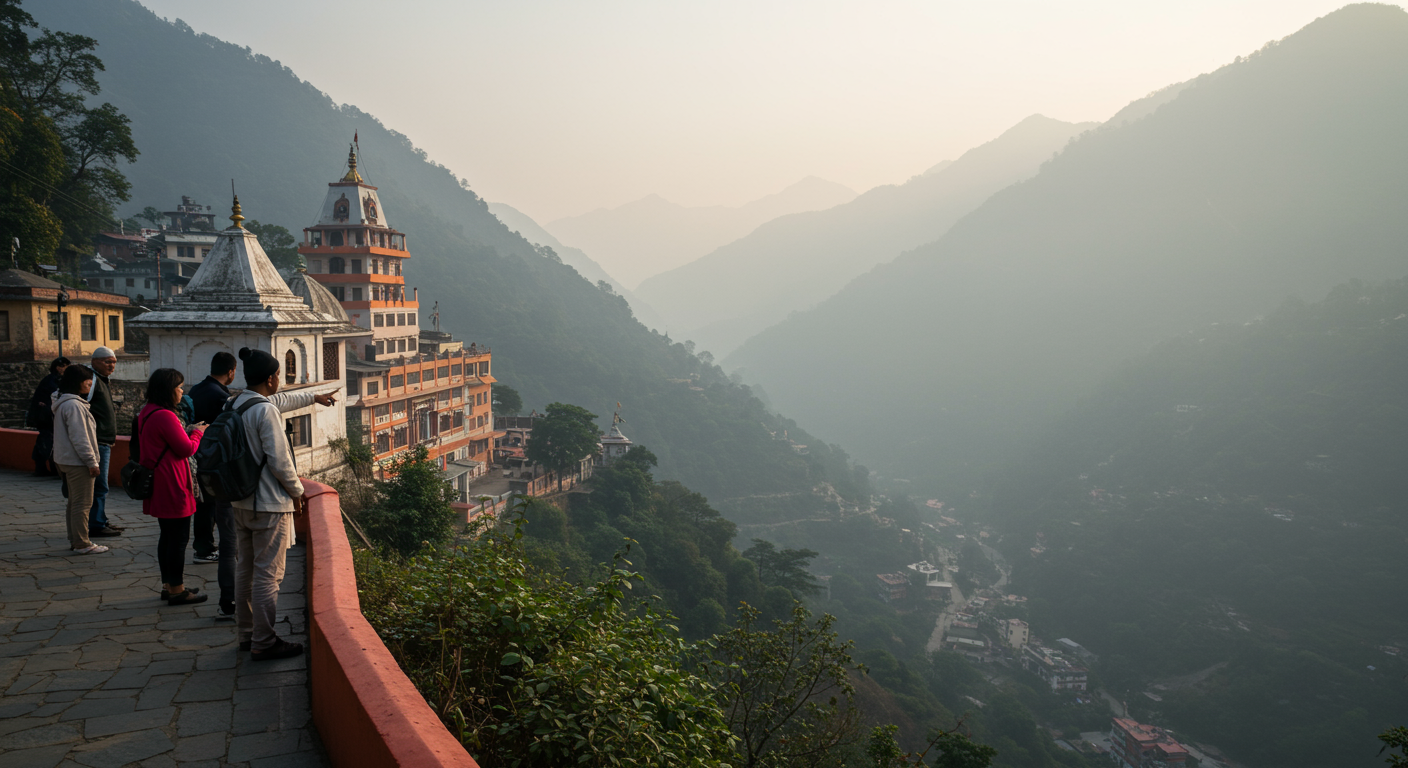
The gentle murmur of the Ganges, the distant chime of temple bells, and the invigorating scent of the Himalayas – these are the sensations that greet you in Rishikesh. Most travellers don’t realise that Rishikesh has two completely different personalities depending on the season: a serene spiritual haven and an adrenaline-fueled adventure hub. Knowing the best time to visit Rishikesh isn’t just about avoiding bad weather; it’s about aligning your trip with the experiences you crave most. As someone who has spent significant time navigating the winding paths and mighty river currents here, I’m going to share the hard-won wisdom you need to plan an unforgettable journey.
This comprehensive guide will cut through the noise, providing practical advice on when to visit, what to expect, and how to make the most of your time in this incredible city. We’ll dive deep into seasonal nuances, highlight must-see spots like Laxman Jhula and the tranquil Goa Beach, and equip you with insider tips for a truly authentic experience. By the end, you’ll know precisely when to pack your bags for your ideal Rishikesh getaway.
Understanding Rishikesh’s Seasonal Rhythms: When to Go
Rishikesh, nestled in the foothills of the Himalayas, experiences distinct seasons, each offering a unique flavour for visitors. Deciding the best time to visit Rishikesh largely depends on your priorities, whether you’re seeking spiritual solace, thrilling adventure, or a peaceful escape. From the crisp, clear air of winter to the vibrant, lush landscapes of the post-monsoon period, the city transforms throughout the year.
The Ideal Seasons for Spiritual Seekers and Adventure Enthusiasts
For most visitors, the period from September to November and again from February to April represents the absolute sweet spot. During these months, the weather is consistently pleasant, offering cool mornings, warm afternoons, and comfortable evenings. This makes it the perfect window for both outdoor activities and introspective spiritual practices. The Ganges flows majestically, neither too furious from monsoon rains nor too low from summer heat, providing ideal conditions for rafting and riverside meditation. You’ll find a lively atmosphere without the overwhelming crowds of peak holiday periods.
“The secret to a truly enriching Rishikesh experience lies in understanding its seasonal pulse. Choose your time wisely, and the city will reveal its magic to you.”
During these shoulder seasons, the lush greenery from the monsoon is still visible, especially in areas like Neer Garh Waterfall, making hikes incredibly scenic. The ashrams, particularly Parmarth Niketan, are bustling with yoga and meditation retreats, and the evening Ganga Aarti ceremonies at Triveni Ghat are particularly vibrant and accessible. This is truly when Rishikesh shines brightest, offering a harmonious blend of its diverse attractions.
You might also be interested in: Read more about: Conquer the Skies: BUCKETLISTT’s Ultimat…
What to Expect During Peak and Off-Peak Times in Rishikesh
While the shoulder seasons are generally considered the best time to visit Rishikesh, other times of the year also have their merits. December to January brings chilly winters, with temperatures sometimes dropping to near freezing, especially at night. This is a quieter, more introspective time, ideal for those focused on deep yoga practice or simply enjoying the crisp mountain air without the crowds. However, river rafting is often closed during the coldest weeks. Conversely, May and June are scorching hot, with temperatures soaring well above 40°C (104°F). This is the off-season for tourism, and while prices might be lower, the intense heat can make exploration challenging, though early morning dips in the Ganges can be refreshing.
The monsoon season, from July to August, transforms Rishikesh into a verdant paradise. The landscape is incredibly lush, and the waterfalls, including Neer Garh, are at their most powerful. However, heavy rains can disrupt travel plans, make trekking slippery, and river rafting is strictly prohibited due to dangerous water levels. Despite the challenges, some find the rain-washed tranquility and dramatic cloudscapes captivating. If you’re an experienced trekker and don’t mind the rain, exploring less-visited spots like Jhilmil Gufa during a break in the downpour can be a unique experience across Rishikesh, offering a profound sense of peace.
Planning Your Adventure: Practical Steps for a Rishikesh Trip
Once you’ve decided on the best time to visit Rishikesh based on your preferences, it’s time to get down to the practicalities. From getting there to knowing what to pack, a little preparation goes a long way in ensuring a smooth and enjoyable journey. This section provides a step-by-step guide to help you navigate the logistics of your Rishikesh adventure.
Getting There and Around: Transportation Tips
Rishikesh is well-connected, making it relatively easy to reach. The nearest airport is Jolly Grant Airport (DED) in Dehradun, approximately 35 km away. From there, you can hire a pre-paid taxi for around INR 1000-1500 to reach Rishikesh. For those preferring trains, Haridwar Junction (HW) is the closest major railway station, about 25 km away, with taxis costing INR 700-1000. Buses are also a popular and economical option, with frequent services from Delhi and other major North Indian cities. Once in Rishikesh, local transport includes auto-rickshaws, shared jeeps, and walking. Many of the main attractions, like Laxman Jhula and Ram Jhula, are within walking distance of each other, especially if you enjoy riverside strolls. For exploring further afield, like the Neer Garh Waterfall or some of the more remote ashrams, hiring a local taxi for a day is advisable. Remember to negotiate fares before starting your journey, as this is common practice.
You might also be interested in: Read more about: Capture Epic Memories: Your Guide to …
- By Air: Fly to Jolly Grant Airport (DED), then taxi (approx. INR 1000-1500).
- By Train: Reach Haridwar Junction (HW), then taxi (approx. INR 700-1000).
- By Bus: Regular services from Delhi (ISBT Kashmiri Gate) and other cities.
- Local Transport: Auto-rickshaws, shared jeeps, and walking are common.
What to Pack and Essential Safety Notes for Visitors in Rishikesh
Your packing list will vary slightly depending on the best time to visit Rishikesh you choose. However, some essentials remain constant. Always pack comfortable walking shoes, as you’ll be doing a lot of exploring on foot. For clothing, opt for modest attire, especially when visiting temples and ashrams; shoulders and knees should ideally be covered. Lightweight cottons are perfect for summer and shoulder seasons, while layers, including warm sweaters and a jacket, are crucial for winter evenings. Don’t forget sunscreen, a hat, and insect repellent, especially if you plan to spend time near the river or in forested areas like those leading to Jhilmil Gufa.
Safety is paramount. Always drink bottled water or filtered water, and be cautious with street food, opting for busy, well-regarded stalls. Keep an eye on your belongings, especially in crowded areas like the markets around Ram Jhula. If you’re engaging in adventure sports, ensure you book with reputable operators who provide proper safety gear and experienced guides. There are many rafting experts in Rishikesh, but always check reviews. The Ganges can have strong currents, so only swim in designated, safe areas and ideally under supervision. Finally, respect local customs and traditions; Rishikesh is a holy city, and a respectful demeanour will enhance your experience.
Insider Tips and Underrated Gems in Rishikesh
Beyond the well-trodden paths, Rishikesh holds many secrets waiting to be discovered. As a local authority on travel in the region, I can tell you that the true magic often lies in these lesser-known spots and the subtle nuances of local life. These insider tips will help you experience Rishikesh not just as a tourist, but as a temporary resident, allowing you to truly immerse yourself in its unique atmosphere.
Discovering Hidden Treasures and Local Experiences
While Laxman Jhula and Ram Jhula are undoubtedly iconic, take the time to venture slightly off the main drag. Did you know about Goa Beach? It’s not the coastal Goa you might imagine, but a beautiful, quiet stretch of white sand on the Ganges, just a short walk from Laxman Jhula. It’s a favourite among backpackers seeking a peaceful spot to relax by the river, away from the main crowds. Another truly underrated gem is Jhilmil Gufa, a series of three caves near the Neelkanth Mahadev Temple. These caves have been used for deep meditation for centuries and offer a profound sense of solitude and spiritual energy. Reaching them involves a short trek through the forest, which is an adventure in itself, especially during the post-monsoon period when the jungle is vibrant. Finding top-rated in Rishikesh experiences often means looking beyond the obvious.
You might also be interested in: Explore Rishikesh Adventures on Bucketlistt
Don’t miss the opportunity to participate in a local cooking class to learn about Ayurvedic cuisine, or attend a laughter yoga session – a unique and joyful experience. Exploring the narrow lanes of the old market near Triveni Ghat can reveal hidden cafes and artisan shops selling local crafts and spiritual items. Engaging with the local community, perhaps by volunteering for a few hours at an ashram or a local charity, can also offer a deeply rewarding perspective on life in Rishikesh.
Best Times of Day for Specific Activities and Seasonal Variations
Timing your activities throughout the day can significantly enhance your Rishikesh experience. For instance, the best time to visit Rishikesh for yoga and meditation is undoubtedly the early morning. Before the sun fully rises, the air is cool, the city is quiet, and the spiritual energy is palpable. Attending a morning yoga class or meditating by the Ganges as the mist lifts is an experience not to be missed. Similarly, the evening Ganga Aarti at Parmarth Niketan or Triveni Ghat is best experienced just before sunset, allowing you to witness the transition from dusk to night amidst flickering lamps and devotional chants. Arrive early (at least 30-45 minutes before sunset) to secure a good spot, especially during peak season.
For adventure sports like river rafting, the late morning to early afternoon hours (around 10 AM to 2 PM) are ideal, as the sun is out, and the water isn’t too cold. However, during the peak summer months of May and June, it’s best to schedule any outdoor activity, including hiking to Neer Garh Waterfall, for early mornings or late afternoons to avoid the intense midday heat. In winter, the midday sun provides the perfect warmth for exploring, while evenings demand warm clothing. The services in Rishikesh are generally reliable, but being aware of these subtle timing differences will help you enjoy every moment.
Rishikesh is one of those rare destinations that genuinely delivers on its reputation — whether you come for the adrenaline, the spirituality, or simply to sit by the Ganga and think. This guide covered best best time to visit rishikesh in rishikesh, best time to visit rishikesh, best time to visit rishikesh in rishikesh, giving you the practical knowledge to plan a memorable visit. If you want a curated list of verified operators and activity packages, you can browse options on Bucketlistt.
Frequently Asked Questions about the Best Time to Visit Rishikesh
What is generally considered the best time to visit Rishikesh for all activities?
The shoulder seasons of September to November and February to April are widely considered the ideal periods. During these months, the weather is pleasant, allowing for both spiritual activities and adventure sports like river rafting and trekking, making it the best time to visit Rishikesh.
Is it safe to visit Rishikesh during the monsoon season?
Visiting during monsoon (July-August) can be challenging due to heavy rainfall, slippery roads, and potential landslides. River rafting is closed. While the landscape is lush, it’s generally not the best time for outdoor activities, but it offers a unique, serene experience for those seeking quiet introspection.
When is the best time for river rafting in Rishikesh?
The prime seasons for river rafting are from late September to mid-November and early March to late April. The Ganges water levels are optimal during these times, offering thrilling yet safe rafting experiences. Always book with certified operators for the best quality in Rishikesh adventure activities.
What is the weather like in Rishikesh during winter months?
December and January bring cold weather to Rishikesh, with daytime temperatures around 10-20°C (50-68°F) and nights dropping to 5°C (41°F) or lower. It’s a quieter time, perfect for introspection and yoga, but requires warm clothing. River activities are limited or closed.
Are there specific times to avoid visiting Rishikesh?
While Rishikesh can be visited year-round, the peak summer months of May and June are extremely hot, making sightseeing and outdoor activities uncomfortable. The monsoon season (July-August) can also be challenging due to heavy rains and the closure of rafting. These are generally considered less ideal times for a general tourist.
What should I pack if I visit Rishikesh in the spring (March-April)?
For spring, pack light cotton clothing for the day, but also bring a light jacket or sweater for cooler evenings and mornings. Comfortable walking shoes are a must. Don’t forget sunscreen, a hat, and sunglasses, as the sun can be quite strong.
How many days are ideal for a trip to Rishikesh?
To fully experience Rishikesh, including its spiritual sites, adventure activities, and relaxing by the Ganges, a trip of 3 to 5 days is generally ideal. This allows enough time to explore without feeling rushed, regardless of the best time to visit Rishikesh you choose.
Can I find good yoga and meditation retreats year-round in Rishikesh?
Yes, Rishikesh is a global hub for yoga and meditation, and many ashrams and schools offer programs throughout the year. However, the most comfortable and popular times for retreats align with the shoulder seasons when the weather is most conducive to outdoor practice and exploration.