
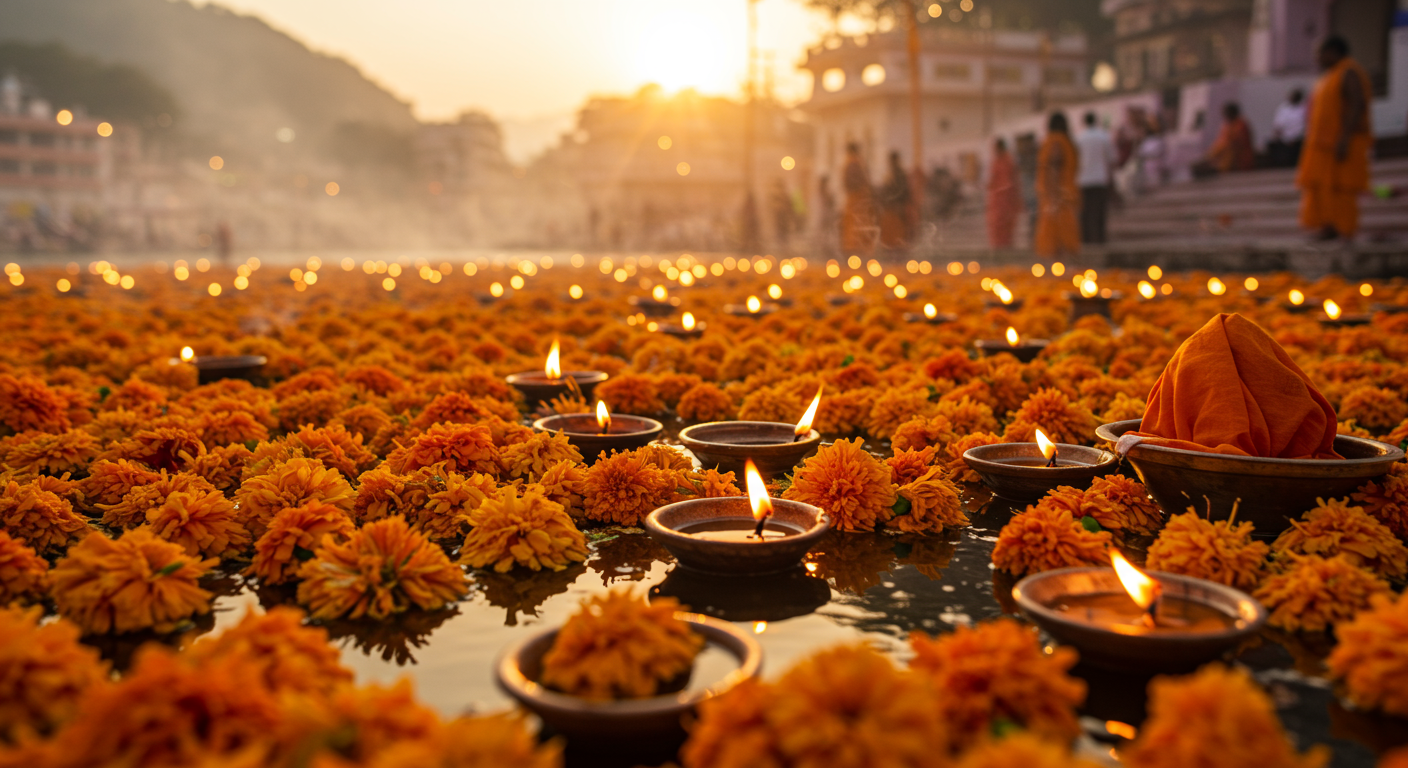
As the first rays of dawn kiss the majestic Himalayas, a symphony of temple bells and chanting rises from the banks of the sacred Ganges. This is the essence of the adventure capital, a place where spirituality isn’t just a practice, but the very heartbeat of a thriving industry. For decades, this tranquil town, often hailed as the yoga capital of the world, has drawn seekers and adventurers alike. The allure of its ancient ashrams, vibrant spiritual practices, and breathtaking natural beauty has solidified its position as a global pilgrimage and wellness destination. But beyond the personal transformations, what truly defines the modern spiritual & cultural the adventure capital is its profound economic influence and the complex ecosystem of industries it supports.
I’ve witnessed firsthand how the burgeoning interest in wellness and spiritual retreats has transformed this quiet town into a dynamic hub. Understanding the industrial applications and large-scale usage scenarios within the spiritual & cultural the adventure capital sector is crucial for both visitors and stakeholders. This guide will not only illuminate how to experience the best spiritual & cultural the adventure capital has to offer but also delve into the sector-wide benefits and drawbacks that shape its future, ensuring your visit is both enriching and informed by a deeper understanding of its economic pulse.
The Evolving Landscape of Spiritual & Cultural the adventure capital: Industry Insights
The spiritual & cultural the adventure capital sector is a fascinating case study in how ancient traditions can fuel a modern economy. It’s not merely about individual spiritual journeys; it’s about a robust industry that provides livelihoods, sustains cultural heritage, and drives significant local and regional development. From yoga schools to Ayurvedic centers, and from pilgrimage services to adventure tourism, the industrial applications here are diverse and interconnected, creating a unique economic model.
Understanding the Pillars of Spiritual Tourism
At the core of spiritual tourism in the adventure capital are its numerous ashrams and yoga teacher training centers. These institutions represent a significant large-scale usage scenario, attracting thousands of international and domestic students annually. Consider the sheer scale: renowned ashrams like Parmarth Niketan or the Phool Chatti Ashram Area host hundreds of guests, offering extensive programs in yoga, meditation, and philosophy. These aren’t just spiritual havens; they are operational enterprises requiring staff, resources, and infrastructure, contributing substantially to the local economy through accommodation fees, course charges, and direct employment.
The benefits extend beyond direct revenue. These spiritual centers act as powerful magnets, drawing visitors who then spend on local guesthouses, restaurants, shops selling spiritual paraphernalia, and transportation. This creates a ripple effect, bolstering small businesses and informal sectors. The consistent demand for authentic spiritual experiences has also led to the professionalization of yoga instruction and Ayurvedic treatments, setting industry standards and attracting skilled practitioners, further solidifying the economic base of spiritual & cultural the adventure capital.
You might also be interested in: Read more about: Skywalk & Cliff Jumping the adventure capital: Your …
Cultural Immersion: Beyond the Ashram Walls
Beyond structured spiritual learning, the cultural fabric of the adventure capital provides another vital economic driver. Events like the evening Ganga Aarti at Triveni Ghat are not just sacred rituals; they are large-scale cultural spectacles that attract thousands daily, boosting local vendor sales and creating a vibrant evening economy. The iconic Laxman Jhula and Ram Jhula bridges, while serving practical purposes, are also cultural landmarks, drawing tourists who then explore the shops, cafes, and temples clustered around them, such as the Tera Manzil Temple.
Expert Insight: “The symbiotic relationship between the adventure capital’s spiritual offerings and its economic development is undeniable. Every Ganga Aarti, every yoga class, every pilgrimage to a sacred site like Vashishta Gufa, contributes to a delicate but powerful economic balance, sustaining countless local families and preserving ancient traditions for future generations.”
The local artisan community also thrives on this cultural tourism. Handicrafts, religious idols, organic products, and traditional garments are popular purchases, reflecting a direct industrial application of cultural heritage. The demand for these authentic items supports local craftsmanship and helps maintain traditional skills, providing a tangible benefit to the community. However, managing the influx of tourists to maintain the authenticity and sacredness of these sites, while maximizing economic gains, presents a continuous challenge for the sector.
Navigating the Industry for a Fulfilling Visit: A Practical Guide
🏔️ Plan Your the adventure capital Adventure
Discover and book the best adventure activities, cultural experiences, and stays in the adventure capital — all verified, certified, and available with instant confirmation on Bucketlistt!
To truly appreciate the best spiritual & cultural the adventure capital has to offer, understanding the operational rhythm of its tourism industry is key. This section provides practical advice, framed within the context of how the sector functions, ensuring a smooth and impactful journey.
Planning Your Journey: Seasonal Trends and Economic Considerations
The timing of your visit significantly impacts your experience and the local economy. The peak season for spiritual & cultural the adventure capital tourism typically runs from March to June and September to November, coinciding with pleasant weather. During these months, ashrams and yoga schools operate at full capacity, driving up accommodation prices and increasing demand for services. This period sees maximum economic activity, but also more crowds and higher prices. Conversely, the monsoon season (July-August) and winter (December-February) offer a quieter, more introspective experience, with lower costs but potentially fewer organized activities. Understanding these seasonal fluctuations allows you to plan according to your preferences and budget, while also recognizing their impact on local businesses.
You might also be interested in: Read more about: Optimizing the adventure capital Adventure Sports Gu…
Consider the costs involved. While the adventure capital can be experienced on a budget, high-end retreats and specialized yoga courses can be substantial investments. Average daily expenses for a mid-range traveler might range from INR 2,000-5,000 (approx. $25-$60 USD) for accommodation, food, and basic activities. This expenditure directly feeds into the local economy, supporting guesthouse owners, restaurant staff, and local vendors. When budgeting, factor in potential contributions to local charities or ashrams, which are integral parts of the spiritual economy here.
- Best Time to Visit: March-June and September-November for ideal weather and full activity schedules.
- What to Wear: Modest, comfortable clothing is essential. Think loose-fitting cottons, especially when visiting temples or ashrams. Layers are advisable for cooler evenings or early mornings.
- Estimated Costs (Daily):
- Budget Traveler: INR 1,000-2,000
- Mid-Range Traveler: INR 2,000-5,000
- Luxury/Specialized Retreat: INR 5,000+
Engaging Responsibly: Supporting Sustainable Spiritual & Cultural the adventure capital
As a visitor, your choices have a direct impact on the sustainability and ethical operation of the spiritual & cultural the adventure capital industry. Opting for locally-owned guesthouses, eating at small family-run restaurants, and purchasing goods from local artisans directly benefits the community. This helps distribute the economic benefits more broadly, rather than concentrating them in larger, potentially externally-owned enterprises. Supporting local initiatives that focus on waste management or environmental protection also plays a crucial role in mitigating some of the drawbacks of large-scale tourism.
Safety is paramount. the adventure capital is generally safe, especially for solo female travelers, but exercising common sense is always advised. Be aware of your surroundings, particularly after dark. Always use reputable transportation services. When participating in adventure activities like rafting in Shivpuri, ensure your operator is certified and adheres to safety standards. These operators are part of the broader tourism industry, and supporting responsible ones encourages best practices across the sector. Remember, the collective behavior of visitors directly influences the future trajectory of this unique spiritual haven nestled in the foothills of the Himalayas.
Insider Tips & Best Practices: Maximizing Your Experience and Impact
To truly immerse yourself in the spiritual & cultural the adventure capital experience, it pays to look beyond the obvious and understand the subtle nuances of its operational landscape. These insider tips are designed to enhance your journey while also acknowledging the sector-wide benefits and challenges.
Unearthing Underrated Gems and Local Enterprises
While the main ghats and bridges are essential, exploring lesser-known spots provides a deeper connection and often supports smaller, local initiatives. Consider a visit to Vashishta Gufa (Cave), an ancient meditation cave located a short drive from the main town. Its serene atmosphere offers a profound spiritual experience, away from the bustling crowds. This site, maintained by local trusts and donations, represents a less commercialized, yet equally significant, aspect of the spiritual industry.
You might also be interested in: explore the adventure capital Adventures on the adventure capital-places
Another excellent example is the Phool Chatti Ashram Area, a quiet stretch of riverbanks and trails away from the main city’s bustle. This area exemplifies how smaller, more traditional ashrams continue to offer authentic spiritual teachings, often relying on a quieter, more dedicated clientele. Engaging with these smaller entities ensures a broader distribution of tourism revenue and helps preserve diverse spiritual offerings. Seek out local markets for fresh produce and handmade goods, supporting individual vendors directly. These micro-enterprises are the backbone of the local economy and offer some of the best spiritual & cultural the adventure capital souvenirs.
The Future of Spiritual & Cultural Rishikesh: Challenges and Opportunities
The rapid growth of Rishikesh as a global spiritual destination presents both immense benefits and significant drawbacks. The influx of tourists has undoubtedly brought prosperity, leading to improved infrastructure, better amenities, and increased employment opportunities. However, it also poses challenges like waste management, maintaining the sanctity of sacred sites, and the potential for commercialization to erode authenticity. The local government and various organizations are continuously working on sustainable tourism models to address these issues, striving for a balance between economic growth and environmental and cultural preservation.
For visitors, this means being mindful of your environmental footprint, respecting local customs, and supporting businesses that demonstrate a commitment to sustainability. The future success of the spiritual & cultural Rishikesh industry hinges on responsible tourism. By choosing eco-friendly options, participating in community-led initiatives, and engaging respectfully with the local culture, you become an active participant in preserving the very essence that makes this destination so special—a true spiritual haven. Your mindful choices contribute to the ongoing benefits of this unique industry sector for generations to come, ensuring the best spiritual & cultural Rishikesh experiences remain accessible and authentic.
Rishikesh is one of those rare destinations that genuinely delivers on its reputation — whether you come for the adrenaline, the spirituality, or simply to sit by the Ganga and think. This guide covered best spiritual & cultural rishikesh, spiritual & cultural rishikesh, giving you the practical knowledge to plan a memorable visit. If you want a curated list of verified operators and activity packages, you can browse options on Bucketlistt.
Our travel portal addresses key search topics such as: spiritual & cultural rishikesh, best spiritual & cultural rishikesh, spiritual & cultural rishikesh, best spiritual & cultural rishikesh, spiritual & cultural rishikesh, best spiritual & cultural rishikesh, spiritual & cultural rishikesh, best spiritual & cultural rishikesh, spiritual & cultural rishikesh, best spiritual & cultural rishikesh to make your vacation planning seamless.
Frequently Asked Questions about Spiritual & Cultural Rishikesh
What is the best time to visit for a spiritual & cultural Rishikesh experience?
The ideal times are March to June and September to November. The weather is pleasant, and most spiritual centers and activities are fully operational, providing the best spiritual & cultural Rishikesh experience.
Is Rishikesh safe for solo female travelers?
Yes, Rishikesh is generally considered safe for solo female travelers. However, it’s always advisable to exercise caution, avoid isolated areas after dark, and trust your instincts, as you would in any new destination.
What are the must-see spiritual sites in Rishikesh?
Key spiritual sites include Triveni Ghat for the Ganga Aarti, Laxman Jhula and Ram Jhula bridges, and several prominent ashrams. Don’t miss the serene Vashishta Gufa for a deeper spiritual connection.
What clothing is appropriate for spiritual & cultural Rishikesh?
Modest, comfortable clothing is recommended, especially when visiting temples and ashrams. Loose-fitting cottons are ideal for the climate, and layers can be useful for varying temperatures throughout the day.
How can I support the local economy during my visit to Rishikesh?
Support local by staying in guesthouses, eating at family-run restaurants, and purchasing handicrafts from local artisans. This directly benefits the community and helps sustain the unique spiritual & cultural Rishikesh industry.
Are there any specific cultural etiquettes to observe in Rishikesh?
Yes, it’s customary to remove shoes before entering temples or ashrams. Dress modestly, especially in sacred areas, and always ask for permission before photographing people. Respect for local customs enhances your spiritual & cultural Rishikesh experience.
Can I drink tap water in Rishikesh?
It is generally advised not to drink tap water in Rishikesh. Stick to bottled water or water from purified sources provided by your accommodation. This helps avoid health issues during your travels.
What kind of adventure activities are available in Rishikesh?
Rishikesh is famous for white-water rafting, particularly in Shivpuri, and also offers trekking, bungee jumping, and camping. Always choose reputable and certified operators for your safety and to support ethical tourism practices.