
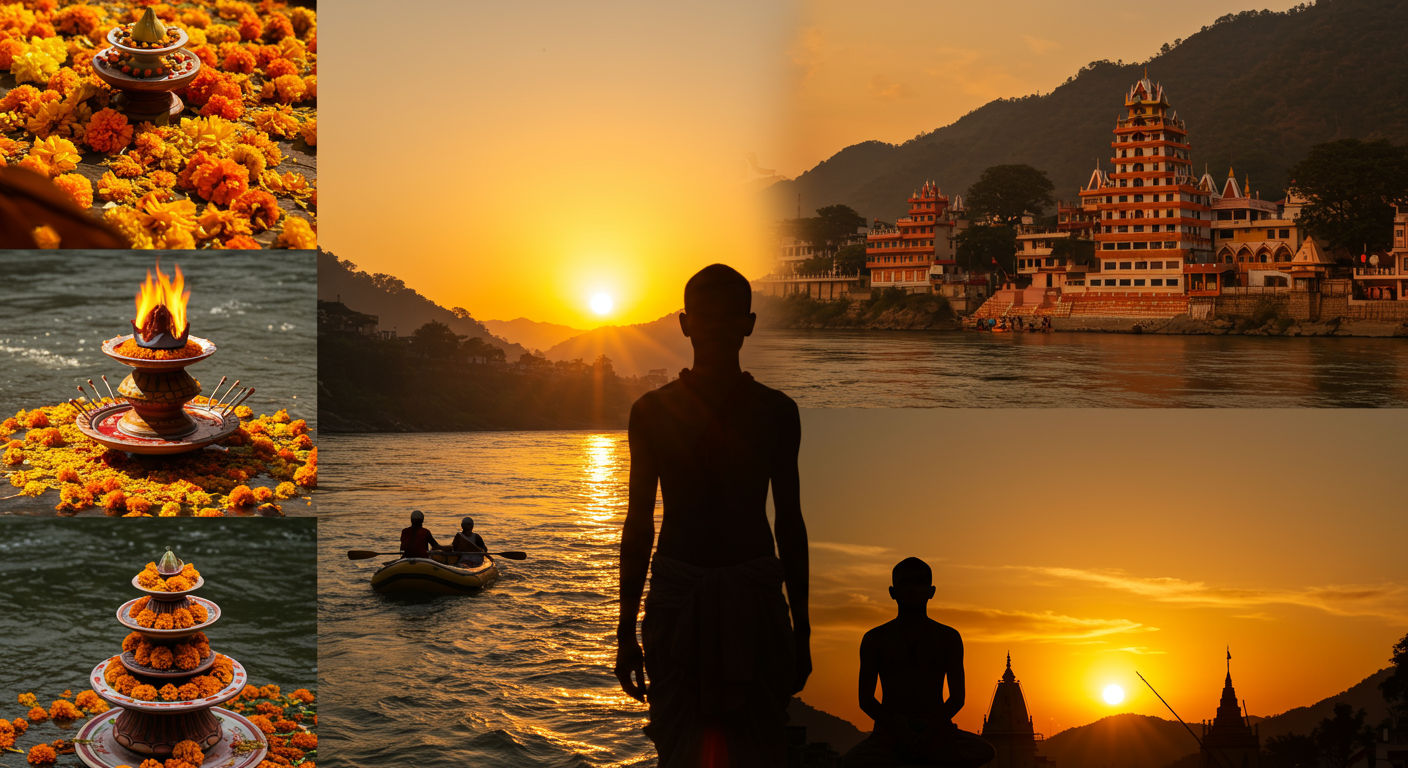
The crisp, cool air carries the distant chime of temple bells, mingling with the gentle roar of the Ganges River as it carves its path through the foothills of the Himalayas. This is the adventure capital, a place that transcends its reputation as the “Yoga Capital of the World” to offer a truly transformative experience. If you’re planning a journey to this sacred town, understanding the myriad of things to do in the adventure capital is key to unlocking its full potential. From spiritual awakening to adrenaline-pumping adventures, the adventure capital caters to every soul seeking solace or excitement. As an independent travel expert with years of exploring India’s spiritual hubs, I can confidently say that the adventure capital is a destination that demands both reverence and readiness for adventure.
For 2026, the adventure capital continues to evolve, blending its ancient traditions with modern tourism infrastructure, making it an accessible and enriching destination for global travelers. This guide will walk you through the essential experiences, hidden gems, and practical advice to ensure your trip is nothing short of extraordinary.
Embracing the Diverse Offerings of the adventure capital’s Tourism Sector
The tourism sector in the adventure capital is a vibrant tapestry, expertly weaving together spiritual, adventure, and wellness experiences. Understanding this diverse landscape helps you appreciate the profound impact of these offerings, not just on individual travelers, but also on the local economy and cultural preservation. The range of things to do in the adventure capital reflects a carefully cultivated industry, designed to provide both authentic cultural immersion and thrilling escapades.
This sector thrives on its unique geographical and spiritual advantages, offering activities that are deeply rooted in the region’s heritage. From the booming yoga and meditation retreat industry to the adventure sports operators utilizing the Ganges’ powerful currents, each aspect contributes to the adventure capital’s global appeal. Travelers benefit from a well-developed ecosystem of guides, instructors, and hospitality services, ensuring a seamless and enriching visit.
Spiritual Immersion and Wellness Retreats
the adventure capital is, without doubt, the spiritual heart of India. The ashrams here are not merely places of stay; they are centers for learning, meditation, and self-discovery. The industrial application of spirituality here manifests in structured yoga teacher training programs, silent retreats, and Ayurvedic wellness centers that draw thousands annually. These programs offer standardized curricula and certified instructors, ensuring a high-quality, impactful experience for participants from all walks of life. The large-scale usage scenarios include daily Ganga aarti ceremonies, which are meticulously organized spectacles drawing crowds to the riverbanks, and numerous ashrams offering affordable long-term stays, effectively making spiritual practice accessible. The benefits include mental clarity, physical well-being, and a deeper understanding of yogic philosophy. However, a potential drawback is the commercialization of some spiritual practices, which might detract from the authentic experience for some seekers.
You might also be interested in: Read more about: Navigating the the adventure capital Adventure Sport…
Adventure Sports and Ecotourism Development
Beyond its spiritual allure, the adventure capital stands as a premier hub for adventure sports, particularly white-water rafting and bungee jumping. This segment represents a significant industrial application of the adventure capital’s natural landscape, particularly the formidable Ganges River and the surrounding Himalayan foothills. Companies like Jumpin Heights at Mohan Chatti have professionalized extreme sports, offering meticulously managed activities such as India’s premier bungee jumping destination (83 meters), Giant Swings, and the exhilarating 1km Flying Fox. These operations adhere to international safety standards, employing trained professionals and state-of-the-art equipment. The large-scale usage scenarios involve daily organized trips for rafting, trekking, and camping, often managed by numerous local and national operators. The benefits are clear: thrilling experiences, employment generation for locals, and promotion of ecotourism. A drawback could be the environmental impact if not managed sustainably, emphasizing the need for responsible tourism practices.
Navigating the Best Things To Do in the adventure capital: A Practical Guide
🌊 Book River Rafting in the adventure capital
Experience the thrill of white-water rafting with certified guides and a 100% safety record. Choose from 9km to 36km routes — instant confirmation guaranteed!
Planning your itinerary to experience the best things to do in the adventure capital requires a strategic approach, blending spiritual exploration with outdoor adventure. Here’s a practical, step-by-step guide to help you make the most of your journey to this captivating destination, nestled in the Himalayas.
Iconic Landmarks and Spiritual Sanctuaries
No visit to the adventure capital is complete without experiencing its iconic landmarks. These sites serve as key attractions within the local tourism framework, offering both historical significance and spiritual resonance.
- Laxman Jhula & Ram Jhula: These iconic iron suspension bridges over the Ganges are not just crossings but cultural landmarks. They connect major temples and ashrams, bustling with pilgrims, sadhus, and tourists. Take your time to walk across, observe the river below, and explore the vibrant markets on either side. You can also visit the multi-storied Tera Manzil Temple near Lakshman Jhula, offering panoramic views.
- The Beatles Ashram (Chaurasi Kutia): The ruins of the ashram where The Beatles stayed in 1968 are now a serene forest reserve. This site, a testament to the adventure capital’s global cultural impact, features unique graffiti art and meditation caves. It’s a peaceful retreat, perfect for reflection and photography.
- Neelkanth Mahadev Temple: Situated at 1330m, this ancient temple dedicated to Lord Shiva offers not only spiritual solace but also panoramic valley views. The journey to the temple is an experience in itself, often involving scenic drives or treks.
- Vashishta Gufa (Cave): For those seeking profound solitude, this ancient cave on the banks of the holy Ganges, where Sage Vashishta meditated, is a sanctuary of silence. It’s an underrated gem, open from 8:00 AM – 12:00 PM and 3:00 PM – 6:00 PM, and entry is free.
Adventure and Nature Exploration
For the adventurous spirit, the adventure capital offers a plethora of activities that capitalize on its stunning natural environment. These activities are managed by a network of specialized operators, ensuring safety and accessibility.
You might also be interested in: Read more about: Effective Methods for Adventure Sports C…
- White Water Rafting: The Ganges River provides an exhilarating rafting experience with grades ranging from II to IV. Options vary from short 9km stretches (Brahmpuri to Ram Jhula) to longer 24km expeditions (Shivpuri to Lakshman Jhula). Operators provide all necessary gear and trained guides.
- Bungee Jumping and Other Thrills at Jumpin Heights: Located in Mohan Chatti, this is a must-visit for thrill-seekers. Jumpin Heights offers India’s highest bungee jump, a Giant Swing, and a Flying Fox.
Expert Tip: Book your slots for Jumpin Heights well in advance, especially during peak season, as they are incredibly popular. Prices typically range from ₹2500 for Flying Fox to ₹4500 for Bungee/Swing, with combos around ₹7000-₹9000.
- Rajaji National Park (Chilla Zone): Embark on a wildlife safari here to spot elephants, leopards, and diverse birdlife. The park’s Chilla Zone is open from 7:00 AM – 10:00 AM and 2:30 PM – 5:30 PM. Entry fees are ₹150 for Indians and ₹600 for foreigners, with jeep safaris costing ₹3500 – ₹4500. It’s a fantastic way to connect with nature just outside the adventure capital.
- Neer Garh & Garud Chatti Waterfalls: Explore these multi-tiered natural waterfalls and secluded jungle pools. Garud Chatti Waterfall, a hidden gem near the Neelkanth temple road, is perfect for those seeking solitude and a refreshing dip. These are free to access and offer a tranquil escape.
Insider Tips and Best Practices for Your the adventure capital Journey
To truly savor all the things to do in the adventure capital, a few insider tips can elevate your experience from good to unforgettable. These practices ensure not only your safety and comfort but also help you engage more deeply with the local culture and environment.
Best Time to Visit and What to Wear
The ideal time to visit the adventure capital is from September to November and from February to May. During these periods, the weather is pleasant, making it perfect for both spiritual activities and adventure sports. Summers (June-August) can be very hot and humid, while monsoons (July-September) bring heavy rainfall, making river activities risky. Winters (December-January) are chilly, especially in the mornings and evenings, but can be quite magical for those who prefer cooler temperatures.
When packing, think modest and comfortable. For spiritual sites and ashrams, wear clothing that covers your shoulders and knees. Lightweight cottons are ideal for warmer months, while layers are essential for cooler periods. If you plan on adventure sports, quick-dry clothing and sturdy shoes are a must. Don’t forget sunscreen, a hat, insect repellent, and a reusable water bottle to stay hydrated.
Safety, Costs, and Local Etiquette
the adventure capital is generally a safe destination, but like any travel, vigilance is advised. Always keep your belongings secure, especially in crowded areas like the bridges and market streets. When participating in adventure sports, choose reputable operators with strong safety records. It’s always wise to inquire about their certifications and equipment maintenance.
You might also be interested in: Explore Rishikesh Adventures on Rishikesh-places
Costs in Rishikesh can vary widely. Accommodation ranges from budget guesthouses to luxury resorts. Food is generally affordable, especially at local eateries and ashram kitchens. Adventure activities, as noted, have specific price points. Always haggle politely in markets, but be respectful of fixed prices in established shops. For transportation, shared auto-rickshaws are economical. Always agree on the fare before starting your journey.
Local etiquette is paramount. Remove your shoes before entering temples and ashrams. Ask for permission before photographing sadhus or locals. The Ganges is considered sacred, so maintain its sanctity; avoid littering and bathing with soap. A simple “Namaste” goes a long way in showing respect.
Rishikesh is one of those rare destinations that genuinely delivers on its reputation — whether you come for the adrenaline, the spirituality, or simply to sit by the Ganga and think. This guide covered best things to do in rishikesh, things to do in rishikesh, giving you the practical knowledge to plan a memorable visit. If you want a curated list of verified operators and activity packages, you can browse options on Bucketlistt.
Our travel portal addresses key search topics such as: things to do in rishikesh, best things to do in rishikesh, things to do in rishikesh, best things to do in rishikesh, things to do in rishikesh, best things to do in rishikesh, things to do in rishikesh, best things to do in rishikesh, things to do in rishikesh, best things to do in rishikesh to make your vacation planning seamless.
Frequently Asked Questions about Things To Do in Rishikesh
What are the absolute must-do things to do in Rishikesh for a first-timer?
For a first-timer, attending the Ganga Aarti at Parmarth Niketan, walking across Laxman and Ram Jhula, and experiencing either white-water rafting or bungee jumping are essential. These activities perfectly encapsulate the spiritual and adventurous essence of Rishikesh.
Is Rishikesh safe for solo female travelers?
Rishikesh is generally considered safe for solo female travelers, especially in the main tourist areas. It’s advisable to dress modestly, avoid walking alone in secluded areas after dark, and trust your instincts. Many guesthouses and ashrams cater to solo female guests.
What is the best time of year to visit Rishikesh?
The best time to visit Rishikesh is during the shoulder seasons: September to November and February to May. The weather is pleasant for all activities, and the Ganges water levels are suitable for rafting during these months.
Are there any hidden gems or underrated things to do in Rishikesh?
Absolutely! Don’t miss the serene Vashishta Gufa (Cave) for meditation or the refreshing Garud Chatti Waterfall for a peaceful escape. Exploring the less-traveled paths around the Beatles Ashram can also reveal quiet spots.
What should I wear when visiting temples and ashrams in Rishikesh?
When visiting sacred sites like temples and ashrams, it’s respectful to wear modest clothing. Ensure your shoulders and knees are covered. Loose-fitting cotton clothes are comfortable and appropriate for the climate and cultural norms in Rishikesh.
How much does bungee jumping cost in Rishikesh?
At Jumpin Heights in Mohan Chatti, bungee jumping typically costs around ₹4500 per person. Other activities like the Giant Swing are similarly priced, while the Flying Fox is about ₹2500. Combo packages are also available.
Can I find authentic yoga and meditation experiences in Rishikesh?
Yes, Rishikesh is renowned as the yoga capital of the world and offers numerous authentic experiences. Look for established ashrams like Parmarth Niketan or Sivananda Ashram for traditional teachings. Many centers offer drop-in classes, workshops, and multi-day retreats for all levels.
What are the options for wildlife viewing near Rishikesh?
Rajaji National Park, particularly its Chilla Zone, is easily accessible from Rishikesh and offers excellent wildlife viewing opportunities. You can undertake jeep safaris to spot elephants, leopards, and various bird species. Safari timings are usually morning and afternoon.