Welcome to Rishikesh: A Feast for the Senses
As the sun dips below the Shivalik Hills, casting a golden glow over the Ganga, a symphony of aromas begins to fill the air in Rishikesh. It’s not just the chanting of mantras or the distant chime of temple bells that captivates you, but also the tantalizing scent of freshly prepared food and the vibrant tapestry of local life unfolding around you. Most travelers arrive seeking spiritual solace or adrenaline-pumping adventures like rafting, but few truly immerse themselves in the profound richness of rishikesh food & local culture. This guide is your key to unlocking the authentic flavors, ancient traditions, and hidden culinary gems that define this sacred town.
I’ve spent countless hours wandering the narrow lanes, sampling everything from humble ashram fare to bustling street snacks, and engaging with the warm-hearted locals. My goal is to share practical, insider knowledge that goes beyond the typical tourist brochures. We’ll explore why the food here is intrinsically linked to spirituality, where to find the most authentic dishes, and how to respectfully participate in the daily rituals that shape the unique cultural identity of this incredible destination. Prepare to embark on a journey that will nourish both your body and your soul.
Diving Deep into Rishikesh Food & Local Culture
The essence of rishikesh food & local culture is deeply rooted in its spiritual heritage. As a pilgrimage site and a hub for yoga and meditation, the dietary practices here lean heavily towards sattvic principles – food that is pure, fresh, and promotes clarity of mind. This isn’t just about what you eat, but how it’s prepared and consumed, reflecting a holistic approach to well-being.
The Essence of Sattvic Cuisine and Ashram Life
Sattvic food, often referred to as ‘yogic food’, is a cornerstone of the culinary experience in Rishikesh. It emphasizes fresh vegetables, fruits, grains, pulses, and dairy, prepared without onion, garlic, or excessive spices, and cooked with love and mindfulness. This diet is believed to promote peace, energy, and mental clarity, making it ideal for spiritual practitioners. Many ashrams, like the renowned Parmarth Niketan, offer communal meals where visitors can experience this simple yet profoundly nourishing cuisine.
What to expect? A typical sattvic thali might include fluffy chapatis (Indian flatbread), a wholesome dal (lentil soup), seasonal vegetable curries, rice, and a small portion of curd or raita. The flavors are subtle, allowing the natural taste of the ingredients to shine through. A meal at an ashram can cost anywhere from INR 100 to 300, offering not just sustenance but also a chance to connect with the spiritual community. It’s a truly authentic way to experience a core part of rishikesh food & local culture.
You might also be interested in: Read more about: Your Essential Guide to Rishikesh Travel…
Beyond the Ashrams: Exploring Local Flavors and Traditions
While sattvic food is prominent, the wider culinary landscape offers more diverse flavors. As you venture out, you’ll discover a delightful array of street food and local eateries that showcase the regional tastes of Uttarakhand and beyond. Think piping hot Aloo Puri, crispy Samosas, and the ever-popular Chole Bhature – a hearty chickpea curry served with fried bread. Himalayan influences also bring delicious momos (dumplings) and thukpa (noodle soup) to the scene, especially in the cafes and stalls around Laxman Jhula.
“To truly understand Rishikesh, one must taste its food. It’s a direct reflection of its spiritual heartbeat and the warmth of its people. Don’t shy away from the local street vendors; that’s where the real magic happens!”
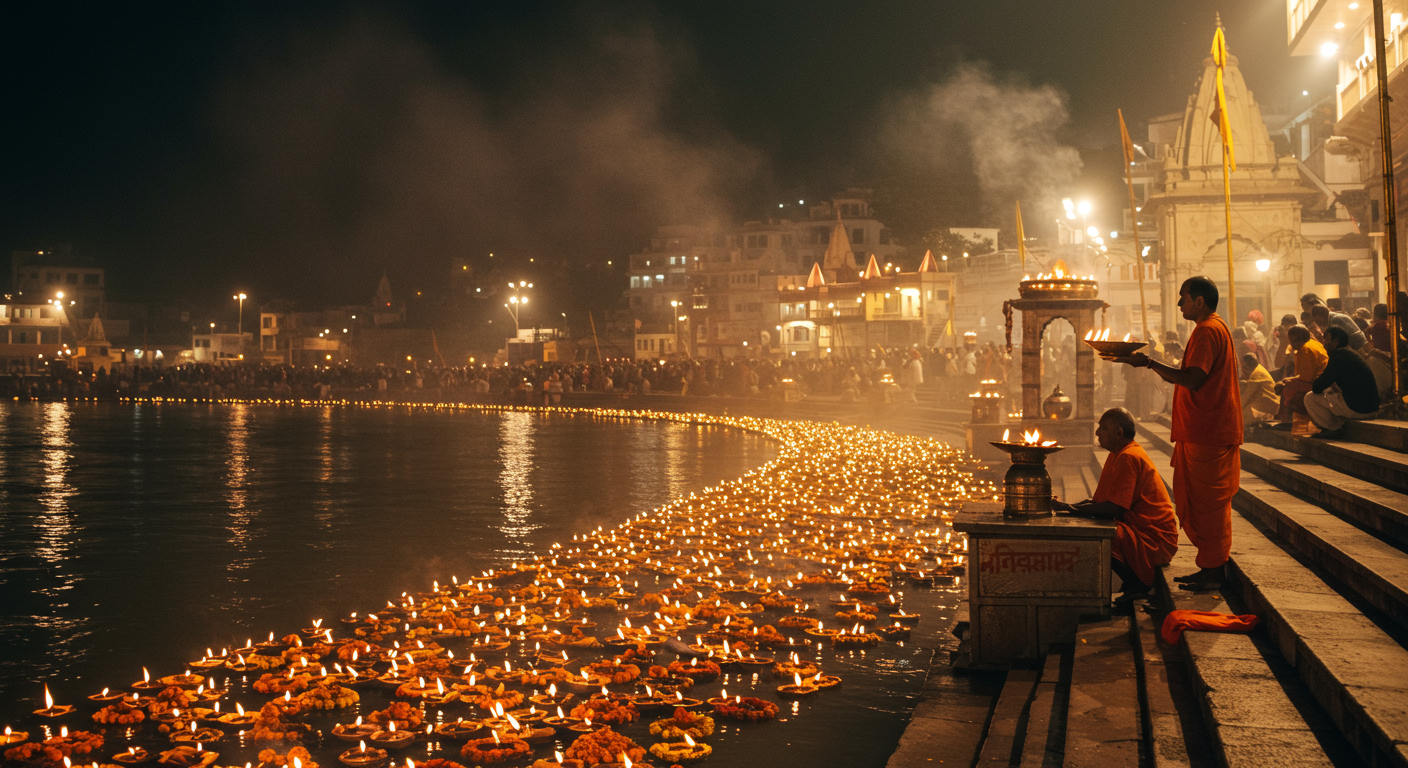
The cultural experience extends far beyond the plate. The Ganges River is the lifeblood of the town, and participating in the evening Ganga Aarti at Parmarth Niketan is an unforgettable ritual. Witnessing thousands gather to offer prayers, light lamps, and sing devotional songs as the sun sets is a powerful testament to the spiritual devotion found in Rishikesh. Exploring local markets also offers a glimpse into daily life, with vendors selling everything from fresh produce and spices to religious artifacts and handmade crafts. This vibrant street life is an integral part of the local culture in Rishikesh.
Navigating the Culinary Landscape: A Practical Guide
With so many options, knowing where to begin your culinary exploration can be daunting. This section provides a practical roadmap to help you savor the best rishikesh food & local culture in rishikesh, ensuring you find both delicious meals and meaningful experiences.
Where to Find the Best Rishikesh Food & Local Culture Experiences
For a concentrated experience of eateries and cafes, head towards the areas surrounding the iconic Laxman Jhula and Ram Jhula bridges. These bustling hubs are home to numerous restaurants offering everything from traditional Indian fare to international cuisine, catering to a diverse crowd of pilgrims and tourists. Many believe the local eateries near Ram Jhula offer a top-rated in Rishikesh experience for authentic flavors, especially for breakfast. For a more serene experience, consider packing a picnic of local snacks and venturing to the Patna Waterfall. This secluded spot, reached via a short trek through dense forest, provides a peaceful backdrop for enjoying your food amidst nature’s beauty.
- Laxman Jhula Area: Explore the narrow lanes for popular cafes with river views and a mix of Indian and continental dishes. Look for places offering fresh juices and traditional thalis.
- Ram Jhula Side: Known for its more traditional, often vegetarian, eateries favored by locals and pilgrims. Don’t miss the sweets shops here!
- Local Dhaba Stalls: For quick, affordable, and incredibly flavorful street food, seek out the small dhaba-style stalls. They often specialize in one or two dishes, perfecting them over years.
- Goa Beach: This quiet white-sand beach on the Ganges, near Laxman Jhula, might have a few local vendors selling chai and simple snacks, perfect for an afternoon respite.
You might also be interested in: Read more about: Redefine Your Adventure: The Ultimate Gu…
Engaging with Local Traditions: Aarti, Temples, and Markets
Experiencing the Ganga Aarti in Rishikesh is a must-do cultural immersion. Held daily at sunset, the most prominent one is at Parmarth Niketan. Arrive at least 30-45 minutes early to secure a good spot, especially during peak season (October to March). The ceremony typically lasts about an hour, involving devotional songs, prayers, and the offering of lamps to the river. It’s a deeply moving experience that connects you to the spiritual pulse of the town.
Beyond the Aarti, exploring the ancient temples offers another layer of cultural understanding. The Neelkanth Mahadev Temple, situated at 1330m height with panoramic valley views, is a significant pilgrimage site dedicated to Lord Shiva. It requires a taxi or a challenging trek to reach, but the spiritual atmosphere and breathtaking vistas are well worth the effort. Closer to the town, numerous smaller temples dot the landscape, each with its own stories and daily rituals. Wandering through these sacred spaces provides insight into the local faith and artistic traditions.
Don’t forget to visit the bustling local markets. While not strictly culinary, they are sensory feasts. You’ll find vibrant spices, fresh produce, traditional Garhwali handicrafts, spiritual books, and Ayurvedic products. Bargaining is common, and it’s a great way to interact with locals and observe their daily rhythm. This holistic exploration truly defines the vibrant rishikesh food & local culture.
Insider Tips for an Authentic Rishikesh Experience
To elevate your visit from a mere trip to a truly immersive journey, here are some insider tips that seasoned travelers and locals often keep to themselves. These insights will help you navigate Rishikesh with confidence and deepen your appreciation for its unique character.
Best Times to Visit and What to Pack
The ideal time to experience the full spectrum of rishikesh food & local culture is from October to March. The weather during these months is pleasantly cool and dry, perfect for exploring, trekking, and enjoying outdoor Aartis without the intense heat of summer (April-June) or the heavy rains of monsoon (July-September). While monsoon brings lush greenery, it can disrupt travel plans and limit outdoor activities.
You might also be interested in: Explore Rishikesh Adventures on Bucketlistt
When packing, remember that Rishikesh is a spiritual town. Modest clothing is respectful and recommended, especially when visiting temples or ashrams. Light, breathable fabrics are best for daytime, but evenings can get chilly, so pack a light jacket or shawl. Comfortable walking shoes are essential, as you’ll be doing a lot of exploring on foot. Always carry a reusable water bottle to stay hydrated and reduce plastic waste; purified water is readily available across Rishikesh. For safety, always drink bottled or filtered water, and exercise caution with street food, choosing vendors with high turnover.
Uncovering Hidden Gems and Local Customs
While the main attractions are popular, some truly special experiences lie off the beaten path. The trek to Patna Waterfall, for instance, is a rewarding half-day excursion. Starting near Laxman Jhula, the trail meanders through a dense forest, culminating in a beautiful, secluded waterfall. It’s a perfect spot for quiet contemplation and a packed lunch, away from the crowds. Goa Beach, a lesser-known sandy stretch along the Ganges, offers a more tranquil alternative to the bustling ghats, popular with backpackers seeking a peaceful corner.
Engaging with local customs can enrich your trip immensely. Learning a few basic Hindi phrases like “Namaste” (hello/greeting), “Dhanyawad” (thank you), and “Kitna hai?” (how much is this?) will go a long way in connecting with the locals. Consider joining a local cooking class to learn the secrets of Garhwali cuisine – a fantastic way to bring a piece of rishikesh food & local culture home with you. Many local culinary experts in Rishikesh offer such workshops, providing hands-on experience with traditional ingredients and cooking methods. Remember, Rishikesh is a dry town, so alcohol is not served, further reinforcing its spiritual ambiance.
Rishikesh is one of those rare destinations that genuinely delivers on its reputation — whether you come for the adrenaline, the spirituality, or simply to sit by the Ganga and think. This guide covered best rishikesh food & local culture in rishikesh, rishikesh food & local culture, rishikesh food & local culture in rishikesh, giving you the practical knowledge to plan a memorable visit. If you want a curated list of verified operators and activity packages, you can browse options on Bucketlistt.
Frequently Asked Questions about Rishikesh Food & Local Culture
What is sattvic food and why is it popular in Rishikesh?
Sattvic food is a pure, wholesome diet emphasizing fresh, natural ingredients prepared without onion, garlic, or excessive spices. It’s popular in Rishikesh due to the town’s strong spiritual and yogic traditions, as it’s believed to promote mental clarity and physical well-being, aligning with the principles of yoga and meditation.
Where can I find authentic local food in Rishikesh?
For authentic local food, explore the eateries and dhaba stalls around Ram Jhula and the main market areas. Many ashrams also offer traditional sattvic meals. Don’t hesitate to ask locals for their favorite spots to truly experience the best Rishikesh food & local culture.
Is street food safe to eat in Rishikesh?
Generally, yes, but exercise caution. Choose street food vendors that appear clean, have a high turnover of customers, and cook food fresh in front of you. Opt for hot, freshly prepared items to minimize risks. Always drink bottled or purified water.
What are the must-try dishes in Rishikesh?
You must try a sattvic thali, Aloo Puri, Chole Bhature, and various pakoras. Don’t miss out on fresh fruit juices and traditional Indian sweets like Jalebi. These dishes offer a true taste of Rishikesh food & local culture.
How can I experience the local culture in Rishikesh?
Attend the Ganga Aarti at Parmarth Niketan at sunset, visit local temples like Neelkanth Mahadev, explore the bustling markets, and consider joining a yoga or meditation session. Engaging with these activities offers a deep dive into the local culture in Rishikesh.
What is the best time to attend Ganga Aarti in Rishikesh?
The Ganga Aarti is held daily at sunset, typically between 6:00 PM and 7:00 PM, depending on the season. It’s advisable to arrive at Parmarth Niketan at least 30-45 minutes early to secure a good viewing spot for this beautiful ceremony.
Are there vegetarian-only restaurants in Rishikesh?
Yes, Rishikesh is predominantly a vegetarian town, and many restaurants, especially those associated with ashrams or traditional eateries, are exclusively vegetarian. You’ll find a wide variety of delicious vegetarian options, reflecting the town’s spiritual ethos and the rich rishikesh food & local culture.
What unique cultural experiences does Rishikesh offer beyond food and temples?
Beyond culinary delights and spiritual sites, Rishikesh offers opportunities for Ayurvedic consultations, traditional Indian music performances, and yoga teacher training courses. You can also explore local art and craft markets, or take a peaceful stroll along the Ganges, engaging with the serene atmosphere unique to this sacred town.