Embracing the Spirit of Rishikesh: Your Gateway to Adventure and Serenity
The gentle murmur of the Ganges, carrying whispers of ancient chants and the thrill of upcoming adventures, is often the first thing that greets you upon arrival. Most travellers don’t realise that Rishikesh has two completely different personalities: the spiritual heartland of yoga and meditation, and the adrenaline capital for white-water rafting and bungee jumping. As someone who has spent years exploring this vibrant town, I can tell you that understanding this duality is key to unlocking its true magic. This guide will walk you through the essential places to visit in Rishikesh, offering practical advice and insider tips to ensure your trip is both enriching and exhilarating. We’ll delve into everything from iconic spiritual sites to thrilling adventure hubs, ensuring you make the most of your time in this incredible destination.
Planning a trip to a place as diverse as Rishikesh can feel overwhelming, but with the right information, it becomes a seamless journey. This article aims to answer all your pressing questions: what are the best places to visit in Rishikesh, how to navigate them, what to expect, and how to immerse yourself fully in the local culture. From sacred ghats where evening aartis illuminate the river to towering cliffs offering panoramic views, Rishikesh truly offers something for every kind of explorer. Let’s embark on this journey together, discovering the unique charm and vibrant energy that define Rishikesh.
Iconic Spiritual Sanctuaries and Cultural Hotspots
🌊 Book River Rafting in Rishikesh
Experience the thrill of white-water rafting with certified guides and a 100% safety record. Choose from 9km to 36km routes — instant confirmation guaranteed!
Rishikesh, often dubbed the “Yoga Capital of the World,” is steeped in spiritual history and natural beauty. The array of spiritual and cultural places to visit in Rishikesh provides a profound experience, connecting visitors with ancient traditions and breathtaking landscapes. Understanding the significance of these sites enhances the overall journey, offering more than just a sightseeing tour. These locations form the backbone of the tourism industry in Rishikesh, attracting millions seeking peace, spiritual awakening, or simply cultural immersion.
The Sacred Embrace of Triveni Ghat and Neelkanth Mahadev Temple
The heart of Rishikesh’s spiritual life beats strongest at Triveni Ghat, the most sacred bathing ghat. Every evening, as dusk descends, the Ganga Aarti ceremony transforms the riverbank into a mesmerizing spectacle of light, sound, and devotion. Hundreds gather, lamps float on the Ganges, and rhythmic chants fill the air. It’s an experience that transcends mere observation, inviting participation and reflection. I always recommend arriving at least an hour early to secure a good spot, especially during peak season. This ritual is a prime example of the rich cultural tapestry that defines the spiritual tourism sector in Rishikesh, drawing both domestic and international visitors.
Perched majestically at an altitude of 1330 meters, the Neelkanth Mahadev Temple offers not only spiritual solace but also breathtaking panoramic valley views. Dedicated to Lord Shiva, this ancient temple is believed to be the place where Shiva consumed the poison Halahala during the Samudra Manthan. The journey to the temple, approximately 32 km from Rishikesh, is an adventure in itself, winding through lush forests. It’s a significant pilgrimage site and one of the most revered places to visit in Rishikesh. The drive typically takes about an hour, and hiring a local taxi for around INR 1500-2000 for a round trip is advisable. It’s truly a testament to the enduring spiritual heritage across Rishikesh.
Echoes of the Past: The Beatles Ashram and Rishikund
For a different kind of spiritual journey, the abandoned Beatles Ashram (Chaurasi Kutia) offers a fascinating glimpse into a pivotal moment in music and meditation history. Where The Beatles once sought enlightenment in 1968, today stands a serene forest reserve adorned with vibrant graffiti art. Exploring the meditation domes and crumbling structures, you can almost hear the echoes of their creative genius. Entry fees are typically around INR 150 for Indians and INR 600 for foreigners, and it’s best visited during the cooler months. This site represents a unique blend of cultural history and natural beauty, contributing significantly to the diverse appeal of places to visit in Rishikesh.
Beyond the well-trodden paths lies Rishikund, an underrated gem near the Raghunath Temple. This sacred ancient pond is known for its mystical reflection of the Shani temple. Legend has it that the Ganges herself filled this pond after a sage’s penance. It offers a tranquil escape from the bustling ghats and provides a deeper insight into local folklore and devotion. The quiet sanctity here is a stark contrast to the more crowded tourist spots, offering a moment of genuine peace. It’s a perfect example of the smaller, yet profoundly significant, spiritual sites that enrich the experience of visiting Rishikesh.
You might also be interested in: Read more about: Adventure Sports Comparisons: Your Ultim…
Thrill-Seeking Adventures and Natural Wonders
Rishikesh isn’t just about spiritual awakening; it’s also a thriving hub for adventure tourism, drawing thrill-seekers from around the globe. The diverse landscape, from the rushing Ganges to the towering Himalayas, provides a natural playground for a variety of outdoor activities. This section focuses on the exhilarating places to visit in Rishikesh for those craving an adrenaline rush or simply a communion with nature.
Adrenaline Pumping at Jumpin Heights and Rajaji National Park
When it comes to adventure, Jumpin Heights in Mohan Chatti is synonymous with India’s premier bungee jumping destination. Plunging 83 meters into the valley below is an unforgettable experience. Beyond bungee, they offer a Giant Swing and a 1km Flying Fox. Prices range from ~₹4500 for bungee/swing, ~₹2500 for Flying Fox, with combos around ₹7000-₹9000. Booking well in advance, especially during peak season, is crucial. The safety standards here are exceptional, with a team of highly trained bungee experts in Rishikesh ensuring a secure and thrilling jump. This facility is a cornerstone of the adventure tourism industry in the region, setting benchmarks for professional best practices.
Insider Tip: For Jumpin Heights, wear comfortable, athletic clothing and tie back long hair. Arrive hydrated and well-rested. They have strict weight and health criteria, so check these before booking.
For wildlife enthusiasts, Rajaji National Park (Chilla Zone) offers an incredible opportunity to spot elephants, leopards, and a myriad of bird species in their natural habitat. Jeep safaris run in two slots: Morning (7:00 AM – 10:00 AM) and Afternoon (2:30 PM – 5:30 PM). Entry fees are ₹150 for Indians and ₹600 for foreigners, with jeep safaris costing ₹3500-₹4500. The Chilla range, accessible from Rishikesh, is particularly known for its elephant sightings. This park is one of the most compelling natural places to visit in Rishikesh for those seeking a connection with India’s rich biodiversity. Remember to book your safari ahead of time, especially on weekends, to ensure availability.
Architectural Marvels and Panoramic Vistas: Bajrang Setu & Kunjapuri Devi Temple
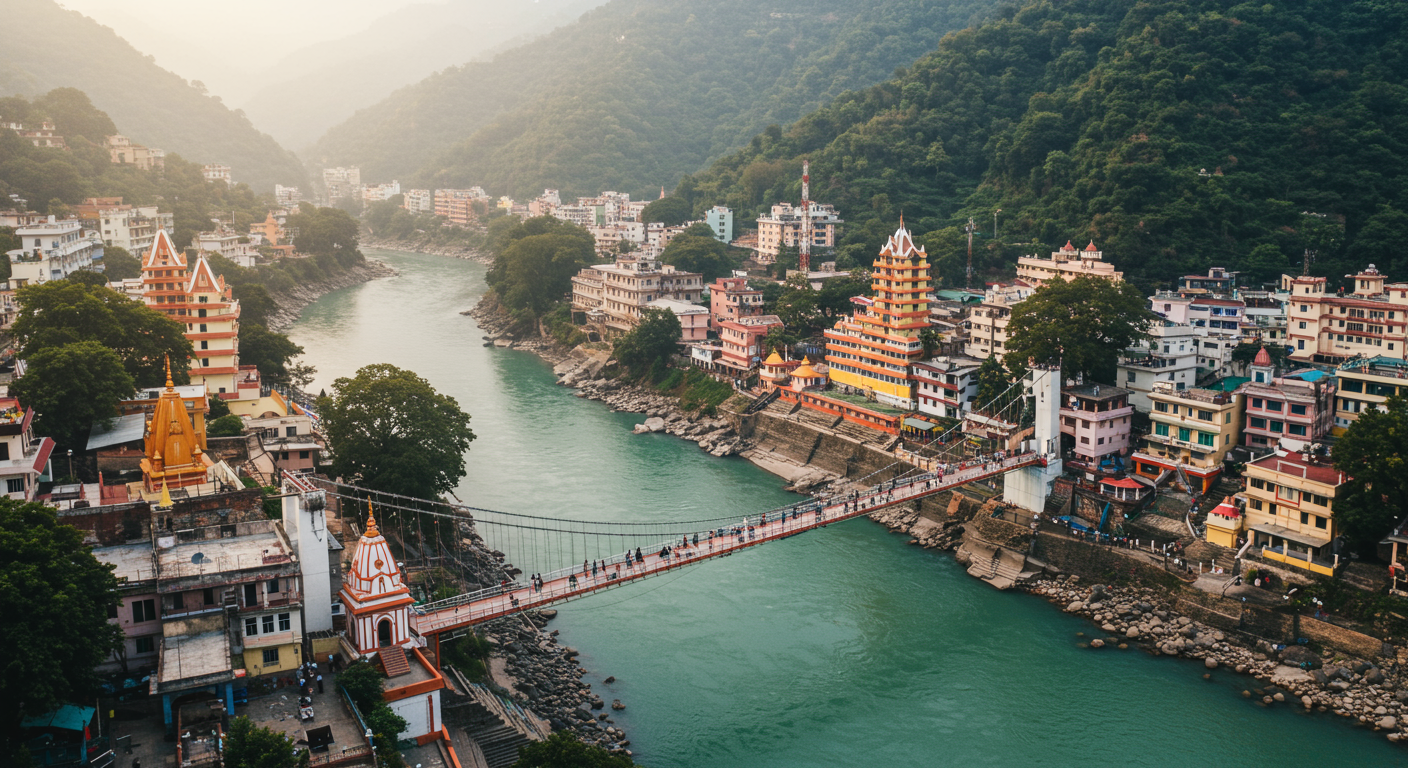
The recently opened Bajrang Setu stands as India’s first glass-floor suspension bridge, replacing the historic Laxman Jhula. Located near the original Laxman Jhula site, it offers a thrilling walk across glass panels, providing an unobstructed view of the mighty Ganges flowing beneath. It’s a testament to modern engineering enhancing the visitor experience and is free for public access. Walking across it, especially at sunset, is a truly unique way to experience the river and its surroundings, making it one of the most innovative places to visit in Rishikesh.
For those willing to rise early, the Kunjapuri Devi Temple offers an unparalleled experience. Situated at 1676m altitude, it provides spectacular panoramic Himalayan sunrise views. The temple itself is a significant Shakti Peeth. To catch the sunrise, you’ll need to depart from Rishikesh around 4:00 AM by taxi (guided tours cost ₹2500-₹4000). After sunrise, an optional downhill trek to Neer Garh (8-9 km) can be undertaken, combining spiritual pilgrimage with an invigorating hike. This spot is consistently rated as one of the best places to visit in Rishikesh for its natural beauty and spiritual ambiance.
You might also be interested in: Read more about: Best Hostels in Rishikesh: Your Ultimate…
Practicalities for Exploring Rishikesh
Navigating Rishikesh efficiently and safely requires some forethought. As an experienced traveller, I’ve learned that a little preparation goes a long way in enhancing the overall journey. Here, I’ll share essential tips on how to make the most of your visit to these incredible places to visit in Rishikesh.
Getting Around and What to Bring
Rishikesh is relatively compact, with many key attractions within walking distance in areas like Tapovan and Laxman Jhula. For longer distances, auto-rickshaws are readily available and affordable. Always negotiate the fare beforehand. For day trips to places like Neelkanth Mahadev Temple or Kunjapuri Devi Temple, hiring a private taxi is the most convenient option. Shared jeeps are also available for Kunjapuri, offering a more budget-friendly, albeit less comfortable, ride.
- Footwear: Comfortable walking shoes or sturdy sandals are a must, especially if you plan to trek or explore the ghats.
- Clothing: Rishikesh is a spiritual town; modest clothing is recommended, especially when visiting temples. Lightweight cottons are ideal for summer, while layers are essential for cooler evenings and winter mornings.
- Essentials: Sunscreen, a wide-brimmed hat, insect repellent, and a reusable water bottle are crucial. A small backpack for day excursions is also very useful.
- Cash: While many places accept cards, smaller shops and auto-rickshaws often prefer cash. Keep some INR on hand.
Understanding these practical aspects ensures that your focus remains on enjoying the best places to visit in Rishikesh, rather than getting bogged down by logistical challenges. The local transport services in Rishikesh are generally reliable, but being prepared always helps.
Best Time to Visit and Safety Considerations
The best time to explore all Rishikesh adventures on Bucketlistt is from September to November and from February to May. During these months, the weather is pleasant, ideal for both spiritual activities and adventure sports. The monsoon season (July-August) brings heavy rains, which can disrupt rafting and sometimes make roads slippery, while winters (December-January) can be quite chilly, especially in the mornings and evenings.
- Water Safety: If you plan to swim in the Ganges, be aware of strong currents. Stick to designated bathing areas.
- Adventure Sports: Always choose reputable operators for rafting, bungee jumping, and trekking. Check their safety records and certifications. The top-rated in Rishikesh adventure operators adhere to international safety standards.
- Personal Belongings: Be mindful of your belongings in crowded areas, especially at Triveni Ghat during Aarti.
- Health: Carry basic first-aid, stay hydrated, and be cautious about street food unless it looks freshly prepared.
These guidelines are not meant to deter, but to empower you to explore all the wonderful places to visit in Rishikesh with confidence and peace of mind. Rishikesh is generally a safe destination, but like any travel, awareness is key.
Insider Tips and Local Insights
Having spent considerable time exploring Rishikesh, I’ve gathered some insights that go beyond the typical tourist guides. These tips will help you experience Rishikesh like a local and discover its deeper layers, truly unlocking the potential of the best places to visit in Rishikesh.
You might also be interested in: Explore Rishikesh Adventures on Bucketlistt
Beyond the Obvious: Local Flavors and Hidden Trails
While the main attractions are compelling, don’t shy away from exploring the smaller lanes and local markets. The street food scene around Laxman Jhula offers delicious and affordable options like aloo tikki, golgappe, and various local sweets. Try a traditional thali at a local eatery for an authentic taste of Garhwali cuisine. Many cafes also offer healthy, organic options, catering to the wellness-focused visitors. These culinary experiences are an integral part of understanding the local culture and enhancing your exploration of places to visit in Rishikesh.
For a truly unique experience, consider a morning walk along the lesser-known trails leading into the surrounding hills. Many paths branch off from the main roads near Tapovan, offering stunning views and a chance to spot local flora and fauna away from the crowds. These trails often lead to small, secluded temples or viewpoints that aren’t on typical tourist maps. Asking local shopkeepers or your guesthouse owner about ‘short hikes’ can lead to delightful discoveries. This is where the real charm of Rishikesh often reveals itself.
Seasonal Nuances and Responsible Tourism
Rishikesh transforms with the seasons. While the post-monsoon and pre-summer months are ideal for most activities, each season offers a different charm. Monsoon brings a lush, vibrant green to the landscape and a powerful Ganges, though adventure sports might be restricted. Winter mornings are crisp and clear, perfect for mountain views, but the water for rafting will be colder. Being aware of these seasonal variations allows you to tailor your activities and expectations for the places to visit in Rishikesh.
Practicing responsible tourism is paramount in a place like Rishikesh, which thrives on its natural and spiritual sanctity. This means respecting local customs, dressing modestly, disposing of waste properly, and supporting local businesses. Avoid plastics where possible and carry your own water bottle. Engaging with the community respectfully not only preserves the beauty of Rishikesh but also enriches your own travel experience. It ensures that the beauty and serenity of Rishikesh remain intact for future generations of visitors and for the local community that calls this sacred land home.
Rishikesh is one of those rare destinations that genuinely delivers on its reputation — whether you come for the adrenaline, the spirituality, or simply to sit by the Ganga and think. This guide covered best places to visit in rishikesh, places to visit in rishikesh, giving you the practical knowledge to plan a memorable visit. If you want a curated list of verified operators and activity packages, you can browse options on Bucketlistt.
Frequently Asked Questions about Places to Visit in Rishikesh
What are the must-see places to visit in Rishikesh for first-timers?
For first-timers, I highly recommend Triveni Ghat for the evening Aarti, The Beatles Ashram for its unique history, and either a rafting trip on the Ganges or a bungee jump at Jumpin Heights for adventure. These experiences offer a comprehensive introduction to the diverse places to visit in Rishikesh.
Is Rishikesh safe for solo female travellers?
Rishikesh is generally considered safe for solo female travellers, especially around the main tourist areas and ashrams. It’s advisable to dress modestly, avoid walking alone in secluded areas after dark, and always use reputable transport. Many women find it a welcoming and spiritual destination.
What is the best time of year to visit Rishikesh for both spiritual and adventure activities?
The ideal times are September to November and February to May. During these periods, the weather is pleasant for exploring the places to visit in Rishikesh, and the Ganges is suitable for rafting and other water sports. The clear skies also offer excellent views of the Himalayas.
How much does a typical rafting trip cost in Rishikesh?
A typical rafting trip, covering distances like 16 km, can cost anywhere from INR 800 to INR 1500 per person, depending on the season and operator. Longer or more intense stretches might be slightly more expensive. Always choose licensed operators for the best quality in Rishikesh adventure experiences.
Are there any quiet, less crowded places to visit in Rishikesh?
Yes, for tranquility, explore Rishikund near Raghunath Temple, or Goa Beach, a serene white-sand stretch on the Ganges. Early morning visits to any of the ghats or a trek to smaller temples in the hills also offer peaceful solitude away from the main bustling areas.
Do I need any special permits to visit Rajaji National Park?
You don’t need a special permit beyond the standard entry fee for Rajaji National Park. However, you will need to pay for a jeep safari and ensure you have a registered guide, which is usually arranged by the safari operators. Booking your safari in advance is highly recommended.
What local transport options are available to explore the places to visit in Rishikesh?
Within Rishikesh, auto-rickshaws are the most common and convenient mode of transport for short to medium distances. For longer excursions to places like Neelkanth Mahadev Temple or Kunjapuri Devi Temple, hiring a private taxi is recommended. Shared jeeps are also available for certain routes.
Is it possible to combine spiritual and adventure activities in a single trip to Rishikesh?
Absolutely! Rishikesh is uniquely positioned for this. You can start your day with a yoga session or temple visit, spend your afternoon white-water rafting or bungee jumping, and conclude with the Ganga Aarti at Triveni Ghat. This blend is what makes the places to visit in Rishikesh so captivating.