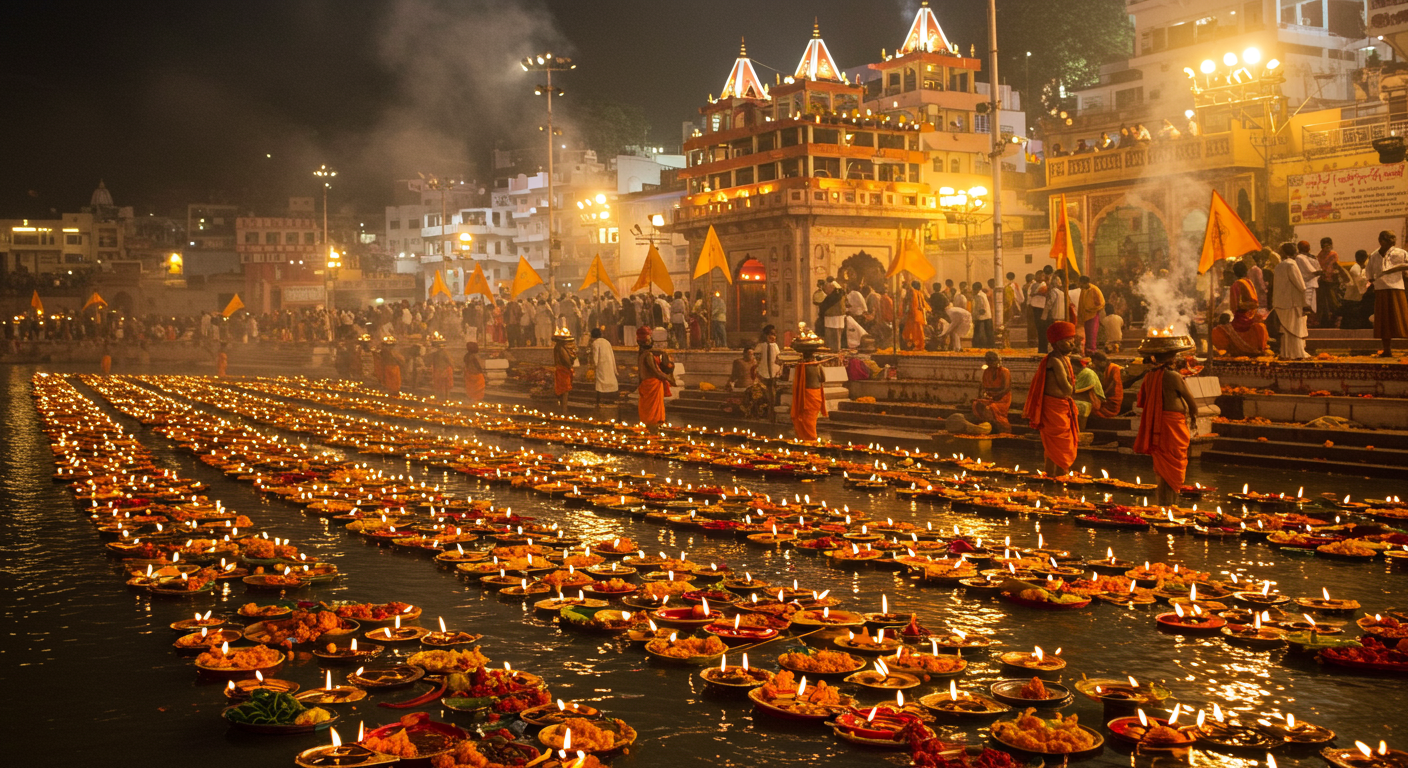
The first light of dawn in Rishikesh isn’t just a visual spectacle; it’s an auditory experience. The gentle lapping of the Ganges against ancient ghats, the distant chiming of temple bells, and the chanting from riverside ashrams create a symphony that immediately connects you to something profound. Most travelers don’t realize that beyond its adventure sports facade, Rishikesh holds an unparalleled depth of spiritual & cultural experiences waiting to be discovered. As someone who has spent considerable time exploring its hidden corners and vibrant traditions, I can tell you that this sacred town offers much more than meets the eye.
This article isn’t just another travelogue. It’s a practical, insider’s guide designed to answer every question you might have about immersing yourself in the true essence of Rishikesh. We’ll delve into the profound spiritual & cultural Rishikesh practices, highlight must-visit sacred sites, and equip you with the knowledge to navigate this unique destination with confidence and respect. From understanding the ancient traditions to finding your perfect retreat, prepare to uncover the heart of India’s Yoga Capital.
What Defines Spiritual & Cultural Rishikesh and Why It Matters
When we speak of the spiritual & cultural Rishikesh, we’re referring to the deep-rooted practices, historical sites, and the pervasive atmosphere of devotion and introspection that permeates this Himalayan town. It’s a place where ancient Vedic traditions meet contemporary seekers, where the Ganges isn’t just a river but a living goddess, and where every corner seems to whisper tales of sages and enlightenment. Understanding this core identity is crucial for any visitor who wishes to move beyond a superficial glance and truly connect with the soul of the place.
This spiritual heartbeat is why Rishikesh draws millions annually, from pilgrims seeking solace to yoga enthusiasts pursuing deeper understanding. It’s a unique blend of vibrant devotion and tranquil introspection, offering a path for everyone. The energy here is palpable, a direct result of centuries of spiritual practice and reverence. To truly appreciate your visit, you must open yourself to this profound dimension.
The Essence of Rishikesh’s Spiritual Heritage
Rishikesh’s spiritual heritage is primarily rooted in Hinduism, particularly the Shaivite and Vaishnavite traditions, alongside the burgeoning global interest in yoga and meditation. The town is considered the “Gateway to the Garhwal Himalayas” and the starting point for the Char Dham Yatra, a pilgrimage to four sacred sites. The very air seems charged with spiritual energy, making it an ideal place for introspection and personal growth. The countless ashrams, temples, and meditation caves are not just structures; they are living testaments to a continuous spiritual lineage.
“In Rishikesh, the Ganges isn’t merely water; it’s the lifeblood of spiritual awakening, carrying prayers and purification downstream for millennia.”
A prime example of this heritage is the Neelkanth Mahadev Temple. Situated at a breathtaking 1330m height amidst dense forests, this ancient temple dedicated to Lord Shiva offers not just panoramic valley views but also a profound sense of peace. Legend has it that this is where Shiva consumed the poison from the Samudra Manthan, saving the universe. Visiting this site, especially during early morning prayers, provides a powerful connection to ancient mythology and enduring faith. It’s a top-rated in Rishikesh spiritual experience that combines natural beauty with deep devotion.
You might also be interested in: Read more about: Your Ultimate Rishikesh Adventure Sports…
Who Benefits Most from a Spiritual & Cultural Immersion?
A spiritual and cultural immersion in Rishikesh is ideal for a diverse range of individuals. It particularly appeals to those seeking:
- Inner Peace and Self-Discovery: The tranquil environment and abundance of yoga and meditation centers provide fertile ground for personal reflection and growth.
- Yoga and Meditation Enthusiasts: Whether you’re a beginner or an advanced practitioner, Rishikesh offers world-class instruction and authentic practices. Many ashrams offer certified courses and drop-in classes.
- Cultural Explorers: Those interested in India’s rich spiritual traditions, ancient rituals, and vibrant local life will find an endless source of fascination.
- Wellness Seekers: Beyond yoga, many centers offer Ayurvedic treatments, detox programs, and holistic healing, catering to a comprehensive approach to well-being.
- Pilgrims: For devout Hindus, Rishikesh is a crucial stop on their spiritual journey, offering opportunities for purification baths in the Ganges and visits to revered temples.
Even if you’re not deeply spiritual, the sheer beauty and unique atmosphere of this town can offer a refreshing break from the ordinary, providing a chance to slow down and reconnect with yourself. The cost for a basic yoga class can be as low as INR 150-300, making it accessible to many.
Navigating the Spiritual Path: Your Practical Guide to Immersion
Embarking on a spiritual and cultural journey in Rishikesh requires a bit of planning to make the most of your experience. This section will guide you through the practical steps, from getting there to what to expect during your stay, ensuring a smooth and enriching adventure.
The journey itself can be part of the experience, transitioning from the hustle and bustle of city life to the serene foothills of the Himalayas. Proper preparation ensures you can fully embrace the unique offerings of spiritual & cultural Rishikesh in Rishikesh, allowing for deeper engagement with its traditions and practices.
Getting There and Settling In
Reaching Rishikesh is relatively straightforward. The nearest airport is Jolly Grant Airport (DED) in Dehradun, approximately 35 km away. From there, you can easily find pre-paid taxis or ride-sharing services for about INR 1000-1500 directly to your accommodation in Rishikesh. Alternatively, Rishikesh has its own railway station (RKSH), though connections might require a change at Haridwar. Buses are also a popular and economical option from major cities like Delhi, typically costing INR 500-800 for an overnight journey.
Once you arrive, settling in involves choosing your accommodation wisely. Rishikesh offers a wide range, from simple ashram stays to comfortable hotels and guesthouses. For a truly immersive experience, consider staying at an ashram like Parmarth Niketan, one of the largest and most renowned ashrams. They offer basic but clean accommodation, daily yoga and meditation classes, and participation in the famous Ganga Aarti. Be sure to book well in advance, especially during peak seasons (March-June and September-November) and for any specific yoga or meditation courses.
You might also be interested in: Read more about: Finding the Best Hotels in Rishikesh: Yo…
- Airport (DED): 35 km, ~INR 1200 taxi.
- Railway (RKSH): Limited direct trains; often connect via Haridwar.
- Bus: Frequent, affordable services from Delhi and other cities.
- Accommodation: Book ashrams or hotels ahead, particularly for best quality in Rishikesh spiritual retreats.
Embracing Daily Life and Local Customs
To fully appreciate the spiritual & cultural Rishikesh, it’s essential to understand and respect local customs. Dress modestly, especially when visiting temples and ashrams; shoulders and knees should be covered. Public displays of affection are generally frowned upon. The pace of life is slower here, so embrace it.
A quintessential experience is attending the Ganga Aarti, a mesmerizing fire ceremony held nightly at sunset on the banks of the Ganges. The one at Parmarth Niketan is particularly grand and moving, a powerful display of devotion where hymns are chanted and lamps are offered to the river. Another must-do is visiting the iconic Lakshman Jhula and Ram Jhula bridges. While popular, venture beyond them to discover quieter ghats and smaller temples. Exploring these areas on foot allows you to soak in the atmosphere and witness daily life across Rishikesh.
Don’t miss the opportunity to explore some of the town’s underrated gems. Just a short hike from the main area, you’ll find Neer Garh Waterfall, a series of three beautiful cascades offering a refreshing escape and a chance to connect with nature. For a deeper, more meditative experience, seek out the Jhilmil Gufa, a group of three caves nestled in the forest near Neelkanth temple, historically used for deep meditation. These spots offer a different, more secluded facet of the spiritual journey.
Insider Tips for a Deeper Spiritual & Cultural Experience
Having spent time navigating the alleys and ashrams of Rishikesh, I’ve gathered some insights that can elevate your visit from a tourist stop to a genuinely transformative journey. These aren’t tips you’ll find in every guide, but they are crucial for anyone seeking to truly connect with the profound spiritual & cultural Rishikesh has to offer.
My aim is to help you avoid common pitfalls and discover the authentic heart of this sacred town. By understanding the nuances and embracing a local perspective, you can unlock experiences that many visitors miss, making your engagement with the best spiritual & cultural Rishikesh in Rishikesh truly memorable.
Best Times to Visit and What to Avoid
The ideal times to visit Rishikesh for spiritual and cultural immersion are during the spring (March to May) and autumn (September to November). The weather is pleasant, with clear skies perfect for outdoor activities and comfortable temperatures for meditation and temple visits. The Ganga Aarti is particularly enchanting during these months, with comfortable evenings for riverside gatherings.
You might also be interested in: Explore Rishikesh Adventures on Bucketlistt
Conversely, the monsoon season (July to August) brings heavy rains, which can disrupt travel plans, cause landslides, and make river activities dangerous. While the landscape is lush and green, the constant downpour might limit your exploration. Summer (June) can be intensely hot, with temperatures soaring, making daytime excursions less comfortable. It’s also wise to avoid major festival dates if you prefer tranquility, as the town becomes exceptionally crowded with pilgrims. However, if you seek vibrant, high-energy spiritual celebrations, these times can be incredibly rewarding, albeit overwhelming.
“Engaging with yoga experts in Rishikesh can profoundly deepen your practice; their lineage and wisdom are unparalleled. Don’t hesitate to seek out reputable teachers for guidance.”
Local Secrets and Underrated Gems
Beyond the well-trodden paths, Rishikesh harbors several lesser-known spots that offer a more intimate and profound spiritual experience. One such gem is the Phool Chatti Ashram Area. Located a bit further upstream from the main tourist hubs, this quiet stretch of riverbanks and trails offers a serene escape from the city’s bustle. It’s perfect for solitary walks, riverside meditation, and simply soaking in the natural beauty without crowds. Many small, authentic ashrams are nestled here, offering a more traditional and less commercialized experience.
Another insider tip is to explore the smaller, local temples away from the main bridges. These often have a more personal, community feel and offer a glimpse into the daily devotional practices of Rishikesh residents. Engage with local vendors in the markets, not just for souvenirs, but to learn about regional customs and practices. Many local artisans are spiritual experts in Rishikesh, crafting items used in daily rituals. Also, consider taking a cooking class to understand the vegetarian diet, which is an integral part of the spiritual lifestyle here. It’s these small interactions that truly enrich your understanding of the local culture and spirituality.
For a truly unique perspective, wake up before dawn and visit a local chai stall near a ghat. Watching the town slowly awaken, with the first prayers echoing and the fog lifting from the Ganges, is an experience that connects you deeply to the rhythm of Rishikesh. This quiet observation often reveals more about the town’s spiritual pulse than any guided tour.
Rishikesh is one of those rare destinations that genuinely delivers on its reputation — whether you come for the adrenaline, the spirituality, or simply to sit by the Ganga and think. This guide covered best spiritual & cultural rishikesh in rishikesh, spiritual & cultural rishikesh, spiritual & cultural rishikesh in rishikesh, giving you the practical knowledge to plan a memorable visit. If you want a curated list of verified operators and activity packages, you can browse options on Bucketlistt.
Frequently Asked Questions about Spiritual & Cultural Rishikesh
What is the best time of year to visit Rishikesh for spiritual activities?
The ideal time for spiritual activities in Rishikesh is from March to May and September to November. During these months, the weather is pleasant, making it comfortable for yoga, meditation, temple visits, and attending the Ganga Aarti, allowing for a deeper connection with the spiritual & cultural Rishikesh.
Are there specific dress codes for visiting ashrams and temples in Rishikesh?
Yes, it’s highly recommended to dress modestly when visiting ashrams and temples in Rishikesh. This generally means covering your shoulders and knees. Loose-fitting, comfortable clothing is best suited for both the climate and the spiritual atmosphere.
Can I find authentic yoga and meditation classes for beginners in Rishikesh?
Absolutely. Rishikesh is renowned as the Yoga Capital of the World and offers numerous ashrams and schools providing authentic yoga and meditation classes for all levels, including complete beginners. Many places specialize in teaching the foundational aspects of spiritual & cultural Rishikesh practices.
What is the Ganga Aarti, and where can I experience it?
The Ganga Aarti is a sacred fire ceremony performed daily at sunset to worship the Ganges River. While celebrated at various ghats, the most prominent and moving ceremony takes place at Parmarth Niketan Ashram. It’s a powerful and beautiful display of devotion integral to the spiritual & cultural Rishikesh experience.
Is it safe for solo female travelers to explore the spiritual & cultural Rishikesh?
Rishikesh is generally considered safe for solo female travelers, especially in the main tourist and ashram areas. However, like any travel destination, it’s always wise to exercise caution, avoid walking alone at night in secluded areas, and be aware of your surroundings. Sticking to well-lit and populated areas is advisable.
What are some unique spiritual sites to visit beyond the main attractions?
Beyond the popular spots, consider visiting the Jhilmil Gufa caves for deep meditation or exploring the tranquil Phool Chatti Ashram Area for a quieter riverside experience. These locations offer a more secluded and introspective facet of the spiritual & cultural Rishikesh.
What is the typical cost for a basic yoga class in Rishikesh?
The cost for a single drop-in yoga class in Rishikesh can vary, but generally ranges from INR 150 to INR 300. Many ashrams and yoga centers also offer weekly or monthly passes at discounted rates, making the spiritual & cultural Rishikesh accessible for longer stays.
Can I find Ayurvedic treatments and holistic healing in Rishikesh?
Yes, Rishikesh is a hub for Ayurvedic treatments, panchakarma therapies, and various forms of holistic healing. Many ashrams and dedicated wellness centers offer consultations, massages, and personalized treatment plans, complementing the spiritual journey with physical well-being. Look for reputable centers offering the best quality in Rishikesh for these services.