
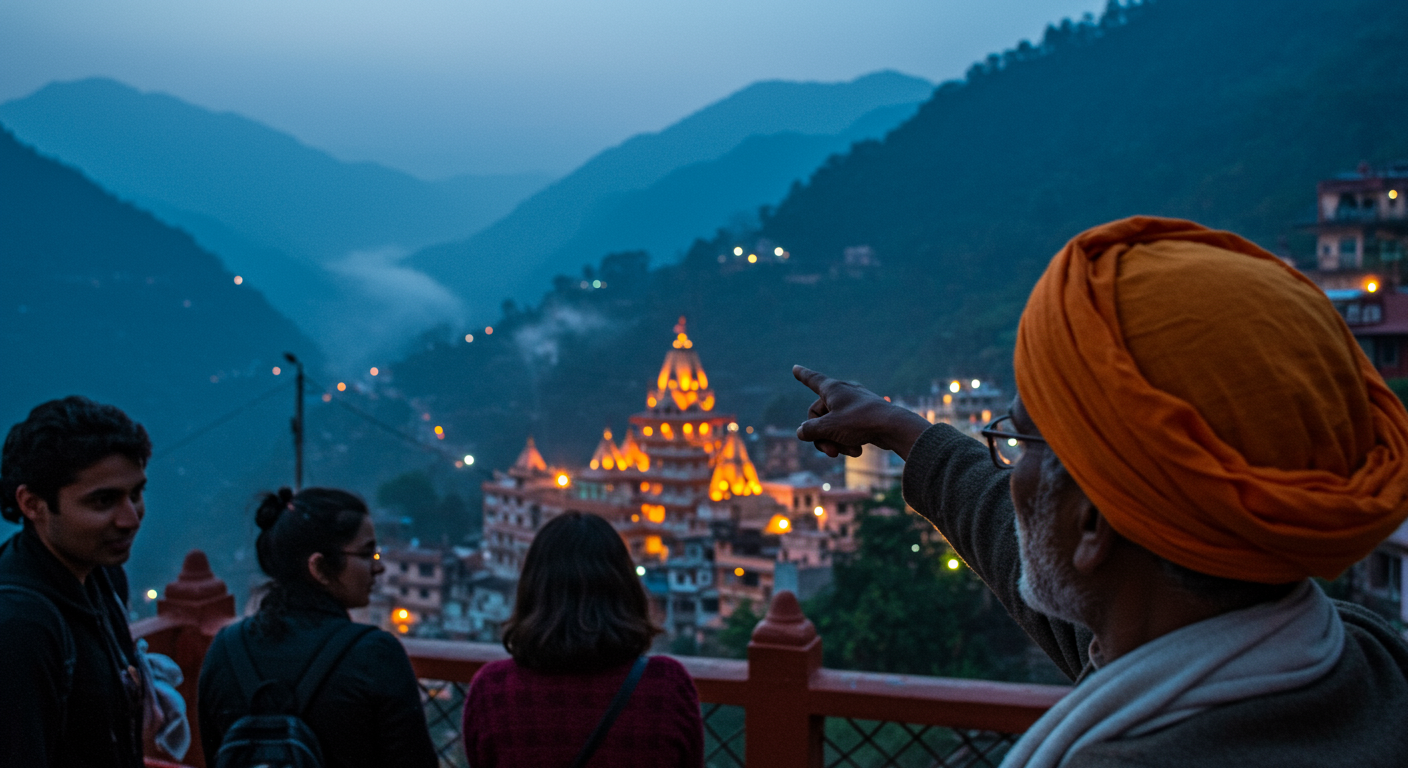
Stepping off the bus or out of a taxi into the vibrant energy of the adventure capital, nestled in the Himalayan foothills, the first thing you notice is the unique rhythm of movement. This isn’t just a spiritual haven; it’s a dynamic hub where the local transport sector plays a pivotal role in daily life and tourism. Understanding the nuances of the adventure capital transport & getting around is paramount for any visitor, ensuring a seamless and enriching experience. As an independent travel expert with over a decade and a half of navigating global destinations, I can tell you that mastering local logistics is key to unlocking a place’s true essence. Here, we delve into the intricate ecosystem of the adventure capital’s transportation, examining its industrial applications, large-scale usage scenarios, and the sector-wide benefits and drawbacks that shape your journey.
The system of the adventure capital transport & getting around is a fascinating blend of traditional and emerging services, catering to a diverse clientele ranging from pilgrims and yoga enthusiasts to adventure seekers and local commuters. This guide aims to equip you with the knowledge to make informed choices, ensuring your explorations of this sacred city, often called the spiritual capital of the world, are both efficient and enjoyable. From the bustling market streets to the serene riverside ashrams, your ability to move confidently through the adventure capital will define your adventure. Let’s explore how this vital industry operates and how you can best utilize its offerings in 2026 and beyond.
The the adventure capital Transport Sector: An Overview of Its Industrial Landscape
The transportation industry in the adventure capital, a prominent city in Uttarakhand, is a complex network vital for both its resident population and the millions of tourists who flock here annually. Unlike larger metropolitan areas, the adventure capital’s transport infrastructure is characterized by its adaptability to diverse terrains and varying demands, from narrow lanes to mountain roads. The primary modes—auto-rickshaws, shared jeeps (Vikrams), private taxis, two-wheelers, and local buses—each represent distinct segments of a thriving local economy. These services collectively form the backbone of local connectivity, enabling access to popular sites like Neer Garh Waterfall and the tranquil banks of the Ganges.
The industrial application of these transport methods extends beyond individual commutes; they are critical for supporting the local tourism industry, facilitating supply chains for businesses, and providing essential services to remote communities in the surrounding hills. Large-scale usage scenarios involve daily pilgrim movements to temples, organized adventure tourism groups heading to Shivpuri for rafting, and the constant flow of goods to sustain the adventure capital’s growing population. Understanding the operational dynamics of these segments is crucial for appreciating the efficiency—and occasional challenges—of getting around this unique destination.
You might also be interested in: Read more about: Maximizing Your Scenic Flying Fox & Zipl…
Operational Dynamics of Key Transport Segments
The auto-rickshaw sector, for instance, operates as a largely informal but highly organized network. Drivers often belong to unions, which influence pricing and routes, particularly for intra-city travel. Their industrial application is primarily point-to-point short-distance commuting, forming the capillaries of the city’s transport system. Shared jeeps, known locally as Vikrams, function as a more structured public transport alternative, following fixed routes and offering a cost-effective solution for longer distances, such as journeys to Laxman Jhula or Ram Jhula. This model represents a significant large-scale usage scenario for daily commuters and budget travelers. The private taxi industry, conversely, caters to premium demand, offering comfort, flexibility, and direct transfers to destinations like The Beatles Ashram or even longer trips to nearby pilgrimage sites. This segment demonstrates a higher industrial capitalization due to vehicle ownership and maintenance costs, yet provides significant sector-wide benefits in terms of comfort and personalized service.
Expert Tip: Always clarify the fare before starting your journey, especially with auto-rickshaws and private taxis. While some routes have standard rates, negotiation is common, and it helps to have an idea of fair pricing.
Sector-Wide Benefits and Drawbacks
The benefits of the adventure capital’s diverse transport sector are manifold. It offers unparalleled accessibility, allowing visitors to explore both well-trodden paths and hidden gems like Jhilmil Gufa. The availability of multiple options caters to various budgets and preferences, fostering a competitive environment that generally keeps prices reasonable. Furthermore, the sector is a significant employer, providing livelihoods for thousands of families in Uttarakhand. However, there are inherent drawbacks. Traffic congestion, particularly during peak tourist seasons or religious festivals, can be a major issue, impacting travel times and increasing pollution. The informal nature of some segments can sometimes lead to inconsistent pricing or safety standards, posing challenges for both regulators and consumers. Additionally, the increasing number of vehicles contributes to environmental concerns in this ecologically sensitive region, highlighting a critical area for future sustainable development within the the adventure capital transport & getting around industry.
Engaging with the the adventure capital Transport & Getting Around Industry: A Practical Guide
🏔️ Plan Your the adventure capital Adventure
Discover and book the best adventure activities, cultural experiences, and stays in the adventure capital — all verified, certified, and available with instant confirmation on Bucketlistt!
For any traveler, interacting effectively with the local transport industry is key to a smooth the adventure capital experience. This isn’t just about hailing a ride; it’s about understanding the operational norms, pricing structures, and best practices within each transport segment to optimize your journey. Whether you’re heading to the serene Vashishta Gufa for meditation or seeking adventure in Shivpuri, an informed approach will enhance your time in this sacred city, often dubbed the Yoga capital. Here’s how to navigate the system like a seasoned local.
Choosing Your Mode: Engaging the Right Service
Selecting the appropriate transport mode depends on your destination, budget, and desired comfort level. For short distances within the main town areas (e.g., from Laxman Jhula to Ram Jhula), auto-rickshaws are ubiquitous and generally the most convenient. They operate on a fare-per-ride basis, and while meters are rare, a quick negotiation before boarding is standard practice. For destinations further afield or when traveling with a group, private taxis offer comfort and direct service. These can be booked through hotels, local taxi stands, or increasingly, through ride-hailing apps that are slowly gaining traction in the region, providing a more transparent and often safer experience. The shared jeep (Vikram) network is ideal for budget travelers and those wanting a more authentic local experience, connecting key points like the adventure capital railway station to Tapovan. Two-wheelers (scooters, motorcycles) are available for rent, offering maximum flexibility for independent exploration, though caution is advised on the often-congested and winding roads.
You might also be interested in: Read more about: Finding the Best Hostels in the adventure capital: Y…
- Auto-Rickshaws: Best for short, intra-city trips. Always negotiate the fare beforehand. Expect slightly higher prices after dark.
- Shared Jeeps (Vikrams): Economical for fixed routes and longer distances. Ideal for connecting major hubs.
- Private Taxis: Recommended for comfort, longer excursions (e.g., to Shivpuri or further into the gateway to the Garhwal Himalayas), or when carrying luggage. Book through reputable operators.
- Two-Wheeler Rentals: Offers freedom but requires confident driving skills. Always wear a helmet and carry necessary documents.
- Local Buses: Most budget-friendly for inter-city travel (e.g., to Haridwar) but less flexible for intra-the adventure capital movement.
Cost Management and Safety Protocols within the Sector
Managing costs effectively within the adventure capital’s transport sector involves understanding local pricing norms. While auto-rickshaw fares for a short ride within Tapovan might be ₹50-₹100, a longer trip to a place like The Beatles Ashram could range from ₹200-₹300. Private taxis will naturally be more expensive, with a day trip to Shivpuri potentially costing ₹1500-₹2500, depending on negotiation and duration. It’s always wise to compare prices from a couple of sources before committing. For safety, especially when utilizing the best the adventure capital transport & getting around options, always prioritize licensed vehicles and drivers. When taking an auto-rickshaw, note the vehicle number. For private taxis, ensure the driver’s ID is displayed and share your ride details with someone. Avoid traveling alone late at night with unknown drivers. In 2026, many operators are increasingly adopting digital payment methods, reducing the need for exact cash, which is a significant safety and convenience improvement for the sector.
The best time of day to travel is typically early morning or late afternoon to avoid peak traffic congestion and the midday heat. What to wear is less about transport and more about the destination; modest clothing is always appropriate in the adventure capital, particularly when visiting temples or ashrams. During the monsoon season (July-September), road conditions can be challenging, making slower travel times and potentially higher fares due to demand and risk. Always stay informed about local weather and road advisories.
Insider Tips & Best Practices for Navigating the adventure capital’s Transport Industry
As an experienced traveler, I’ve learned that truly understanding a destination’s transport sector goes beyond just knowing the options; it involves leveraging insider knowledge to enhance efficiency, safety, and overall experience. The the adventure capital transport & getting around landscape, while seemingly straightforward, holds several nuances that can significantly impact your journey. These tips will help you interact with the local industry more effectively, ensuring you get the best the adventure capital transport & getting around experience possible.
Optimizing Your Interaction with Local Operators
One key aspect is recognizing the seasonal variations in demand and supply. During peak pilgrimage seasons (e.g., Char Dham Yatra starting around April/May) or major festivals like the International Yoga Festival (March), transport availability decreases, and prices tend to surge. Booking private taxis or shared jeeps in advance during these times is a smart strategy to avoid last-minute hassles and inflated fares. Establishing a good rapport with a specific auto-rickshaw or taxi driver can also be beneficial; they might offer better rates for repeat business or provide valuable local insights. Always confirm if the quoted fare is for the entire vehicle or per person, especially with shared services, to prevent misunderstandings. Digital platforms, though not as widespread as in metros, are slowly integrating into the the adventure capital transport scene. Using apps for taxi bookings can offer transparency and trackability, adding a layer of safety and reliability. This trend is a significant development in the industrial application of technology within the local transport sector.
You might also be interested in: explore Rishikesh Adventures on Rishikesh-places
Enhancing Safety and Sustainability in Your Journeys
Safety should always be a top priority. When renting a two-wheeler, thoroughly check its condition, brakes, and lights before accepting. Always insist on wearing a helmet. For longer journeys, especially to more remote areas like Jhilmil Gufa, ensure your vehicle is well-maintained and the driver is familiar with the route. It’s also wise to carry a local SIM card or ensure your phone has network coverage, as GPS can be invaluable. From a sustainability perspective, consider shared transport options like Vikrams or even walking for shorter distances. This not only reduces your carbon footprint but also supports the local community more directly. Choosing operators who maintain their vehicles well and adhere to safety standards contributes to the overall improvement of the transport sector. By making conscious choices, travelers can play a part in promoting a more responsible and efficient rishikesh transport & getting around industry, benefiting both visitors and locals alike.
For example, if you’re planning a trip to the serene Vashishta Gufa, discussing the return trip details with your driver beforehand can save time and potential negotiation issues later. Many drivers are willing to wait for a reasonable fee, offering a practical solution for visiting out-of-the-way attractions. This kind of flexibility is a hallmark of the local transport industry’s service orientation.
Rishikesh is one of those rare destinations that genuinely delivers on its reputation — whether you come for the adrenaline, the spirituality, or simply to sit by the Ganga and think. This guide covered best rishikesh transport & getting around, rishikesh transport & getting around, giving you the practical knowledge to plan a memorable visit. If you want a curated list of verified operators and activity packages, you can browse options on Bucketlistt.
Our travel portal addresses key search topics such as: rishikesh transport & getting around, best rishikesh transport & getting around, rishikesh transport & getting around, best rishikesh transport & getting around, rishikesh transport & getting around, best rishikesh transport & getting around, rishikesh transport & getting around, best rishikesh transport & getting around, rishikesh transport & getting around, best rishikesh transport & getting around to make your vacation planning seamless.
Frequently Asked Questions about Rishikesh Transport & Getting Around
What are the main modes of rishikesh transport & getting around?
The primary modes of rishikesh transport & getting around include auto-rickshaws, shared jeeps (Vikrams), private taxis, and rented two-wheelers. Local buses also serve inter-city routes, connecting Rishikesh to nearby towns and cities.
Is it safe to use local transport in Rishikesh, especially for solo travelers?
Generally, local transport in Rishikesh is safe. Always choose licensed vehicles, negotiate fares upfront, and avoid traveling alone with unknown drivers late at night. Sharing your ride details with someone is also a good practice for added safety.
How much does an auto-rickshaw ride typically cost in Rishikesh?
Auto-rickshaw fares vary based on distance and negotiation. Short rides within central areas might cost ₹50-₹100, while longer trips to places like The Beatles Ashram could be ₹200-₹300. Always confirm the price before starting your journey.
Are ride-hailing apps available and reliable for rishikesh transport & getting around?
While not as prevalent as in larger Indian cities, some ride-hailing apps are gradually becoming available in Rishikesh, offering a more transparent booking experience. However, traditional taxi stands and auto-rickshaws remain the most common and often quickest options.
What is the best way to get to Shivpuri for river rafting from Rishikesh?
The best rishikesh transport & getting around option for Shivpuri is typically a private taxi or an organized tour bus, especially if you’re part of a rafting package. Shared jeeps can also be an economical choice, though they might involve multiple stops.
Can I rent a scooter or motorcycle in Rishikesh?
Yes, two-wheeler rentals are widely available in Rishikesh. They offer excellent flexibility for exploring. Ensure you have a valid driving license, wear a helmet, and thoroughly check the vehicle’s condition before renting.
What are the challenges for the Rishikesh transport sector during monsoon season?
During the monsoon (July-September), the Rishikesh transport sector faces challenges such as slippery roads, potential landslides, and increased traffic congestion. This can lead to longer travel times and occasional disruptions, so planning ahead is crucial.
How can I ensure I’m getting the best rishikesh transport & getting around deal?
To ensure you get the best rishikesh transport & getting around deal, compare prices from a couple of operators, especially for private taxis. For auto-rickshaws, politely negotiate fares, and consider using shared options for longer routes to save costs.