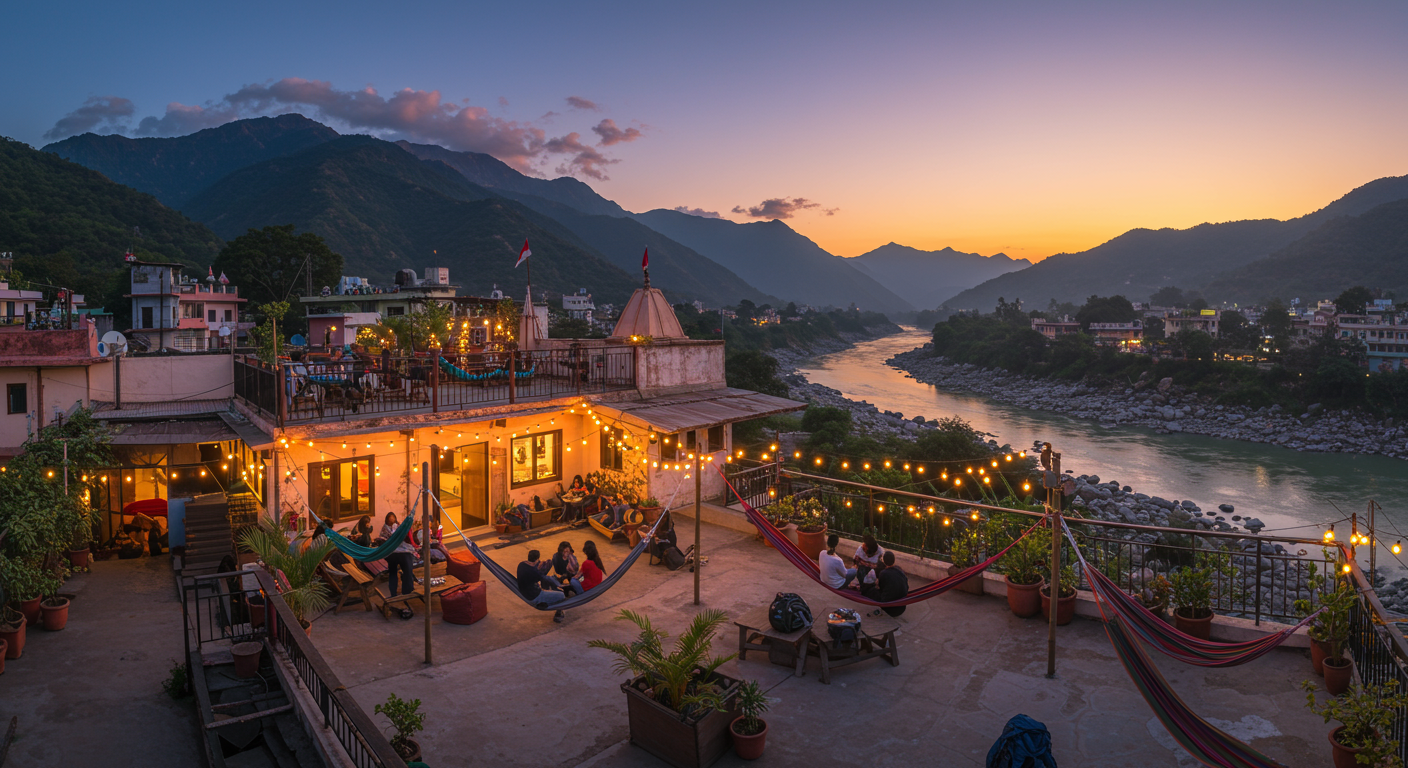
The early morning mist, still clinging to the foothills of the Himalayas, carries the faint sound of temple bells and the distant roar of the Ganges. This is Rishikesh, a town that hums with a unique spiritual energy, drawing seekers, adventurers, and backpackers from across the globe. For those traveling on a budget, finding the right accommodation is paramount to experiencing the full spectrum of what this sacred city offers. Navigating the landscape of best hostels in Rishikesh can be a delightful adventure in itself, offering not just a place to sleep, but a community and a launchpad for unforgettable experiences. This guide will delve into the practicalities of choosing and enjoying these vibrant hubs, ensuring your journey through Rishikesh is both enriching and economical.
Understanding the Hostel Ecosystem in Rishikesh
Rishikesh has carved a niche for itself as a global yoga and adventure capital, and its hospitality sector has evolved to meet this demand. The concept of hostels here goes beyond mere dormitory beds; they often serve as cultural immersion points. Many establishments pride themselves on fostering a communal atmosphere, which is crucial for solo travelers looking to connect. The management models employed by these hostels can significantly impact the guest experience, ranging from highly organized, professionally run operations to more laid-back, community-driven initiatives. Understanding these differences is key to selecting a hostel that aligns with your travel style and expectations. The sheer diversity of options means you can find places that cater to specific interests, whether it’s silent retreats, intense yoga practice, or adrenaline-pumping river rafting.
Community-Centric vs. Professionally Managed Hostels
Community-centric hostels often feel more like a shared home. They might be run by long-term residents or passionate travelers who prioritize social interaction and shared experiences. Activities like communal dinners, bonfires, and local excursions are common. This model excels at creating a strong sense of belonging. On the other hand, professionally managed hostels typically adhere to stricter operational standards. They might offer more amenities, better Wi-Fi, and more structured services. While they may lack some of the spontaneous charm of their community counterparts, they often provide a higher level of reliability and comfort, ensuring a smooth stay for all customers.
The Role of Location and Atmosphere
The placement of a hostel within Rishikesh is a critical factor. Some are nestled in the heart of the bustling town, close to the iconic Laxman Jhula and Ram Jhula bridges, offering immediate access to ashrams like Parmarth Niketan and the vibrant market scenes. Others are situated on the outskirts, providing a more serene environment, perhaps closer to natural attractions like Neer Garh Waterfall, offering a tranquil escape. The atmosphere a hostel cultivates—whether it’s peaceful and meditative or lively and social—will profoundly shape your experience. Consider what you seek: a quiet sanctuary for introspection or a buzzing hub for meeting fellow travelers and planning your next adventure.
You might also be interested in: Read more about: Implementing Best Practices for Family A…
Practicalities of Staying in Rishikesh Hostels
🌊 Book River Rafting in Rishikesh
Experience the thrill of white-water rafting with certified guides and a 100% safety record. Choose from 9km to 36km routes — instant confirmation guaranteed!
Choosing among the best hostels in Rishikesh involves more than just looking at photos and prices. Practical considerations can make or break your trip. From the moment you plan your arrival to your daily routines, understanding the nuances of hostel living in this spiritual town is essential. This section aims to equip you with the knowledge to make informed decisions and maximize your stay.
Booking and Arrival: What to Expect
When booking your stay, particularly during peak seasons (October to March), it’s advisable to reserve your spot in advance. Many hostels offer online booking, but sometimes direct contact can yield better deals or clarify specific needs. Upon arrival, most hostels will have a reception area for check-in. Be prepared to present identification and possibly complete a registration form. Many hostels in Rishikesh are run by locals who understand the spiritual and cultural context deeply, so don’t hesitate to ask for recommendations for local temples, meditation centers, or even the best quality street food vendors. The best quality in Rishikesh is often found in the simplest of settings.
Daily Life and Amenities
Hostel dormitories typically feature bunk beds, with shared bathrooms being the norm. Private rooms may also be available. Common areas are the heart of hostel life, often equipped with seating, tables, and sometimes a communal kitchen. While not all hostels provide full kitchens, many offer basic facilities for preparing simple meals like instant noodles or tea. Wi-Fi is usually available, though speeds can vary. Many hostels also organize activities, from yoga sessions and meditation classes to trekking trips and river rafting expeditions. This integrated approach offers a holistic experience, connecting guests not only with the town but also with adventure experts in Rishikesh.
You might also be interested in: Read more about: Discover the Best Places to Visit in Ris…
What to Pack and Wear
Rishikesh has a pleasant climate for most of the year, but packing smart is crucial. Light, breathable clothing is recommended for the warmer months (April to June). During the cooler seasons (October to February), pack layers, including a jacket or fleece, as evenings can get chilly. Comfortable walking shoes are a must, as you’ll likely be doing a lot of exploring on foot. Modest attire is respectful, especially when visiting religious sites and ashrams; carrying a scarf or shawl is useful for covering shoulders or heads. For outdoor activities like trekking or visiting Neer Garh Waterfall, quick-dry clothing and sturdy footwear are advisable. Don’t forget essentials like sunscreen, insect repellent, a reusable water bottle, and a basic first-aid kit.
Insider Tips for Navigating Rishikesh Hostels
To truly get the most out of your stay in the best hostels in Rishikesh, a few insider tips can elevate your experience from good to exceptional. These are the nuggets of wisdom that seasoned travelers and locals often share, helping you avoid common pitfalls and discover hidden gems.
Best Time to Visit and Stay
The prime time to explore all Rishikesh adventures on Bucketlistt for pleasant weather and outdoor activities is from mid-September to mid-April. During these months, the days are warm and sunny, and the nights are cool. The monsoon season (July to August) brings heavy rainfall, which can sometimes disrupt travel and outdoor plans, though it offers a lush, green landscape and fewer crowds. Winter (December and January) can be quite cold, especially at night, but the clear skies offer stunning mountain views. For those seeking the best hostels in Rishikesh, planning your visit during the shoulder seasons—late September to October or February to March—can offer a balance of good weather and fewer tourists.
You might also be interested in: Explore Rishikesh Adventures on Bucketlistt
Embracing the Local Culture
Rishikesh is a spiritual center, and respecting local customs is paramount. Dress modestly, especially when visiting temples and ashrams. Participate in the evening Ganga Aarti ceremony at Parmarth Niketan or Triveni Ghat for a profound spiritual experience. Engage with the local community; many hostel staff are from Uttarakhand and can offer invaluable insights into local life and traditions. Learning a few basic Hindi phrases like “Namaste” (Hello) and “Dhanyawad” (Thank you) can go a long way. Remember that Rishikesh is a place of peace and reflection; be mindful of noise levels, especially in communal dormitories and quiet zones.
Beyond the Main Attractions
While Laxman Jhula and Ram Jhula are iconic, explore some of the lesser-known spots. Rishikund, a sacred ancient pond, offers a tranquil escape and a beautiful reflection of the Raghunath Temple. For a more adventurous outing, a hike to Jhilmil Gufa, a series of meditation caves deep in the forest, can be a rewarding experience for those seeking solitude and spiritual connection. Many hostels can help arrange guided tours to these offbeat locations, often with knowledgeable local guides who can share the history and significance of these places. Exploring these hidden gems across Rishikesh truly enriches your understanding of the town’s spiritual and natural allure.
Essential Rishikesh Travel Checklist
- Book activity slots 2–3 days in advance during peak season (Oct–Nov and Mar–May)
- Wear athletic, quick-dry clothing and closed-toe shoes for all outdoor activities
- Carry a government-issued photo ID — required at most activity centres
- Disclose any medical conditions before signing the activity consent form
- Confirm whether video coverage is included or costs extra before booking
- Respect Rishikesh’s spiritual atmosphere — alcohol is prohibited within the city limits
- Carry cash (INR) for small vendors, auto-rickshaws, and local eateries
Rishikesh is one of those rare destinations that genuinely delivers on its reputation — whether you come for the adrenaline, the spirituality, or simply to sit by the Ganga and think. This guide covered best hostels in rishikesh, giving you the practical knowledge to plan a memorable visit. If you want a curated list of verified operators and activity packages, you can browse options on Bucketlistt.
Frequently Asked Questions about Best Hostels in Rishikesh
Frequently Asked Questions about Best Hostels in Rishikesh
What is the average cost of a dorm bed in hostels in Rishikesh?
The average cost for a dorm bed in the best hostels in Rishikesh typically ranges from INR 400 to INR 900 per night. Prices can fluctuate based on the season, the hostel’s amenities, and its location. Booking in advance, especially during peak tourist seasons, is recommended.
Are there private rooms available in Rishikesh hostels?
Yes, most hostels in Rishikesh offer private rooms in addition to dormitories. These private rooms often come with ensuite bathrooms and provide more privacy. They are a great option for couples or travelers seeking a bit more comfort and personal space.
What are the best areas to stay in Rishikesh for backpackers?
The areas around Laxman Jhula and Ram Jhula are very popular with backpackers, offering easy access to ashrams, cafes, and the Ganges. For a quieter experience, consider hostels slightly further out, closer to nature or on the Tapovan side.
Do hostels in Rishikesh offer yoga classes?
Many of the best hostels in Rishikesh integrate yoga and wellness into their offerings. You’ll often find daily yoga sessions, meditation classes, and sometimes even yoga teacher training programs available directly through the hostel or in partnership with local studios.
Is it safe for solo female travelers to stay in hostels in Rishikesh?
Rishikesh is generally considered a safe destination for solo travelers, including women. Reputable hostels prioritize guest safety with measures like 24-hour reception and secure dorms. It’s always wise to read reviews and choose well-rated establishments.
Can I find hostels that organize adventure activities like river rafting?
Absolutely. Many hostels act as hubs for adventure activities. They often partner with experienced operators to offer trips like river rafting, trekking, and camping. This makes it convenient to book your adventures directly through the hostel.
What facilities can I expect in a typical hostel kitchen in Rishikesh?
Communal kitchens in hostels often provide basic facilities such as a stove, refrigerator, utensils, and a sink. While some might offer more, don’t expect a fully equipped gourmet kitchen. They are ideal for preparing simple meals, snacks, and hot beverages.
Are there any hostels in Rishikesh near Parmarth Niketan?
Yes, several hostels are located within reasonable proximity to Parmarth Niketan, particularly on the eastern bank of the Ganges. Staying in this area allows for easy access to the ashram’s famous Ganga Aarti and spiritual programs.