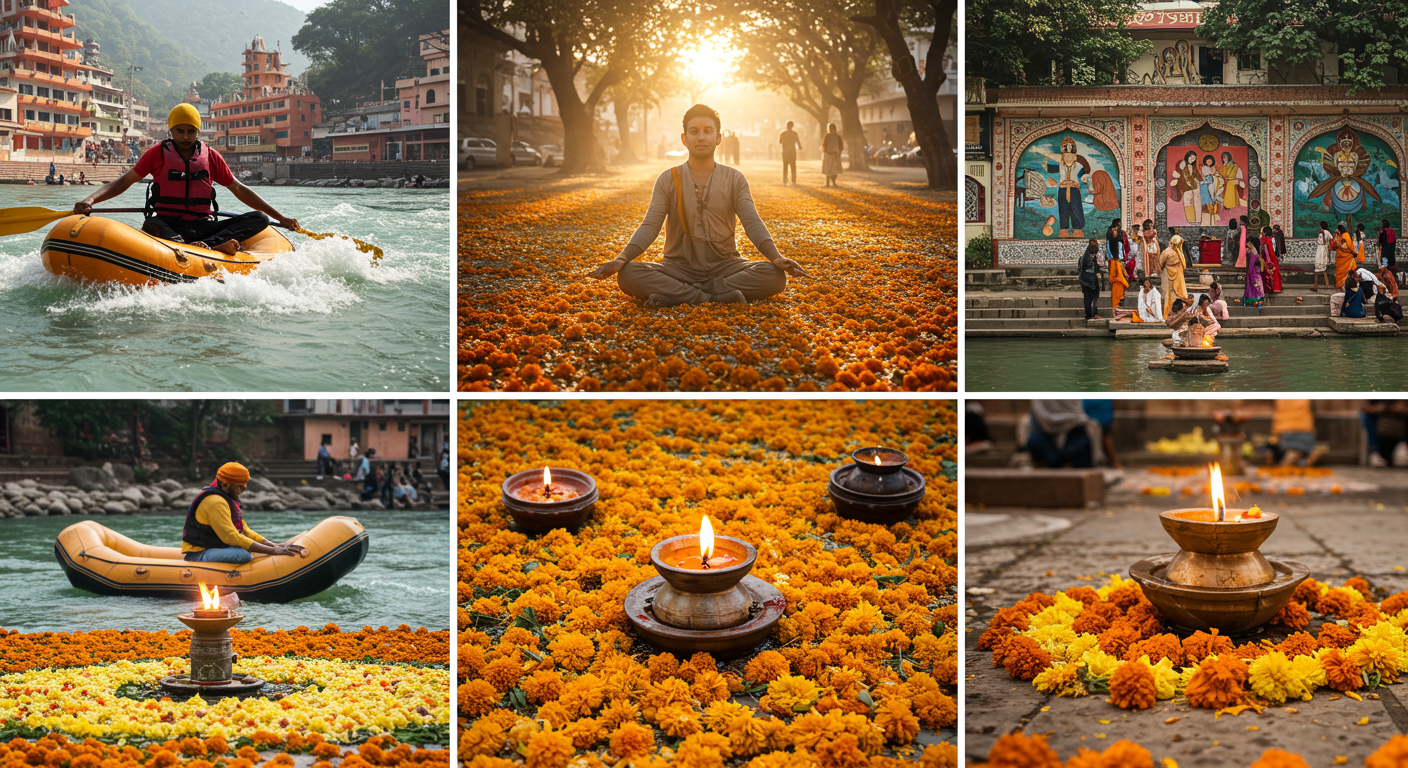
The first thing that strikes you isn’t a sight, but a sound—a symphony of temple bells mingling with the distant roar of the Ganges. As a travel writer who has explored this town for over 15 years, I can tell you that understanding the incredible range of things to do in the adventure capital is about embracing its beautiful duality. On one hand, you have ancient spiritual traditions that have flowed unchanged for millennia; on the other, a vibrant, modern energy that pulses with adventure and creativity. It’s a place where saffron-robed sadhus and adrenaline-seeking rafters share the same sacred riverbank.
This guide is born from countless visits, navigating the winding lanes and discovering both its celebrated landmarks and hidden corners. We’ll move beyond the typical checklist and compare the classic, soul-stirring experiences with their modern, high-energy counterparts. Whether you’re here to find inner peace or an adrenaline spike, you’ll discover that the true magic lies in how these two worlds coexist. This is your definitive resource for planning a trip that captures the complete essence of this Himalayan town, the true spiritual heart of Uttarakhand.
The Soul of the City: Timeless Spiritual Pursuits
At its core, the adventure capital is a pilgrimage. For centuries, seekers have been drawn to its shores to connect with something profound. These classic activities are not just tourist attractions; they are deeply ingrained rituals that form the town’s spiritual bedrock. Engaging with them is the first step to understanding why this place has captivated hearts for generations. These are some of the best things to do in the adventure capital for spiritual travelers.
The Sacred Ganga Aarti at Triveni Ghat
The evening Maha Ganga Aarti at Triveni Ghat is arguably the most powerful spiritual spectacle in town. As dusk settles, priests in traditional attire perform a synchronized ritual of fire, incense, and chanting, offering their prayers to Mother Ganga. The air becomes thick with devotion, the scent of marigolds, and the sound of ringing bells. It’s a mesmerizing experience that feels both grand and deeply personal. Unlike the more theatrical aartis elsewhere, the ceremony here feels raw and authentic.
To make the most of it, arrive 45 minutes early to secure a good spot on the steps. The aarti starts around 6:00 PM in summer and 5:30 PM in winter, and it is completely free to attend. Participating in this ancient ceremony is one of the most essential things to do in the adventure capital for any first-time visitor.
Ancient Sanctuaries and Meditation Caves
For a deeper, more solitary spiritual experience, you must venture to the ancient caves where sages have meditated for millennia. Vashishta Gufa (Cave), located on the banks of the Ganges, is a sanctuary of profound silence. Entering the cave feels like stepping into another dimension; the darkness and quiet are absolute, making it a powerful spot for meditation. The cave is open from 8:00 AM to 12:00 PM and 3:00 PM to 6:00 PM, with no entry fee.
You might also be interested in: Read more about: Analyzing Adventure Sports: Sector Trend…
For the more intrepid, Jhilmil Gufa, a group of three caves near the Neelkanth Mahadev Temple, offers an even more secluded experience. The journey itself is part of the pilgrimage, taking you through a quiet forest path. These caves are less frequented, offering a raw and undisturbed connection to the spiritual lineage of the Himalayas.
The Adrenaline Rush: Modern Adventure Activities
🏔️ Plan Your the adventure capital Adventure
Discover and book the best adventure activities, cultural experiences, and stays in the adventure capital — all verified, certified, and available with instant confirmation on Bucketlistt!
While spirituality is its soul, adventure is the beating heart of modern the adventure capital. The town has rightfully earned its title as the adventure hub of North India, offering a playground for thrill-seekers against a stunning Himalayan backdrop. These activities provide a thrilling contrast to the town’s serene atmosphere, showcasing its dynamic and evolving character.
White Water Rafting on the Ganges
No list of modern activities is complete without mentioning the exhilarating experience of white water rafting. Navigating the frothing rapids of the Ganges, with names like Roller Coaster and Golf Course, is a rite of passage. The experience is a perfect blend of teamwork, adrenaline, and breathtaking scenery. The industry here is well-regulated, with certified guides and top-notch safety equipment.
The best season is from late September to mid-November and March to early May. For this adventure, you should wear quick-drying clothes and secure footwear. A typical rafting trip can cost anywhere from ₹600 to ₹2500 per person, depending on the length of the stretch. It remains one of the most popular things to do in the adventure capital.
Exploring the Himalayan Foothills: Trekking and Nature Walks
The hills surrounding the town are crisscrossed with trails leading to stunning vistas and hidden gems. The quintessential modern trek is the sunrise journey to Kunjapuri Devi Temple. It requires an early start (departing by 4:00 AM by taxi), but the reward is a breathtaking panoramic view of the sun rising over the snow-capped Himalayan peaks. From the temple, you can opt for a fantastic 8-9 km downhill trek that ends near the beautiful Neer Garh Waterfall, a series of cascades perfect for a refreshing dip.
You might also be interested in: Read more about: Mastering River Rafting in the adventure capital: Yo…
Insider Tip: The Kunjapuri trek is best experienced with a local guide who can point out the flora and fauna and share stories about the region. Guided sunrise tours typically cost between ₹2500 – ₹4000 and often include transport and breakfast.
Cultural Crossroads: Where Old Meets New
Some of the most fascinating experiences are those that exist at the intersection of the adventure capital’s ancient past and its vibrant present. These places tell a story of transformation, where history is not just preserved but reinterpreted by new generations. Exploring these cultural crossroads is one of the best things to do in the adventure capital to grasp its unique identity.
The Beatles Ashram (Chaurasi Kutia): A Psychedelic Pilgrimage
Nowhere is the blend of old and new more apparent than at the The Beatles Ashram (Chaurasi Kutia). These are the ruins of the Maharishi Mahesh Yogi’s ashram where the legendary band studied Transcendental Meditation in 1968. Today, the abandoned meditation domes and lecture halls are covered in vibrant, psychedelic graffiti art, creating a surreal open-air gallery. It’s a place of quiet contemplation where the spiritual quest of the 60s counter-culture collides with modern street art. You can easily spend hours exploring the domes and taking photos. The ashram is open from 10:00 AM to 4:30 PM in summer.
Wildlife Encounters at Rajaji National Park
Just a short drive away, the Chilla Zone of Rajaji National Park offers a classic wildlife experience made accessible by modern jeep safaris. This sprawling park is a haven for wild elephants, leopards, deer, and an incredible diversity of birdlife. A morning or afternoon safari provides a thrilling opportunity to see these animals in their natural habitat. Safaris run from 7:00 AM – 10:00 AM and 2:30 PM – 5:30 PM. The jeep safari itself costs around ₹3500 – ₹4500, with separate entry fees for visitors. This activity perfectly combines the timeless wonder of the Indian jungle with the comfort of an organized tour.
Insider Tips for Your the adventure capital Itinerary
After years of exploring, I’ve learned that a few local insights can transform a good trip into an unforgettable one. Navigating this town, which is both a holy pilgrimage site and a bustling tourist hub, requires a bit of practical knowledge. Here are my top tips for anyone planning their journey to the yoga capital of the world.
You might also be interested in: Explore Rishikesh Adventures on Rishikesh-places
Best Time to Visit and What to Pack
The ideal time to visit is during the shoulder seasons: from late September to November and from February to April. The weather is pleasant, the skies are clear, and the river is perfect for rafting. The monsoon (July-August) should be avoided for adventure sports. When packing, think layers and modesty.
- Light woolens for cool evenings, even in warmer months.
- Modest clothing (covering shoulders and knees) for visiting temples and ashrams.
- Quick-dry activewear for rafting and trekking.
- Sturdy walking shoes are non-negotiable for exploring the town and its trails.
- A reusable water bottle to stay hydrated and reduce plastic waste.
Navigating the Town and Local Etiquette
The town is primarily divided by the two famous bridges, Ram Jhula and Laxman Jhula. Walking is the best way to explore the immediate areas. For longer distances, auto-rickshaws are plentiful, but always agree on the fare before you start your journey. A classic local tip: the narrow Laxman Jhula bridge becomes incredibly congested with people, scooters, and cows around midday and early evening. For a peaceful crossing and better photos, try going early in the morning (before 9 AM) or later at night.
Remember that you are in a holy town. Public displays of affection are frowned upon, and it’s respectful to remove your shoes before entering any temple or home. Embracing these small customs will enrich your experience and show respect for the local culture, opening doors to more authentic interactions as you explore this incredible gateway to the Garhwal Himalayas.
Rishikesh is one of those rare destinations that genuinely delivers on its reputation — whether you come for the adrenaline, the spirituality, or simply to sit by the Ganga and think. This guide covered best things to do in rishikesh, things to do in rishikesh, giving you the practical knowledge to plan a memorable visit. If you want a curated list of verified operators and activity packages, you can browse options on Bucketlistt.
Our travel portal addresses key search topics such as: things to do in rishikesh, best things to do in rishikesh, things to do in rishikesh, best things to do in rishikesh, things to do in rishikesh, best things to do in rishikesh, things to do in rishikesh, best things to do in rishikesh, things to do in rishikesh, best things to do in rishikesh to make your vacation planning seamless.
Frequently Asked Questions about Things To Do in Rishikesh
How many days are enough for Rishikesh?
A trip of 3 to 4 days is ideal to experience the main highlights without feeling rushed. This allows you to enjoy a mix of spiritual activities like the Ganga Aarti, adventure sports like rafting, and cultural sites like The Beatles Ashram.
What is the best month to visit Rishikesh?
The best months to visit are from October to November and from March to May. During these periods, the weather is pleasant for sightseeing and outdoor activities, and the water levels in the Ganges are perfect for rafting.
Is Rishikesh safe for solo female travellers?
Yes, Rishikesh is generally considered one of the safer destinations in India for solo female travellers. However, it’s always wise to take standard precautions: avoid walking alone in isolated areas after dark, dress modestly, and be aware of your surroundings.
What should I wear in Rishikesh?
It’s best to pack comfortable and modest clothing. Loose-fitting pants, long skirts, and tops that cover the shoulders are respectful for visiting temples and ashrams. For adventure activities, bring quick-drying activewear and sturdy shoes.
What are the top 5 things to do in Rishikesh?
The top five things to do are attending the Ganga Aarti at Triveni Ghat, white water rafting on the Ganges, visiting The Beatles Ashram, taking a yoga or meditation class, and trekking to a viewpoint like Kunjapuri for sunrise.
Can we swim in the Ganga river in Rishikesh?
While many people take a holy dip at the ghats, swimming in the main river channel is not recommended due to strong currents. There are some calmer, designated beach-like areas where it is safer, but always exercise extreme caution.
How much does rafting in Rishikesh cost?
The cost of rafting typically ranges from ₹600 to ₹2500 per person. The price depends on the length of the rafting stretch, with longer routes that cover more rapids being more expensive. The fee usually includes equipment and a guide.
What are the best things to do in Rishikesh for non-adventurous people?
For those not seeking adventure, there are many wonderful options. You can explore temples like Neelkanth Mahadev, attend spiritual discourses, visit meditation caves like Vashishta Gufa, enjoy cafe hopping with river views, and witness the serene Ganga Aarti ceremony.
Conclusion: Crafting Your Perfect Rishikesh Experience
Rishikesh is a town of beautiful contradictions—a place where serene spirituality and heart-pounding adventure flow together like the sacred Ganges itself. The key to a truly memorable trip is to embrace this duality. Spend one morning in silent meditation at an ancient cave and the next screaming with joy on a river raft. The wide array of things to do in rishikesh ensures that every traveler, whether a seeker, an adventurer, or a curious explorer, can find their own rhythm here.