
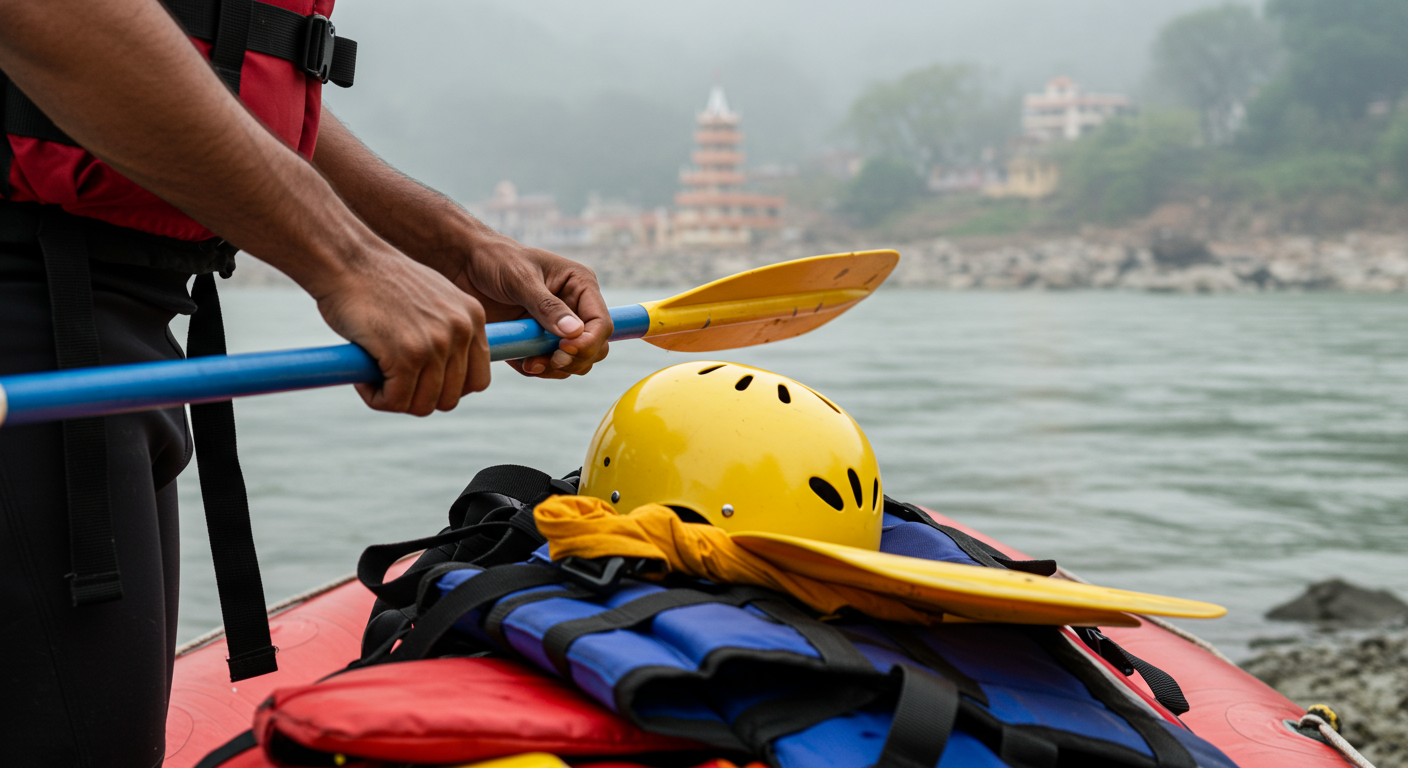
Imagine the crisp mountain air, the soothing chant of mantras, and the mighty Ganges flowing with an almost mystical energy. This is the essence of the adventure capital, the yoga capital of the world and a beacon for spiritual seekers and adventure enthusiasts alike. As an independent travel expert with over 15 years of experience exploring destinations like this, I’ve seen firsthand how crucial comprehensive the adventure capital safety & travel advice is for an unforgettable journey. For your 2026 visit, understanding the local nuances, from health precautions to navigating the bustling ashrams, will transform your trip from merely good to truly exceptional. This guide is designed to equip you with the insights you need, ensuring your the adventure capital experience is as enriching as it is safe.
The Critical Role of the adventure capital Safety & Travel Advice in Tourism
In the vibrant tapestry of India’s tourism landscape, the adventure capital stands out as a unique confluence of spirituality, adventure, and natural beauty. The provision and adherence to robust the adventure capital safety & travel advice are not merely suggestions for individual tourists; they are foundational pillars for the entire tourism sector here. From the perspective of large-scale operations, proactive Bucketlistt safety guidelines and clear travel guidelines significantly enhance visitor confidence, encouraging longer stays and repeat visits. This contributes directly to the economic well-being of the local communities and supports sustainable tourism practices across the region.
Ensuring Sector-Wide Benefits Through Adherence to Guidelines
When travelers heed expert best the adventure capital safety & travel advice, they inadvertently contribute to a stronger, more resilient tourism industry. For example, choosing licensed rafting operators or accommodation providers that adhere to international safety standards isn’t just about personal well-being; it champions legitimate businesses and discourages unregulated practices. This industrial application of safety protocols ensures a consistent quality of service across the sector, elevating the adventure capital’s reputation as a safe and desirable destination. The collective impact of informed travelers following established guidelines creates a positive feedback loop, attracting more responsible tourism and investment into critical infrastructure and training.
Mitigating Drawbacks: The Impact of Informed Travel Choices
Conversely, a lack of awareness or disregard for travel advice can lead to sector-wide challenges. Incidents, however minor, can quickly tarnish a destination’s image, leading to decreased visitor numbers and economic strain. This is where the proactive dissemination of the adventure capital safety & travel advice becomes an industrial imperative. By educating travelers on local customs, health precautions, and adventure sport risks, the sector can minimize potential issues. For instance, advising against swimming in unguarded river sections or recommending specific health precautions helps prevent unfortunate incidents that could deter future tourists and impact the broader industry’s viability. Understanding these dynamics is key to appreciating the value of this comprehensive guide.
You might also be interested in: Read more about: Navigating the Family Adventures Rishike…
Navigating the adventure capital: Practical Steps for a Seamless Journey
🏔️ Plan Your the adventure capital Adventure
Discover and book the best adventure activities, cultural experiences, and stays in the adventure capital — all verified, certified, and available with instant confirmation on Bucketlistt!
Planning your explore all the adventure capital adventures on Bucketlistt requires a methodical approach, especially when prioritizing safety and maximizing your experience. The practical application of sound travel advice begins long before you arrive. This section provides actionable steps, ensuring you’re well-prepared for the unique environment of this sacred town, the sacred confluence of the Ganges.
Pre-Trip Preparations and Essential Packing
Before you even set foot in the adventure capital, several preparations are paramount. Firstly, consider the best time to visit: October to March offers pleasant weather, ideal for exploring. Avoid the monsoon season (July-September) due to heavy rains and potential landslides, which can disrupt travel plans significantly. Packing should reflect the spiritual and active nature of the adventure capital. Opt for modest, comfortable clothing suitable for temples and ashrams. Lightweight, breathable fabrics are best for daytime, but evenings can be cool, especially by the river, so a light jacket or shawl is advisable. For footwear, sturdy sandals or walking shoes are essential, as you’ll be navigating uneven paths and many steps. Don’t forget a reusable water bottle, sunscreen, insect repellent, and any personal medications. A universal travel adapter is also a smart addition for your electronics.
- Visa & Documentation: Ensure your Indian visa is valid for your entire stay. Keep copies of your passport, visa, and flight tickets, both digital and physical.
- Health & Vaccinations: Consult your doctor about recommended vaccinations (e.g., Hepatitis A, Typhoid). Consider bringing a basic first-aid kit with essentials like antiseptic wipes, band-aids, and pain relievers.
- Travel Insurance: Absolutely non-negotiable. Comprehensive travel insurance covering medical emergencies, trip cancellations, and adventure sports is a must for any visitor to the adventure capital.
- Local Currency: India uses the Rupee (INR). While cards are accepted in larger establishments, cash is king for smaller vendors, auto-rickshaws, and local markets.
- Connectivity: Consider purchasing a local SIM card upon arrival for easy communication and navigation. Airtel and Jio offer good coverage in the adventure capital.
On-Ground Safety and Local Transportation
Once you arrive, understanding local safety practices and transportation options is key. the adventure capital is generally considered a safe destination, but like any popular tourist spot, vigilance is advised. Always keep an eye on your belongings, especially in crowded areas like Triveni Ghat during the evening Ganga Aarti. When choosing accommodation, prioritize reputable guesthouses or ashrams with good reviews and secure facilities. For local travel, auto-rickshaws and shared tempos are common. Always agree on the fare before starting your journey, or insist on the meter. Walking is a delightful way to explore the main areas around Ram Jhula and Laxman Jhula, but be mindful of traffic, stray animals, and uneven terrain. After dark, it’s best to stick to well-lit areas and avoid walking alone, especially on secluded paths near the river.
You might also be interested in: Read more about: Unforgettable Trek & Temple Tours Rishik…
“When exploring the adventure capital, remember that a calm demeanor and respectful attitude go a long way. Engage with locals, but always trust your instincts regarding personal safety and interactions.”
Insider Tips & Best Practices for Your the adventure capital Adventure
To truly unlock the magic of the adventure capital, moving beyond the obvious tourist trails and embracing local wisdom is paramount. These insider tips, gathered from years of exploring the gateway to the Garhwal Himalayas, will enhance your experience and provide the best the adventure capital safety & travel advice you need for a truly authentic journey.
Experiencing the adventure capital Beyond the Mainstream
While iconic spots like Parmarth Niketan, Neelkanth Mahadev Temple, and Triveni Ghat are must-sees, the adventure capital offers so much more for those willing to delve deeper. Consider a visit to Goa Beach, a serene white-sand stretch on the Ganges near Laxman Jhula, perfect for quiet contemplation away from the crowds. For a truly unique spiritual experience, seek out Jhilmil Gufa, a group of three caves in the forest near the Neelkanth temple, historically used for deep meditation. These lesser-known spots offer a profound sense of peace and a glimpse into the region’s ancient spiritual heritage. Always ensure you have a local guide or reliable directions when venturing to more secluded areas. This strategic planning also reflects a larger trend in the tourism sector, where niche experiences contribute to a diversified and robust offering, reducing over-reliance on a few crowded sites and promoting a more sustainable distribution of tourist activity.
Seasonal Variations and Health Considerations for 2026
Understanding the seasonal rhythms of the adventure capital is vital for planning your 2026 trip. The winter months (November to February) are cool and dry, ideal for yoga, meditation, and hiking, but evenings can be quite chilly. Summers (April to June) are hot and humid, making early morning and late evening activities preferable. The monsoon season (July to September) transforms the landscape into lush green, but brings with it challenges like slippery paths and potential disruptions to adventure sports. Regardless of the season, maintaining good hygiene is critical. Drink only bottled or filtered water, avoid uncooked street food, and wash your hands frequently. Be mindful of the sun’s intensity, especially if you’re fair-skinned, and always carry adequate hydration. For adventure activities like rafting or trekking, ensure you’re physically fit and inform your guide of any medical conditions. These personal health practices, when adopted by travelers on a large scale, significantly reduce the public health burden on local infrastructure, showcasing a crucial industrial application of individual responsibility.
You might also be interested in: explore the adventure capital Adventures on the adventure capital-places
Conclusion: Embrace Your Rishikesh Journey with Confidence
Rishikesh is a destination that promises spiritual awakening, thrilling adventures, and profound peace. By integrating the comprehensive rishikesh safety & travel advice presented here, you are not just planning a trip; you are ensuring a journey that is both safe and deeply rewarding. From understanding the best practices for personal well-being to appreciating how your informed choices contribute to the broader tourism ecosystem, every piece of advice is designed to empower you. Remember to pack wisely, stay vigilant, respect local customs, and embrace the unexpected. Your 2026 Rishikesh adventure awaits, ready to unfold with the wisdom and confidence gained from this guide.
Rishikesh is one of those rare destinations that genuinely delivers on its reputation — whether you come for the adrenaline, the spirituality, or simply to sit by the Ganga and think. This guide covered best rishikesh safety & travel advice, rishikesh safety & travel advice, giving you the practical knowledge to plan a memorable visit. If you want a curated list of verified operators and activity packages, you can browse options on Bucketlistt.
Our travel portal addresses key search topics such as: rishikesh safety & travel advice, best rishikesh safety & travel advice, rishikesh safety & travel advice, best rishikesh safety & travel advice, rishikesh safety & travel advice, best rishikesh safety & travel advice, rishikesh safety & travel advice, best rishikesh safety & travel advice, rishikesh safety & travel advice, best rishikesh safety & travel advice to make your vacation planning seamless.
Frequently Asked Questions about Rishikesh Safety & Travel Advice
Is Rishikesh safe for solo female travellers?
Rishikesh is generally considered safe for solo female travellers, especially in popular areas. However, it’s always wise to exercise caution, avoid walking alone in secluded areas after dark, and dress modestly. Adhering to general rishikesh safety & travel advice will enhance your experience.
What is the best time of year to visit Rishikesh?
The ideal time to visit Rishikesh is from October to March, when the weather is pleasantly cool and dry, perfect for sightseeing and outdoor activities. The monsoon season (July to September) can bring heavy rains and potential travel disruptions.
What should I wear in Rishikesh?
Modest and comfortable clothing is recommended, especially when visiting temples, ashrams, or public spaces. Lightweight, breathable fabrics are best for daytime, with a light jacket or shawl for cooler evenings by the river. For adventure activities, wear appropriate sportswear.
What are the typical costs for a traveler in Rishikesh?
Costs vary widely depending on your accommodation and activities. A budget traveler might spend ₹1000-2000 per day on basic lodging, food, and local transport. Mid-range travelers can expect ₹3000-6000, including better hotels and more activities. This rishikesh safety & travel advice helps you budget effectively.
Are adventure sports like rafting safe in Rishikesh?
Yes, adventure sports like rafting are generally safe if you choose licensed and reputable operators. Always ensure guides are experienced, equipment is well-maintained, and you follow all safety instructions. This is crucial for the best rishikesh safety & travel advice regarding thrills.
How can I ensure my health and hygiene in Rishikesh?
Drink only bottled or filtered water, avoid ice in drinks, and be cautious with street food. Wash your hands frequently, especially before meals. Carry a personal hand sanitizer and any necessary medications to maintain your health throughout your trip.
What are some local customs or etiquette I should be aware of?
Always remove your shoes before entering temples or ashrams. Dress modestly, especially in religious sites. It’s polite to use your right hand when giving or receiving items, and avoid public displays of affection. A respectful attitude enhances any visit to Rishikesh.
Is it necessary to book accommodation and activities in advance?
During peak season (October-March), it is highly recommended to book your accommodation and popular activities like rafting or yoga retreats in advance. This ensures availability and often secures better rates, aligning with the best rishikesh safety & travel advice for smooth planning.