The scent of incense mingling with the fresh mountain air, the distant chime of temple bells, and the powerful rush of the Ganges River – this is the immediate sensory embrace of Rishikesh. Most travellers don’t realise that while Rishikesh offers profound spiritual experiences and thrilling adventures, a little preparation goes a long way in ensuring a truly memorable and safe journey. This comprehensive guide will arm you with the essential Rishikesh safety & travel advice you need for your 2026 visit, covering everything from what to pack to local customs and health precautions. My aim is to help you navigate this vibrant destination with confidence, ensuring your focus remains on absorption and enjoyment, rather than worry.
Embracing Rishikesh: What It Is & Why It Matters for Your Trip
Rishikesh, nestled in the foothills of the Himalayas in Uttarakhand, is often dubbed the “Yoga Capital of the World” and the “Gateway to the Garhwal Himalayas.” It’s a place where spirituality, adventure, and natural beauty converge, drawing millions of visitors each year. But beyond the headlines, understanding the distinct facets of Rishikesh is crucial for planning your visit. It’s not just a single destination but a collection of vibrant localities, each offering a unique flavour. Knowing what to expect and why these elements are important will significantly enhance your travel experience and inform your Rishikesh safety & travel advice considerations.
The Dual Charm: Spiritual Sanctuary & Adventure Hub
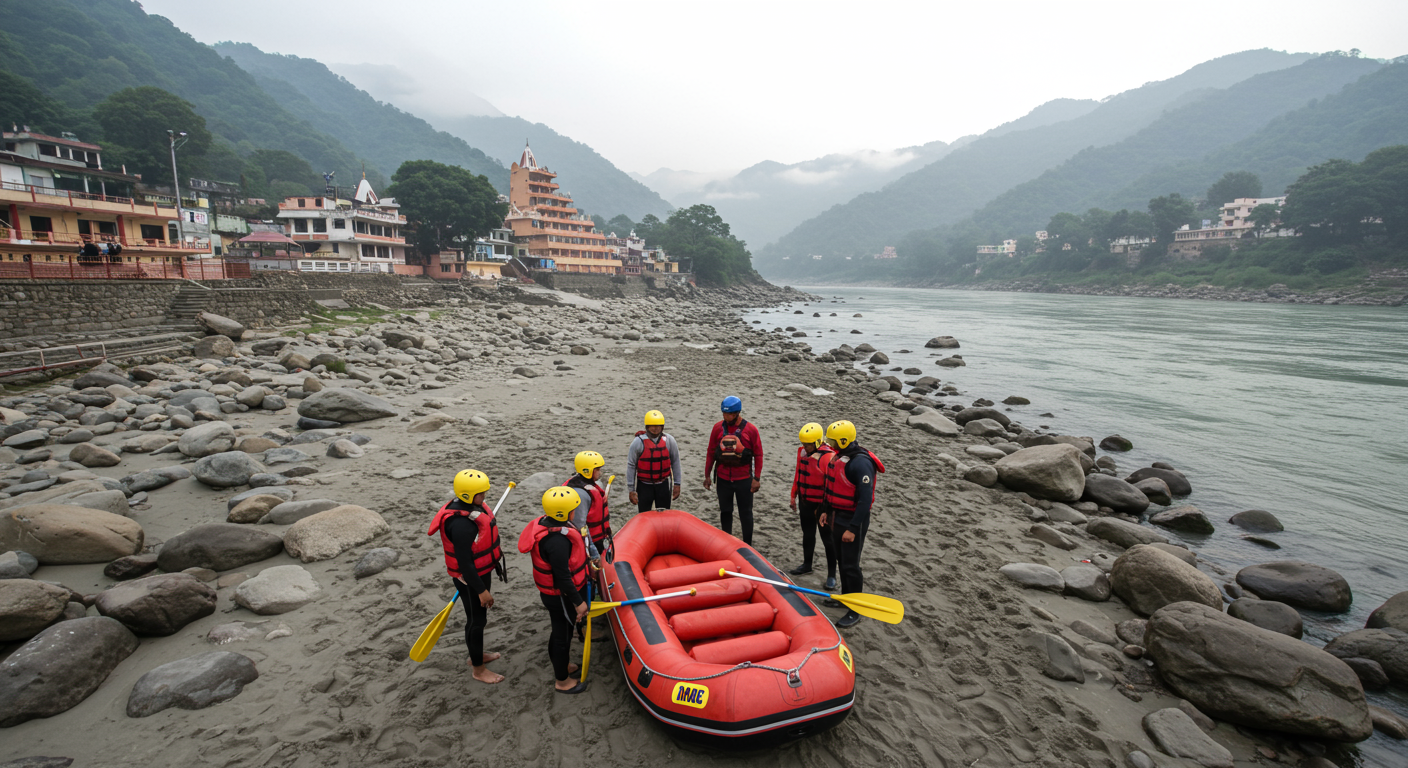
On one hand, Rishikesh is a profoundly spiritual place, home to ancient ashrams, revered temples, and the sacred Ganges. Pilgrims flock here for holy dips (snans) and spiritual retreats. The evening Ganga Aarti at Parmarth Niketan is a truly mesmerizing experience, a communal offering of light and prayer to the river. On the other hand, Rishikesh is an adrenaline junkie’s paradise. The fast-flowing Ganges provides some of India’s best river rafting experiences, from gentle floats to challenging rapids. Bungee jumping, zip-lining, and trekking are also popular, adding a thrilling dimension to your visit. This dual nature means your travel planning must account for both serene contemplation and robust physical activity. Safety here means understanding the specific risks and preparations for each type of activity you choose.
Essential Local Details: Ghats, Temples, and Local Life
When you arrive, you’ll quickly notice the iconic Laxman Jhula and Ram Jhula, two suspension bridges that span the Ganges, connecting the various ashrams, temples, and markets. These bridges are not just crossings but bustling hubs of activity, offering panoramic views of the river and surrounding hills. Near Ram Jhula, you’ll find Swarg Ashram, one of the oldest ashrams in Rishikesh, known for its spiritual teachings and vegetarian eateries. For a deeper spiritual dive, the Neelkanth Mahadev Temple, situated at 1330m, offers stunning valley views and a profound connection to Lord Shiva. A shared auto-rickshaw ride from Lakshman Jhula to the city center might cost around INR 50-70, a small but useful detail for budgeting your local transport. The local culture is conservative, so understanding dress codes and respectful behaviour is a key part of good Rishikesh safety & travel advice.
You might also be interested in: Read more about: Discover the Best Places to Visit in Ris…
Your Practical Guide: How to Ensure the Best Rishikesh Safety & Travel Advice
🌊 Book River Rafting in Rishikesh
Experience the thrill of white-water rafting with certified guides and a 100% safety record. Choose from 9km to 36km routes — instant confirmation guaranteed!
Planning a explore all Rishikesh adventures on Bucketlistt requires more than just booking flights and accommodation. It demands a thoughtful approach to logistics, health, and local etiquette. This section provides a practical, step-by-step guide to ensure your journey is smooth, safe, and truly enjoyable. From transportation to personal well-being, getting the details right will allow you to fully immerse yourself in the magic of this spiritual town. Following this Rishikesh safety & travel advice in Rishikesh will help you avoid common pitfalls and make the most of your adventure.
Getting There and Around: Transport & Navigation
Reaching Rishikesh is relatively straightforward. The nearest airport is Jolly Grant Airport (DED) in Dehradun, about 35 km away. From there, you can hire a pre-paid taxi (approx. INR 1000-1500) or take a shared taxi/bus to Rishikesh. The nearest railway station is Rishikesh (RKSH), but Haridwar (HW) is a major railhead with better connectivity, about 25 km away. Within Rishikesh, walking is the most common mode of transport, especially between Laxman Jhula and Ram Jhula. Auto-rickshaws and shared tempos are readily available for longer distances or to reach places like the Neelkanth Mahadev Temple. Always negotiate fares beforehand or insist on using a meter if available. For navigating the town, a reliable offline map application is invaluable, especially for finding hidden gems like Vashishta Gufa, an ancient cave on the banks of the Ganges perfect for meditation.
Health, Hygiene, and Personal Safety: Staying Well
Your health and personal safety are paramount when travelling. Here’s a checklist for the best Rishikesh safety & travel advice in Rishikesh:
You might also be interested in: Read more about: Solo Travel Rishikesh: Your Ultimate Gui…
- Hydration: Always carry a reusable water bottle. While some cafes offer filtered water, it’s safer to buy bottled water or use a water purifier bottle. Dehydration can quickly set in, especially during activities like trekking to Neer Garh Waterfall.
- Food Safety: Stick to freshly cooked food, preferably from busy establishments. Avoid street food that looks like it has been sitting out. Opt for vegetarian meals, which are abundant and often safer.
- Medical Preparedness: Pack a basic first-aid kit with essentials like band-aids, antiseptic wipes, pain relievers, and any personal medications. There are pharmacies and doctors available, but having your own supplies is always wise.
- Personal Belongings: Keep your valuables secure. Use a money belt or a secure bag. Be mindful of pickpockets in crowded areas, especially on the bridges.
- Respect Local Customs: Dress modestly, especially when visiting temples or ashrams. Shoulders and knees should be covered. Avoid public displays of affection.
- Swimming in Ganges: While tempting, swimming in the Ganges can be dangerous due to strong currents and varying water quality. Stick to designated bathing ghats or avoid deep waters.
- Adventure Activities: If indulging in rafting or bungee jumping, choose licensed operators with a strong safety record. Ask about their certifications and equipment maintenance. Many experts in Rishikesh offer these services, but vetting them is crucial.
Insider Tip: “Always carry a small amount of cash (INR) for local purchases and smaller establishments, as card payments might not always be available, particularly in more remote areas or for smaller vendors. This is a vital piece of Rishikesh safety & travel advice that many overlook.”
Insider Tips & Best Practices for Your Rishikesh Journey
Beyond the basic logistics, there are nuances to experiencing Rishikesh that only seasoned travellers or locals truly understand. These insider tips will help you delve deeper into the local culture, find peace away from the crowds, and make your trip truly unique. From timing your visits to discovering hidden waterfalls, these practices will elevate your experience and provide additional layers of Rishikesh safety & travel advice.
Timing Your Visit: Seasons and Crowds
The best time to visit Rishikesh is from September to November and from February to May. During these months, the weather is pleasant, ideal for both spiritual activities and adventure sports. The winter months (December-January) are cooler, perfect for those seeking a tranquil retreat, though some adventure activities might be limited. Monsoon season (July-August) brings heavy rainfall, making trekking and rafting risky, and the Ganges swells dramatically. While the lush green landscapes are beautiful, this period requires extra caution and flexibility in your plans. Visiting during popular festivals like the International Yoga Festival (usually March) or Diwali can be a vibrant experience, but expect larger crowds and higher prices for accommodation and transport across Rishikesh.
You might also be interested in: Explore Rishikesh Adventures on Bucketlistt
Exploring Beyond the Mainstream: Underrated Gems
While the main attractions like Laxman Jhula and Ram Jhula are a must-see, Rishikesh holds several underrated gems that offer profound peace and natural beauty. Take the time to discover these lesser-known spots:
- Patna Waterfall: A secluded waterfall reached through a dense forest trek, offering peace and untouched nature. It’s a moderate hike, so wear appropriate footwear and carry water.
- Vashishta Gufa (Cave): Located about 25 km from Rishikesh on the Badrinath road, this ancient cave is where sage Vashishta meditated. It’s a place of deep tranquility, perfect for quiet contemplation. The drive itself offers breathtaking views.
- Neer Garh Waterfall: A series of three beautiful waterfalls accessible via a short hike from the main road. The pools are refreshing, and the surrounding greenery is stunning. Go early to avoid crowds.
- Beatles Ashram (Maharishi Mahesh Yogi Ashram): Though abandoned, this ashram is a fascinating relic of the 1960s, offering a glimpse into its history and unique architecture adorned with graffiti art. It’s a peaceful place for a leisurely walk and reflection.
Venturing to these spots often involves navigating less-trodden paths, so it’s advisable to go with a companion or a local guide, especially for treks. This is crucial Rishikesh safety & travel advice for explorers.
Rishikesh is one of those rare destinations that genuinely delivers on its reputation — whether you come for the adrenaline, the spirituality, or simply to sit by the Ganga and think. This guide covered best rishikesh safety & travel advice in rishikesh, rishikesh safety & travel advice, rishikesh safety & travel advice in rishikesh, giving you the practical knowledge to plan a memorable visit. If you want a curated list of verified operators and activity packages, you can browse options on Bucketlistt.
Frequently Asked Questions about Rishikesh Safety & Travel Advice
Is Rishikesh generally safe for solo female travellers?
Yes, Rishikesh is considered relatively safe for solo female travellers, especially compared to other parts of India. However, it’s always wise to exercise caution, avoid walking alone at night in secluded areas, and dress modestly. Many yoga schools and ashrams offer safe accommodation options, providing excellent Rishikesh safety & travel advice for their guests.
What are the common scams or risks to be aware of in Rishikesh?
Common risks include petty theft in crowded areas, overcharging by auto-rickshaw drivers if fares aren’t negotiated, and occasional touts near popular tourist spots. Be wary of unsolicited “guides” or offers for “free” services that might lead to pressure sales. Always verify information from official sources or top-rated in Rishikesh service providers.
How can I ensure safety during adventure sports like river rafting in Rishikesh?
When booking adventure sports, always choose a reputable and licensed operator. Ensure they provide proper safety gear, have experienced guides, and conduct a thorough safety briefing. Do not hesitate to ask about their certifications and emergency procedures. Many rafting experts in Rishikesh prioritize safety above all else.
What should I pack for a trip to Rishikesh in terms of clothing and essentials?
Pack light, breathable clothing that covers your shoulders and knees to respect local customs. Include comfortable walking shoes, a light jacket for evenings, and swimwear if you plan to swim in safe areas. Don’t forget sunscreen, insect repellent, a hat, and a basic first-aid kit. This aligns with essential Rishikesh safety & travel advice for comfort and respect.
Is it safe to drink tap water in Rishikesh?
No, it is generally not safe to drink tap water in Rishikesh. Always opt for bottled mineral water, use a reliable water purification filter, or drink boiled water. Many cafes and ashrams offer filtered water, but it’s best to confirm its source. This is critical Rishikesh safety & travel advice to prevent illness.
What are the local transportation options and are they safe?
Local transportation includes walking, shared auto-rickshaws, and private taxis. Auto-rickshaws are generally safe but negotiate fares beforehand. For longer distances or late-night travel, private taxis are recommended. Always choose registered taxis and share your travel details with someone you trust. Following this Rishikesh safety & travel advice makes getting around easy.
Are there any specific cultural etiquettes I should be aware of in Rishikesh?
Yes, Rishikesh is a spiritual town, so modesty in dress and behaviour is appreciated. Remove your shoes before entering temples or ashrams. Avoid public displays of affection and refrain from consuming alcohol or non-vegetarian food in public, especially near sacred sites. Respectful conduct is key to a harmonious visit.
What should I do in a medical emergency in Rishikesh?
In case of a medical emergency, head to the nearest hospital or clinic. AIIMS Rishikesh is a well-equipped facility. It’s advisable to have travel insurance that covers medical emergencies. Keep emergency contact numbers readily available, including your embassy or consulate. This is a crucial aspect of Rishikesh safety & travel advice for peace of mind.