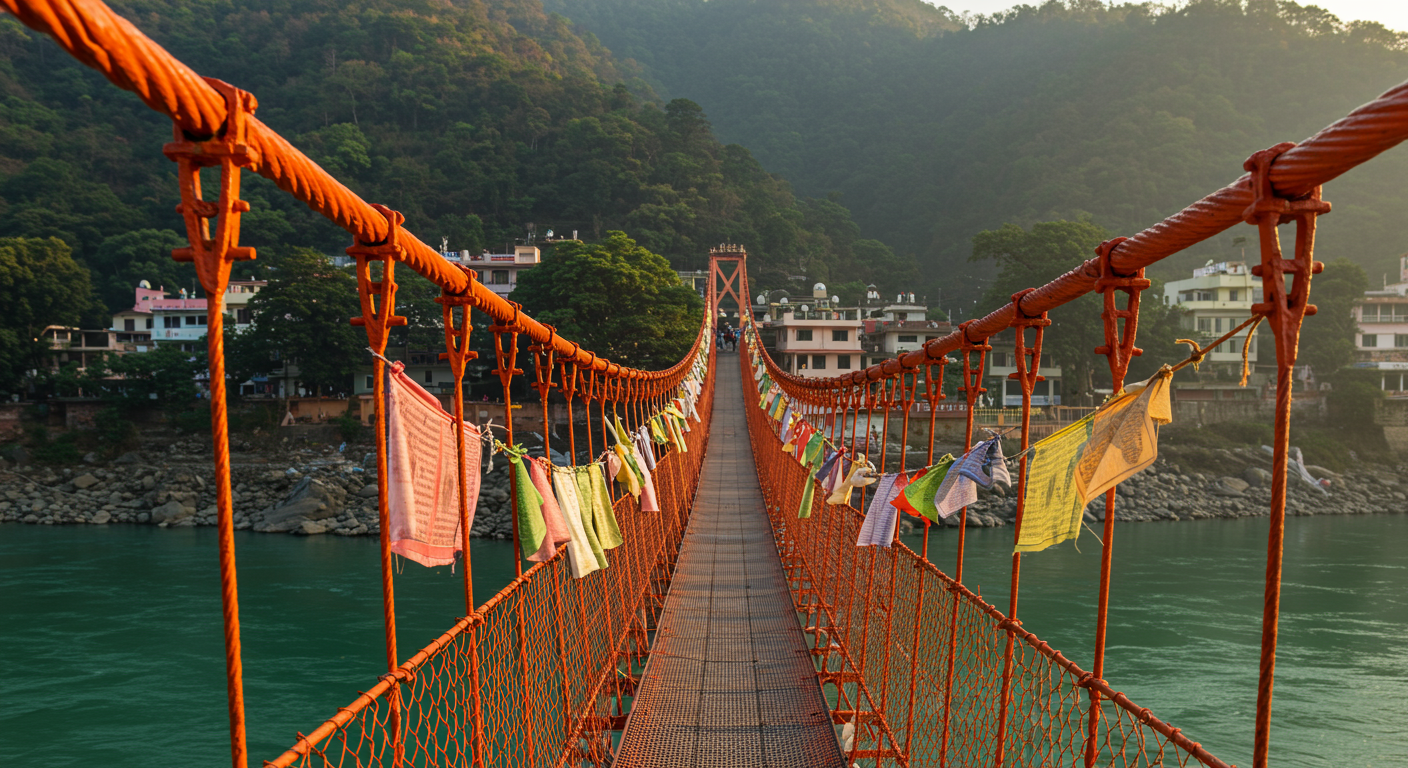
imagine the cool morning breeze carrying the scent of incense, the rhythmic chants echoing from ashrams, and the shimmering Ganges flowing majestically. This is the adventure capital, the Yoga Capital of the World, a place that calls to seekers of peace, adventure, and spiritual enlightenment. As an independent travel expert with over a decade and a half of navigating the globe, I can tell you that understanding the seasonal rhythms is paramount to truly experiencing this incredible destination. Pinpointing the best time to visit the adventure capital isn’t just about avoiding rain; it’s about aligning your journey with the city’s energy, activities, and the very pulse of its vibrant tourism industry. Every season presents a unique facet of this spiritual heart of India, impacting everything from water sports operations to the tranquility of meditation retreats.
The tourism sector in the adventure capital thrives on its distinct seasonal offerings. Whether you’re planning a serene yoga retreat, an adrenaline-pumping rafting expedition, or a spiritual pilgrimage, the timing of your visit will profoundly shape your experience. From the bustling peak seasons that fill guesthouses and rafting camps to the quieter, introspective months, seasonal data provides critical insights. My aim here is to provide you with a comprehensive, industry-focused guide to help you discern the best time to visit the adventure capital, ensuring your trip is not just memorable, but perfectly attuned to your desires.
The Impact of Seasonality on the adventure capital’s Tourism Industry
Understanding the seasonal variations in the adventure capital is crucial for both travelers and the local tourism economy. Each season brings distinct weather patterns that directly influence the types of activities available, the pricing structures of accommodations and services, and the overall crowd density. This directly impacts the operational strategies for tour operators, hotel managers, and even the local vendors who cater to visitors. For instance, river rafting operations are entirely dependent on water levels and safety regulations, which fluctuate dramatically with the monsoon, while yoga schools see peak attendance during cooler, drier months.
The flow of tourists throughout the year dictates resource allocation, employment cycles, and even the environmental strain on this delicate ecosystem nestled in the Himalayan foothills. A well-planned visit, informed by seasonal data, not only enhances your personal experience but also contributes to a more sustainable tourism model for the adventure capital. Analyzing these trends helps us appreciate the intricate balance between nature’s cycles and human activity in this sacred space.
Peak Seasons and Their Operational Demands
The tourism industry in the adventure capital experiences two primary peak seasons: autumn (October to mid-November) and spring (March to May). During these periods, the weather is exceptionally pleasant, making it ideal for virtually all activities. This sustained influx of visitors places significant operational demands on local businesses. Hotels, ashrams, and guesthouses operate at near-full capacity, often requiring advance bookings months in advance. Rafting companies and adventure sports providers expand their teams and equipment to meet demand, and local guides are in high demand. The increased footfall also means a greater need for waste management, traffic control, and maintaining the sanctity of spiritual sites like Laxman Jhula & Ram Jhula. While these seasons offer the best time to visit the adventure capital for a vibrant experience, they also present challenges related to crowd management and infrastructure strain for the local economy.
You might also be interested in: Read more about: Unlocking the adventure capital: Your Guide to the B…
Off-Peak Challenges and Opportunities for Sustainable Tourism
Conversely, the monsoon (July to September) and the intense winter months (late December to early February) represent the adventure capital’s off-peak seasons. During the monsoon, heavy rainfall often leads to swollen rivers, making rafting unsafe and sometimes leading to temporary closures of roads and attractions. This period sees a significant drop in adventure tourism, impacting the livelihoods of many operators. However, it also presents unique opportunities for sustainable tourism. The lush, rain-washed landscapes offer a different kind of beauty, appealing to nature lovers and those seeking deep introspection. Yoga and meditation retreats often continue, albeit with fewer participants, providing a more intimate experience. For the industry, this means pivoting towards wellness tourism and spiritual retreats, focusing on the serene atmosphere rather than high-octane activities. The winter, while cold, can be a magical time for spiritual seekers, with fewer crowds and clearer views of the surrounding Himalayas, allowing for a more profound connection with sites like Vashishta Gufa, where sage Vashishta meditated for years. This period allows businesses to focus on maintenance and training, preparing for the next peak season.
Planning Your Journey: A Practical Guide to the adventure capital’s Seasons
🌊 Book River Rafting in the adventure capital
Experience the thrill of white-water rafting with certified guides and a 100% safety record. Choose from 9km to 36km routes — instant confirmation guaranteed!
Choosing the ideal time for your explore all the adventure capital adventures on Bucketlistt involves weighing your priorities against the seasonal characteristics. Are you chasing thrills on the Ganges, seeking profound spiritual insights, or simply aiming for a peaceful escape? Each season offers a distinct flavor of the adventure capital, and understanding these nuances is key to a fulfilling visit. As a seasoned traveler, I always advise aligning your expectations with the realities of the local climate and tourist patterns to truly make the most of your adventure.
This practical guide will walk you through the specifics of each major season, detailing typical weather conditions, recommended activities, what to pack, and the general impact on your budget and experience. By considering these factors, you can confidently determine the best time to visit the adventure capital for your personal journey.
Seasonal Breakdown: Weather, Activities, and Attire
Here’s a detailed look at what each season in the adventure capital entails, helping you prepare adequately:
- Autumn (October – Mid-November):
- Weather: Post-monsoon, crisp, clear skies, and pleasant temperatures (15°C to 30°C). This is widely considered the best time to visit the adventure capital for general tourism.
- Activities: All activities are open. Rafting, trekking to Neer Garh Waterfall, yoga, temple visits, and exploring The Beatles Ashram are all at their prime.
- Attire: Light to medium layers. T-shirts for the day, light jackets or sweaters for evenings.
- Costs: High, due to peak demand. Book accommodations and activities well in advance.
- Winter (Late November – February):
- Weather: Cold and dry, especially mornings and evenings (5°C to 20°C). January can see temperatures drop further.
- Activities: Yoga retreats, meditation, spiritual exploration, quiet walks along the banks of the holy Ganges. Rafting might be available but less popular due to cold water. Trekking is still enjoyable.
- Attire: Warm clothing is essential. Heavy jackets, sweaters, hats, and gloves, especially for early mornings and late evenings.
- Costs: Moderate to high around Christmas/New Year, otherwise moderate.
- Spring (March – May):
- Weather: Warming up, pleasant to hot (20°C to 38°C). March and early April are delightful before the intense heat sets in.
- Activities: Rafting season peaks, trekking, exploring Garud Chatti Waterfall, and all water sports. Ideal for adventure seekers.
- Attire: Light cotton clothes. Sunscreen and hats are crucial.
- Costs: High, especially during early spring.
- Monsoon (June – September):
- Weather: Hot and humid with heavy rainfall (25°C to 35°C). The landscape becomes incredibly lush.
- Activities: Rafting is often closed or restricted due to high water levels. Ideal for Ayurvedic treatments, indoor yoga, and enjoying the verdant scenery. Trekking can be challenging due to slippery paths.
- Attire: Light, quick-drying clothes. Rain gear (waterproof jacket, umbrella) is essential.
- Costs: Generally lower, offering good deals on accommodations.
Budgeting and Crowd Management Strategies
Your travel budget and preference for crowds are significant factors in deciding the best time to visit the adventure capital. During peak seasons (autumn and spring), you can expect higher prices for everything from flights and hotels to rafting packages and yoga classes. Popular areas around Laxman Jhula and Ram Jhula will be bustling, and iconic spots like The Beatles Ashram will see more visitors. If you prefer a more serene experience and are on a tighter budget, consider traveling during the shoulder seasons (late November, early March) or embracing the unique charm of the off-peak monsoon or deep winter.
You might also be interested in: Read more about: Mastering the adventure capital Camping & Stays: Ess…
To manage crowds, consider visiting popular attractions early in the morning or late in the afternoon. For places like Neer Garh Waterfall or Vashishta Gufa, a weekday visit can offer more solitude. Booking your accommodation and major activities well in advance during peak times is not just a recommendation, it’s a necessity to secure your preferred options and potentially better rates. The industry adjusts its pricing dynamically based on demand, so early booking can save you a significant amount. Conversely, off-peak travel can yield substantial savings and a more authentic, less commercialized experience of the adventure capital.
Insider Tips & Best Practices for Your the adventure capital Visit
As someone who has seen the adventure capital in all its seasonal glory, I can offer some insights that go beyond the typical guidebooks. These tips are designed to enhance your experience, regardless of when you choose to visit, and to help you navigate the nuances of this dynamic destination. They reflect an understanding of the local rhythms and the practicalities of travel in this unique part of Uttarakhand.
Navigating Local Festivals and Events
the adventure capital is a hub of spiritual and cultural activity, and local festivals can dramatically alter the visitor experience. The International Yoga Festival, usually held in March, transforms the adventure capital into a global gathering of yogis and spiritual seekers. While an incredible experience, it means exceptionally high demand for accommodation and services. Similarly, events like Shivratri or Diwali bring a vibrant, festive atmosphere but also larger crowds, especially around the temples and the ghats along the banks of the holy Ganges. If you plan to attend these, booking months in advance is non-negotiable. Conversely, if peace is your priority, checking the local calendar for major events can help you plan your visit to avoid these bustling periods. The local tourism board often publishes an annual calendar, which is an invaluable resource for this kind of planning.
“Always check the local festival calendar before finalizing your travel dates to the adventure capital. It can transform your trip from a quiet retreat to a vibrant celebration, or vice-versa, depending on your preference.”
Safety, Health, and Environmental Considerations
Safety and health are paramount, and seasonal factors play a role. During the monsoon, while the landscape is breathtaking, trails to places like Garud Chatti Waterfall can become slippery and risky. Always check local advisories if planning treks during this period. Water-borne illnesses can also be more prevalent, so always drink bottled or filtered water. In peak summer, staying hydrated and protecting yourself from the sun is crucial. During winter, while beautiful, the cold can be intense, especially for those unaccustomed to it. Dress in layers and be mindful of your body’s limits.
Environmentally, the adventure capital faces challenges from tourism. As visitors, we have a responsibility to minimize our impact. This means carrying reusable water bottles, disposing of waste properly, and respecting local customs and the pristine natural environment. Opt for eco-friendly tour operators where possible. Choosing the best time to visit the adventure capital for sustainable reasons might even mean traveling in the shoulder seasons, which helps distribute tourism’s economic benefits more evenly throughout the year, reducing strain on resources during peak times.
You might also be interested in: explore the adventure capital Adventures on the adventure capital-places
Another local detail that often goes unnoticed by first-time visitors is the “arti” ceremony timings. The Ganga Aarti at Parmarth Niketan Ashram, a spectacle of light and devotion, varies slightly with the sunset, which itself changes seasonally. In winter, it’s earlier, around 5:30 PM, while in summer, it’s closer to 7:00 PM. Knowing this little detail helps you plan your evening around this essential the adventure capital experience.
Conclusion: Crafting Your Perfect the adventure capital Experience
Selecting the best time to visit Rishikesh is a deeply personal decision, influenced by your interests, budget, and tolerance for crowds. From the exhilarating rapids of spring to the serene introspection of winter, Rishikesh offers a unique experience in every season. The key takeaway is that strategic planning, informed by seasonal data, is crucial for an optimal trip. If adventure sports and bustling energy are your priorities, aim for autumn or early spring. For spiritual solace and a quieter journey, the cooler winter months or the lush monsoon season might be your ideal choice.
Ultimately, Rishikesh is a destination that rewards thoughtful preparation. By considering the seasonal impacts on the tourism industry, the practicalities of weather and attire, and embracing insider tips, you can ensure your journey to this sacred land is everything you envision and more. I encourage you to begin planning your Rishikesh adventure today, aligning it perfectly with the season that resonates most with your travel aspirations.
Rishikesh is one of those rare destinations that genuinely delivers on its reputation — whether you come for the adrenaline, the spirituality, or simply to sit by the Ganga and think. This guide covered best time to visit rishikesh, giving you the practical knowledge to plan a memorable visit. If you want a curated list of verified operators and activity packages, you can browse options on Bucketlistt.
Our travel portal addresses key search topics such as: best time to visit rishikesh, best time to visit rishikesh, best time to visit rishikesh, best time to visit rishikesh, best time to visit rishikesh, best time to visit rishikesh, best time to visit rishikesh, best time to visit rishikesh, best time to visit rishikesh, best time to visit rishikesh to make your vacation planning seamless.
Frequently Asked Questions about the Best Time to Visit Rishikesh
When is the absolute best time to visit Rishikesh for all activities?
The absolute best time to visit Rishikesh for a balanced experience of all activities, including rafting and yoga, is during autumn (October to mid-November) and spring (March to early May). The weather is pleasant, and all adventure sports are fully operational, offering ideal conditions for exploration.
Is monsoon a good time to visit Rishikesh for spiritual retreats?
Yes, the monsoon season (July to September) can be an excellent time for spiritual retreats in Rishikesh, provided you are not focused on river rafting. The lush green landscapes and fewer crowds create a serene, introspective atmosphere ideal for yoga and meditation. However, some adventure activities might be restricted due to heavy rainfall.
What is the weather like in Rishikesh during winter, and what should I pack?
Winter in Rishikesh (late November to February) is cold and dry, with temperatures ranging from 5°C to 20°C. You should pack heavy jackets, sweaters, thermal wear, hats, and gloves, especially for early mornings and evenings. This period is tranquil and offers a peaceful experience.
Are there specific festivals that impact the best time to visit Rishikesh?
Yes, major festivals like the International Yoga Festival (typically March), Shivratri, and Diwali significantly increase tourist traffic and prices. While these offer vibrant cultural experiences, they also mean larger crowds. Plan accordingly if you wish to participate or prefer to avoid them.
How do tourist crowds vary by season in Rishikesh?
Tourist crowds are highest during autumn and spring, especially around popular attractions like Laxman Jhula and The Beatles Ashram. Winter sees moderate crowds, while the monsoon season experiences the fewest visitors. Your preference for a lively or tranquil environment will help determine the best time to visit Rishikesh.
Is it safe to travel to Rishikesh during the off-season?
Traveling to Rishikesh during the off-season (monsoon or deep winter) is generally safe, but requires extra precautions. During monsoon, be aware of slippery paths and potential road closures due to heavy rain. Always check local weather advisories and ensure your accommodation is reliable. The quieter atmosphere can be very rewarding.
What activities are best suited for each season in Rishikesh?
Spring and autumn are ideal for rafting, trekking, and yoga. Winter is perfect for spiritual retreats, quiet contemplation, and enjoying the crisp mountain air. Monsoon offers lush landscapes, indoor yoga, and Ayurvedic treatments. Choosing activities based on the season is key to finding the best time to visit Rishikesh for your specific interests.
What are the cost implications of visiting Rishikesh in different seasons?
Costs for accommodation, flights, and activities are generally highest during the peak seasons of autumn and spring. During the off-peak monsoon and winter months, you can often find more affordable deals and fewer crowds. Budget travelers might find the shoulder seasons or off-peak periods to be the best time to visit Rishikesh for value.