The Enchanting Allure of Rishikesh: More Than Just a Destination
The air in Rishikesh hums with a unique frequency, a blend of spiritual devotion and the exhilarating rush of the Ganges. Most travellers don’t realise that this Himalayan town, nestled in the state of Uttarakhand, offers a duality that captivates every visitor: a profound sense of peace alongside thrilling adventure. It’s a place where the sacred river flows with an ancient wisdom, and the surrounding hills whisper tales of yogis and sages. Planning a trip here involves more than just booking a ticket; it requires understanding the rhythm of this vibrant locale, what makes its spiritual and natural offerings so compelling, and how to best experience them. This guide aims to demystify the process, answering your most pressing questions about the truly essential places to visit in Rishikesh, ensuring your journey is both enriching and seamless.
From the iconic suspension bridges that span the mighty Ganges to the serene ashrams that have drawn seekers for decades, Rishikesh is a tapestry woven with spiritual significance and natural beauty. Whether you’re drawn by the promise of inner peace, the call of the mountains, or the thrill of white-water rafting, understanding the landscape of attractions is key. This comprehensive guide will equip you with the practical knowledge needed to navigate its many wonders, from the well-trodden paths to the hidden gems that locals cherish.
Unveiling the Spiritual and Natural Wonders: Top Places to Visit
🌊 Book River Rafting in Rishikesh
Experience the thrill of white-water rafting with certified guides and a 100% safety record. Choose from 9km to 36km routes — instant confirmation guaranteed!
When considering the vast array of experiences available, certain locations stand out as quintessential to the Rishikesh experience. These are the places that define its spiritual essence and showcase its breathtaking natural beauty. Exploring these key sites is fundamental to understanding why Rishikesh is revered globally as the “Yoga Capital of the World” and a gateway to divine tranquility.
The Iconic Ganges Bridges: Laxman Jhula & Ram Jhula
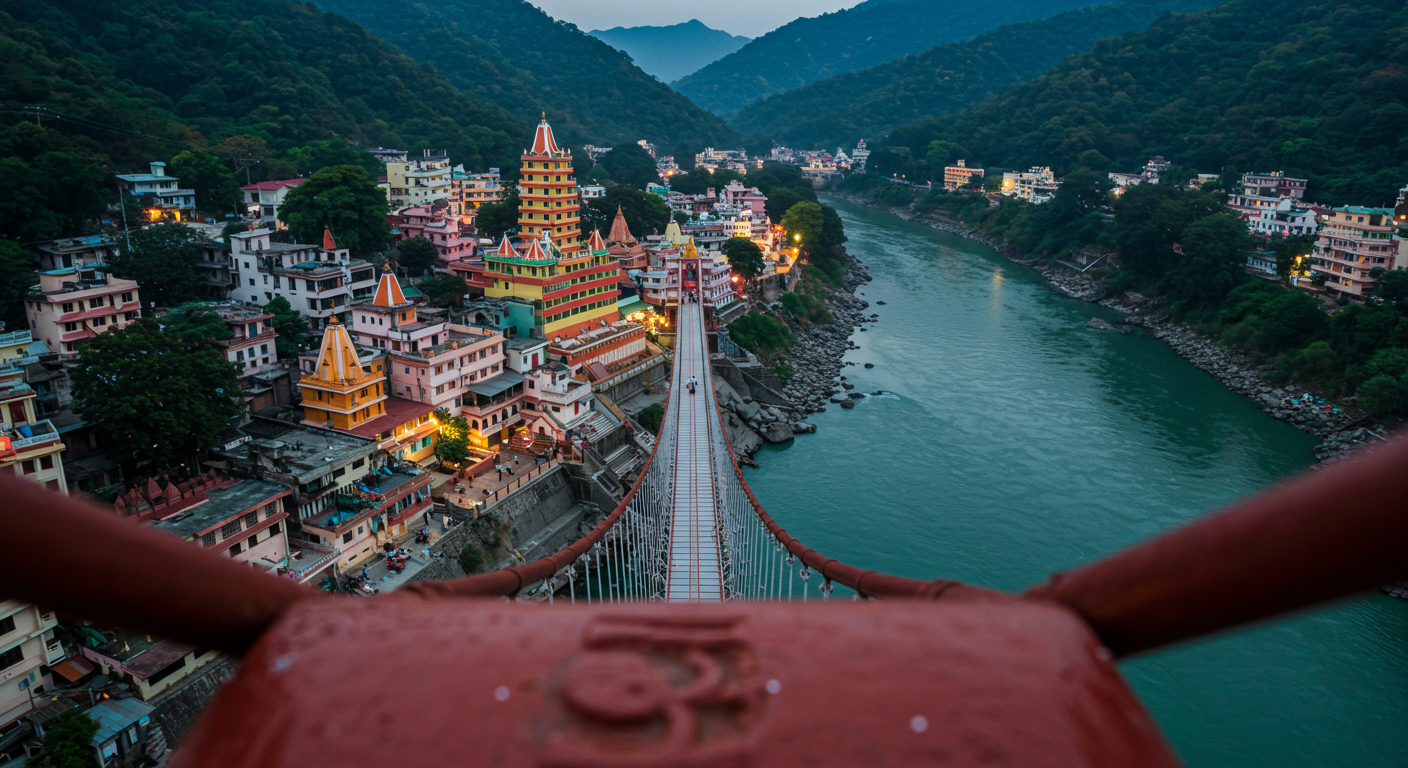
No visit to Rishikesh is complete without traversing its famous suspension bridges. Laxman Jhula and Ram Jhula are more than just crossings; they are vibrant arteries connecting the spiritual heart of the town. Laxman Jhula, named after Lord Rama’s devoted brother, offers a picturesque view of the Ganges and the surrounding hills. It’s a bustling hub, with small shops selling religious artefacts, colourful textiles, and local handicrafts lining the approach. The sheer engineering marvel of these iron suspension bridges, swaying gently over the powerful river, is a sight in itself. Ram Jhula, a bit further north, offers a similar experience with its own unique charm and provides access to numerous ashrams and temples on its eastern bank. The energy here is palpable, a constant flow of pilgrims, sadhus, tourists, and locals, all contributing to the lively atmosphere.
These bridges are central to accessing many of the other key places to visit in Rishikesh. They act as natural gathering points and offer incredible photographic opportunities, especially during sunrise and sunset when the sky ignites with colour. Walking across them, you’ll witness the daily rituals by the river, the chanting of mantras, and the serene flow of devotees. The markets surrounding these bridges are also a treasure trove for souvenirs and local snacks, making them a complete sensory experience. Be prepared for crowds, especially during peak season, but the vibrant chaos is part of their allure.
Neelkanth Mahadev Temple: A Sacred Abode
Perched at an altitude of 1330 meters, the Neelkanth Mahadev Temple is a significant pilgrimage site dedicated to Lord Shiva. Legend has it that this is where Lord Shiva drank the poison that emerged from the churning of the cosmic ocean, turning his throat blue – hence the name ‘Neelkanth’ (Blue Throat). The temple’s architecture is intricate, adorned with carvings and sculptures that depict various mythological tales. The journey to the temple itself is as rewarding as the destination, offering panoramic views of the dense forests and the Sahyadri mountain ranges. The cool, crisp mountain air and the spiritual aura surrounding the temple create a profoundly peaceful atmosphere.
The temple complex includes several smaller shrines and a sacred pond. Devotees often take a dip in the nearby river before offering prayers. The trek to the temple, or the drive through winding mountain roads, provides a refreshing escape from the town’s hustle. For those seeking a deeper connection with the divine and a taste of the region’s rich mythology, Neelkanth Mahadev Temple is an essential stop among the places to visit in Rishikesh. Remember to dress modestly out of respect for the religious significance of the site.
The Beatles Ashram (Chaurasi Kutia): A Bohemian Echo
For a completely different, yet equally fascinating, experience, the Beatles Ashram (also known as Chaurasi Kutia) beckons. This sprawling complex, once a spiritual retreat for the legendary British band in 1968 to learn Transcendental Meditation, now stands as a serene testament to a bygone era. The ashram ruins are spread across a lush forest reserve, featuring meditation domes, classrooms, and living quarters, now adorned with vibrant graffiti art created by artists from around the world. It’s a place that blends history, art, and nature in a unique way, offering a quiet escape and a canvas for artistic expression.
Exploring the Beatles Ashram is like stepping into a living art gallery set against a backdrop of natural beauty. The silence, broken only by birdsong and the rustling of leaves, allows for introspection and creativity. It’s a popular spot for photographers, artists, and those seeking a moment of quiet contemplation away from the main tourist circuits. The sheer scale of the ashram and the stories it holds make it a compelling addition to any itinerary of places to visit in Rishikesh. Allow ample time to wander through its grounds and absorb the bohemian spirit that still lingers.
You might also be interested in: Read more about: Crafting Memorable Family Adventures in …
Exploring Underrated Gems and Natural Escapes
While the popular landmarks draw significant attention, Rishikesh also holds a collection of quieter, more secluded spots that offer a different kind of enchantment. These underrated gems provide a chance to connect with nature and find peace away from the crowds, often revealing the true essence of the region’s natural beauty and spiritual depth.
Phool Chatti Ashram Area: Serenity by the Ganges
Located a bit upstream from the main town, the Phool Chatti Ashram Area offers a tranquil stretch of the Ganges riverbanks. This region is less commercialized and provides a more serene environment for those seeking peace and quiet. The ashram itself is known for its yoga and meditation retreats, but the surrounding area is perfect for leisurely walks, quiet contemplation by the river, or simply soaking in the natural beauty. The trails here lead through verdant landscapes, offering a glimpse into a slower, more meditative way of life. It’s an ideal spot for a picnic or simply to sit and listen to the gentle murmur of the river, making it a cherished spot for locals and discerning travellers alike.
The accessibility of this area makes it a convenient escape for those looking to experience the raw, untamed beauty of the Ganges without venturing too far. The natural pools and the unhurried pace of life here contrast sharply with the vibrant energy of Laxman Jhula and Ram Jhula. For travellers who appreciate the subtle nuances of natural landscapes and seek a moment of profound calm, the Phool Chatti Ashram area is a must-visit among the places to visit in Rishikesh.
Patna Waterfall: A Hidden Cascade
For the adventurous soul, the trek to Patna Waterfall is a rewarding experience. Tucked away within a dense forest, this secluded waterfall requires a moderate trek to reach, making it an excellent option for nature enthusiasts and hikers. The journey through the lush green trails is an adventure in itself, alive with the sounds of the jungle and the scent of damp earth. Upon arrival, the sight and sound of the cascading water provide a refreshing reward. It’s a place where you can truly immerse yourself in nature, far from any urban disturbances. The untouched beauty of this spot offers a sense of discovery and serenity.
The trek to Patna Waterfall is a perfect example of the natural wonders that await those willing to explore beyond the well-trodden paths. The effort involved in reaching it ensures that it remains a relatively peaceful destination, allowing for a more intimate connection with the environment. This hidden cascade is a testament to the wild beauty that lies just beyond the popular tourist spots, adding another layer to the diverse places to visit in Rishikesh.
Kunjapuri Devi Temple: Sunrise Spectacle
If there’s one experience that defines a spiritual sunrise, it’s witnessing it from the Kunjapuri Devi Temple. Situated at an altitude of 1676 meters, this ancient temple offers unparalleled panoramic views of the Himalayan peaks, including the majestic Chaukhamba and Bandarpunch ranges. To catch the sunrise, one must depart from Rishikesh around 4:00 AM by taxi, embarking on a 25-30 km journey up winding mountain roads. The effort is immensely rewarded as the first rays of the sun paint the snow-capped mountains in hues of gold and pink – a truly breathtaking spectacle. The temple itself is a serene place of worship, dedicated to Goddess Kunjapuri.
The experience of watching the sunrise from Kunjapuri is not just visually stunning; it’s a deeply moving spiritual moment. The cool morning air, the vastness of the Himalayas, and the quiet reverence of fellow visitors create an unforgettable memory. Following the sunrise, a popular activity is the downhill trek to Neer Garh waterfall, an approximately 8-9 km journey that allows for further exploration of the scenic surroundings. This temple is a prime example of the breathtaking natural beauty and spiritual significance that characterises the places to visit in Rishikesh, offering a unique blend of pilgrimage and natural wonder.
Rajaji National Park (Chilla Zone): Wildlife Encounters
For those who seek an encounter with nature’s wilder side, the Rajaji National Park (Chilla Zone) presents an incredible opportunity. This vast expanse of protected forest is home to a rich diversity of flora and fauna, including significant populations of elephants, leopards, deer, and numerous bird species. Embarking on a jeep safari here, especially during the early morning or late afternoon hours, offers the best chance to spot these magnificent creatures in their natural habitat. The park’s undulating terrain, dense forests, and open grasslands create a dynamic ecosystem that is a delight to explore.
You might also be interested in: Read more about: Ultimate Adventure Sports Comparisons in…
The Chilla Zone, being closer to Rishikesh, is a convenient option for a wildlife excursion. The park’s commitment to conservation ensures that these natural treasures are preserved for future generations. A safari here is not just an adventure; it’s an educational experience that highlights the importance of biodiversity and ecological balance. It provides a stark contrast to the spiritual and adventure activities in the town, showcasing another facet of the diverse places to visit in Rishikesh. Remember to book your safari in advance, especially during peak tourist seasons, to secure your preferred slot.
Practicalities for Your Rishikesh Expedition
Navigating any new destination requires a degree of practical preparation. Understanding the best times to visit, what to pack, and how to get around will significantly enhance your experience. Here’s a breakdown of essential travel tips for exploring the captivating places to visit in Rishikesh.
Best Time to Visit and What to Pack
The ideal time to explore all Rishikesh adventures on Bucketlistt is during the post-monsoon months, from September to March. During this period, the weather is pleasant, with cool winters and clear skies perfect for sightseeing and outdoor activities. The monsoon season (July to August) brings heavy rainfall, which can disrupt travel and outdoor plans, though it also enhances the lush greenery. Summers (April to June) can be quite hot, making it less ideal for extensive exploration, though the evenings offer some respite.
When packing, comfortable, lightweight clothing is essential. Given the spiritual nature of many sites, it’s advisable to carry modest attire, especially for temple visits. Include layers for cooler evenings, particularly between November and February. Don’t forget sturdy walking shoes, as you’ll be doing a lot of walking, especially around the bridges and ashrams. Sunscreen, a hat, insect repellent, and a reusable water bottle are also crucial. For any treks or visits to waterfalls, quick-drying clothes and a small backpack would be beneficial.
Getting There and Around
Rishikesh is well-connected by road. The nearest major railway station is in Haridwar, about 20 km away, and the nearest international airport is Jolly Grant Airport (DED) in Dehradun, approximately 35 km from Rishikesh. From Haridwar or Dehradun, you can easily hire taxis or take local buses to reach Rishikesh. For those travelling from major cities like Delhi, overnight Volvo buses are a popular and comfortable option, often dropping passengers directly in Rishikesh.
Once you are in Rishikesh, getting around is relatively easy. Local auto-rickshaws and shared taxis are readily available for navigating within the town and to nearby attractions like Laxman Jhula and Ram Jhula. For longer distances, such as trips to Kunjapuri Devi Temple or Rajaji National Park, hiring a private taxi is recommended. Many of the key places to visit in Rishikesh, like the suspension bridges and the ashram areas on either side of the Ganges, are best explored on foot, allowing you to truly soak in the atmosphere.
Safety and Local Etiquette
Rishikesh is generally a safe destination for tourists. However, as with any travel, it’s wise to exercise caution. Be mindful of your belongings, especially in crowded areas. When engaging in adventure sports like rafting, always choose reputable operators with certified guides. The Ganges can have strong currents; it’s advisable to swim only in designated safe areas and never alone. Respect local customs and traditions, particularly when visiting religious sites. Dress modestly, remove your footwear before entering temples and ashrams, and avoid loud behaviour. Being aware of these simple guidelines will ensure a safe and respectful experience as you explore the diverse places to visit in Rishikesh.
Insider Tips for an Authentic Experience
To truly capture the essence of Rishikesh, going beyond the obvious tourist trails and embracing local insights can make a significant difference. These tips, often shared by seasoned travellers or locals, can elevate your trip from good to unforgettable.
You might also be interested in: Explore Rishikesh Adventures on Bucketlistt
Embrace the Dawn and Dusk
The spiritual rituals and the sheer beauty of the Ganges come alive at dawn and dusk. Attending the Ganga Aarti ceremony at Parmarth Niketan or Triveni Ghat is a must-do. The chanting, the lamps, and the devotional fervour create an electrifying atmosphere. Similarly, an early morning visit to Kunjapuri Devi Temple for sunrise offers a spiritual and visual feast. The golden hour light transforms the town, casting a magical glow on the bridges and the river, making it the perfect time for photography and quiet reflection.
Experiencing these times of day provides a deeper understanding of the town’s spiritual rhythm. The quietude of the early morning allows for introspection, while the evening aarti offers a communal spiritual experience. These moments are integral to understanding the soul of Rishikesh and are among the most cherished places to visit in Rishikesh for many.
Explore the Local Markets and Cuisine
The bazaars surrounding Laxman Jhula and Ram Jhula are a vibrant hub of activity. Here, you can find everything from intricate wooden carvings and spiritual artefacts to colourful prayer flags and Ayurvedic products. Haggling is common, so don’t be afraid to negotiate prices respectfully. When it comes to food, Rishikesh is predominantly vegetarian, aligning with its spiritual ethos. Don’t miss trying local delicacies at the numerous small eateries and cafes. From simple thalis to refreshing lassi and healthy vegan options, the culinary scene offers a delightful exploration of Indian flavours. Seek out local dhabas for authentic flavours and a glimpse into everyday life.
Engaging with the local culture extends to its markets and food. These interactions offer a more authentic glimpse into the daily lives of the people and the unique way of life that thrives in this spiritual town. Exploring these aspects enriches your understanding of the places to visit in Rishikesh beyond just the sightseeing.
Consider a Yoga or Meditation Session
Given its reputation as the Yoga Capital of the World, it’s almost mandatory to immerse yourself in a yoga or meditation session. Numerous ashrams and yoga centres offer drop-in classes or short-term courses for all levels. Even a single session can provide a profound sense of calm and clarity. Learning about the techniques directly from experienced instructors offers an invaluable insight into the spiritual practices that define Rishikesh. Many ashrams, like Parmarth Niketan or Sivananda Ashram, are renowned for their teaching quality and serene environments.
Participating in a yoga or meditation session is a way to connect with the core philosophy of Rishikesh. It’s an experience that transcends mere sightseeing and offers a personal journey of self-discovery. Integrating such practices into your itinerary will undoubtedly enhance your appreciation of the spiritual and wellness aspects of the places to visit in Rishikesh.
Essential Rishikesh Travel Checklist
- Book activity slots 2–3 days in advance during peak season (Oct–Nov and Mar–May)
- Wear athletic, quick-dry clothing and closed-toe shoes for all outdoor activities
- Carry a government-issued photo ID — required at most activity centres
- Disclose any medical conditions before signing the activity consent form
- Confirm whether video coverage is included or costs extra before booking
- Respect Rishikesh’s spiritual atmosphere — alcohol is prohibited within the city limits
- Carry cash (INR) for small vendors, auto-rickshaws, and local eateries
Rishikesh is one of those rare destinations that genuinely delivers on its reputation — whether you come for the adrenaline, the spirituality, or simply to sit by the Ganga and think. This guide covered best places to visit in rishikesh in rishikesh, places to visit in rishikesh, places to visit in rishikesh in rishikesh, giving you the practical knowledge to plan a memorable visit. If you want a curated list of verified operators and activity packages, you can browse options on Bucketlistt.
Frequently Asked Questions about Places to Visit in Rishikesh
Frequently Asked Questions about Places to Visit in Rishikesh
What are the absolute must-visit places in Rishikesh for a first-timer?
For a first-time visitor, the iconic Laxman Jhula and Ram Jhula bridges are essential for experiencing the town’s vibrant atmosphere. Visiting the Beatles Ashram offers a unique blend of history and art. Don’t miss the spiritual significance of Neelkanth Mahadev Temple and the captivating Ganga Aarti ceremony.
What is the best time of year to visit Rishikesh for pleasant weather?
The most pleasant weather in Rishikesh is from September to March. This period offers cool temperatures and clear skies, ideal for exploring the various places to visit in Rishikesh and enjoying outdoor activities without extreme heat or heavy monsoons.
How much time should I allocate for visiting Rishikesh?
A minimum of 2-3 days is recommended to cover the main attractions and get a feel for the town. If you wish to explore more deeply, including nearby treks or extended yoga sessions, allocating 4-5 days would be ideal for experiencing the full spectrum of places to visit in Rishikesh.
Are there any adventure activities available besides sightseeing?
Absolutely! Rishikesh is renowned for white-water rafting on the Ganges, trekking to waterfalls like Patna Waterfall, bungee jumping, and yoga retreats. These activities offer a thrilling complement to the spiritual exploration of the town’s numerous sites.
What is the dress code for visiting temples and ashrams in Rishikesh?
Modest attire is highly recommended when visiting temples and ashrams. This typically means covering your shoulders and knees. Avoid revealing clothing out of respect for the religious and spiritual nature of these places.
What are some underrated places to visit in Rishikesh that are less crowded?
For a quieter experience, consider the Phool Chatti Ashram area for serene riverbanks, or trek to the secluded Patna Waterfall. Kunjapuri Devi Temple for sunrise also offers a more peaceful atmosphere away from the immediate town bustle.
Is it safe to swim in the Ganges in Rishikesh?
While the Ganges is central to Rishikesh, its currents can be strong and unpredictable. It’s best to swim only in designated safe spots, often near the ghats, and always with caution. Avoid swimming alone or in areas with rapid flow.
What can I expect at the Ganga Aarti ceremony?
The Ganga Aarti is a mesmerizing ritual featuring chants, prayers, fire lamps, and devotional songs performed by priests. It’s a deeply spiritual and visually stunning event held daily at several ghats, most famously at Parmarth Niketan, offering a collective spiritual experience.