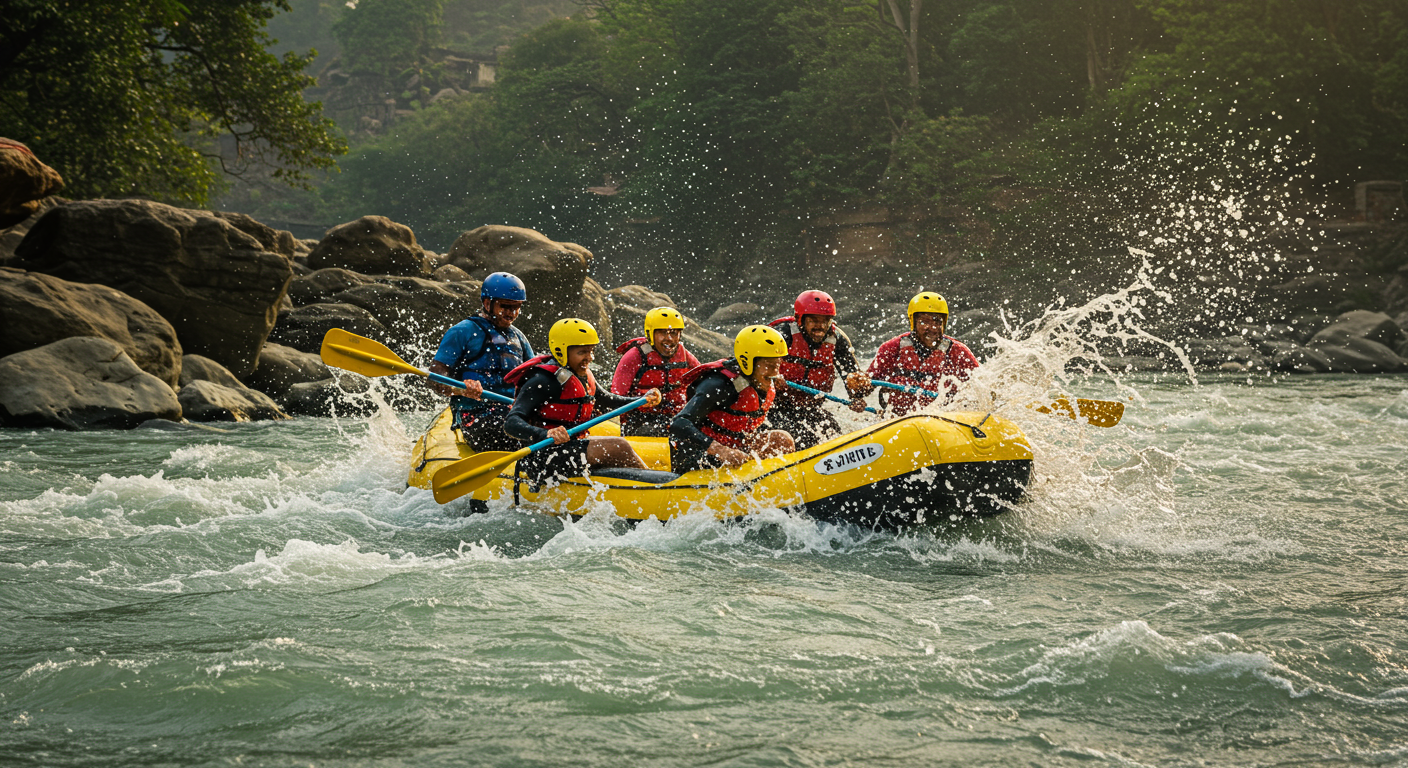
Introduction to the Ganges Rapids
The roar of the Ganges, the splash of cold water against your face, and the adrenaline surge as your raft plunges into churning rapids – this is the unparalleled experience of river rafting in Rishikesh. Nestled in the foothills of the Himalayas, Rishikesh has rightfully earned its reputation as the “Adventure Capital of India,” drawing thrill-seekers from across the globe. Imagine navigating through challenging currents, surrounded by breathtaking natural beauty and the serene spiritual aura of this holy town. It’s more than just a sport; it’s a journey that connects you with nature’s raw power and tests your spirit. Whether you’re a seasoned paddler or a first-timer, the mighty Ganges offers a diverse range of stretches, promising an unforgettable adventure. Operators like BUCKETLISTT are instrumental in making these experiences accessible and safe, ensuring that every visitor gets to embrace the thrill of river rafting in Rishikesh.
In 2026, the popularity of river rafting in Rishikesh continues to soar, thanks to improved safety standards, professional guides, and the pristine natural environment. This comprehensive guide will equip you with all the knowledge needed to plan your perfect rafting trip. From understanding the different grades of rapids to choosing the best time to visit, we’ll cover every detail. Prepare to discover why Rishikesh is the premier destination for white-water rafting and how you can make the most of your adventure in this incredible location.
Navigating the Rapids: A Practical Guide to River Rafting in Rishikesh
Embarking on a river rafting in Rishikesh journey is an experience that blends excitement with the stunning natural beauty of the region. The Ganges, flowing from its glacial source, offers various stretches suitable for different skill levels, making it an ideal destination for everyone from families to extreme adventure enthusiasts. Understanding what to expect and how to prepare is key to a truly enjoyable and safe expedition.
What to Expect on Your Rafting Expedition
Your typical river rafting in Rishikesh trip begins with a briefing from your experienced river guide. They will cover essential safety protocols, paddling techniques, and what to do in case of an emergency, such as falling out of the raft. You’ll be provided with high-quality safety gear, including a life jacket, helmet, and sometimes a wetsuit depending on the water temperature. Rishikesh offers several popular rafting stretches, each varying in length and difficulty:
You might also be interested in: Read more about: Navigating Rishikesh: Your Essential Gui…
- Brahmpuri to Rishikesh (9 km): This is the easiest stretch, perfect for beginners, families with children, or those looking for a gentle introduction to river rafting in Rishikesh. It features Grade I and II rapids, offering a scenic float with mild thrills.
- Shivpuri to Rishikesh (16 km): A more popular choice, this stretch includes Grade II and III rapids like ‘Return to Sender’ and ‘Roller Coaster’. It provides a good balance of excitement and relative calm, ideal for most adventurers.
- Marine Drive to Rishikesh (24 km): For those seeking a longer and more challenging adventure, this route boasts Grade III and IV rapids such as ‘Crossfire’ and ‘The Wall’. It requires a bit more stamina and a stronger sense of adventure.
- Kaudiyala to Rishikesh (35 km): This is the ultimate challenge, featuring numerous Grade III and IV+ rapids, including the famous ‘Daniel’s Dip’ and ‘The Golf Course’. This stretch is recommended for experienced rafters or those with a high tolerance for adrenaline.
Throughout your journey, your guide will expertly navigate the raft, calling out commands for paddling and maneuvering. There will often be opportunities for cliff jumping (from designated safe spots) and body surfing in calmer sections, adding extra elements of fun to your river rafting in Rishikesh experience. The entire trip is punctuated by stunning views of the surrounding Himalayan foothills, lush forests, and occasional glimpses of local wildlife, making it a truly immersive outdoor activity.
Essential Preparation and Safety for River Rafting in Rishikesh
Safety is paramount when undertaking any adventure sport, and river rafting in Rishikesh is no exception. Reputable operators, like those found through BUCKETLISTT, adhere to strict safety standards, employing certified guides and using well-maintained equipment. Here’s how you can prepare:
- What to Wear: Opt for comfortable, quick-drying clothing. Swim shorts, t-shirts, or activewear are ideal. Avoid cotton as it stays wet and heavy. Wear sturdy sandals or water shoes that won’t come off in the water. Sunscreen, sunglasses with a strap, and a hat are also recommended for protection against the strong Himalayan sun.
- What to Bring: A small waterproof bag can be useful for carrying essentials like a camera (if waterproof), cash, and a change of clothes for after the trip. Leave valuables behind at your accommodation.
- Physical Requirements: While not overly strenuous, a basic level of fitness is beneficial. You should be able to swim (though life jackets are mandatory and provide buoyancy), follow instructions, and paddle for extended periods. Inform your guide of any medical conditions or concerns beforehand.
- Safety Basics: Always listen attentively to your guide’s instructions. Keep your life jacket and helmet on at all times while on the river. If you fall out, remember to float on your back with your feet downstream, allowing the current to carry you, and wait for rescue. The guides are experts in Rishikesh and are trained for such situations.
Ensuring you choose a provider that offers the best river rafting in Rishikesh in Rishikesh means looking for those with excellent safety records and experienced, certified guides. These precautions ensure your focus remains on the thrill and beauty of the experience.
Seamless Planning: Mastering Logistics for River Rafting in Rishikesh
Planning your river rafting in Rishikesh adventure requires a little foresight to ensure a smooth and enjoyable trip. From selecting the ideal time of year to understanding the costs involved and how to book, this section covers all the essential logistics. Rishikesh offers some of the best river rafting in Rishikesh in Rishikesh, but timing and preparation are crucial.
You might also be interested in: Read more about: Discover the Best Adventure Camping Rish…
Choosing the Best Time and Route for Your Adventure
The prime season for river rafting in Rishikesh typically spans two main periods:
- September to November: Post-monsoon, the Ganges is full and powerful, offering exhilarating rapids. The weather is pleasant, making it ideal for outdoor activities. This is often considered the best time for serious rafters.
- March to May: As spring arrives, the weather warms up, and the water levels are still good, though slightly less intense than the post-monsoon period. This is a popular time for families and those who prefer milder conditions.
Avoid the monsoon season (July to early September) when heavy rains make river conditions too dangerous for rafting, and many operators temporarily close. During peak season, especially on weekends and holidays, Rishikesh can get crowded, so booking in advance is highly recommended.
Regarding routes, as mentioned earlier, Shivpuri to Rishikesh (16 km) is the most popular and balanced option. For those seeking a milder experience, Brahmpuri (9 km) is perfect. The longer, more challenging routes from Marine Drive (24 km) or Kaudiyala (35 km) are for the truly adventurous. Consider your group’s experience and comfort level when selecting your route for river rafting in Rishikesh. The best solutions in Rishikesh will always offer guidance on route selection.
Understanding Costs and Booking Options for River Rafting in Rishikesh
The cost of river rafting in Rishikesh varies depending on the length of the stretch, the operator, and the time of year. Generally, you can expect the following approximate costs (as of 2026 data, subject to change):
You might also be interested in: Explore Rishikesh Adventures on Bucketlistt
- Brahmpuri (9 km): INR 600 – 1000 per person
- Shivpuri (16 km): INR 1000 – 1800 per person
- Marine Drive (24 km): INR 1500 – 2500 per person
- Kaudiyala (35 km): INR 2500 – 4000+ per person
These prices usually include transportation from a central point in Rishikesh to the starting point and back, all necessary rafting equipment (raft, paddles, life jackets, helmets), and a certified river guide. Some packages might also include snacks or a basic meal. When comparing options for river rafting in Rishikesh in Rishikesh, always check what’s included to avoid hidden costs. Many providers in Rishikesh offer comprehensive packages.
Booking your rafting trip is relatively straightforward. You can book through:
- Online Travel Agencies: Many platforms allow you to compare prices and read reviews.
- Local Tour Operators: Numerous offices in Rishikesh offer direct bookings.
- Accommodation Providers: Many hotels and guesthouses can arrange trips for
Rishikesh is one of those rare destinations that genuinely delivers on its reputation — whether you come for the adrenaline, the spirituality, or simply to sit by the Ganga and think. This guide covered best river rafting in rishikesh in rishikesh, bucketlistt, river rafting in rishikesh, river rafting in rishikesh in rishikesh, giving you the practical knowledge to plan a memorable visit. If you want a curated list of verified operators and activity packages, you can browse options on Bucketlistt.
Frequently Asked Questions
What is the best time to visit Rishikesh for adventure activities?
The best time to visit Rishikesh for adventure sports is October to November and February to May. The weather is clear, the Ganges water level is ideal for rafting, and most outdoor operators are fully active. Avoid the July–September monsoon season when heavy rainfall suspends many river and outdoor activities.
What should I wear and bring for adventure activities in Rishikesh?
Wear comfortable, athletic clothing that you don’t mind getting wet. Closed-toe shoes (trainers or sandals with straps) are essential for rafting and trekking. Bring a valid photo ID, some cash in INR, a change of clothes, and a small waterproof bag for your phone and valuables. Sunscreen and a water bottle are important for longer activities.
What are the must-visit places in Rishikesh besides adventure sports?
Beyond the adventure scene, Rishikesh has a rich cultural and spiritual side worth exploring. Triveni Ghat hosts a mesmerising Ganga Aarti ceremony every evening at sunset — free to attend and deeply moving. Laxman Jhula and Ram Jhula suspension bridges are iconic landmarks. The Beatles Ashram (Maharishi Mahesh Yogi’s old meditation campus) is a fascinating abandoned site now open to visitors. Nearby Neelkanth Mahadev Temple is a popular pilgrimage site about 32 km away.
How much does a typical adventure activity cost in Rishikesh?
Costs vary by activity. River rafting typically ranges from INR 600–1,500 depending on the stretch (9 km, 16 km, or 36 km). Bungee jumping from 83 m costs around INR 3,500–4,500. Paragliding tandem flights range from INR 2,500–4,000. Camping packages with meals usually start at INR 1,500–2,500 per person per night. Always confirm what is included before booking.
Are there age or weight restrictions for activities in Rishikesh?
Yes — most operators have safety-based restrictions. Bungee jumping typically requires participants to be 12+ years old, weigh between 40–110 kg, and have no history of heart conditions or back problems. Rafting generally accepts ages 14+ on the standard routes. Paragliding requires a weight limit of around 100–110 kg maximum. Always check the specific operator’s requirements when booking.
Is Rishikesh safe for solo travellers?
Yes — Rishikesh is generally considered safe for solo travellers, including solo female travellers. The city is a popular destination with a strong tourist infrastructure, well-lit main roads, and a vibrant community of yoga and adventure seekers. As with any travel, stay aware of your surroundings, book activities through verified operators, and keep your accommodation details handy.