
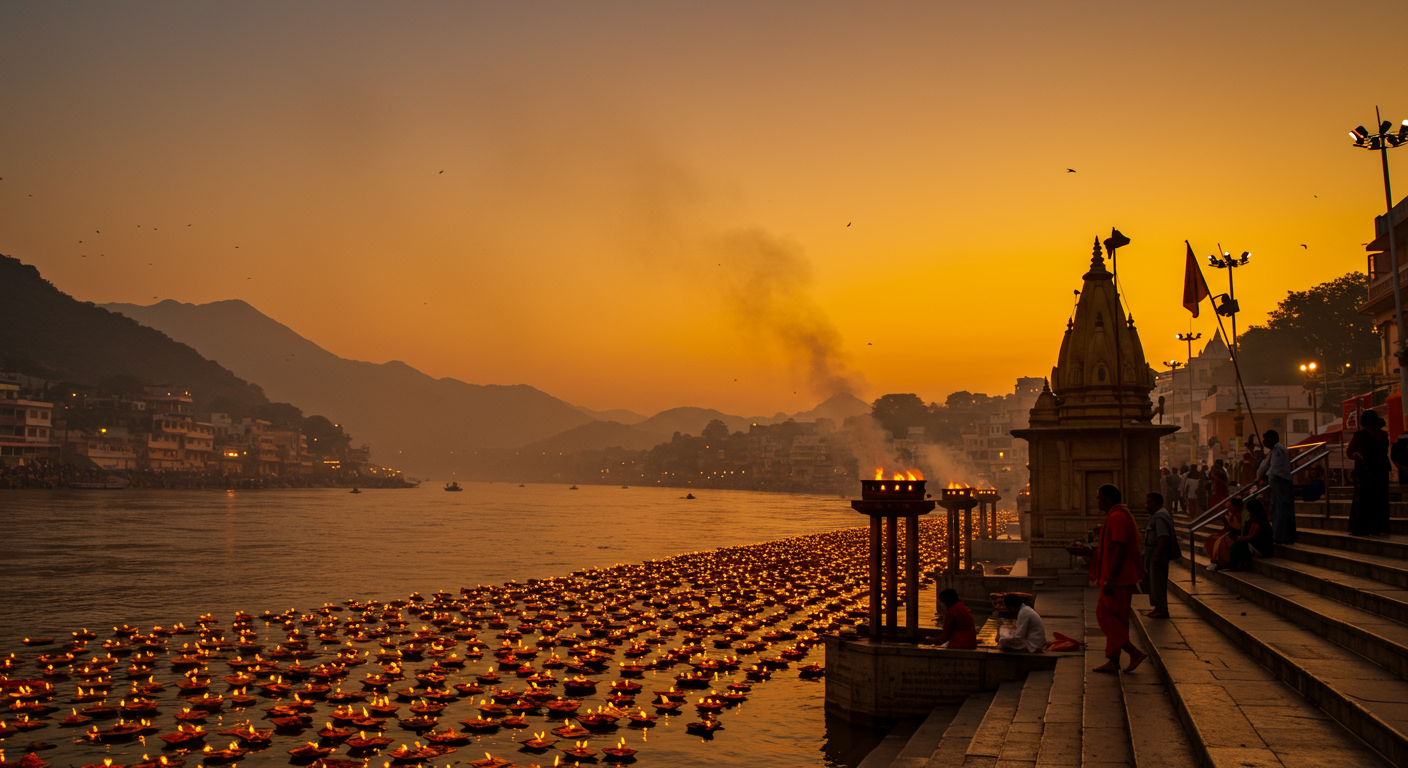
As the first rays of dawn kiss the sacred Ganges, the tranquil hum of mantras rises from the ashrams, signaling another day in the vibrant ecosystem of spiritual & cultural the adventure capital. This isn’t just a destination; it’s a thriving industry, a nexus where ancient traditions meet modern tourism, creating a significant economic and social footprint. My 15 years navigating the global travel landscape have shown me few places that integrate spiritual pursuit with large-scale economic activity as seamlessly as this city, nestled in the foothills of the Himalayas.
The growth of the adventure capital as a global spiritual capital has transformed it into a dynamic industry sector. We’re talking about more than just backpackers and pilgrims; we’re observing the industrial applications of wellness, the large-scale usage scenarios of yoga and meditation, and the sector-wide benefits and drawbacks that come with such rapid expansion. Understanding these underlying mechanics is crucial for anyone looking to engage with, or benefit from, the unique offerings of this spiritual powerhouse.
The Spiritual & Cultural the adventure capital Industry: What It Is and Why It Matters
The industry surrounding spiritual & cultural the adventure capital is a multifaceted entity, encompassing everything from international yoga teacher training academies to traditional Ayurvedic clinics, from large-scale pilgrimage management to boutique eco-tourism ventures. It’s a testament to the enduring appeal of ancient wisdom in a rapidly modernizing world, and its economic impact is profound. This sector isn’t merely about individual spiritual journeys; it’s about the collective infrastructure that supports millions of visitors annually, generating employment, fostering local entrepreneurship, and promoting the rich cultural heritage of Uttarakhand.
The “industrial application” here manifests in the standardization of yoga teacher certifications, the scaling of meditation retreat offerings to accommodate diverse international clientele, and the development of hospitality services specifically tailored for spiritual tourism. The benefits extend beyond direct revenue, creating a ripple effect through local communities, supporting artisans, food vendors, and transportation services. However, this growth also presents challenges, such as managing environmental sustainability and preserving the authentic spiritual essence amidst commercialization.
Scaling Spiritual Wellness: Industry Applications and Growth
The spiritual wellness industry in the adventure capital has seen exponential growth, moving from small, independent ashrams to large-scale, professionally managed centers. Consider the proliferation of yoga schools offering 200-hour, 300-hour, and 500-hour teacher training programs. These aren’t just classes; they are educational institutions operating on an industrial scale, attracting thousands of students from around the globe. Each student represents a significant economic contribution, from course fees to accommodation, food, and local purchases. This is a clear example of a spiritual practice being systematized and scaled for global consumption, providing accredited certifications that have worldwide recognition.
Furthermore, the demand for authentic Ayurvedic treatments and traditional healing practices has led to the establishment of numerous wellness resorts and clinics. These facilities integrate ancient therapies with modern amenities, catering to a diverse clientele seeking holistic health solutions. The industrial application here involves the cultivation of medicinal herbs, the training of practitioners, and the development of supply chains for natural products, all contributing to a robust economic sub-sector. This growth underscores the dynamic interplay between tradition and commercial viability within the spiritual & cultural the adventure capital landscape.
You might also be interested in: Read more about: Navigating Thrills: Your Comprehensive G…
Cultural Preservation and Economic Development: A Delicate Balance
One of the most compelling aspects of the the adventure capital industry is its role in cultural preservation, albeit with an inherent tension. The large-scale usage scenarios of cultural events, such as the evening Ganga Aarti at Triveni Ghat, attract thousands of participants daily. While these ceremonies are deeply spiritual, their management involves significant logistical planning, crowd control, and coordination with local authorities—effectively, large-scale event management. This draws in tourists, encouraging them to engage with and financially support local traditions, from purchasing devotional items to hiring local guides.
However, the influx of visitors also poses challenges. The pressure on local resources, waste management, and the potential for commercial exploitation of sacred sites are ongoing concerns. The industry, therefore, constantly navigates the delicate balance between economic development and maintaining the sanctity and authenticity of its spiritual and cultural offerings. For instance, the maintenance of ancient sites like Neelkanth Mahadev Temple, situated at 1330m with panoramic valley views, often relies on donations and tourism revenue, creating a symbiotic relationship where visitors’ contributions directly aid in preserving these invaluable cultural assets.
Navigating the Spiritual & Cultural the adventure capital Landscape: A Practical Guide for Engagement
🏔️ Plan Your the adventure capital Adventure
Discover and book the best adventure activities, cultural experiences, and stays in the adventure capital — all verified, certified, and available with instant confirmation on Bucketlistt!
For individuals and businesses looking to engage with the spiritual and cultural industry of the adventure capital, understanding the practicalities is paramount. This isn’t just about booking a flight; it’s about comprehending the operational nuances of a sector that blends devotion with commerce. From identifying the best spiritual & cultural the adventure capital experiences to understanding the seasonal demands on its infrastructure, a strategic approach is essential for a rewarding and impactful visit or investment.
The large-scale usage scenarios in the adventure capital often mean that peak seasons can be crowded, impacting the quality of an experience if not planned properly. Conversely, off-peak times can offer more intimate interactions but might have reduced service availability. Consider the logistical aspects of attending major events, such as international yoga festivals, which require significant planning from both organizers and participants. This section aims to provide a practical roadmap for engaging with this unique industry.
Strategic Planning for Optimal Engagement
When planning your involvement with the spiritual and cultural offerings of the adventure capital, timing is a key industrial consideration. The best spiritual & cultural the adventure capital experiences are often found during the shoulder seasons (March-April and September-November) when the weather is pleasant, and the crowds are manageable. The peak pilgrimage season (May-June) sees a massive influx, which can strain local resources and infrastructure. For businesses, this means adjusting staffing, inventory, and service capacity to meet fluctuating demand. For visitors, it means booking accommodations and courses well in advance.
Here’s a checklist for strategic engagement:
You might also be interested in: Read more about: Unlock Peak Excitement: Your Guide to Sk…
- Research and Accreditation: For yoga or meditation training, verify the credentials and international recognition of institutions. This ensures quality and industry standard compliance.
- Seasonal Considerations: Understand the impact of weather and pilgrim seasons on prices, availability, and crowd levels. Monsoon (July-August) brings lush greenery but also heavy rains and potential travel disruptions.
- Local Partnerships: If you’re a business, seek collaborations with local vendors, artisans, and guides. This supports the local economy and offers authentic experiences.
- Sustainable Practices: Emphasize eco-friendly choices in accommodation and activities to minimize your environmental footprint on the Ganges and surrounding areas.
- Logistics for Large-Scale Events: If planning to attend events like the International Yoga Festival, secure registrations, flights, and accommodation months ahead.
Understanding Costs and Resource Allocation in the Sector
The cost structure within the spiritual and cultural industry of the adventure capital varies widely, reflecting a diverse range of offerings from budget-friendly ashram stays to luxury wellness retreats. On a large-scale usage scenario, ashrams often operate on a donation or fixed-fee model, covering accommodation, meals, and teachings, making spiritual learning accessible. However, the commercial sector, including private yoga schools and Ayurvedic centers, operates with competitive pricing structures that reflect the quality of facilities, instructors, and services.
Expert Tip: “Always inquire about all-inclusive packages for retreats or courses. Many institutions bundle accommodation, meals, and tuition, which can be more cost-effective than arranging components separately. Be aware that prices can fluctuate based on the season and the reputation of the institution.”
From an industrial perspective, resource allocation is critical. Local businesses invest in infrastructure, staff training, and marketing to attract international and domestic tourists. Visitors, in turn, contribute to this economy through direct payments for services and indirect spending on local goods. The average cost for a 200-hour yoga teacher training, for example, can range from $800 to $2,000 USD, depending on the school and amenities, representing a significant economic contribution to the region.
Insider Tips for Experiencing the Best Spiritual & Cultural the adventure capital
To truly appreciate and benefit from the offerings of the adventure capital, one must look beyond the surface, understanding the nuanced dynamics of its spiritual economy. My years of immersion in global travel have taught me that the most rewarding experiences come from an informed perspective, especially in a place where spirituality and commerce are so intricately woven. These insider tips are designed to help you navigate the spiritual landscape and engage meaningfully with the industry, whether you’re a visitor or an aspiring participant in its growth.
The best time to visit for a balanced experience, avoiding the extremes of crowds and weather, is typically from late September to early November and again from late February to April. During these periods, the weather is pleasant, and the major spiritual institutions are fully operational without being overly saturated. What to wear is equally important: modest, comfortable clothing is essential, especially when visiting temples, ashrams, or participating in yoga sessions. Think loose-fitting cottons that allow for movement and respect local customs. Safety tips include being mindful of your belongings, especially in crowded areas like Triveni Ghat, and sticking to well-lit areas at night.
You might also be interested in: explore the adventure capital Adventures on Rishikesh-places
Exploring Underrated Gems and Local Contributions
While iconic sites like Triveni Ghat and Neelkanth Mahadev Temple are central to the spiritual & cultural Rishikesh industry, some of the most profound experiences, and indeed significant local contributions, come from its underrated gems. The Phool Chatti Ashram Area, for instance, offers a quieter, more introspective experience away from the city’s main bustle. This area often hosts smaller, more specialized retreats, contributing to the diversity of the spiritual tourism market. These smaller operations often rely heavily on local staff and resources, providing micro-economic benefits to the immediate community.
Another fascinating example is Jhilmil Gufa, a group of three caves near the Neelkanth temple, historically used for deep meditation. While not a large-scale commercial operation, its existence as a site for spiritual retreat underscores the foundational spiritual capital that attracts visitors and, by extension, contributes to the broader industry. Promoting such sites responsibly helps distribute tourism benefits and preserves the sanctity of less-trafficked areas. Engaging with local guides who are knowledgeable about these spots not only enriches your experience but also directly supports the local economy.
Ensuring Sustainable Growth and Community Benefits
The long-term viability of the spiritual and cultural industry in Rishikesh hinges on sustainable practices and ensuring that the benefits are shared broadly within the community. This involves responsible tourism initiatives that prioritize environmental protection, ethical employment practices, and cultural sensitivity. As a visitor, you have a role in this by choosing eco-friendly accommodations, supporting local artisans directly, and respecting local customs and traditions.
From an industrial application standpoint, this means ashrams and wellness centers investing in waste management systems, water conservation, and renewable energy. Large-scale tour operators are increasingly incorporating community-based tourism models, ensuring that a portion of their profits directly benefits local development projects. For example, some yoga schools partner with local NGOs to provide education or healthcare services, demonstrating a commitment beyond purely commercial interests. This focus on equitable growth is vital for the continued flourishing of the spiritual & cultural Rishikesh sector, protecting its unique appeal for generations to come.
Rishikesh is one of those rare destinations that genuinely delivers on its reputation — whether you come for the adrenaline, the spirituality, or simply to sit by the Ganga and think. This guide covered best spiritual & cultural rishikesh, spiritual & cultural rishikesh, giving you the practical knowledge to plan a memorable visit. If you want a curated list of verified operators and activity packages, you can browse options on Bucketlistt.
Our travel portal addresses key search topics such as: spiritual & cultural rishikesh, best spiritual & cultural rishikesh, spiritual & cultural rishikesh, best spiritual & cultural rishikesh, spiritual & cultural rishikesh, best spiritual & cultural rishikesh, spiritual & cultural rishikesh, best spiritual & cultural rishikesh, spiritual & cultural rishikesh, best spiritual & cultural rishikesh to make your vacation planning seamless.
Frequently Asked Questions about Spiritual & Cultural Rishikesh
What is the best time to visit Rishikesh for spiritual experiences?
The ideal time to immerse yourself in the spiritual & cultural Rishikesh is during the shoulder seasons: March to April and September to November. The weather is pleasant, and the atmosphere is conducive to meditation and yoga without overwhelming crowds.
What should I wear when visiting spiritual sites in Rishikesh?
When visiting temples, ashrams, or participating in spiritual activities in Rishikesh, it’s best to wear modest, comfortable, and loose-fitting clothing. This respects local customs and allows for ease of movement during yoga or meditation sessions.
Are there options for affordable spiritual retreats in Rishikesh?
Yes, Rishikesh offers a wide range of spiritual retreats, many of which are very affordable. Traditional ashrams often provide basic accommodation, meals, and teachings on a donation or minimal fee basis, making spiritual learning accessible to everyone.
How can I ensure my spiritual & cultural Rishikesh trip is safe?
To ensure safety, always be aware of your surroundings, especially in crowded areas like Triveni Ghat. Safeguard your valuables, avoid walking alone in poorly lit areas at night, and always use reputable transportation services. Trust your instincts.
What is the significance of the Ganga Aarti at Triveni Ghat?
The Ganga Aarti at Triveni Ghat is a sacred Hindu ritual performed daily at sunset to worship the Ganges River. It’s a visually stunning and deeply moving experience that draws large crowds and is a central part of the spiritual & cultural Rishikesh experience.
Can I find authentic Ayurvedic treatments in Rishikesh?
Absolutely. Rishikesh is home to numerous reputable Ayurvedic clinics and wellness centers offering authentic treatments and consultations. Many incorporate traditional practices with modern facilities, providing holistic healing experiences.
What are some unique, less-known spiritual spots in Rishikesh?
Beyond the main attractions, consider exploring the peaceful Phool Chatti Ashram Area for quiet reflection or visiting Jhilmil Gufa, ancient caves used for deep meditation. These spots offer a different, more secluded spiritual & cultural Rishikesh experience.
How does the spiritual tourism industry benefit the local community in Rishikesh?
The spiritual tourism industry in Rishikesh provides significant employment opportunities for locals, from hospitality to guiding and traditional crafts. It also supports local businesses and contributes to infrastructure development, fostering overall economic growth in the region.