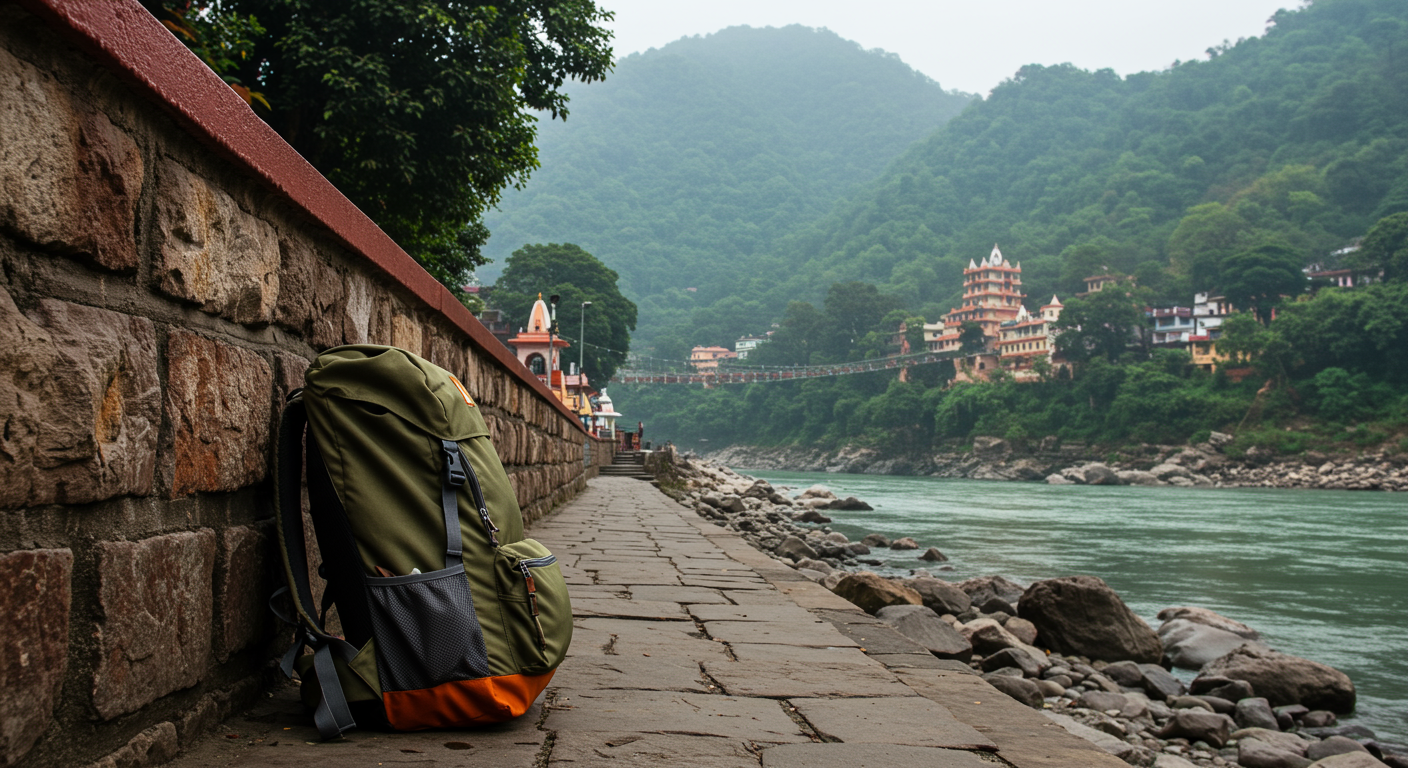
Embarking on Your Rishikesh Adventure: Essential Insights
The scent of incense mingling with the crisp mountain air, the distant chime of temple bells, and the gentle roar of the Ganges River – this is the immediate embrace of Rishikesh. Most travellers don’t realise that Rishikesh has two completely different personalities: the serene spiritual retreat and the thrilling adventure hub. Getting the most out of your visit requires more than just booking a ticket; it demands thoughtful rishikesh travel tips & planning. As someone who has navigated its winding paths and embraced its vibrant energy countless times, I’m here to share the invaluable insights that will transform your trip into an unforgettable experience. This comprehensive guide will equip you with the practical knowledge you need for seamless rishikesh travel tips & planning in rishikesh, covering everything from logistics to local secrets. By 2026, Rishikesh continues to be a magnet for seekers and adventurers alike, and this guide ensures you arrive prepared.
Why Rishikesh Captivates Every Traveller
Rishikesh, nestled in the foothills of the Himalayas in Uttarakhand, isn’t just a destination; it’s a profound journey. Revered as the “Yoga Capital of the World,” it offers an unparalleled blend of spiritual solace, adrenaline-pumping activities, and breathtaking natural beauty. For those seeking inner peace, the numerous ashrams and meditation centres provide a sanctuary. For the thrill-seekers, white-water rafting on the Ganges, trekking through lush forests, and bungee jumping offer exhilarating escapades. This unique duality is precisely what makes Rishikesh so compelling. You can begin your day with a sunrise yoga session overlooking the holy river, spend your afternoon battling rapids, and conclude it with the mesmerising Ganga Aarti at Triveni Ghat, a truly spiritual spectacle. It’s a place where ancient traditions coexist harmoniously with modern adventure, promising something for every soul.
What This Guide Promises for Your Visit
Navigating a new destination, especially one as diverse as Rishikesh, can be daunting without the right information. This guide aims to be your trusted companion, answering all the real questions a first-time or repeat traveller might have. We’ll delve into the specifics: the best times to visit, what to pack, how to get around, approximate costs, and crucial safety tips. Beyond the basics, I’ll share insider tips that only a seasoned visitor or local would know, helping you discover the true essence of this sacred city. From the iconic Laxman Jhula and Ram Jhula bridges to the serene Vashishta Gufa, we’ll cover how to experience Rishikesh authentically and responsibly. Consider this your go-to resource for the best rishikesh travel tips & planning in rishikesh, ensuring your journey is as enriching as it is smooth.
You might also be interested in: Read more about: The Ultimate Guide to Group & Corporate …
Embracing the Spirit of Rishikesh: Why This Journey Matters
Every corner of Rishikesh resonates with a unique energy, a blend of ancient spirituality and vibrant contemporary life. Understanding this unique character is the first step in effective rishikesh travel tips & planning. It’s not merely a place to visit; it’s an experience to immerse yourself in, offering profound moments of reflection and thrilling adventures.
The Unique Allure of Rishikesh’s Offerings
The allure of Rishikesh is multifaceted. At its heart lies the sacred Ganges, believed to cleanse sins and offer salvation. The town is dotted with temples and ashrams, each radiating peace and spiritual wisdom. The evening Ganga Aarti at Triveni Ghat is a must-see, a powerful ritual where lamps are floated down the river amidst chanting and hymns. Beyond the spiritual, Rishikesh has emerged as India’s adventure sports capital. From the exhilarating rush of white-water rafting to the tranquil beauty of trekking through the surrounding hills, there’s an activity for every temperament. What makes Rishikesh truly special is the seamless transition between these worlds. You can start your day with a calming yoga session, spend the afternoon rock climbing, and then unwind with a traditional Ayurvedic massage. This blend ensures that your visit to Rishikesh is far from ordinary, offering a holistic experience that caters to both body and soul.
Expert Tip: Don’t just observe the Ganga Aarti from afar. Arrive early at Triveni Ghat to secure a good spot, participate in the offering of lamps, and truly feel the collective devotion. It’s one of the most powerful experiences in Rishikesh.
You might also be interested in: Read more about: Discovering the Enchanting Places to Vis…
Who Should Visit and What to Expect on Arrival
Rishikesh truly caters to a diverse audience. It’s ideal for:
- Spiritual Seekers: Those looking for yoga, meditation, and spiritual enlightenment will find countless ashrams and gurus.
- Adventure Enthusiasts: Rafting, bungee jumping, trekking, and camping are readily available for thrill-seekers.
- Wellness Tourists: Ayurvedic treatments, detox programs, and holistic healing centres abound.
- Budget Travellers: With affordable accommodation and food, Rishikesh is accessible for those on a tight budget.
Upon arrival, expect a bustling yet spiritual atmosphere. The main
Planning Your Visit to Rishikesh
Rishikesh rewards travellers who plan ahead. The best experiences — whether a dawn yoga session by the Ganges, white-water rafting on grade IV rapids, or an evening Ganga Aarti at Triveni Ghat — often require booking a day or two in advance during peak season (October–November and March–May). Arriving with a flexible itinerary and an open mind is the best way to make the most of what Rishikesh offers.
Rishikesh has a well-developed adventure tourism infrastructure with certified operators, trained guides, and safety equipment maintained to international standards — making it one of India’s safest adventure destinations.
Rishikesh’s position at the foothills of the Garhwal Himalayas gives it consistent river flow, reliable thermals for paragliding, and dramatic canyon geography for bungee jumping — all within a 20-kilometre radius of the city centre.
You might also be interested in: Explore Rishikesh Adventures on Bucketlistt
Adventure activities in Rishikesh are generally available year-round, with the peak seasons running September to November and March to May. Monsoon months (July–August) restrict water-based activities but do not halt all operations.
Rishikesh is one of those rare destinations that genuinely delivers on its reputation — whether you come for the adrenaline, the spirituality, or simply to sit by the Ganga and think. This guide covered best rishikesh travel tips & planning in rishikesh, rishikesh travel tips & planning, rishikesh travel tips & planning in rishikesh, giving you the practical knowledge to plan a memorable visit. If you want a curated list of verified operators and activity packages, you can browse options on Bucketlistt.
Frequently Asked Questions
What is the best time to visit Rishikesh for adventure activities?
The best time to visit Rishikesh for adventure sports is October to November and February to May. The weather is clear, the Ganges water level is ideal for rafting, and most outdoor operators are fully active. Avoid the July–September monsoon season when heavy rainfall suspends many river and outdoor activities.
How do I get from Rishikesh to the bungee jump or rafting starting point?
Most adventure activity start points are 15–30 km from Rishikesh town. Auto-rickshaws and shared taxis are available from Laxman Jhula and Ram Jhula areas. Many operators offer free or low-cost pickup from a central meeting point in Rishikesh — confirm this when booking. The drive through the Himalayan foothills is itself a scenic experience worth savouring.
What are the must-visit places in Rishikesh besides adventure sports?
Beyond the adventure scene, Rishikesh has a rich cultural and spiritual side worth exploring. Triveni Ghat hosts a mesmerising Ganga Aarti ceremony every evening at sunset — free to attend and deeply moving. Laxman Jhula and Ram Jhula suspension bridges are iconic landmarks. The Beatles Ashram (Maharishi Mahesh Yogi’s old meditation campus) is a fascinating abandoned site now open to visitors. Nearby Neelkanth Mahadev Temple is a popular pilgrimage site about 32 km away.
Is Rishikesh safe for solo travellers?
Yes — Rishikesh is generally considered safe for solo travellers, including solo female travellers. The city is a popular destination with a strong tourist infrastructure, well-lit main roads, and a vibrant community of yoga and adventure seekers. As with any travel, stay aware of your surroundings, book activities through verified operators, and keep your accommodation details handy.
Do I need prior experience for white-water rafting in Rishikesh?
No prior experience is required for most Rishikesh rafting stretches. The 9 km Brahmpuri to Rishikesh route is ideal for beginners with grade I–II rapids. The 16 km Marine Drive to Rishikesh route is suitable for first-timers who want a bit more excitement (grade III rapids). The 36 km Shivpuri stretch is recommended for those comfortable in water and seeking grade III–IV rapids.
What should I wear and bring for adventure activities in Rishikesh?
Wear comfortable, athletic clothing that you don’t mind getting wet. Closed-toe shoes (trainers or sandals with straps) are essential for rafting and trekking. Bring a valid photo ID, some cash in INR, a change of clothes, and a small waterproof bag for your phone and valuables. Sunscreen and a water bottle are important for longer activities.