
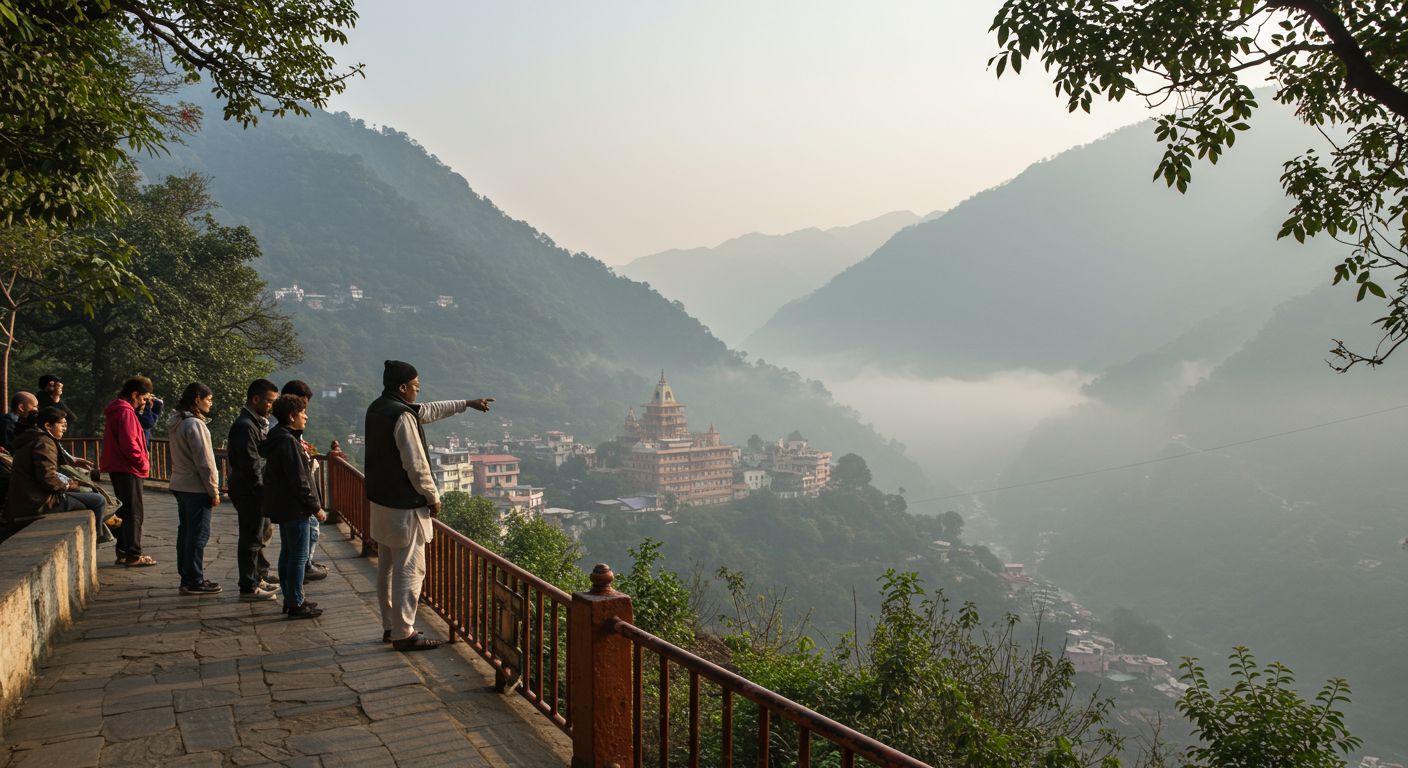
The gentle murmur of the Ganges, the distant chime of temple bells, and the invigorating scent of incense – these are the immediate sensations that greet you in Rishikesh. But once you’ve absorbed that initial magic, a practical question often arises: how exactly do you navigate this vibrant, spiritual town? Understanding rishikesh transport & getting around is paramount to unlocking the full potential of your visit, ensuring you spend less time worrying about logistics and more time soaking in the serene atmosphere or adventuring in the surrounding Himalayas. This comprehensive guide will answer all your practical questions, from the most efficient ways to travel within the town to planning your journeys to and from this captivating destination in 2026. Get ready to explore Rishikesh like a seasoned local.
Understanding Rishikesh’s Unique Mobility Landscape
Rishikesh isn’t just a destination; it’s an experience. Its unique geography, nestled between the Ganges River and the foothills of the Himalayas, shapes its transportation options. Unlike bustling metropolises, you won’t find a metro or extensive bus network crisscrossing every lane. Instead, local transport is characterized by a charming blend of traditional and modern, all designed to navigate the narrow lanes, pedestrian-friendly zones, and river-spanning bridges. Getting around here is part of the adventure, and knowing your options is the first step to a memorable trip.
The Rhythms of Rishikesh: Why Local Transport Matters
The way you choose to get around Rishikesh can profoundly impact your experience. Walking is often the best solution in Rishikesh for short distances, especially between the two iconic suspension bridges, Laxman Jhula and Ram Jhula, and the various ashrams and cafes lining the riverbanks. These areas are largely pedestrianized, and exploring them on foot allows for serendipitous discoveries and interactions. However, for reaching places like the serene Triveni Ghat for the evening Ganga Aarti, or venturing further afield to the Neer Garh Waterfall, you’ll need more structured transport. The local transport system is a reflection of Rishikesh itself – a mix of spiritual tranquility and lively commerce, easily accessible once you understand its rhythm.
Knowing the ins and outs of rishikesh transport & getting around in Rishikesh ensures you can seamlessly transition from a peaceful yoga session to an adventurous trek. It’s about more than just moving from point A to point B; it’s about embracing the local way of life. The narrow roads, the occasional cow sauntering by, and the constant buzz of activity all contribute to the unique charm. This guide provides the practical knowledge you need to navigate these elements with ease, making your journey as smooth as possible.
Key Transport Options: A First Look at Rishikesh
When planning your movements in Rishikesh, you have several reliable options. The most common forms of local transport include shared auto-rickshaws (often called “Vikrams” or “tuk-tuks”), private taxis, and increasingly, rental scooters or bicycles. For longer distances, such as arriving from Haridwar or Dehradun, buses and private cabs are the go-to choices. Each option offers a different balance of cost, convenience, and experience. For instance, a shared auto-rickshaw from Lakshman Jhula to Triveni Ghat might cost you around 20-30 INR (as of 2026), offering a quick and authentic local ride. Private taxis, while more expensive, offer comfort and direct routes, especially useful if you’re carrying luggage or traveling with family. Choosing the best rishikesh transport & getting around in Rishikesh largely depends on your budget, comfort level, and destination.
You might also be interested in: Read more about: BUCKETLISTT Presents: Unforgettable Mult…
Insider Tip: Always agree on the fare before starting your journey with auto-rickshaws or private taxis. Bargaining is common and expected, especially for longer rides. This simple practice can save you both time and money.
Your Practical Guide to Rishikesh Transport & Getting Around
Now that you have an overview, let’s dive into the practicalities. From hailing a local ride to planning your arrival and departure, this section covers the “how-to” of mastering transportation in Rishikesh. We’ll detail the best practices, typical costs, and essential tips to make your travel seamless and stress-free, empowering you to explore every corner of Rishikesh.
Navigating Local Commutes: From Auto-Rickshaws to Scooters
For daily commutes within Rishikesh, you’ll primarily rely on a few key modes. Shared auto-rickshaws are ubiquitous and incredibly cost-effective. They run on fixed routes, often connecting major points like Laxman Jhula, Ram Jhula, Swarg Ashram, and Triveni Ghat. You simply hop on and pay a small fare (typically 10-50 INR depending on the distance). For more flexibility, you can hire an entire auto-rickshaw for a private ride, which is ideal if you’re exploring specific spots like the base of Neer Garh Waterfall or heading to a specific ashram off the main route. Expect to pay anywhere from 100-300 INR for a private short-to-medium distance trip within Rishikesh. Remember, these are the best solutions in Rishikesh for quick, affordable hops.
- Walking: For exploring the ghats, ashrams, and cafes around Laxman Jhula and Ram Jhula, walking is often the most enjoyable and authentic way to experience Rishikesh. Be prepared for uneven paths and occasional stairs.
- Shared Auto-rickshaws (Vikrams): Look for green and yellow three-wheelers. They operate on routes and are the cheapest option for inter-locality travel.
- Private Taxis/Cabs: Available for hire at taxi stands or through hotel bookings. Ideal for comfort, luggage, or specific destinations. Negotiate the fare beforehand.
- Scooter/Motorbike Rentals: Many shops in Rishikesh offer daily rentals (around 300-600 INR/day). This provides maximum flexibility for exploring nearby areas like Neelkanth Mahadev Temple or even the Jhilmil Gufa, but requires a valid license and confidence in navigating Indian traffic.
- Bicycles: A few places offer bicycle rentals, perfect for leisurely rides along the quieter parts of the Ganges or exploring the less crowded lanes.
When considering rishikesh transport & getting around in Rishikesh, always factor in the time of day. Peak hours, especially around the Ganga Aarti at Triveni Ghat, can lead to congestion, making walking or a two-wheeler a faster option.
You might also be interested in: Read more about: Soar High: The Ultimate SCAD Jump Ris…
Planning Longer Journeys: Buses, Taxis, and Trains to Rishikesh
Reaching Rishikesh from other cities, or planning excursions outside the immediate town, involves different transport strategies. The nearest major railway station is Rishikesh Railway Station (RKSH), but many travelers opt for Haridwar Junction (HW), which is better connected and about 25 km away. From Haridwar, you can easily find shared auto-rickshaws (around 300-400 INR for a private one, or 50-80 INR per person for a shared one) or local buses (approx. 40-60 INR) to Rishikesh. Dehradun Airport (Jolly Grant Airport, DED) is the closest airport, roughly 20 km away. A pre-booked taxi from the airport to Rishikesh typically costs between 800-1200 INR, making it one of the best solutions in Rishikesh for airport transfers.
For bus travel, Rishikesh has a well-connected bus stand with services to major North Indian cities like Delhi, Haridwar, and Dehradun. Overnight buses from Delhi can be a cost-effective option, taking approximately 6-8 hours. Always check schedules and book in advance, especially during peak seasons. If you’re planning a trip to the remote Vashishta Gufa, a private taxi or a combination of local transport and a short trek would be required, as public transport options are limited in that specific direction. Understanding these options is key to efficient rishikesh transport & getting around for both local and longer-distance travel.
Traveler’s Note: For those seeking adventure, consider a local guide who can arrange transport to places like Jhilmil Gufa. These experts in Rishikesh can provide unique insights and ensure a safe journey to lesser-known spots.
Insider Tips for the Best Rishikesh Transport & Getting Around in Rishikesh
Beyond the basic options, a few insider tips can elevate your travel experience in Rishikesh. These nuggets of wisdom, often learned through experience, can save you time, money, and hassle, allowing you to truly immerse yourself in the spiritual and adventurous offerings of this incredible destination. Learning these small details is how you truly master rishikesh transport & getting around.
You might also be interested in: Explore Rishikesh Adventures on Bucketlistt
Mastering the Art of Local Travel in Rishikesh
One of the most valuable tips for navigating Rishikesh is to embrace walking, especially in the pedestrian-heavy areas around the bridges. However, be aware that the bridges themselves, Laxman Jhula and Ram Jhula, are often crowded with people, bikes, and even monkeys. Walk with caution and keep your belongings secure. For destinations slightly further out, like the tranquil Vashishta Gufa, consider hiring a private taxi for half a day. This gives you the flexibility to explore at your own pace without worrying about finding return transport. Another invaluable tip is to carry small denominations of Indian Rupees (INR) for auto-rickshaw fares and small purchases; drivers often don’t have change for large notes. The best rishikesh transport & getting around in Rishikesh means being prepared and flexible.
When traveling between the two main bridge areas (Laxman Jhula and Ram Jhula), remember there’s a local auto-rickshaw stand near each. These are shared rides and are very economical. Don’t be afraid to ask locals for directions or the typical fare; most are friendly and willing to help. Exploring the back alleys and smaller lanes on foot can also lead to discovering charming cafes, hidden temples, and local artisan shops that you might miss otherwise. This proactive approach to rishikesh transport & getting around will greatly enhance your journey.
Safety, Seasonality, and Sustainable Travel Practices
Safety should always be a priority. While Rishikesh is generally safe, especially for tourists, it’s wise to avoid traveling alone in secluded areas after dark. When taking auto-rickshaws or taxis, ensure the vehicle looks well-maintained and the driver seems reliable. For women traveling
Rishikesh is one of those rare destinations that genuinely delivers on its reputation — whether you come for the adrenaline, the spirituality, or simply to sit by the Ganga and think. This guide covered best rishikesh transport & getting around in rishikesh, rishikesh transport & getting around, rishikesh transport & getting around in rishikesh, giving you the practical knowledge to plan a memorable visit. If you want a curated list of verified operators and activity packages, you can browse options on Bucketlistt.
Frequently Asked Questions
What is the best time to visit Rishikesh for adventure activities?
The best time to visit Rishikesh for adventure sports is October to November and February to May. The weather is clear, the Ganges water level is ideal for rafting, and most outdoor operators are fully active. Avoid the July–September monsoon season when heavy rainfall suspends many river and outdoor activities.
Do I need prior experience for white-water rafting in Rishikesh?
No prior experience is required for most Rishikesh rafting stretches. The 9 km Brahmpuri to Rishikesh route is ideal for beginners with grade I–II rapids. The 16 km Marine Drive to Rishikesh route is suitable for first-timers who want a bit more excitement (grade III rapids). The 36 km Shivpuri stretch is recommended for those comfortable in water and seeking grade III–IV rapids.
How much does a typical adventure activity cost in Rishikesh?
Costs vary by activity. River rafting typically ranges from INR 600–1,500 depending on the stretch (9 km, 16 km, or 36 km). Bungee jumping from 83 m costs around INR 3,500–4,500. Paragliding tandem flights range from INR 2,500–4,000. Camping packages with meals usually start at INR 1,500–2,500 per person per night. Always confirm what is included before booking.
Is Rishikesh safe for solo travellers?
Yes — Rishikesh is generally considered safe for solo travellers, including solo female travellers. The city is a popular destination with a strong tourist infrastructure, well-lit main roads, and a vibrant community of yoga and adventure seekers. As with any travel, stay aware of your surroundings, book activities through verified operators, and keep your accommodation details handy.
How do I get from Rishikesh to the bungee jump or rafting starting point?
Most adventure activity start points are 15–30 km from Rishikesh town. Auto-rickshaws and shared taxis are available from Laxman Jhula and Ram Jhula areas. Many operators offer free or low-cost pickup from a central meeting point in Rishikesh — confirm this when booking. The drive through the Himalayan foothills is itself a scenic experience worth savouring.
Are there age or weight restrictions for activities in Rishikesh?
Yes — most operators have safety-based restrictions. Bungee jumping typically requires participants to be 12+ years old, weigh between 40–110 kg, and have no history of heart conditions or back problems. Rafting generally accepts ages 14+ on the standard routes. Paragliding requires a weight limit of around 100–110 kg maximum. Always check the specific operator’s requirements when booking.