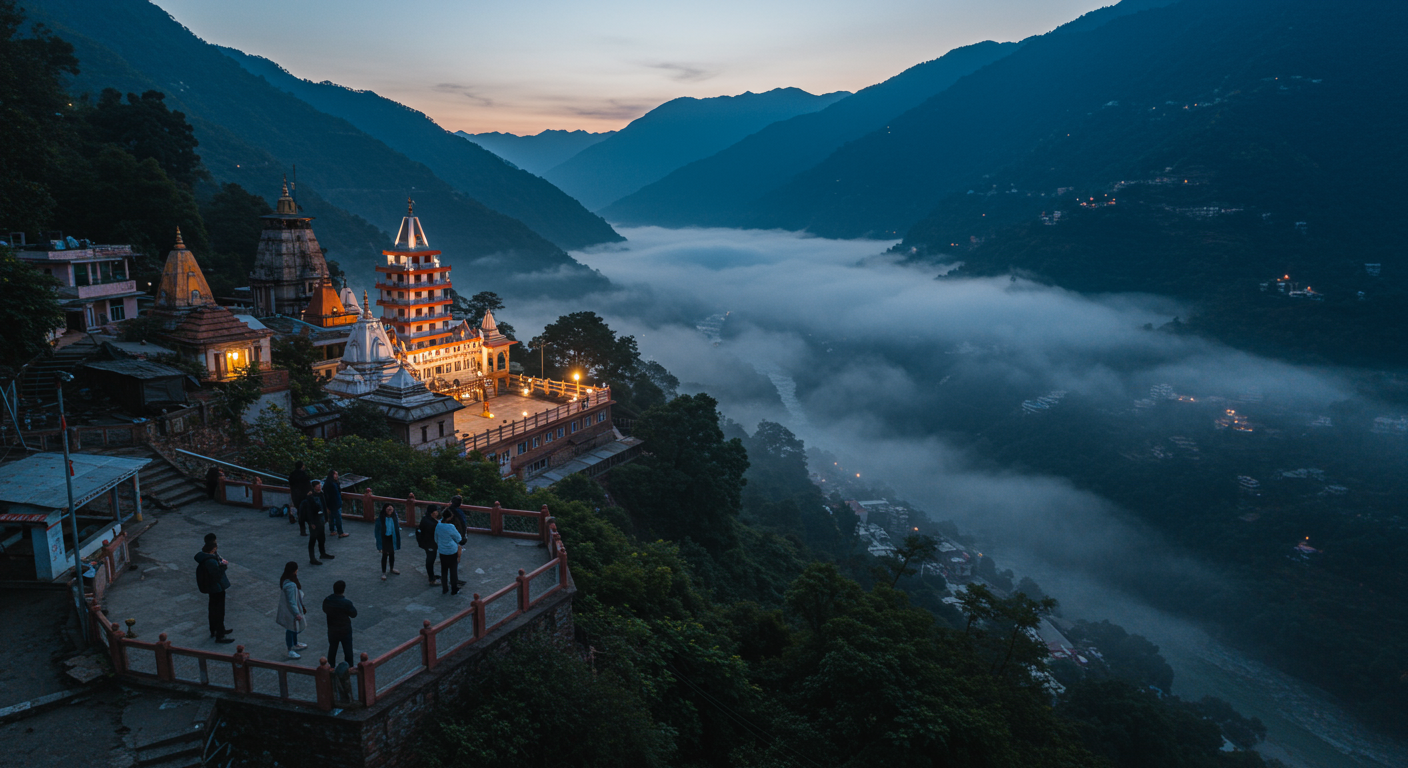
The morning air in the Garhwal Himalayas carries a unique symphony. First, the distant chime of temple bells, then the sacred chants echoing across the valley, and finally, the unmistakable roar of the Ganga as it tumbles over ancient rocks. But listen closer, and you’ll hear a new sound—the joyous shouts and whoops of adventurers. This is the dual soul of the region, a place where spiritual serenity and high-octane adrenaline coexist. As a travel writer who has spent over a decade exploring this town, I’m here to provide more than just a list of activities. This is your definitive the adventure capital adventure sports guide, an insider’s look into the industry, the safety protocols, and how to make the most of the incredible experiences on offer in 2026.
For years, I’ve watched this town evolve from a quiet pilgrimage site into the undisputed adventure capital of India. The industry here is a fascinating ecosystem of local entrepreneurs, seasoned river guides, and international safety standards. Understanding this landscape is the key to a truly exceptional and safe adventure. We’ll move beyond the brochures to dissect what makes this place tick, ensuring you’re equipped with the knowledge to choose the right thrills and the right people to guide you through them. This isn’t just about what to do; it’s about how to do it smartly and safely.
The Anatomy of Adventure: Deconstructing the Sports Industry
To truly appreciate the adventure scene, you must understand its structure. What began as a few intrepid rafters in the 1980s has blossomed into a multi-million dollar industry that is the economic lifeblood of the region. It’s a complex network of operators, gear suppliers, and regulatory efforts that defines every thrill you experience.
From Spiritual Hub to Adrenaline Capital: The Sector’s Evolution
The transformation of this holy town was not accidental. The natural topography, with the mighty Ganges carving its way through steep gorges, provided the perfect playground. Early pioneers saw the potential, and a new industry was born. Today, the stretch of river from Kaudiyala down to the iconic bridges of Laxman Jhula & Ram Jhula is a bustling corridor of activity. This evolution has brought economic prosperity but also challenges, primarily centered around sustainability and safety standardization across hundreds of operators.
Key Players: Understanding the Operator Ecosystem
The adventure sports sector here is incredibly diverse. You’ll find large, well-established companies with fleets of rafts and permanent riverside camps, often catering to corporate and international groups. Alongside them are dozens of smaller, family-run outfits, many started by local river guides who have spent their entire lives on the Ganga. While both can offer incredible experiences, their approach to safety, equipment, and training can vary significantly. This is why a discerning eye is your most important piece of gear. The best the adventure capital adventure sports guide will always tell you to look for government-approved operators with a transparent safety record.
You might also be interested in: Read more about: Your Ultimate Guide to Things to Do in R…
White Water Rafting: The Backbone of the Adventure Economy
🪂 India’s Highest Bungee Jump
Plunge from an 83-metre cantilever platform over the Himalayas. Certified by a team of expert jumpmasters. Book your jump today — slots fill up fast!
White water rafting is the heart and soul of the adventure industry here. It’s the primary draw for a majority of visitors and the activity that put this Himalayan town on the global adventure map. The industry surrounding it is a well-oiled machine, fine-tuned by season, water levels, and visitor demand.
Decoding the Rafting Grades & Operator Safety Protocols
The Ganges offers a brilliant progression of rapids, making it accessible for beginners yet exciting for experts. The main operational hub for rafting is Shivpuri, a town located 19km upstream. Operators offer several distinct stretches:
- Brahmapuri to the adventure capital (9 km, Grade I-II): Ideal for families and first-timers. A gentle introduction with mild rapids.
- Shivpuri to the adventure capital (16 km, Grade II-III): The most popular stretch, offering a perfect blend of calm floats and exciting rapids like “Return to Sender” and “Roller Coaster.”
- Marine Drive to the adventure capital (26 km, Grade III-IV): For the more adventurous, this section includes more challenging rapids and requires a higher level of fitness.
A reputable operator will provide helmets, life jackets (PFDs), and a thorough safety briefing before you even touch the water. Every raft should have a certified guide and essential rescue equipment like throw bags. This is a critical part of the the adventure capital adventure sports guide to ensuring a safe and enjoyable trip.
A Season-by-Season Analysis for Visitors
The rafting industry is highly seasonal. The best time to visit is from late September to mid-November and then from early March to late May. During these windows, the weather is pleasant, and the river flow is ideal. The monsoon season (July to early September) sees the river swell to dangerous levels, and all rafting operations are officially shut down by the government for safety. The winter months (December to February) are cold, but rafting is still possible, offering a more serene experience with fewer crowds. Understanding this seasonality is key to planning your trip.
You might also be interested in: read more about: Discovering the Best Hotels in the adventure capital…
Beyond the Rapids: Diversification in Adventure Offerings
While rafting remains king, the local adventure industry has wisely diversified. Recognizing the demand for varied thrills, operators have invested in a range of other high-octane activities, transforming the area into a comprehensive adventure playground. This is where you find some of the most heart-pounding experiences in the country.
Bungee Jumping and Giant Swing: The Thrill-Seeking Vertical
Home to India’s highest bungee platform (83 meters), this is a must-do for serious adrenaline junkies. The purpose-built cantilever platform juts out over a rocky gorge, offering a terrifyingly beautiful setting for your leap. The same site also hosts the Giant Swing and a 1-km-long zipline, often sold as a combo package. These operations are run with stringent, international safety standards, with meticulous checks and highly trained staff. The investment in this world-class infrastructure showcases the maturity of the local adventure sector.
Trekking, Camping, and Ziplining: The Eco-Tourism Frontier
Beyond the big-ticket thrills, the surrounding hills offer a wealth of softer adventures. Countless operators offer overnight riverside camping, which usually includes a bonfire, beach volleyball, and basic meals. This is often bundled with a rafting trip. For those looking to explore on foot, short treks to nearby waterfalls or villages provide a glimpse into local life. You can even find serene spots like the sacred pond of Rishikund. After a day of exertion, many travelers find solace on the quiet sands of Goa Beach, a local secret away from the main ghats. These activities represent the industry’s push towards a more holistic, eco-tourism-focused model.
Your Practical Guide to Navigating the Adventure Sector
Now for the most crucial part: how to apply this knowledge. Choosing the right activity and operator can be overwhelming, but with a few insider tips, you can navigate the market like a pro. This is the practical advice that makes for the best the adventure capital adventure sports guide.
You might also be interested in: explore the adventure capital Adventures on Rishikesh-places
How to Choose a Reputable and Safe Operator
Your safety is paramount. Do not choose an operator based on price alone. Here’s a checklist:
- Check for Government Licenses: Ensure the operator is registered with the Uttarakhand Tourism Development Board.
- Inspect the Equipment: Look at the state of their rafts, helmets, and life jackets. Worn-out, faded, or damaged gear is a major red flag.
- Question the Guides: Ask about their certification and experience. A good guide will be confident, professional, and happy to answer your questions.
- Read Recent Reviews: Look for reviews that mention safety procedures and guide quality, not just the “fun factor.”
Expert Tip: A truly professional operator will never rush the safety briefing. It should be comprehensive, covering paddling commands, what to do if you fall out, and rescue procedures. If the briefing feels like a formality, walk away.
Insider Tips for Booking and What to Expect in 2026
For 2026, expect a continued focus on safety and regulation. It’s always best to book directly with an operator or through a trusted platform rather than from touts on the street. For a post-adventure wind-down, nothing beats finding a small cafe near the ghats to relax. While the famous Triveni Ghat hosts a spectacular evening aarti, my personal recommendation is to find a quiet spot, order a hot lemon-ginger-honey tea, and simply watch the river flow by. It’s the perfect way to process the day’s adrenaline rush and connect with the spiritual energy of this incredible place.
Rishikesh is one of those rare destinations that genuinely delivers on its reputation — whether you come for the adrenaline, the spirituality, or simply to sit by the Ganga and think. This guide covered best rishikesh adventure sports guide, rishikesh adventure sports guide, giving you the practical knowledge to plan a memorable visit. If you want a curated list of verified operators and activity packages, you can browse options on Bucketlistt.
Our travel portal addresses key search topics such as: rishikesh adventure sports guide, best rishikesh adventure sports guide, rishikesh adventure sports guide, best rishikesh adventure sports guide, rishikesh adventure sports guide, best rishikesh adventure sports guide, rishikesh adventure sports guide, best rishikesh adventure sports guide, rishikesh adventure sports guide to make your vacation planning seamless.
Frequently Asked Questions about Rishikesh Adventure Sports
What is the best time for adventure sports in Rishikesh?
The best time for most adventure sports, especially river rafting, is from late September to November and from March to May. The weather is pleasant and the river conditions are ideal during these months. Operations are closed during the peak monsoon season (July-August).
Is rafting in Rishikesh safe for non-swimmers?
Yes, rafting is generally safe for non-swimmers, provided you go with a reputable operator. You will be provided with a high-quality life jacket (Personal Flotation Device) that will keep you afloat. Always follow your guide’s safety instructions carefully.
What is the cost of river rafting in Rishikesh?
As of 2026, costs vary by distance. A 9km trip from Brahmapuri might cost around ₹600-₹800 per person, while the popular 16km trip from Shivpuri typically ranges from ₹1000-₹1500. Prices often include transport to the starting point.
Which bungee jumping is best in Rishikesh?
There is one primary, internationally recognized bungee jumping location in Rishikesh, which is widely considered the best and safest. It features an 83-meter jump from a custom-built cantilever platform and is operated with stringent safety protocols.
What should I wear for river rafting?
Wear quick-drying clothes like synthetics or polyester. Avoid cotton as it stays wet and cold. Secure footwear like river sandals, floaters, or old sneakers is essential; flip-flops are not allowed. In cooler months, a wetsuit may be provided by the operator.
Can we do adventure sports in Rishikesh in December?
Yes, you can. While the water and air are cold in December, rafting and other sports remain open. The crowds are smaller, and the experience is more serene. Operators often provide wetsuits for rafting during the winter months for added comfort.
How many days are enough for Rishikesh adventure?
A 2-3 day trip is ideal for a good adventure experience. This allows you enough time for a full-day rafting trip with camping, and another day for activities like bungee jumping, visiting waterfalls, or exploring the town’s spiritual side.
What is the minimum age for rafting in Rishikesh?
The minimum age for rafting is typically 14 years. This is a government-regulated guideline for safety on the main rafting stretches. For the gentler, family-friendly floats, some operators may have slightly different age policies, so it’s best to check directly.
Your Adventure Awaits
To truly experience this town is to embrace both its spiritual calm and its wild heart. By understanding the adventure sports industry, you’re not just buying a ticket for a ride; you’re becoming a discerning traveler who values safety and quality. The key takeaways are simple: rafting is the core of the industry, but diversification is growing, and your most important task is to thoroughly vet your operator.