As a seasoned traveler and an observer of global tourism trends, I’ve come to appreciate that selecting the best time to visit the adventure capital isn’t merely about personal preference; it’s a strategic decision that profoundly impacts both the traveler’s experience and the local tourism industry. This spiritual heart of India, nestled in the Himalayas, offers a diverse array of experiences, from exhilarating white-water rafting to profound yoga and meditation retreats. However, the operational readiness and quality of these offerings fluctuate significantly with the seasons. Understanding these dynamics is key to unlocking an unparalleled journey and appreciating the sophisticated ecosystem of this vibrant destination.
My goal is to provide you with an expert’s perspective on identifying the ideal travel windows, allowing you to align your visit with the peak performance of the adventure capital’s unique tourism sector. This guide goes beyond weather forecasts, delving into how seasonal variations influence everything from adventure sports logistics to the ambiance of its renowned spiritual centers, ensuring you can plan your trip with unparalleled insight.
Understanding the adventure capital’s Seasonal Tourism Dynamics
The tourism industry in the adventure capital operates on a distinct seasonal rhythm, largely dictated by the region’s climate. From the bustling ashrams to the adventure sports operators in Shivpuri, every facet of the local economy is tuned to these annual cycles. Recognizing these patterns is crucial for both visitors seeking optimal conditions and for the industry itself in managing resources and expectations.
The Impact of Climate on Tourist Offerings
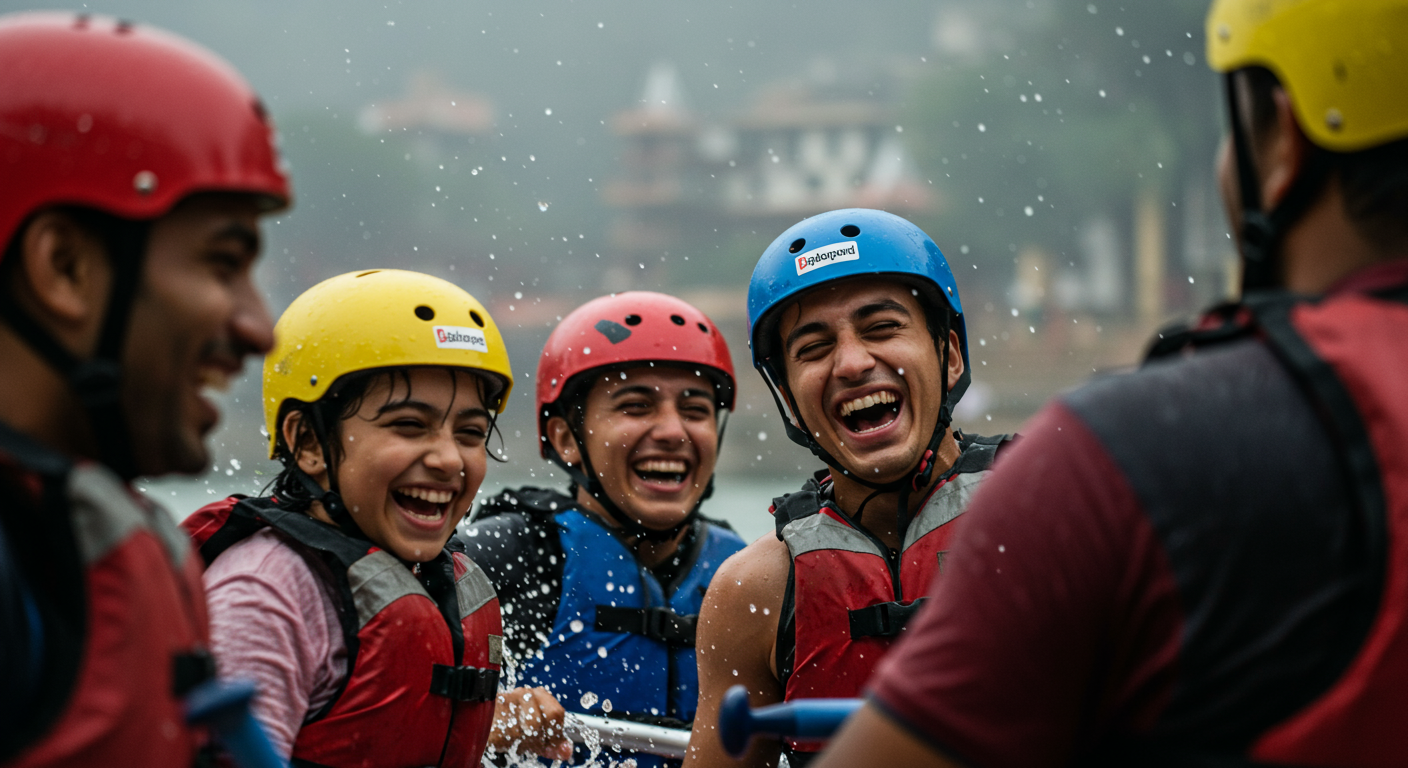
The sub-Himalayan climate of this region directly shapes the types and availability of tourist activities. For instance, the fierce monsoon rains (July to September) render river rafting a perilous, often suspended, activity. During this period, adventure tourism operators face significant operational downtime, shifting their focus to maintenance or alternative, rain-friendly experiences. Conversely, the clear, invigorating waters and mild temperatures of autumn (October to November) and spring (March to May) represent the prime operational windows for white-water rafting and other outdoor pursuits. Operators like those near Shivpuri experience their highest demand, requiring peak staffing and resource allocation.
Similarly, the wellness and spiritual tourism sectors, a cornerstone of the adventure capital’s appeal as the Yoga Capital of the World, are also climate-dependent. Yoga and meditation retreats thrive in the temperate climates, with many ashrams hosting international programs during these pleasant months. The intense summer heat (May to June) or the chilly winter mornings (December to February) can make prolonged outdoor yoga sessions less appealing, leading to a dip in attendance and a shift towards indoor activities. Therefore, choosing the best time to visit the adventure capital directly correlates with the availability and quality of your desired experiences.
Economic Implications of Peak vs. Off-Season Travel
The seasonal flow of tourists has profound economic implications for the adventure capital’s diverse businesses. During peak seasons, demand for accommodation, guides, and services surges, leading to higher prices, but also ensuring full employment and robust economic activity. Hotels, guesthouses, and local eateries thrive, often operating at maximum capacity. This is when the tourism infrastructure is at its most vibrant and efficient, offering a wide array of choices to visitors.
In contrast, the off-season presents a different economic landscape. Lower tourist numbers result in reduced prices for accommodation and services, which can be attractive for budget-conscious travelers. However, some smaller businesses may close or operate with limited staff, impacting service variety. For the industry, the off-season is a period for renovation, staff training, and strategic planning for the next peak. Understanding these cycles helps travelers gauge not only the cost of their trip but also the level of service and variety of options available. Planning your visit for the best time to visit the adventure capital can mean the difference between a crowded, expensive trip and a serene, value-rich experience.
You might also be interested in: Read more about: Sustainable Dining: Discover the Best Re…
Expert Insight: “The true rhythm of the adventure capital’s tourism heartbeat is found in its seasonal shifts. Optimal planning isn’t just about avoiding rain; it’s about aligning your journey with the season when the industry truly shines for your chosen activity, be it spiritual enlightenment or adrenaline-fueled adventure.”
Navigating the Optimal Periods: A Strategic Approach
🌊 Book River Rafting in the adventure capital
Experience the thrill of white-water rafting with certified guides and a 100% safety record. Choose from 9km to 36km routes — instant confirmation guaranteed!
For those seeking to maximize their the adventure capital experience, a strategic approach to timing your visit is essential. This involves identifying the periods when the region’s natural beauty, cultural events, and operational services converge to offer the most fulfilling travel experience. My extensive travels have shown me that a well-timed trip can transform a good vacation into an unforgettable one.
The Prime Window: Autumn and Early Spring
Without a doubt, the period spanning from October to November and then again from March to April represents the absolute best time to visit the adventure capital for the vast majority of travelers. These months offer a near-perfect confluence of favorable weather, vibrant activity, and accessible services across the tourism spectrum.
- Autumn (October-November): Following the monsoon, the Ganges flows strongly, making it the prime season for white-water rafting and other adventure sports around Shivpuri. The air is crisp, the skies are clear, and the temperatures are pleasantly mild, ideal for trekking, sightseeing, and outdoor yoga. This period also often coincides with major Indian festivals, adding a rich cultural dimension to your visit. The industry is in full swing, offering a comprehensive range of tours, classes, and accommodations.
- Early Spring (March-April): As winter recedes, spring brings a refreshing warmth and lush greenery. This is another excellent window for adventure activities and spiritual retreats. The International Yoga Festival, a flagship event for the yoga tourism industry, typically takes place in March, drawing practitioners and teachers from around the globe. The weather is comfortable for exploring sites like Neelkanth Mahadev Temple and Vashishta Gufa, and the evenings at Triveni Ghat for the Ganga Aarti are magical.
These windows offer the highest likelihood of experiencing the adventure capital at its operational best, with all services readily available and the natural environment at its most inviting.
Embracing Shoulder Seasons for Unique Advantages
While autumn and early spring are prime, the shoulder seasons offer distinct benefits for travelers with specific priorities, often providing a more intimate and cost-effective experience without significant compromise. These periods represent strategic opportunities for niche tourism segments and offer a different perspective on the region’s offerings.
- Late Spring (May-June): Before the monsoon, temperatures begin to rise significantly. This period is less crowded, and prices for accommodation and services tend to drop. It can still be a good time for spiritual seekers who prefer solitude, as the ashrams are quieter. River rafting may still be available in early May before the water levels become too high. This is also when local businesses might offer special packages to attract visitors, showcasing the industry’s adaptability.
- Mid-September: Immediately after the monsoon, the landscape is incredibly verdant and fresh. While river rafting might just be resuming, this is an excellent time for nature walks and photography. The air is clean, and the crowds are yet to arrive in full force, offering a peaceful experience for those seeking quiet contemplation. Goa Beach, a serene spot near Laxman Jhula, becomes particularly inviting. This period allows for a glimpse into the local life before the tourist influx, providing a more authentic cultural immersion.
Choosing a shoulder season can be a strategic move for travelers looking to avoid the peak crowds, secure better deals, and enjoy a more tranquil version of the experience, while still engaging with a functional and welcoming tourism infrastructure.
You might also be interested in: Read more about: Best the adventure capital Food & Local Culture in R…
Practical Considerations for Industry-Aligned Travel
Beyond simply picking a month, a truly strategic visit involves practical planning that acknowledges the region’s unique characteristics and how they impact the tourism sector. Being prepared ensures a smooth and enjoyable journey, regardless of when you choose to explore this gem in Uttarakhand.
Preparing for the adventure capital’s Diverse Climates
The clothing and gear you pack are intrinsically linked to the season, and by extension, the types of activities you’ll engage in and the services you’ll require. During the peak seasons of autumn and spring, lightweight cotton clothing is suitable for daytime, but evenings can be cool, necessitating a light jacket or shawl. If you plan to participate in yoga or meditation, comfortable, breathable attire is essential. For adventure sports like rafting, quick-drying clothes and waterproof footwear are a must. In winter (December-February), warm layers, including heavy sweaters, jackets, and thermal wear, are indispensable, particularly for early morning Ganga Aarti at Triveni Ghat or visiting the high-altitude Neelkanth Mahadev Temple. During the monsoon (July-September), waterproof jackets, umbrellas, and sturdy, non-slip footwear are paramount to navigating the wet conditions.
Consider the impact on local businesses: during cooler months, demand for warmer apparel increases, supporting local textile vendors. During monsoon, demand for waterproof gear creates opportunities for specialized retailers. Your choices directly influence the micro-economies of the region.
Local Insights: Maximizing Your Experience and Supporting Local Enterprise
To truly enhance your visit and contribute positively to the local economy, consider these insider tips:
- Embrace the Unrated Gems: While Triveni Ghat and Neelkanth Mahadev Temple are iconic, seek out lesser-known spots. A visit to Vashishta Gufa, an ancient cave where sage Vashishta meditated, offers profound peace away from the crowds. Similarly, Goa Beach provides a quiet, white-sand riverside retreat popular with backpackers, offering a different perspective on the Ganges. These spots, often maintained by local communities, benefit directly from respectful tourism.
- Engage with Local Guides: For trekking or exploring remote areas, hiring a local guide not only enhances your safety and understanding but directly supports local livelihoods. They can offer insights into the culture, history, and ecology that no guidebook can provide.
- Attend Local Festivals: Timing your visit to coincide with local festivals, beyond the International Yoga Festival, can offer a rich cultural immersion. These events are often deeply rooted in local traditions and provide a unique window into the community spirit.
- Stay Hydrated and Safe: Regardless of the season, carrying a reusable water bottle is crucial. Tap water is generally not safe for drinking; stick to filtered or bottled water. Be mindful of your surroundings, especially during crowded periods or when exploring remote areas. Always inform your accommodation of your plans if heading out for a trek.
By consciously engaging with local services and exploring beyond the main tourist circuit, you not only enrich your own journey but also foster sustainable tourism practices that benefit the entire community.
Strategic Timing for Specific the adventure capital Experiences
The diverse appeal of the adventure capital means that the “best time” can also be highly specialized, depending on your primary objective. Whether you’re an adrenaline junkie or a spiritual seeker, aligning your visit with the seasonal optimal conditions for your chosen activity is paramount.
You might also be interested in: explore the adventure capital Adventures on the adventure capital-places
Adventure Sports and the Monsoon’s Influence
For those drawn to Rishikesh’s reputation as an adventure hub, especially for white-water rafting, timing is everything. The monsoon season, typically from July to September, transforms the Ganges into a powerful, often dangerous, torrent. During these months, rafting operators, particularly those based in Shivpuri, suspend their services for safety reasons. This represents a critical downtime for the adventure sports industry, impacting revenue and employment.
The best time to visit Rishikesh for rafting is undeniably from October to mid-November and again from early March to late April. During these periods, the water levels are ideal – challenging but safe – and the weather is conducive to outdoor activities. Operators are fully staffed, equipment is in prime condition, and the river camps are bustling. Planning your trip within these windows ensures access to the full range of adventure offerings, from beginner-friendly stretches to more advanced rapids, and directly supports the peak operational efficiency of the adventure tourism sector.
Spiritual Retreats, Yoga, and Temple Visits
While spiritual pursuits can be undertaken year-round, the ambiance and comfort level for deep introspection are significantly enhanced during specific seasons. The mild, clear weather of autumn and spring provides the most conducive environment for extended yoga sessions, outdoor meditation, and temple visits, including the sacred Neelkanth Mahadev Temple and the serene Vashishta Gufa. Many international yoga schools and ashrams schedule their flagship programs during these periods, recognizing them as the best time to visit Rishikesh for spiritual growth.
The winter months, though chilly, offer a unique, quiet charm, attracting those who seek solitude and intense spiritual practice amidst a calmer environment. The summer, while hot, also sees a steady stream of devotees, though outdoor activities are often relegated to early mornings or late evenings. The iconic Ganga Aarti at Triveni Ghat is a nightly spectacle, captivating year-round, but the comfort of experiencing it is greatly improved in the cooler, drier months. Even a visit to the tranquil Goa Beach for quiet reflection is more pleasant when the sun isn’t at its fiercest. Understanding these subtle seasonal nuances allows for a more fulfilling spiritual journey, aligning personal comfort with the operational rhythms of the spiritual tourism industry.
In essence, whether your quest is for an adrenaline rush on the Ganges or a peaceful journey inward, the strategic timing of your visit to Rishikesh plays an indispensable role. By considering the seasonal operational patterns of its diverse tourism industry, you empower yourself to craft a trip that is not only personally rewarding but also harmoniously integrated with the vibrant
Rishikesh is one of those rare destinations that genuinely delivers on its reputation — whether you come for the adrenaline, the spirituality, or simply to sit by the Ganga and think. This guide covered best time to visit rishikesh, giving you the practical knowledge to plan a memorable visit. If you want a curated list of verified operators and activity packages, you can browse options on Bucketlistt.
Our travel portal addresses key search topics such as: best time to visit rishikesh, best time to visit rishikesh, best time to visit rishikesh, best time to visit rishikesh, best time to visit rishikesh, best time to visit rishikesh, best time to visit rishikesh, best time to visit rishikesh, best time to visit rishikesh, best time to visit rishikesh to make your vacation planning seamless.
Frequently Asked Questions
What is the best time to visit Rishikesh for adventure activities?
The best time to visit Rishikesh for adventure sports is October to November and February to May. The weather is clear, the Ganges water level is ideal for rafting, and most outdoor operators are fully active. Avoid the July–September monsoon season when heavy rainfall suspends many river and outdoor activities.
What are the must-visit places in Rishikesh besides adventure sports?
Beyond the adventure scene, Rishikesh has a rich cultural and spiritual side worth exploring. Triveni Ghat hosts a mesmerising Ganga Aarti ceremony every evening at sunset — free to attend and deeply moving. Laxman Jhula and Ram Jhula suspension bridges are iconic landmarks. The Beatles Ashram (Maharishi Mahesh Yogi’s old meditation campus) is a fascinating abandoned site now open to visitors. Nearby Neelkanth Mahadev Temple is a popular pilgrimage site about 32 km away.
Do I need prior experience for white-water rafting in Rishikesh?
No prior experience is required for most Rishikesh rafting stretches. The 9 km Brahmpuri to Rishikesh route is ideal for beginners with grade I–II rapids. The 16 km Marine Drive to Rishikesh route is suitable for first-timers who want a bit more excitement (grade III rapids). The 36 km Shivpuri stretch is recommended for those comfortable in water and seeking grade III–IV rapids.
Is Rishikesh safe for solo travellers?
Yes — Rishikesh is generally considered safe for solo travellers, including solo female travellers. The city is a popular destination with a strong tourist infrastructure, well-lit main roads, and a vibrant community of yoga and adventure seekers. As with any travel, stay aware of your surroundings, book activities through verified operators, and keep your accommodation details handy.
What should I wear and bring for adventure activities in Rishikesh?
Wear comfortable, athletic clothing that you don’t mind getting wet. Closed-toe shoes (trainers or sandals with straps) are essential for rafting and trekking. Bring a valid photo ID, some cash in INR, a change of clothes, and a small waterproof bag for your phone and valuables. Sunscreen and a water bottle are important for longer activities.
How do I get from Rishikesh to the bungee jump or rafting starting point?
Most adventure activity start points are 15–30 km from Rishikesh town. Auto-rickshaws and shared taxis are available from Laxman Jhula and Ram Jhula areas. Many operators offer free or low-cost pickup from a central meeting point in Rishikesh — confirm this when booking. The drive through the Himalayan foothills is itself a scenic experience worth savouring.