
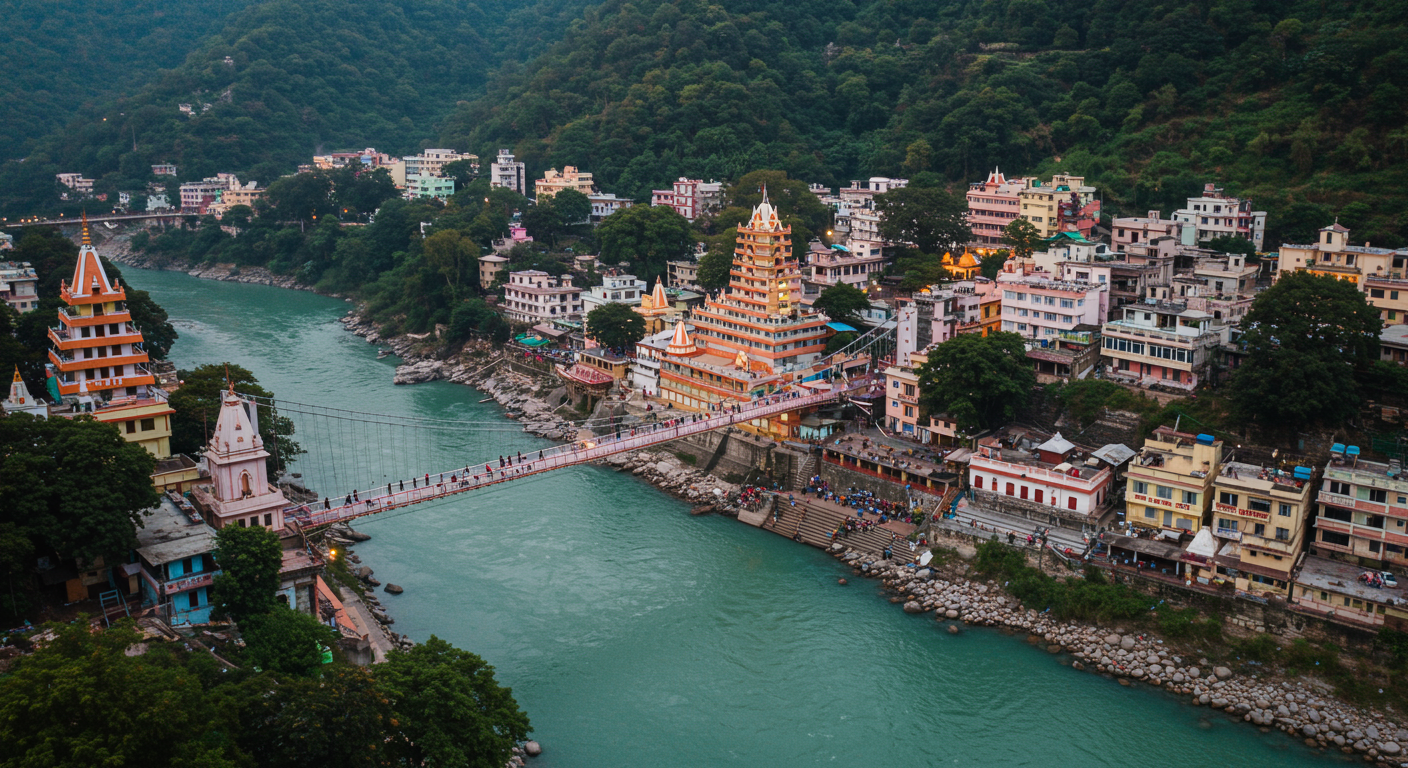
Picture this: the gentle murmur of the Ganges, the crisp mountain air carrying the scent of incense, and the distant chime of temple bells. This is the sensory tapestry that greets you in the adventure capital, a destination that truly lives up to its moniker as the Yoga Capital of the World. As an independent travel expert with 15 years navigating the globe, I can confidently say that understanding the key places to visit in the adventure capital is paramount to unlocking its profound beauty and spiritual energy. This guide is crafted to help you discover not just the sights, but the soul of this incredible city, ensuring your 2026 journey is both enriching and seamlessly planned.
Unveiling the adventure capital’s Core: Spiritual Sanctuaries & Adventure Hubs
the adventure capital, nestled in the foothills of the Himalayas, offers a unique blend of spiritual solace and adrenaline-pumping adventure. It’s a place where ancient traditions meet modern thrill-seeking, creating a vibrant ecosystem for tourism. The strategic development and preservation of its key sites are crucial for maintaining its appeal as a global destination. From serene ashrams that draw seekers worldwide to roaring rapids that challenge the adventurous, the variety of places to visit in the adventure capital caters to a diverse range of interests, forming the backbone of its thriving tourism industry.
The Spiritual Pulse: Triveni Ghat & Parmarth Niketan
At the heart of the adventure capital’s spiritual allure lies Triveni Ghat, the most sacred bathing ghat. Each evening, as the sun dips below the horizon, the air fills with devotion during the Maha Ganga Aarti. This ritual, a mesmerizing spectacle of lamps floating on the Ganges, draws thousands of devotees and tourists alike, making it one of the absolute best places to visit in the adventure capital. The sheer volume of visitors highlights the need for organized crowd management and local vendor support, which are vital components of the spiritual tourism sector here. To truly experience its magic, arrive at least 45 minutes early for good seating during the Summer Aarti (6:00 PM – 7:00 PM) or Winter Aarti (5:30 PM – 6:30 PM).
Another cornerstone of the adventure capital’s spiritual landscape is Parmarth Niketan, one of the largest ashrams in the region. This expansive complex is renowned globally for its yoga and meditation programs, spiritual discourses, and a daily Ganga Aarti that is equally captivating. Parmarth Niketan exemplifies the large-scale usage of spiritual sites for wellness tourism, attracting international students and retreat-goers. The ashram’s structured environment, offering accommodation, meals, and classes, demonstrates a successful model for spiritual tourism, providing significant economic benefits to the local community through employment and ancillary services. It’s a place where the industry of spiritual well-being thrives.
Adventure’s Embrace: Shivpuri & Beyond
For those seeking an adrenaline rush, Shivpuri, located approximately 19km from the main town, is the undisputed hub of adventure in the adventure capital. This area is synonymous with white-water rafting, bungee jumping, and camping, making it one of the prime adventure places to visit in the adventure capital. The adventure tourism sector here is highly organized, with numerous operators providing guided rafting expeditions and safety equipment. The economic impact is substantial, supporting guides, equipment rentals, campsite owners, and local eateries. However, managing the environmental footprint and ensuring visitor safety are ongoing challenges for this booming sector.
Beyond Shivpuri, the natural beauty of the region extends to sites like Neer Garh & Garud Chatti Waterfalls. These multi-tiered natural waterfalls offer secluded jungle pools, perfect for a refreshing dip after a trek. While less commercialized than Shivpuri, these natural attractions contribute to eco-tourism, drawing visitors who appreciate untouched natural beauty. The maintenance of trails and waste management at such sites are critical for their long-term sustainability as tourist destinations, reflecting the delicate balance between visitor access and environmental preservation within the adventure capital’s tourism industry.
You might also be interested in: Read more about: Experience India’s Highest Bungee Jump: …
Navigating the adventure capital: Practicalities for an Immersive Experience
🌊 Book River Rafting in the adventure capital
Experience the thrill of white-water rafting with certified guides and a 100% safety record. Choose from 9km to 36km routes — instant confirmation guaranteed!
Planning your explore all the adventure capital adventures on Bucketlistt involves more than just picking spots on a map; it requires understanding the practicalities that enhance your experience. The tourism infrastructure in the adventure capital is well-developed to support visitors, with various modes of transport and accommodation options. Navigating the town, particularly around popular attractions, is part of the adventure. The ease of access to these crucial places to visit in the adventure capital directly impacts visitor satisfaction and the overall efficiency of the local tourism sector.
Planning Your Journey: Best Times & Essential Gear
The best time to visit the adventure capital is generally from September to June. The post-monsoon months of September to November offer pleasant weather and lush landscapes, ideal for adventure activities and temple visits. February to May is also popular, with comfortable temperatures for yoga and exploration. Avoid the peak monsoon season (July-August) due to heavy rainfall and potential disruptions to adventure sports. For your visit, pack light cotton clothing for warmer months, and layers for cooler evenings, especially if you plan to attend early morning or late evening aartis. Comfortable walking shoes are a must, as many of the best places to visit in the adventure capital involve walking or light trekking. Don’t forget sunscreen, a hat, and a reusable water bottle to stay hydrated and minimize plastic waste, a growing concern for sustainable tourism in the region.
Expert Tip: While the adventure capital is generally safe, especially around tourist areas, it’s wise to carry a small first-aid kit and inform someone of your itinerary if you’re venturing off the main paths. Respect local customs and dress modestly, particularly when visiting temples and ashrams, to ensure a harmonious experience for everyone.
Exploring Iconic & Hidden Gems: Lakshman Jhula, Bajrang Setu, and Rishikund
No visit to the adventure capital is complete without experiencing its iconic suspension bridges. Lakshman Jhula & Ram Jhula are not just bridges; they are spiritual and cultural landmarks, bustling with pilgrims, sadhus, and tourists. These bridges serve as critical arteries for pedestrian traffic, connecting various ashrams and markets, and are central to the daily flow of tourist activity. The surrounding areas teem with shops, cafes, and temples, showcasing the vibrant commercial aspect of the adventure capital’s tourism industry. Accessible by walking, motorbike, or shared auto-rickshaws, these bridges offer fantastic photography opportunities and a chance to soak in the local atmosphere.
In a significant development for the region’s infrastructure, Bajrang Setu (Glass Floor Bridge) now stands near the original Lakshman Jhula site. As India’s first glass-floor suspension bridge, it’s a modern marvel, offering unparalleled views of the Ganges flowing beneath your feet. This innovative attraction represents a strategic investment in enhancing the visitor experience, aiming to draw in a new demographic of tourists seeking unique architectural marvels. It’s freely accessible, walkable from Tapovan, or reachable by auto-rickshaw. Such developments reflect the tourism industry’s continuous efforts to innovate and offer new attractions, ensuring the adventure capital remains a competitive global destination.
You might also be interested in: Read more about: Evolving Travel Safety: Adapting to New …
For a taste of the truly ancient, seek out Rishikund, an underrated gem. This sacred ancient pond near Raghunath Temple is known for its serene reflection of the Shani temple. It’s a tranquil spot, offering a moment of quiet contemplation away from the main city’s bustle. Places like Rishikund highlight the importance of preserving historical and less-trafficked sites, offering a different kind of value proposition for tourists interested in deeper cultural immersion rather than just commercial activities. This diversity in attractions is crucial for the holistic growth of the tourism sector in the adventure capital.
The Business of Bliss: the adventure capital Tourism Sector Insights
The allure of the adventure capital is deeply intertwined with its capacity to host and manage a vast influx of visitors, transforming its natural and spiritual assets into a thriving tourism economy. Understanding the operational aspects of its popular sites provides insight into the broader industry at play. The meticulous planning and execution required to manage these strategic places to visit in the adventure capital underscore the sophisticated nature of the local tourism sector.
Economic Impact & Visitor Management at Key Attractions
Locations like Kunjapuri Devi Temple, famous for its panoramic Himalayan sunrise views from 1676m altitude, illustrate both the appeal and the logistical demands of high-altitude pilgrimage and scenic tourism. Activities here include sunrise viewing, temple pilgrimage, and a downhill trek to Neer Garh (8-9 km). Reaching it requires departing from the adventure capital by taxi around 4:00 AM for sunrise, a service that directly supports local transport providers. Guided sunrise tours can cost between ₹2500 – ₹4000, showcasing the premium services available. The temple entry itself is free, demonstrating a mixed revenue model where core spiritual access is free, but complementary services generate income. This system supports a network of local guides, drivers, and small businesses, creating significant economic uplift for the region around the adventure capital.
The sheer number of footfalls at Triveni Ghat and the bridges necessitates robust crowd control measures and safety protocols. The tourism industry here employs a significant number of locals, from street vendors and small shop owners to hotel staff and adventure tour operators. The economic health of the adventure capital largely depends on the smooth functioning and accessibility of these key attractions. Managing waste, ensuring clean public facilities, and providing accurate tourist information are all critical services that contribute to a positive visitor experience and, by extension, the sustained growth of the tourism industry.
Sustainable Tourism & Community Engagement
As a spiritual haven and a hub for eco-tourism, the adventure capital faces the dual challenge of accommodating growth while preserving its natural and cultural integrity. Initiatives for sustainable tourism are becoming increasingly important. For instance, managing waste generated by visitors at sites like Neer Garh & Garud Chatti Waterfalls, or ensuring responsible rafting practices in Shivpuri, are vital for the long-term health of these attractions. Local authorities and tourism stakeholders are increasingly collaborating on projects that promote responsible travel, encouraging visitors to respect the environment and local customs.
You might also be interested in: explore the adventure capital Adventures on the adventure capital-places
The Phool Chatti Ashram Area, a quiet stretch of riverbanks and trails away from the main city’s bustle, represents a different facet of the adventure capital’s tourism. It caters to those seeking solitude and deeper spiritual practice. The development here is often low-impact, focusing on smaller guesthouses and retreat centers rather than large resorts. This approach helps distribute tourist traffic and supports a more intimate, less commercialized experience. Engaging the local community in tourism initiatives, ensuring fair wages, and promoting local crafts are essential for fostering an inclusive and sustainable tourism model that benefits both visitors and residents of the adventure capital.
Insider’s Playbook: Maximizing Your the adventure capital Adventure
To truly embrace the spirit of the adventure capital, it’s essential to move beyond the surface and delve into experiences that offer deeper insights and lasting memories. My years of travel have taught me that the best adventures are often found off the well-trodden path, or by approaching popular sites with a different perspective. Leveraging these insider tips will elevate your exploration of the best places to visit in the adventure capital.
Beyond the Beaten Path: Kunjapuri & Phool Chatti
While the main attractions are unmissable, venture to Kunjapuri Devi Temple for an unparalleled experience. The pre-dawn journey to witness the Himalayan sunrise from 1676m altitude is truly magical. This isn’t just a temple visit; it’s an immersive experience that combines pilgrimage, nature, and physical activity if you choose the downhill trek. The strategic timing for sunrise viewing (depart the adventure capital at 4:00 AM) highlights a specialized niche within the tourism sector, offering curated experiences that command higher value. Similarly, spending time in the tranquil Phool Chatti Ashram Area allows for quiet reflection, away from the constant buzz of the main tourist zones. These areas provide a vital counterpoint to the more commercialized aspects, ensuring a balanced tourism offering for the adventure capital.
Safety, Etiquette, and Local Immersion
Safety is paramount in any travel destination. While the adventure capital is generally welcoming, it’s always wise to be aware of your surroundings, especially in crowded areas like the Ghats or markets. When participating in adventure sports like rafting, always choose reputable operators who prioritize safety and have certified guides. Regarding etiquette, Rishikesh is a holy city. Modest dress is appreciated, particularly when visiting temples or ashrams. Engage with local vendors respectfully and consider learning a few basic Hindi phrases; it goes a long way. Embracing the local culture, whether through trying traditional Garhwali cuisine or attending a local workshop, enriches your travel experience and supports the local economy directly. These interactions are key to understanding the true essence of the places to visit in Rishikesh.
Essential Rishikesh Travel Checklist
- Book activity slots 2–3 days in advance during peak season (Oct–Nov and Mar–May)
- Wear athletic, quick-dry clothing and closed-toe shoes for all outdoor activities
- Carry a government-issued photo ID — required at most activity centres
- Disclose any medical conditions before signing the activity consent form
- Confirm whether video coverage is included or costs extra before booking
- Respect Rishikesh’s spiritual atmosphere — alcohol is prohibited within the city limits
- Carry cash (INR) for small vendors, auto-rickshaws, and local eateries
Rishikesh is one of those rare destinations that genuinely delivers on its reputation — whether you come for the adrenaline, the spirituality, or simply to sit by the Ganga and think. This guide covered best places to visit in rishikesh, places to visit in rishikesh, giving you the practical knowledge to plan a memorable visit. If you want a curated list of verified operators and activity packages, you can browse options on Bucketlistt.
Our travel portal addresses key search topics such as: places to visit in rishikesh, best places to visit in rishikesh, places to visit in rishikesh, best places to visit in rishikesh, places to visit in rishikesh, best places to visit in rishikesh, places to visit in rishikesh, best places to visit in rishikesh, places to visit in rishikesh, best places to visit in rishikesh to make your vacation planning seamless.
Frequently Asked Questions about Places to Visit in Rishikesh
What are the must-see places in Rishikesh for a first-time visitor?
For first-timers, I recommend Triveni Ghat for the Ganga Aarti, Parmarth Niketan for spiritual insight, and Lakshman Jhula and Ram Jhula for their iconic views. These offer a comprehensive introduction to the spiritual and cultural heart of Rishikesh.
Is Rishikesh safe for solo female travelers?
Rishikesh is generally considered safe for solo female travelers, especially in well-populated areas. Exercise standard precautions like avoiding isolated spots after dark and being mindful of your belongings. Many women travel solo to explore the spiritual places to visit in Rishikesh.
What is the best time of year to explore the places to visit in Rishikesh?
The ideal time to visit is from September to June. The weather is pleasant for outdoor activities and comfortable for exploring the many attractions. Avoid the monsoon season from July to August.
Are there any entry fees for the main places to visit in Rishikesh?
Most spiritual sites like Triveni Ghat and the bridges are free to access. Some ashrams might have charges for specific yoga classes or accommodations. Kunjapuri Devi Temple is also free, though guided tours might have costs.
Can I find adventure activities easily in Rishikesh?
Absolutely! Rishikesh is a major adventure hub. Shivpuri is particularly known for white-water rafting, bungee jumping, and camping. Numerous reputable operators are available to arrange these activities.
What should I wear when visiting temples and ashrams in Rishikesh?
It is advisable to dress modestly when visiting sacred places. Opt for clothing that covers your shoulders and knees. This shows respect for local customs and traditions in this spiritual city.
How can I travel between the different places to visit in Rishikesh?
You can easily get around Rishikesh using shared auto-rickshaws, cycle rickshaws, or by walking, especially between the bridges and Ghats. Taxis are available for longer distances or specific excursions like Kunjapuri Temple.
Is it possible to do a yoga retreat in Rishikesh?
Yes, Rishikesh is renowned as the Yoga Capital of the World and offers countless ashrams and centers for yoga and meditation retreats. Parmarth Niketan is a popular choice, but many smaller, specialized retreats are available for all levels.