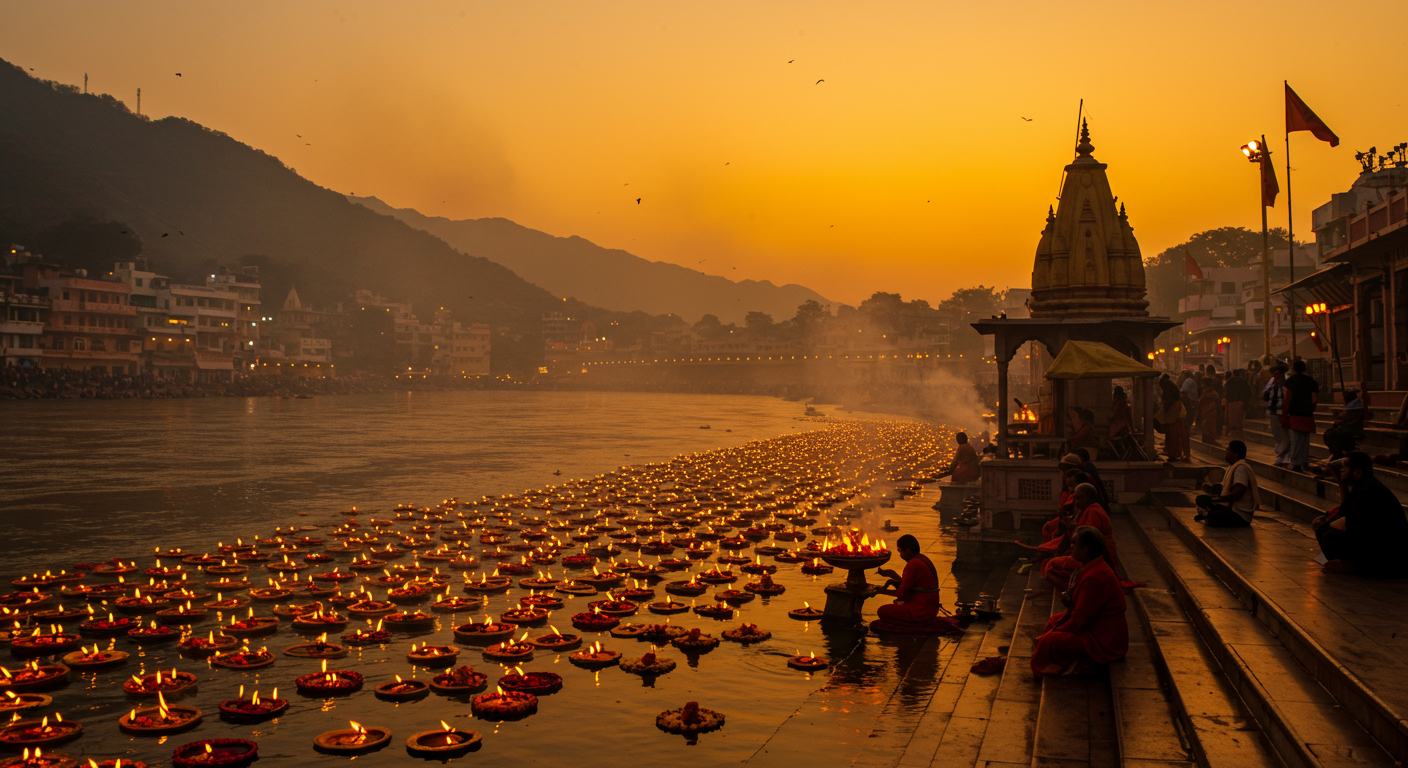
The crisp, cool air carries the distant chanting from ashrams, mingling with the gentle rush of the Ganges River. This is the unmistakable essence of Rishikesh, a place where spirituality isn’t just a practice, but a way of life. As an experienced traveller who has spent considerable time exploring the deep traditions and serene landscapes of this holy town, I’m here to share how you can truly experience the spiritual & cultural Rishikesh. Forget generic tourist traps; this guide will help you connect with the authentic rhythm of a city that has drawn seekers, yogis, and adventurers for centuries. We’ll dive into the ‘why’ and ‘how’ of navigating Rishikesh’s sacred sites, its vibrant cultural tapestry, and the quiet corners that hold profound peace. By the end of this article, you’ll have all the practical insights needed to plan a truly transformative journey to Rishikesh, ensuring you embrace its unique spirit.
Embracing the Spiritual & Cultural Rishikesh: Why It Matters
Rishikesh, nestled in the lap of the Himalayas and graced by the holy Ganges, is often hailed as the “Yoga Capital of the World.” But it’s so much more than just yoga studios. It’s a vibrant hub where ancient spiritual traditions thrive, offering a unique blend of devotion, heritage, and natural beauty. Understanding this deeper layer is key to unlocking the true essence of your visit to Rishikesh.
A Confluence of Devotion and Heritage
For centuries, Rishikesh has been a beacon for spiritual seekers. It’s believed that meditating here leads to salvation, and a dip in the Ganges cleanses all sins. This profound belief system has shaped the entire landscape of Rishikesh, from its numerous ashrams and temples to the daily rituals that unfold along the riverbanks. When you arrive, you’ll immediately feel a distinct energy – a palpable sense of peace and reverence. The town serves as a gateway to the Char Dham pilgrimage sites, making it a pivotal location for Hindu devotees. Exploring the spiritual & cultural Rishikesh means stepping into a living tradition, witnessing ceremonies like the Ganga Aarti, and understanding the philosophy that underpins daily life. For instance, the evening Ganga Aarti at Parmarth Niketan, one of the largest ashrams in Rishikesh, is not just a spectacle but a deeply moving collective prayer, uniting hundreds in devotion. The cost of a simple meal at a local eatery, like a thali, typically ranges from INR 150-300, reflecting the town’s accessible nature for all pilgrims and visitors.
Who Should Experience This Sacred Journey?
A journey to Rishikesh is ideal for a diverse range of travellers. If you are a yoga enthusiast, whether a beginner or an advanced practitioner, the town offers an unparalleled opportunity to deepen your practice, with countless ashrams and schools offering courses and drop-in classes. Spiritual seekers looking for introspection, meditation, and a connection to ancient wisdom will find solace in its serene environment and vibrant spiritual community. Adventure lovers can combine their spiritual quest with thrilling activities like white-water rafting or trekking in the nearby hills, making Rishikesh a truly versatile destination. Even those simply looking for a peaceful escape from the hustle and bustle of city life will appreciate the tranquil atmosphere and the soothing presence of the Ganges. Ultimately, anyone open to experiencing a different pace of life and immersing themselves in a rich cultural heritage will find profound value in a visit to Rishikesh. It’s truly one of the best spiritual & cultural Rishikesh experiences you can find in India.
You might also be interested in: Read more about: Experience Unforgettable Paragliding in …
Navigating the Best Spiritual & Cultural Rishikesh Experiences
To truly immerse yourself in the heart of Rishikesh, it’s essential to know where to go and what to see. Beyond the well-trodden paths, there are iconic landmarks that define the town’s spiritual identity and hidden gems that offer moments of profound tranquility. Planning your itinerary around these key spots will ensure you capture the essence of the spiritual & cultural Rishikesh.
Iconic Landmarks and Sacred Rituals
Your journey into the spiritual landscape of Rishikesh will undoubtedly begin with its iconic suspension bridges and revered temples.
- Laxman Jhula & Ram Jhula: These two majestic suspension bridges span the mighty Ganges, serving as vital arteries connecting temples, ashrams, and markets. Walking across them offers breathtaking views of the river, the surrounding hills, and the bustling spiritual life below. Laxman Jhula is often considered the older and more historically significant of the two, while Ram Jhula is known for its proximity to larger ashrams like Parmarth Niketan. Be prepared for playful monkeys and a constant stream of pilgrims and sadhus.
- Parmarth Niketan: As mentioned, this ashram is a cornerstone of Rishikesh’s spiritual life. Beyond the evening Ganga Aarti (which starts around 6:00 PM in winter and 7:00 PM in summer), Parmarth Niketan offers daily yoga classes, meditation sessions, and spiritual discourses. You can attend these activities, often for a nominal fee or donation, and even inquire about longer-term stays for a deeper immersion. Its serene gardens and riverside location make it a perfect spot for quiet contemplation.
Planning Your Visit to Rishikesh
Rishikesh rewards travellers who plan ahead. The best experiences — whether a dawn yoga session by the Ganges, white-water rafting on grade IV rapids, or an evening Ganga Aarti at Triveni Ghat — often require booking a day or two in advance during peak season (October–November and March–May). Arriving with a flexible itinerary and an open mind is the best way to make the most of what Rishikesh offers.
You might also be interested in: Explore Rishikesh Adventures on Bucketlistt
Whether you are travelling solo, as a couple, or with a group, Rishikesh offers activity formats for every type of traveller. Combo packages that bundle multiple activities are a cost-effective way to maximise your experience in a single day.
Booking adventure activities in Rishikesh at least 2–3 days in advance is strongly recommended during weekends and public holidays, when slots for bungee jumping, paragliding, and rafting fill up quickly.
Rishikesh’s position at the foothills of the Garhwal Himalayas gives it consistent river flow, reliable thermals for paragliding, and dramatic canyon geography for bungee jumping — all within a 20-kilometre radius of the city centre.
You might also be interested in: Explore Rishikesh Adventures on Bucketlistt
Rishikesh has a well-developed adventure tourism infrastructure with certified operators, trained guides, and safety equipment maintained to international standards — making it one of India’s safest adventure destinations.
Rishikesh is one of those rare destinations that genuinely delivers on its reputation — whether you come for the adrenaline, the spirituality, or simply to sit by the Ganga and think. This guide covered best spiritual & cultural rishikesh in rishikesh, spiritual & cultural rishikesh, spiritual & cultural rishikesh in rishikesh, giving you the practical knowledge to plan a memorable visit. If you want a curated list of verified operators and activity packages, you can browse options on Bucketlistt.
Frequently Asked Questions
What is the best time to visit Rishikesh for adventure activities?
The best time to visit Rishikesh for adventure sports is October to November and February to May. The weather is clear, the Ganges water level is ideal for rafting, and most outdoor operators are fully active. Avoid the July–September monsoon season when heavy rainfall suspends many river and outdoor activities.
Do I need prior experience for white-water rafting in Rishikesh?
No prior experience is required for most Rishikesh rafting stretches. The 9 km Brahmpuri to Rishikesh route is ideal for beginners with grade I–II rapids. The 16 km Marine Drive to Rishikesh route is suitable for first-timers who want a bit more excitement (grade III rapids). The 36 km Shivpuri stretch is recommended for those comfortable in water and seeking grade III–IV rapids.
Is Rishikesh safe for solo travellers?
Yes — Rishikesh is generally considered safe for solo travellers, including solo female travellers. The city is a popular destination with a strong tourist infrastructure, well-lit main roads, and a vibrant community of yoga and adventure seekers. As with any travel, stay aware of your surroundings, book activities through verified operators, and keep your accommodation details handy.
What are the must-visit places in Rishikesh besides adventure sports?
Beyond the adventure scene, Rishikesh has a rich cultural and spiritual side worth exploring. Triveni Ghat hosts a mesmerising Ganga Aarti ceremony every evening at sunset — free to attend and deeply moving. Laxman Jhula and Ram Jhula suspension bridges are iconic landmarks. The Beatles Ashram (Maharishi Mahesh Yogi’s old meditation campus) is a fascinating abandoned site now open to visitors. Nearby Neelkanth Mahadev Temple is a popular pilgrimage site about 32 km away.
How do I get from Rishikesh to the bungee jump or rafting starting point?
Most adventure activity start points are 15–30 km from Rishikesh town. Auto-rickshaws and shared taxis are available from Laxman Jhula and Ram Jhula areas. Many operators offer free or low-cost pickup from a central meeting point in Rishikesh — confirm this when booking. The drive through the Himalayan foothills is itself a scenic experience worth savouring.
What should I wear and bring for adventure activities in Rishikesh?
Wear comfortable, athletic clothing that you don’t mind getting wet. Closed-toe shoes (trainers or sandals with straps) are essential for rafting and trekking. Bring a valid photo ID, some cash in INR, a change of clothes, and a small waterproof bag for your phone and valuables. Sunscreen and a water bottle are important for longer activities.