Unveiling Rishikesh: Your Gateway to Authentic Flavors and Traditions
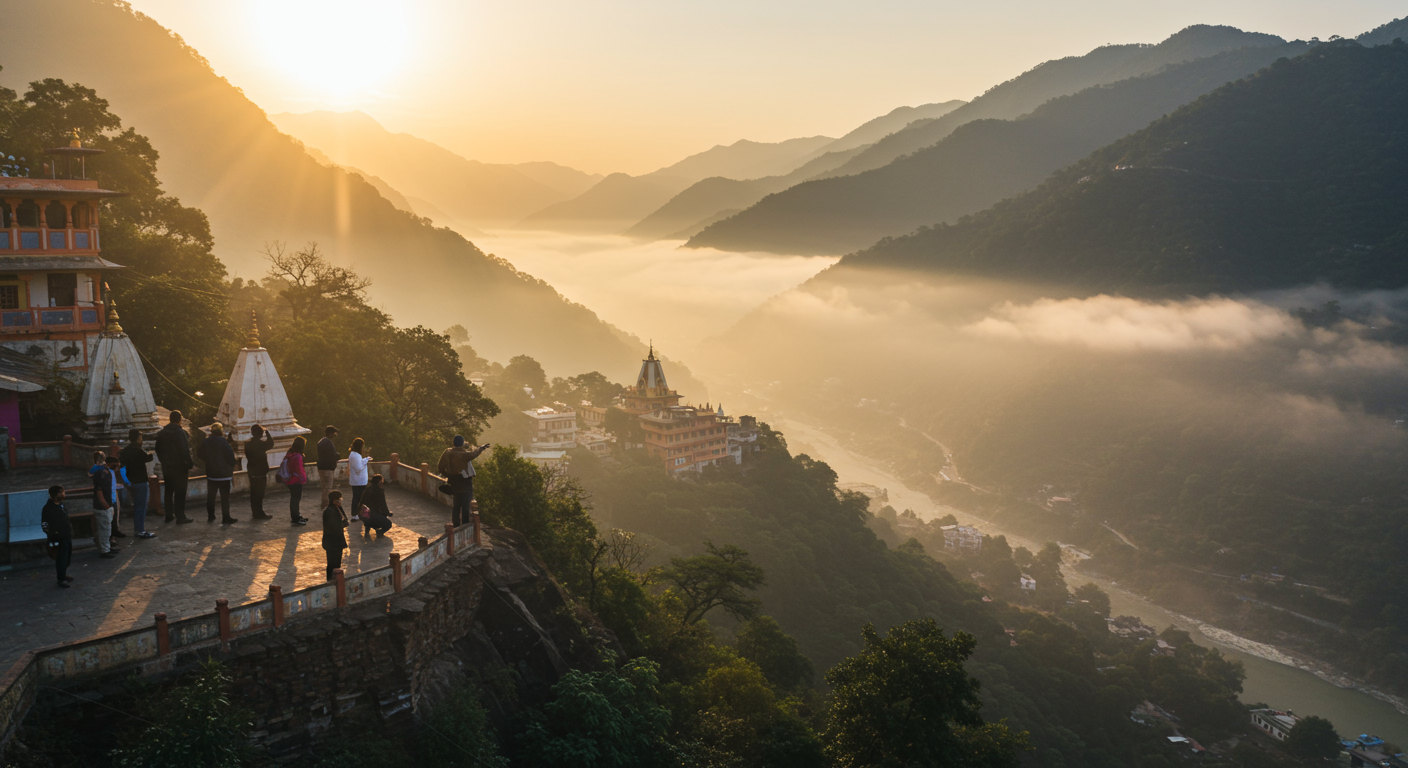
Imagine the gentle murmur of the Ganges, carrying the scent of incense and spices, as the sun dips behind the majestic Himalayas. This isn’t just a postcard; it’s the everyday reality of Rishikesh, a town that pulses with spiritual energy and surprisingly rich local flavors. Most travelers arrive seeking yoga and adventure, but the true magic often lies in discovering the authentic rishikesh food & local culture. As an experienced traveler who’s spent considerable time navigating its winding lanes and bustling ghats, I’ve learned that understanding the local rhythm and culinary landscape completely transforms your visit. This guide aims to answer all your practical questions, ensuring you don’t just see Rishikesh, but truly experience it, from its vibrant street food to its deeply rooted spiritual customs. We’ll delve into the best ways to explore the unique blend of spirituality and gastronomy that defines Rishikesh, helping you optimize your journey for a truly immersive experience.
Beyond the well-trodden paths of ashrams and rafting, there’s a world of sensory delights waiting. From the simple, soulful meals prepared with local ingredients to the intricate rituals that unfold daily on the riverbanks, the rishikesh food & local culture offers a profound connection to the heart of India. I’ll share insider tips on where to eat, what to try, and how to respectfully engage with the local traditions, ensuring your trip to Rishikesh in 2026 is as enriching as it is memorable. Get ready to explore the hidden gems and embrace the vibrant spirit of this extraordinary destination.
Savoring Rishikesh: The Heart of Its Culinary & Cultural Identity
Rishikesh, often hailed as the “Yoga Capital of the World,” is much more than just a haven for spiritual seekers. It’s a vibrant tapestry woven with ancient traditions, sacred rituals, and a distinctive culinary scene that reflects its spiritual ethos. Understanding and embracing the rishikesh food & local culture is paramount to truly appreciating this unique town nestled in the foothills of the Himalayas. The local cuisine, predominantly vegetarian and often sattvic (pure, wholesome), is a direct extension of its spiritual identity, emphasizing fresh, seasonal ingredients and simple, nourishing preparation. This focus on purity extends to the daily life, where rituals and community gatherings play a central role.
The cultural identity of Rishikesh is deeply intertwined with the Ganges River. The daily Ganga Aarti at Parmarth Niketan, for instance, isn’t just a ceremony; it’s a profound community experience that draws locals and visitors alike, showcasing the town’s spiritual heartbeat. Participating in such events, even as an observer, offers a glimpse into the devotional spirit that pervades every aspect of life here. The town’s small, bustling markets, filled with local crafts, Ayurvedic products, and fresh produce, are also key to understanding the authentic rishikesh food & local culture in rishikesh. Here, you’ll find not just goods, but also the warm hospitality and genuine interactions that define the local populace.
You might also be interested in: Read more about: A Comprehensive Guide to Rishikesh Food …
What to Expect from Rishikesh Food & Local Culture
When you arrive in Rishikesh, prepare for a culinary journey that prioritizes health and flavor. The food scene is strictly vegetarian and alcohol-free, aligning with its holy city status. Expect a delightful array of North Indian dishes, from hearty thalis to fluffy parathas, and a surprising variety of international vegetarian fare catering to the global influx of yogis. Local specialties include the traditional Garhwali cuisine, featuring dishes like ‘kafuli’ (spinach and fenugreek curry) and ‘fannah’ (lentil dish). Street food, while abundant, is generally safe if you choose popular, busy stalls – look for places where food is cooked fresh in front of you. A typical meal at a local eatery, like a thali with rice, roti, dal, and vegetables, might cost you around INR 150-300, making it incredibly accessible. Beyond food, expect to encounter a strong sense of community, evident in shared meals, yoga sessions, and the collective reverence for the Ganga. The best Rishikesh food & local culture in Rishikesh is often found in these communal settings.
Why Immersing in Local Rishikesh Culture Matters
Engaging with the local culture goes beyond mere sightseeing; it transforms your trip into an authentic experience. By trying local foods, you support small businesses and taste the true flavors of the region, often prepared with age-old recipes. By participating in or observing local customs, you gain a deeper understanding of the spiritual foundations that make Rishikesh unique. This immersion fosters respect and opens doors to genuine interactions with locals, who are often eager to share their way of life. It’s through these connections that you truly grasp the soul of Rishikesh. For instance, a visit to Vashishta Gufa, an ancient cave where sage Vashishta meditated, offers a profound sense of tranquility and historical depth that you won’t find in any guide book. Understanding the cultural significance of such places enriches your entire journey, providing insights into the spiritual heritage that shapes the rishikesh food & local culture.
Navigating Rishikesh’s Gastronomy and Cultural Hotspots
Embarking on a culinary and cultural exploration in Rishikesh requires a bit of planning to ensure you hit all the right notes. The town offers a diverse range of experiences, from bustling street food stalls to serene temple visits, all contributing to the rich tapestry of rishikesh food & local culture in rishikesh. Knowing where to go and what to expect can make all the difference, transforming a simple visit into a profound journey of discovery. I’ve found that the best way to approach this is to blend scheduled activities with spontaneous explorations, allowing for unexpected delights along the way. Your taste buds and your spirit will thank you for the effort.
When it comes to food, don’t be afraid to venture beyond your comfort zone. Some of the most memorable meals I’ve had in Rishikesh were at unassuming local dhabas (roadside eateries) or small cafes tucked away in the narrow lanes of Lakshman Jhula. These places often serve the most authentic dishes, prepared with fresh, locally sourced ingredients. Culturally, timing is everything. Attending the Ganga Aarti at sunset provides a completely different experience than visiting a temple during the quiet morning hours. By understanding these nuances, you can truly unlock the full potential of your trip, ensuring you experience the best Rishikesh food & local culture in Rishikesh.
You might also be interested in: Read more about: Navigating Travel Challenges with Emergi…
A Culinary Tour: Where to Find the Best Rishikesh Food & Local Culture
To truly experience the best Rishikesh food & local culture in Rishikesh, you need to know where to look. Here’s a practical guide to some must-try culinary and cultural spots:
- Street Food Delights: Head to the lanes around Lakshman Jhula and Ram Jhula. Look for vendors selling hot ‘aloo tikki’ (potato patties), ‘pani puri’ (hollow crispy balls with spicy water), and ‘chole bhature’ (chickpea curry with fried bread). Always check for freshness and high turnover.
- Ashram Kitchens: Many ashrams, including Parmarth Niketan, offer simple, wholesome meals. These are often sattvic, prepared with mindfulness, and incredibly nourishing. They provide a unique insight into the spiritual aspect of Rishikesh’s food culture.
- Local Cafes: While Rishikesh has many tourist-oriented cafes, seek out those that blend local flavors with a relaxed atmosphere. Try a ‘chai’ (spiced tea) from a street vendor or a fresh fruit lassi.
- Traditional Thalis: For an authentic Indian meal, find a local dhaba serving thalis. These platters offer a variety of dishes including dal, vegetables, rice, and roti, giving you a full taste of local cuisine for around INR 200-350.
- Sweet Treats: Don’t leave without trying ‘jalebi’ (fried sweet pretzels) or ‘gulab jamun’ (milk-solid-based sweets), often found at small sweet shops.
Remember, Rishikesh is a holy city, so all food is vegetarian. Embrace this aspect, and you’ll discover a world of delicious, plant-based cuisine.
Embracing Local Traditions: Practical Tips for Cultural Immersion
Engaging with the local culture respectfully and enthusiastically is key to a rewarding experience in Rishikesh. Here are some practical steps:
You might also be interested in: Explore Rishikesh Adventures on Bucketlistt
- Attend Ganga Aarti: The evening Aarti at Parmarth Niketan is a powerful spectacle of light, sound, and devotion. Arrive early (around 5:30 PM in winter, 6:30 PM in summer) to secure a good spot. Dress modestly, covering your shoulders and knees.
- Visit Temples: Explore ancient sites like the Neelkanth Mahadev Temple, located at 1330m, offering breathtaking panoramic views. Remember to remove your shoes before entering and maintain a respectful demeanor.
- Explore Underrated Gems: Discover places like Garud Chatti Waterfall, a hidden gem near the Neelkanth temple road, perfect for those seeking solitude and natural beauty. These lesser-known spots often provide more intimate cultural encounters. Vashishta Gufa, another serene location, offers a chance for quiet reflection away from the crowds.
- Learn Basic Phrases: A simple “Namaste” (hello/greeting) and “Dhanyawad” (thank you) in Hindi can go a long way in building rapport with locals.
- Dress Modestly: Rishikesh is a spiritual town. Both men and women should dress conservatively, especially when visiting temples or ashrams. This shows respect for local customs and beliefs.
- Bargain Respectfully: In local markets, bargaining is common but do so with a smile and good humor. Don’t be overly aggressive; remember a few rupees mean more to them than to you.
By following these tips, you’ll not only enjoy your trip but also gain a deeper appreciation for the unique rishikesh food & local culture that defines this sacred destination. These are some of the best solutions in Rishikesh for truly connecting with the place.
Insider’s Guide: Deepening Your Rishikesh Food & Local Culture Experience
Having explored Rishikesh extensively, I’ve gathered some insider knowledge that can elevate your trip from a typical tourist experience to a truly profound immersion in the rishikesh food & local culture. It’s about knowing the subtle rhythms of the town, understanding the local nuances, and seeking out experiences that aren’t always highlighted in standard guidebooks. These tips are designed to help you connect with the heart and soul of Rishikesh, ensuring you leave with memories that are rich and authentic.
One of the most important aspects is to embrace the unexpected. Rishikesh is a place where serendipitous encounters and spontaneous discoveries often lead to the most memorable moments. Whether it’s a conversation
Rishikesh is one of those rare destinations that genuinely delivers on its reputation — whether you come for the adrenaline, the spirituality, or simply to sit by the Ganga and think. This guide covered best rishikesh food & local culture in rishikesh, rishikesh food & local culture, rishikesh food & local culture in rishikesh, giving you the practical knowledge to plan a memorable visit. If you want a curated list of verified operators and activity packages, you can browse options on Bucketlistt.
Frequently Asked Questions
What is the best time to visit Rishikesh for adventure activities?
The best time to visit Rishikesh for adventure sports is October to November and February to May. The weather is clear, the Ganges water level is ideal for rafting, and most outdoor operators are fully active. Avoid the July–September monsoon season when heavy rainfall suspends many river and outdoor activities.
What are the must-visit places in Rishikesh besides adventure sports?
Beyond the adventure scene, Rishikesh has a rich cultural and spiritual side worth exploring. Triveni Ghat hosts a mesmerising Ganga Aarti ceremony every evening at sunset — free to attend and deeply moving. Laxman Jhula and Ram Jhula suspension bridges are iconic landmarks. The Beatles Ashram (Maharishi Mahesh Yogi’s old meditation campus) is a fascinating abandoned site now open to visitors. Nearby Neelkanth Mahadev Temple is a popular pilgrimage site about 32 km away.
Are there age or weight restrictions for activities in Rishikesh?
Yes — most operators have safety-based restrictions. Bungee jumping typically requires participants to be 12+ years old, weigh between 40–110 kg, and have no history of heart conditions or back problems. Rafting generally accepts ages 14+ on the standard routes. Paragliding requires a weight limit of around 100–110 kg maximum. Always check the specific operator’s requirements when booking.
What should I wear and bring for adventure activities in Rishikesh?
Wear comfortable, athletic clothing that you don’t mind getting wet. Closed-toe shoes (trainers or sandals with straps) are essential for rafting and trekking. Bring a valid photo ID, some cash in INR, a change of clothes, and a small waterproof bag for your phone and valuables. Sunscreen and a water bottle are important for longer activities.
Is Rishikesh safe for solo travellers?
Yes — Rishikesh is generally considered safe for solo travellers, including solo female travellers. The city is a popular destination with a strong tourist infrastructure, well-lit main roads, and a vibrant community of yoga and adventure seekers. As with any travel, stay aware of your surroundings, book activities through verified operators, and keep your accommodation details handy.
How do I get from Rishikesh to the bungee jump or rafting starting point?
Most adventure activity start points are 15–30 km from Rishikesh town. Auto-rickshaws and shared taxis are available from Laxman Jhula and Ram Jhula areas. Many operators offer free or low-cost pickup from a central meeting point in Rishikesh — confirm this when booking. The drive through the Himalayan foothills is itself a scenic experience worth savouring.