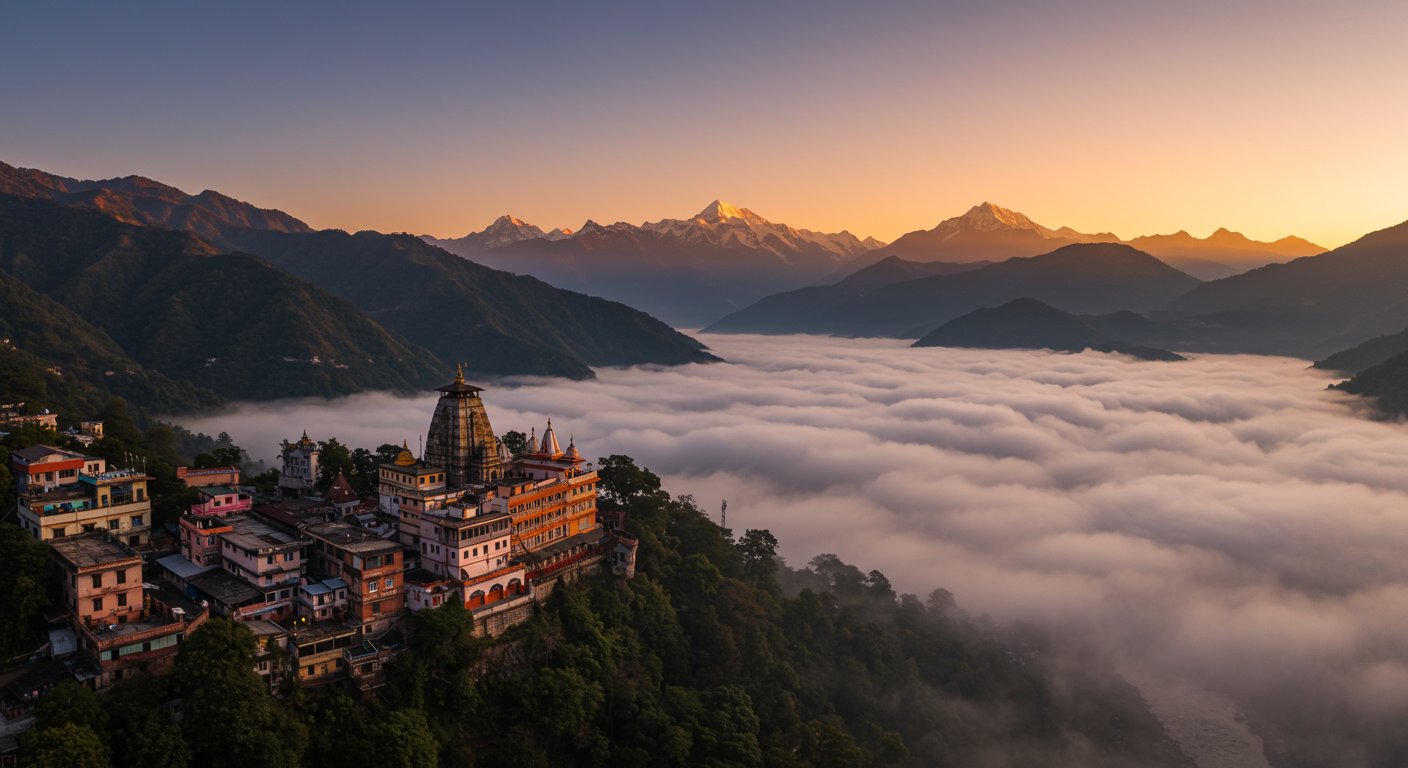
Imagine the crisp mountain air, the gentle roar of the Ganges, and the distant chants echoing from ancient ashrams. This isn’t just a dream; it’s the everyday reality in the yoga Capital of the World. As an independent travel expert with over 15 years of experience, I’ve seen firsthand how crucial timing is to crafting an unparalleled journey. Understanding the best time to visit the adventure capital isn’t merely about avoiding rain or crowds; it’s about optimizing your entire experience, from spiritual immersion to adventure sports, and appreciating the intricate dynamics of its thriving tourism sector. Planning your trip strategically ensures not only your personal enjoyment but also a more sustainable and beneficial interaction with the local economy and environment.
My goal is to guide you through the seasonal nuances of this sacred city, empowering you to make an informed decision that aligns with your travel aspirations and contributes positively to the destination. Whether you seek profound tranquility, exhilarating adventure, or cultural festivities, knowing the best time to visit the adventure capital will profoundly shape your itinerary and memories. Let’s delve into how seasonal variations impact everything from visitor flow to the operational strategies of local businesses, ensuring you make the most of your spiritual sojourn on the banks of the holy Ganges.
Understanding the adventure capital’s Seasonal Dynamics: A Sector-Wide Perspective
The flow of tourism in this spiritual heartland of India is deeply intertwined with its distinct seasons. Each period presents unique operational challenges and opportunities for the local industry, from hospitality providers to adventure sports operators and spiritual retreat centers. Recognizing these patterns helps you, the discerning traveler, navigate your visit more effectively while also understanding the broader economic pulse of the region.
Peak Season: Maximizing Tourism Revenue and Visitor Flow
Generally, the period from October to March is considered the best time to visit the adventure capital for most tourists. The weather is pleasantly cool and dry, making it ideal for sightseeing, trekking, yoga, and white-water rafting. This influx of visitors translates directly into maximized revenue streams for the local tourism sector. Hotels operate at near-full capacity, local guides are in high demand, and businesses ranging from cafes to handicraft shops thrive. For travelers, this means a vibrant atmosphere, a full roster of activities, and a wide array of services. However, it also brings higher prices for accommodation and activities, increased crowd density at popular spots like Parmarth Niketan for the Ganga Aarti, and a greater environmental footprint. From an industry perspective, managing this high volume requires robust infrastructure, efficient resource allocation, and careful crowd control strategies to maintain service quality and visitor satisfaction.
Off-Season Opportunities: Sustainability and Infrastructure Development
The monsoon season (July to September) and the peak summer months (April to June) are typically considered the off-peak periods. While these times might not always be the best time to visit the adventure capital for conventional tourism due to heavy rains or intense heat, they offer a different set of opportunities. For the tourism sector, the off-season is crucial for maintenance, staff training, and strategic planning. Resorts undergo renovations, rafting operators service their equipment, and ashrams might host specialized, smaller retreats. This period allows for the development and implementation of sustainable tourism practices, reducing the strain on natural resources and local communities during peak times. For the traveler, the off-season can mean significantly lower prices, fewer crowds, and a uniquely tranquil experience, especially during the lush green monsoons when Neer Garh Waterfall flows with exceptional vigor. It’s a chance to witness the adventure capital in a more authentic, less commercialized state, offering deeper cultural immersion for those who prioritize solitude and local interaction over bustling activity.
You might also be interested in: Read more about: Capture Your BUCKETLISTT: Soaring High w…
Choosing Your Ideal Window: Practical Considerations for Visitors
🌊 Book River Rafting in the adventure capital
Experience the thrill of white-water rafting with certified guides and a 100% safety record. Choose from 9km to 36km routes — instant confirmation guaranteed!
Deciding when to embark on your journey to the adventure capital involves weighing your personal preferences against the seasonal realities. Each period offers a distinct flavor of the city, influencing everything from your packing list to the activities available. Let’s break down the practical aspects to help you pinpoint your perfect travel window.
Weather, Activities, and Festival Calendars
The climate in the adventure capital varies significantly throughout the year, directly impacting the types of activities you can enjoy.
- Autumn (October-November): Widely regarded as the best time to visit the adventure capital. The post-monsoon air is fresh, the Ganges flows strongly, and the weather is perfect for white-water rafting, trekking, and yoga. Festivals like Diwali often fall during this period, adding a vibrant cultural dimension to your trip.
- Winter (December-February): Cool and crisp, with daytime temperatures ranging from 8°C to 20°C. Mornings and evenings can be quite chilly. This is ideal for spiritual retreats, meditation, and yoga, with fewer crowds than late autumn. Rafting is still popular, but you’ll need warmer gear.
- Spring (March-April): Pleasant temperatures (15°C to 30°C) make this another excellent window for all activities, including the famous International Yoga Festival in March, which draws thousands globally. The vibrancy of spring makes it a compelling candidate for the best time to visit the adventure capital for many.
- Summer (May-June): Hot and humid, with temperatures often exceeding 35°C. Adventure activities like rafting become less appealing, and outdoor yoga can be challenging. However, it’s a good time for budget travelers seeking lower prices and fewer crowds. Higher altitude temples like Neelkanth Mahadev Temple offer some respite from the heat.
- Monsoon (July-September): Heavy rainfall transforms the landscape into lush greenery, but also brings risks of landslides and disrupts adventure sports. Rafting is typically closed during this period due to high water levels. This is a time for quiet introspection, Ayurvedic treatments, and experiencing a different, more subdued side of the adventure capital.
Budgeting and Operational Costs: Impact on the Traveler
The season you choose will have a direct bearing on your travel budget. During peak seasons (October-March and the International Yoga Festival in March), demand for accommodation, guides, and popular activities like rafting and bungee jumping drives prices up. Hotels and guesthouses often operate with dynamic pricing models, reflecting the high demand. Flights and train tickets to nearby Dehradun or Haridwar also tend to be more expensive and book out quickly. Conversely, traveling during the monsoon or peak summer can lead to substantial savings. Many establishments offer discounted rates to attract visitors, and you might find more flexibility in booking last-minute. However, be mindful that some seasonal businesses, particularly adventure sports operators, may be closed during these times due to weather conditions. Therefore, while the cost benefits are clear, the range of available activities might be limited, which is a key factor when considering the best time to visit the adventure capital for specific interests.
Navigating the adventure capital: Insider Tips for Every Season
Beyond the general climate, a truly optimized visit to the adventure capital requires a deeper understanding of local nuances. As someone who has spent considerable time exploring this sacred city, I can offer insights that go beyond typical travel guides, ensuring a richer and more authentic experience.
You might also be interested in: read more about: Best Restaurants & Cafes in the adventure capital
Essential Gear and Local Etiquette
Packing wisely is paramount for a comfortable and respectful visit. During the peak season (October-March), layered clothing is advisable – light wear for daytime activities and warm jackets or shawls for chilly evenings, especially if attending the Ganga Aarti at Parmarth Niketan. Comfortable walking shoes are a must, as you’ll be exploring ghats, temples, and perhaps even some forest trails. For summer, light, breathable cotton clothing is essential, along with a wide-brimmed hat and plenty of sunscreen. Monsoon demands waterproof jackets, sturdy umbrellas, and footwear with good grip to navigate slippery paths. Regardless of the season, modest attire is always recommended, particularly when visiting temples or ashrams. Covering shoulders and knees is a sign of respect. Remember to remove your shoes before entering religious sites.
“Engaging with the local culture respectfully is as important as choosing the right season. A simple ‘Namaste’ and an open heart will enhance every interaction in the adventure capital.”
When considering the best time to visit the adventure capital, also factor in local customs. Photography near temples or during religious ceremonies should be done discreetly, if at all permitted. Bargaining in local markets is common, but always do so politely and with a smile. Supporting local artisans and small businesses directly benefits the community and contributes to the sustainable growth of the tourism sector.
Exploring the adventure capital’s Gems: Temples, Waterfalls, and Caves
the adventure capital is rich with spiritual and natural wonders, each offering a unique experience depending on the season.
- Neelkanth Mahadev Temple: Situated at 1330m, this ancient temple is accessible via a scenic drive or a challenging trek. During peak season, the trek is a rewarding experience with pleasant weather. In monsoon, the surrounding landscape is incredibly lush, but the paths can be slippery. Summer offers cooler temperatures at this altitude, making it a good escape from the city heat.
- Neer Garh Waterfall: A series of three beautiful waterfalls, easily accessible via a short hike. The waterfall is most impressive during and immediately after the monsoon (July-October) when water levels are high, creating a spectacular cascade. During drier months, it’s still a lovely spot for a refreshing dip, though the flow might be reduced.
- Parmarth Niketan: One of the largest ashrams, known for its spiritual atmosphere and daily Ganga Aarti. The Aarti is a mesmerizing experience year-round, but attending during the cooler months (October-March) is more comfortable, especially for evening ceremonies, and it’s a popular choice for those seeking the best time to visit the adventure capital for spiritual immersion.
- Vashishta Gufa (Cave): An ancient meditation cave on the banks of the Ganges. This serene spot is best visited during cooler, drier months (October-April) for a peaceful and comfortable meditation experience. The journey to the cave along the river is also more enjoyable during these times.
- Jhilmil Gufa: A group of three caves near Neelkanth temple, known for deep meditation. Similar to Vashishta Gufa, the ideal time for visiting these caves is during the pleasant weather of autumn and winter, allowing for uninterrupted introspection in a cool, quiet environment.
Safety, Logistics, and Sustainable Practices
Ensuring your explore all the adventure capital adventures on Bucketlistt is both enjoyable and responsible involves careful consideration of safety, logistical planning, and an understanding of how your presence impacts the local ecosystem and community. This holistic approach is vital for any traveler seeking a meaningful experience.
You might also be interested in: explore Rishikesh Adventures on Rishikesh-places
Health and Well-being Across Seasons
Your health and safety should always be a top priority. During the summer months, dehydration and heatstroke can be concerns; always carry sufficient water and wear light clothing. The monsoon season, while visually stunning, brings with it increased humidity and a higher risk of waterborne diseases. It’s advisable to consume bottled water, eat freshly cooked food, and carry insect repellent. For those planning adventure sports, such as white-water rafting, ensure you book with Bucketlistt safety guidelines who prioritize safety and provide proper equipment. The best time to visit Rishikesh for adventure sports, generally October to April, also corresponds to periods when these operators are in full swing and highly experienced. Always inform someone of your itinerary, especially if you plan to trek or explore remote areas. Local medical facilities are available, but for serious conditions, you might need to travel to larger cities like Dehradun.
Supporting Local Tourism and Responsible Travel
As an independent traveler, your choices have a significant impact on the local economy and environment. Opting for locally owned guesthouses, eating at small family-run restaurants, and purchasing goods from local artisans directly supports the community of Rishikesh. Engage with local guides for treks or spiritual insights; their knowledge is invaluable and their livelihood depends on tourism. Minimize your environmental footprint by avoiding single-use plastics, properly disposing of waste, and respecting natural sites. The local administration and tourism bodies are increasingly focusing on sustainable tourism practices, especially during peak seasons when the pressure on resources is highest. By choosing your travel dates thoughtfully, you can help distribute tourism traffic more evenly throughout the year, reducing overcrowding and allowing for better resource management. This mindful approach ensures that Rishikesh remains a pristine and welcoming destination for generations to come, regardless of when you decide is the best time to visit Rishikesh for your personal journey.
Rishikesh is one of those rare destinations that genuinely delivers on its reputation — whether you come for the adrenaline, the spirituality, or simply to sit by the Ganga and think. This guide covered best time to visit rishikesh, giving you the practical knowledge to plan a memorable visit. If you want a curated list of verified operators and activity packages, you can browse options on Bucketlistt.
Our travel portal addresses key search topics such as: best time to visit rishikesh, best time to visit rishikesh, best time to visit rishikesh, best time to visit rishikesh, best time to visit rishikesh, best time to visit rishikesh, best time to visit rishikesh, best time to visit rishikesh, best time to visit rishikesh, best time to visit rishikesh to make your vacation planning seamless.
Frequently Asked Questions about the Best Time to Visit Rishikesh
What is the absolute best time to visit Rishikesh for all activities?
The period from October to November and then March to April is generally considered the absolute best time to visit Rishikesh for a balanced experience, offering pleasant weather for both spiritual pursuits and adventure sports. You’ll find ideal conditions for rafting, trekking, yoga, and temple visits during these months.
Is Rishikesh safe for solo female travelers?
Rishikesh is generally considered safe for solo female travelers, especially in popular areas. It’s always advisable to exercise caution, avoid isolated areas after dark, and dress modestly. Many ashrams and yoga centers offer secure accommodation, making it a popular destination for women seeking spiritual journeys.
What is Rishikesh like during the monsoon season?
During monsoon (July-September), Rishikesh transforms into a lush green paradise, but heavy rainfall can disrupt travel plans and adventure activities like rafting are closed. It’s a serene time for introspection and Ayurvedic treatments, with fewer crowds and lower prices, though not typically the best time to visit Rishikesh for adrenaline junkies.
How much does a trip to Rishikesh typically cost?
The cost of a trip to Rishikesh varies widely based on season, accommodation, and activities. A budget traveler might spend ₹1,500-₹3,000 per day, while mid-range travelers could expect ₹4,000-₹8,000. Luxury experiences can exceed ₹10,000 daily, especially during the best time to visit Rishikesh.
Are there any specific festivals or events to consider when planning a visit?
Absolutely! The International Yoga Festival in March is a major draw, attracting yogis globally. Diwali (October/November) brings vibrant celebrations. Maha Shivaratri (February/March) is also a significant spiritual event. Aligning your visit with these can greatly enhance your experience, making it the best time to visit Rishikesh for cultural immersion.
What are the best outdoor activities to do in Rishikesh and when?
White-water rafting and bungee jumping are best from October to April. Trekking to places like Neelkanth Mahadev Temple is ideal during the cooler, dry months of October-March. Yoga and meditation are practiced year-round, but the pleasant weather of spring and autumn makes it the best time to visit Rishikesh for outdoor sessions.
What should I wear when visiting temples and ashrams in Rishikesh?
When visiting temples and ashrams, it is respectful to wear modest clothing that covers your shoulders and knees. Loose-fitting cotton clothes are comfortable and appropriate. Always remember to remove your shoes before entering any religious premises.
How far in advance should I book accommodation for Rishikesh?
For peak season travel (October-March), especially around festivals or the International Yoga Festival, it’s highly recommended to book accommodation at least 3-6 months in advance. During the off-season, 1-2 months should suffice, but booking early still secures better options. This ensures you find the perfect stay during the best time to visit Rishikesh.