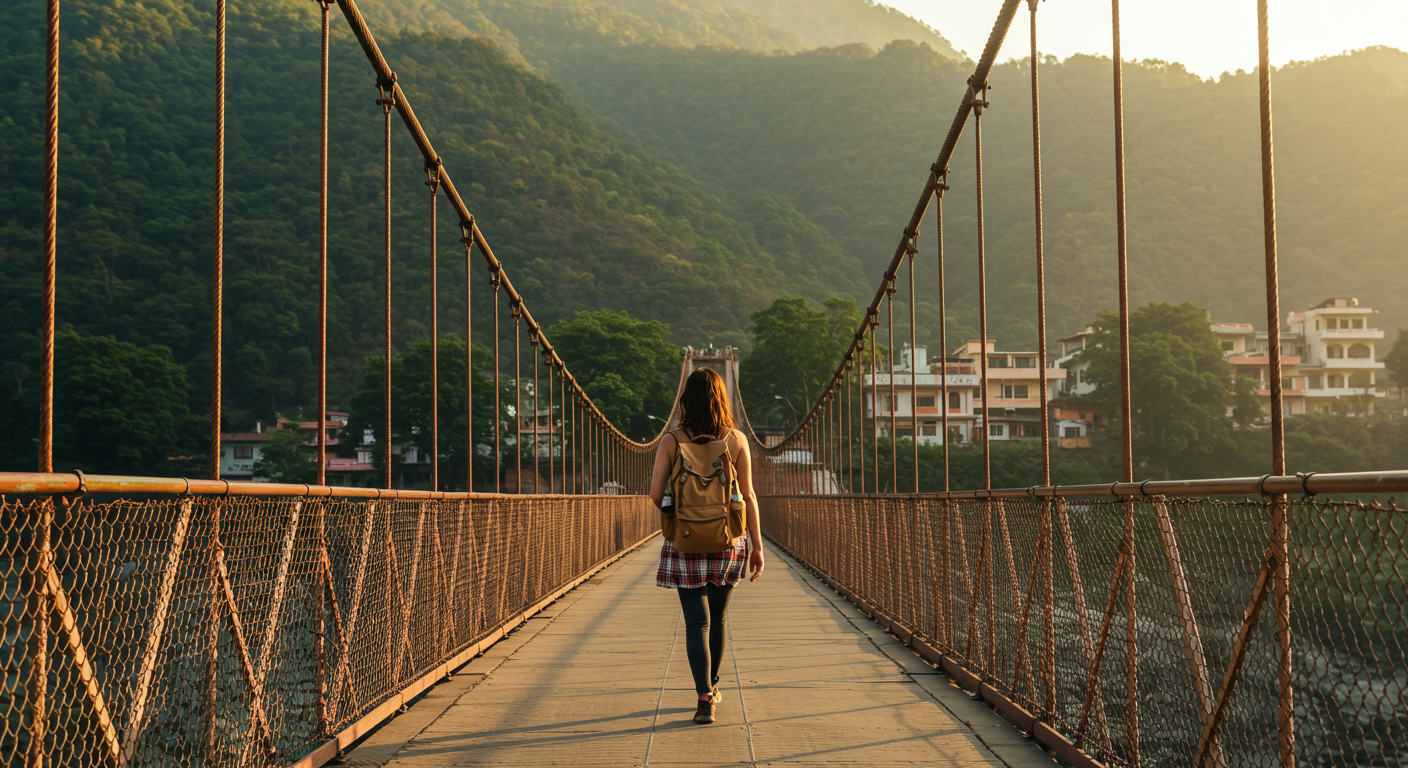
Imagine the crisp mountain air, the sacred Ganges flowing gently, and the distant chants echoing from ashrams. This is the immersive experience that awaits travelers in the adventure capital, a destination renowned globally for its spiritual serenity and adventure sports. For those planning a journey to this unique locale, understanding the best time to visit the adventure capital is not just about personal comfort; it’s about discerning the broader industry dynamics that shape the visitor experience, resource allocation, and local economic impact. As an expert in travel and tourism, I’ve observed firsthand how seasonal variations profoundly influence the operational landscape of this vibrant riverside town.
The tourism sector in the adventure capital, much like any other, operates within predictable cycles dictated by climate, cultural events, and global travel trends. Identifying the best time to visit the adventure capital involves a strategic analysis of these patterns, allowing both travelers and industry stakeholders to optimize their plans. From managing accommodation demand to understanding the peak season for adventure tourism or the spiritual influx during major festivals, every period offers distinct opportunities and challenges. This guide will delve into these industry shifts, providing a practical framework for anyone looking to engage with the adventure capital, whether as a visitor or an industry observer, ensuring a fulfilling and insightful experience in 2026 and beyond.
Understanding the adventure capital’s Seasonal Tourism Economy
The tourism economy of the adventure capital is a fascinating case study in seasonal variability. It’s a destination that caters to diverse segments: spiritual seekers drawn to its ashrams and yoga centers, adventure enthusiasts flocking for white-water rafting and trekking, and cultural tourists eager to witness the Ganga Aarti. Each season brings a unique set of conditions that directly impact operational costs, visitor volume, and the types of services in demand. For instance, the demand for spiritual retreats sees a significant surge during cooler, drier months, while adventure sports operators thrive when river levels are optimal after the monsoon.
From an industry perspective, recognizing these seasonal shifts is crucial for sustainable development. Hoteliers, tour operators, and local businesses adjust their staffing, pricing, and service offerings to align with anticipated visitor flows. The “best time” is therefore multifaceted, reflecting not just ideal weather but also the desired travel experience and its associated industrial footprint. This strategic alignment ensures that the adventure capital continues to be a top-tier destination while managing its environmental and cultural resources effectively.
Peak Season: Unpacking Demand and Infrastructure Strain
The period from October to March is widely considered the peak season for tourism in the adventure capital. During these months, the weather is pleasantly cool and dry, making it ideal for sightseeing, yoga, meditation, and exploring the numerous ashrams. From an industry standpoint, this translates into maximum occupancy rates for hotels, higher demand for yoga teacher training courses, and a bustling atmosphere around iconic spots like Triveni Ghat and the Laxman Jhula & Ram Jhula bridges. This concentration of visitors, while economically beneficial, also places considerable strain on local infrastructure, including transportation, waste management, and water resources. Businesses often increase their prices during this time, reflecting the high demand and operational intensity. Travelers should expect higher costs for accommodation and activities, and it’s essential to book everything well in advance.
You might also be interested in: Read more about: Responsible Tourism: A Complete Guide to…
Expert Tip: “During the adventure capital’s peak season, the sheer volume of visitors can transform the tranquil atmosphere into a vibrant, yet crowded, hub. While the energy is palpable, those seeking deeper solitude might find early mornings or late evenings offer a more reflective experience, particularly around the sacred Ganges.”
Off-Peak and Shoulder Seasons: Opportunities and Challenges
Conversely, the summer months (April to June) and the monsoon season (July to September) represent the adventure capital’s off-peak and shoulder seasons. Summers are hot, with temperatures often soaring, deterring many. The monsoon brings heavy rainfall, making outdoor activities challenging and river rafting often suspended due to high water levels and safety concerns. From an industry perspective, these periods present both challenges and opportunities. Hotels and guesthouses offer significant discounts, aiming to maintain a baseline occupancy. For adventure tourism, the monsoon can temporarily halt operations, but the post-monsoon period often brings ideal conditions for river rafting and trekking, as the landscape turns lush and green. This is also the time when places like Neer Garh Waterfall are at their most spectacular, attracting a different kind of visitor. For those prioritizing budget travel or a quieter, more introspective journey, these seasons can be the best time to visit the adventure capital, offering a chance to engage with the local culture without the crowds.
Strategic Planning: Optimizing Your the adventure capital Experience
🌊 Book River Rafting in the adventure capital
Experience the thrill of white-water rafting with certified guides and a 100% safety record. Choose from 9km to 36km routes — instant confirmation guaranteed!
Strategic planning is paramount for any visit to the adventure capital, especially when considering the fluctuating industry landscape. Your personal preferences—be it spiritual immersion, adrenaline-pumping activities, or simply tranquil contemplation—will dictate what constitutes the best time to visit the adventure capital for you. Understanding the typical weather patterns, local events, and industry service availability for each period allows for a more tailored and satisfying trip. This section will guide you through the practical steps of preparing for your journey, ensuring you align your expectations with the realities of the season.
Navigating Seasonal Activities and Attire
The activities available in the adventure capital vary significantly with the seasons, directly impacting what you should pack and plan for. Here’s a breakdown:
You might also be interested in: Read more about: Explore Freely: BUCKETLISTT Scooty Renta…
- October to March (Winter/Spring): This is the prime season for yoga, meditation, and spiritual retreats. The weather is cool, requiring warm clothing, especially for evenings and early mornings. Layering is key. River rafting is in full swing, and trekking to spots like Jhilmil Gufa or Vashishta Gufa is highly enjoyable. Expect comfortable conditions for exploring the town and participating in Ganga Aarti at Triveni Ghat.
- April to June (Summer): Summers are hot. Light cotton clothing is essential. While spiritual activities continue, outdoor exploration during midday can be strenuous. River rafting might still be operational in early summer but with lower water levels. This is a good time for those who enjoy warmer weather and want to avoid crowds, though the heat can be intense.
- July to September (Monsoon): The monsoon transforms the adventure capital into a lush, green paradise, but heavy rains can disrupt travel and activities. Waterproof jackets, umbrellas, and sturdy, water-resistant footwear are a must. River rafting is typically suspended for safety reasons. However, the misty, spiritual atmosphere appeals to some, and waterfalls like Neer Garh Waterfall are spectacular. It’s a period of introspection, ideal for indoor yoga and meditation, often with fewer tourists.
Always check the local weather forecast closer to your travel dates for the most accurate information.
Budgeting and Safety Protocols for Each Season
Cost and safety are critical considerations influenced by the time of year you choose to visit the adventure capital. During the peak season (October-March), demand-driven pricing means higher costs for flights, accommodation, and sometimes even local transportation and tours. Budget travelers might find better deals during the shoulder or off-peak seasons. Conversely, safety protocols can also shift. During the monsoon, risks associated with flash floods, landslides, and slippery terrain increase, particularly for trekking and river-based activities. It’s imperative to heed local advisories and choose reputable operators who prioritize safety.
Here’s a checklist for optimizing your budget and ensuring safety:
- Book Ahead in Peak Season: Secure accommodations and activities months in advance to avoid inflated prices and ensure availability.
- Leverage Off-Season Deals: Explore package deals and discounts offered by hotels and tour operators during summer and monsoon.
- Travel Insurance: Always consider comprehensive travel insurance, especially if planning adventure activities or traveling during the monsoon.
- Local Guides: For treks to places like Jhilmil Gufa or Vashishta Gufa, especially in less-traveled seasons, hiring a local guide is highly recommended for safety and local insights.
- Health Precautions: Stay hydrated in summer. During monsoon, be mindful of hygiene and mosquito-borne diseases.
Insider Tips for an Enriched the adventure capital Journey
Beyond the general seasonal guidelines, there are insider tips that can significantly enhance your experience in the adventure capital, helping you navigate the nuances of this sacred city. These insights stem from a deep understanding of local rhythms and industry best practices, ensuring you connect with the authentic spirit of the Yoga Capital of the World.
You might also be interested in: explore the adventure capital Adventures on the adventure capital-places
Experiencing Local Festivals and Events
Timing your visit with local festivals can offer an incredibly rich cultural experience, but it’s important to understand their impact on the tourism industry. Major events like the International Yoga Festival (typically in March) or Diwali (October/November) draw massive crowds, leading to peak demand for services and potentially crowded conditions. While these are truly special times to witness Rishikesh at its most vibrant, they require meticulous planning and early bookings. Smaller, local festivals, often tied to lunar cycles or specific temples, can provide a more intimate glimpse into local life without the overwhelming tourist influx. Researching the local calendar for 2026 can unveil unique opportunities for cultural immersion that align with your preferred travel style and the best time to visit Rishikesh for you.
Sustainable Tourism Practices and Community Engagement
As an independent traveler, embracing sustainable tourism practices is crucial, especially in a culturally sensitive and ecologically significant region like Rishikesh. This means choosing eco-friendly accommodations, respecting local customs and traditions, minimizing waste, and supporting local businesses. Engaging with the community, perhaps by participating in a local cooking class or volunteering, not only enriches your experience but also contributes directly to the local economy and fosters a more positive industry footprint. Understanding that your choices as a traveler have a direct impact on the local industry and environment is key to responsible tourism. Always remember to maintain the sanctity of the Ganges and its surroundings, whether you are observing the Ganga Aarti at Triveni Ghat or simply enjoying the riverside tranquility.
For those seeking unique experiences, consider visiting the lesser-known but equally profound Vashishta Gufa, an ancient cave perfect for deep meditation, or the adventurous trek to Jhilmil Gufa. These sites offer a different perspective of Rishikesh, often less crowded and more conducive to personal reflection, depending on the season. The local knowledge you gain from guides or residents can transform a good trip into an extraordinary one, revealing hidden gems and authentic experiences far from the usual tourist trails.
Rishikesh is one of those rare destinations that genuinely delivers on its reputation — whether you come for the adrenaline, the spirituality, or simply to sit by the Ganga and think. This guide covered best time to visit rishikesh, giving you the practical knowledge to plan a memorable visit. If you want a curated list of verified operators and activity packages, you can browse options on Bucketlistt.
Our travel portal addresses key search topics such as: best time to visit rishikesh, best time to visit rishikesh, best time to visit rishikesh, best time to visit rishikesh, best time to visit rishikesh, best time to visit rishikesh, best time to visit rishikesh, best time to visit rishikesh, best time to visit rishikesh, best time to visit rishikesh to make your vacation planning seamless.
Frequently Asked Questions about Best Time to Visit Rishikesh
When is the absolute best time to visit Rishikesh for ideal weather?
The absolute best time to visit Rishikesh for ideal weather is from October to March. During these months, the weather is pleasantly cool and dry, perfect for all activities including yoga, sightseeing, and adventure sports.
Is Rishikesh safe for solo female travelers?
Yes, Rishikesh is generally considered safe for solo female travelers. However, like any travel destination, it’s advisable to exercise caution, especially after dark, and to dress modestly in public places. Stick to well-lit and populated areas.
What should I wear when visiting Rishikesh?
For October to March, pack layers including warm clothing for evenings. During summer (April-June), light cotton clothes are essential. For monsoon (July-September), waterproofs and sturdy footwear are recommended. Always dress modestly, especially when visiting temples or ashrams.
How much does a trip to Rishikesh cost?
The cost of a trip to Rishikesh varies widely based on season, accommodation, and activities. Budget travelers can spend around $20-40 USD per day, while mid-range can be $50-100 USD, and luxury upwards of $150 USD. Prices are higher during the peak season when it’s the best time to visit Rishikesh for many.
Can I do river rafting in Rishikesh year-round?
No, river rafting in Rishikesh is typically closed during the monsoon season (July to September) due to high water levels and safety concerns. The season usually runs from October to June, with varying river conditions throughout. Always check with local operators for current status.
What is the significance of the Ganga Aarti at Triveni Ghat?
The Ganga Aarti at Triveni Ghat is a sacred Hindu ritual performed daily at sunset to worship the Ganges River. It involves lamps, chants, and offerings, creating a deeply spiritual and mesmerizing experience. It’s a must-see cultural event for visitors to Rishikesh.
Are there any quiet places to meditate away from the crowds?
Absolutely. While popular spots can be busy, you can find tranquility at places like Vashishta Gufa, an ancient cave on the Ganges banks, or Jhilmil Gufa near Neelkanth temple. Visiting during the shoulder season can also provide a quieter environment in Rishikesh.
What local transport options are available in Rishikesh?
In Rishikesh, local transport includes auto-rickshaws, shared taxis, and scooters for rent. Walking is also a popular way to explore the main areas around the bridges and ghats. For longer distances or specific treks, private taxis can be arranged.