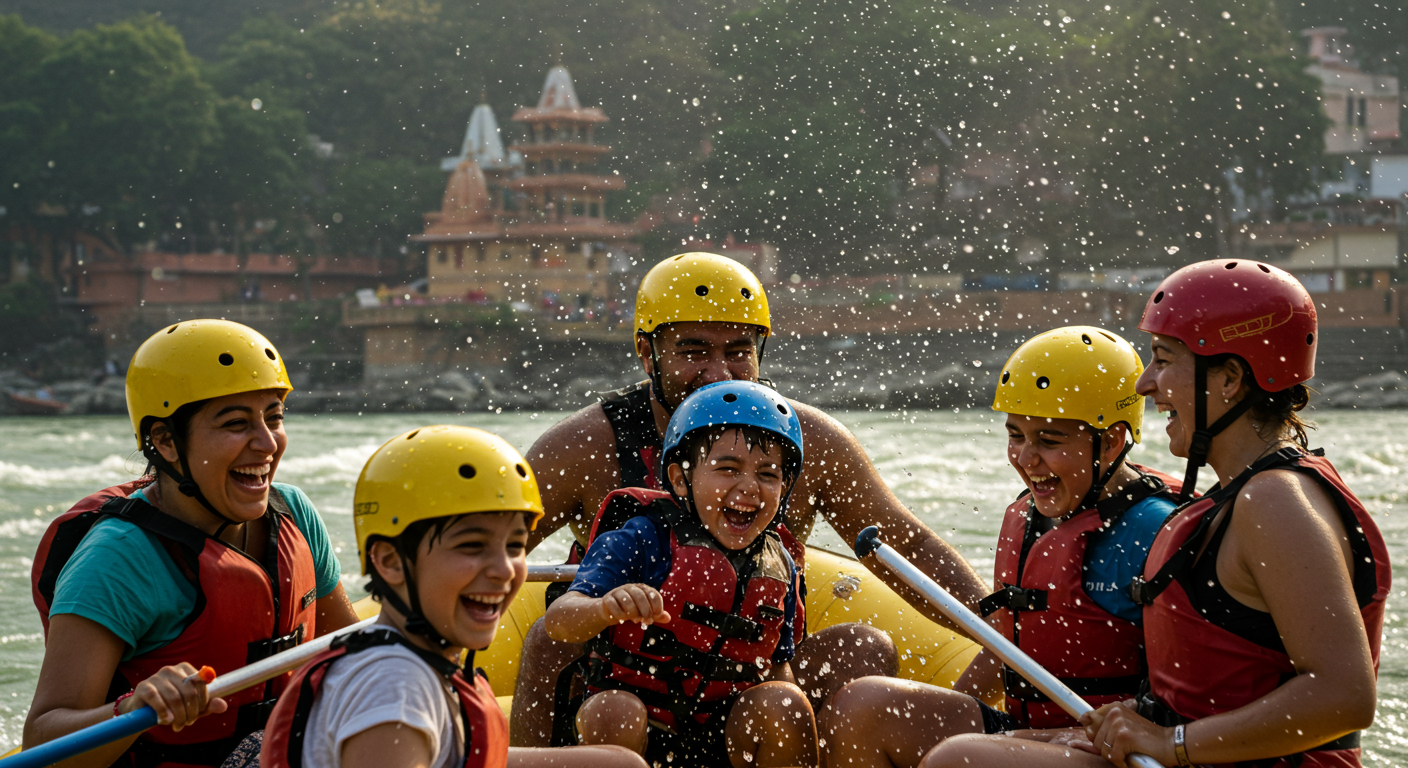
Imagine the crisp, cool air on your skin as you stand on the banks of the sacred Ganges, the gentle murmur of the river a constant companion. Sunlight, still soft from its ascent, casts a golden glow on ancient temples and the surrounding emerald hills. This is the essence of the adventure capital, a town that beckons with spiritual serenity, invigorating adventure, and a profound sense of peace. For many, a trip to this Uttarakhand gem is not just a vacation, but a journey of self-discovery and rejuvenation. Understanding the best time to visit the adventure capital is paramount to unlocking its full potential, ensuring your investment in time and resources yields the most rewarding experience. This guide will equip you with the knowledge to navigate the seasons and make informed decisions for an unforgettable sojourn.
Choosing the right time to visit can dramatically influence your experience, from the comfort of the weather to the availability of activities and the overall atmosphere. the adventure capital, nestled in the foothills of the Himalayas, experiences distinct seasonal variations, each offering a unique charm. Whether you seek the vibrant energy of festivals, the tranquility of the off-season, or the perfect balance of pleasant weather for yoga and exploration, there’s a window for every traveler’s needs. This practical guide delves into the nuances of each season, providing actionable insights to help you plan your pilgrimage to this spiritual hub.
Understanding the adventure capital’s Climate and Seasonal Flow
The allure of the adventure capital lies not only in its spiritual significance but also in its picturesque setting and the restorative power of its natural environment. Situated at the gateway to the Garhwal Himalayas, its climate is largely influenced by its altitude and proximity to the mountains. The town experiences three primary seasons: winter, summer, and monsoon. Each season brings its own set of advantages and considerations for visitors. For those planning an immersive experience, understanding these climatic shifts is the first step to securing the best time to visit the adventure capital.
The transition between these seasons is often marked by subtle yet significant changes in temperature, humidity, and rainfall, impacting everything from the vibrancy of the local flora to the crowds at popular spiritual sites. For instance, the pre-monsoon months can bring about a pleasant warmth, ideal for outdoor activities, while the post-monsoon period offers clear skies and comfortable temperatures, perfect for trekking and exploring the numerous ashrams. The local economy, heavily reliant on tourism and spiritual pursuits, also sees a fluctuation in activity throughout the year, affecting accommodation prices and the availability of guides.
The Nuances of the Winter Season (October to February)
Winter in the adventure capital is characterized by cool to cold temperatures, with clear, sunny days and chilly nights. The average daytime temperature hovers around 15-20°C (59-68°F), while nights can dip to 5-10°C (41-50°F). This period, particularly from October to December, is often considered the best time to visit the adventure capital for many travelers due to the pleasant weather, making it ideal for sightseeing, yoga retreats, and attending the vibrant Ganga Aarti at Triveni Ghat. The air is crisp, offering excellent visibility for the surrounding Himalayan vistas.
However, it’s crucial to pack warm clothing, including sweaters, jackets, and thermals, especially if you plan to venture into higher altitudes or stay out late. January and February can be quite cold, with occasional fog. Despite the chill, the spiritual energy of the adventure capital is palpable during these months. The town hosts numerous yoga and meditation retreats, attracting a global audience seeking solace and spiritual growth. The clear skies also make it a favorable time for adventure sports like white-water rafting, provided the water levels are suitable.
You might also be interested in: Read more about: Unlock Wilderness Comfort: Your Essentia…
The Transition to Summer and Pre-Monsoon (March to May)
As spring arrives, the adventure capital begins to warm up. March marks the beginning of the summer season, with temperatures gradually rising. By April and May, the mercury can climb to 30-35°C (86-95°F), making it quite hot, especially during the afternoons. While this period might not be ideal for extensive outdoor exploration for some, it can be a good time for those who prefer warmer weather and fewer crowds. The evenings offer some respite, becoming more pleasant for leisurely walks along the ghats or enjoying local cuisine.
This period also sees the landscape bloom, with the surrounding hills turning lush green. It’s an excellent time for indoor activities, delving deeper into yoga and meditation practices within ashrams, or visiting the cooler, higher altitudes nearby. The pre-monsoon showers, which can start in late May, often bring a welcome coolness. For those sensitive to extreme heat, it might be better to avoid the peak summer months of April and May. However, for budget travelers, this shoulder season can offer competitive prices on accommodation and services, making it a strategic choice if heat is not a deterrent.
Navigating the Monsoon and Post-Monsoon Periods
🌊 Book River Rafting in the adventure capital
Experience the thrill of white-water rafting with certified guides and a 100% safety record. Choose from 9km to 36km routes — instant confirmation guaranteed!
The monsoon season in the adventure capital typically runs from June to September. During these months, the town receives considerable rainfall, which can be heavy at times. While the rain brings life to the parched earth, transforming the landscape into a vibrant green paradise, it can also lead to disruptions. Roads may become waterlogged, and outdoor activities like trekking and white-water rafting might be suspended due to safety concerns and increased river currents. The humidity levels are high, and the constant dampness can be uncomfortable for some.
However, the monsoon also brings a unique charm. The waterfalls, like Neer Garh Waterfall, become more powerful and majestic. The spiritual atmosphere deepens, with fewer tourists, allowing for a more intimate experience at temples and ashrams. For dedicated spiritual seekers and those who appreciate the dramatic beauty of nature during rainfall, the monsoon can be a surprisingly rewarding time. It is essential to check weather forecasts and local conditions regularly if you plan to visit during this period. The best time to visit the adventure capital for those seeking solitude and a deeply spiritual connection without the hustle and bustle might even be during these wetter months, provided they are prepared for the climate.
Following the monsoon, from September to November, the adventure capital enters its post-monsoon phase. This is often hailed as one of the most idyllic times to visit. The skies clear, the air becomes fresh, and the temperatures are pleasant, typically ranging from 20-25°C (68-77°F) during the day. The humidity drops, and the natural beauty is at its peak, with the landscape still lush and green from the rains. This period offers the perfect balance for a wide range of activities, from exploring the ancient Neelkanth Mahadev Temple to participating in yoga intensifies and enjoying the serene riverbanks. It is an excellent time for both spiritual pursuits and adventure tourism, making it a prime candidate for the best time to visit the adventure capital for most travelers.
Optimizing Your Visit: Practical Tips and Considerations
When planning your trip, consider the specific purpose of your visit. If your primary goal is to attend yoga festivals or participate in intensive yoga teacher training programs, the post-monsoon (September to November) and the early winter months (October to December) are generally ideal, offering a conducive environment for learning and practice. The weather is stable, and the spiritual atmosphere is vibrant.
You might also be interested in: Read more about: Crafting Unforgettable Family Adventures…
For adventure enthusiasts looking to experience white-water rafting, the post-monsoon season (September to November) is particularly excellent, as the river levels are high but manageable, and the weather is pleasant. Summer months can also be good for rafting, but the heat might be a factor for other activities. If you are seeking tranquility and a deeper connection with the spiritual heart of the adventure capital, consider visiting during the shoulder seasons – the pre-monsoon (March to May, avoiding peak heat) or the post-monsoon (September to November). These times offer fewer crowds and a more serene ambiance.
What to Pack: Dressing for the Seasons
Packing appropriately is key to a comfortable and enjoyable trip. During the winter months (October to February), layers are essential. Pack warm sweaters, jackets, thermals, a scarf, and gloves. Comfortable walking shoes are a must, as you’ll likely be doing a lot of exploring on foot. For the summer and pre-monsoon months (March to May), light cotton clothing, breathable fabrics, and sun protection (hats, sunglasses, sunscreen) are crucial. Loose-fitting garments are best for staying cool.
During the monsoon season (June to September), waterproof attire is indispensable. A good quality umbrella, a raincoat or waterproof jacket, and quick-drying footwear are highly recommended. Evenings can still be cool, so carrying a light jacket or shawl is advisable. Regardless of the season, comfortable, modest clothing is always appreciated, especially when visiting religious sites. For women, carrying a scarf or shawl to cover their heads and shoulders when entering temples is a good practice. It’s also wise to pack a basic first-aid kit, insect repellent, and any personal medications.
Budgeting Your Trip: Costs and Savings
The cost of visiting the adventure capital can vary significantly depending on the season, your accommodation choices, and the activities you engage in. Peak season, typically from October to March, sees higher prices for flights and hotels due to increased tourist influx. To save money, consider visiting during the shoulder seasons, such as the pre-monsoon (March to May) or post-monsoon (September to November). While the monsoon season (June to September) might offer the lowest prices, it comes with the caveat of potential weather disruptions.
Accommodation ranges from budget-friendly guesthouses and ashram stays to mid-range hotels and luxury resorts. Ashram stays are often the most economical option and provide a deeply immersive spiritual experience. Food is generally affordable, with local eateries and street food offering delicious and inexpensive meals. For activities like yoga classes, meditation sessions, and adventure sports, prices can vary. Booking packages that include accommodation, meals, and activities can sometimes offer better value. Researching and comparing prices in advance is always recommended to make the best time to visit the adventure capital also the most budget-friendly.
You might also be interested in: explore the adventure capital Adventures on the adventure capital-places
Safety and Local Etiquette
the adventure capital is generally a safe destination for travelers, but it’s always wise to exercise caution. Be aware of your surroundings, especially in crowded areas, and keep your valuables secure. When engaging in adventure sports like white-water rafting, always choose reputable operators with certified guides. For solo female travelers, it’s advisable to dress modestly, avoid walking alone late at night in deserted areas, and be mindful of local customs and traditions.
Respecting local customs and religious practices is paramount. Dress modestly when visiting temples and ashrams, and remove your footwear before entering. The Ganga Aarti at Triveni Ghat is a deeply spiritual ceremony; observe it with reverence. Avoid consuming alcohol or non-vegetarian food in public places, as the adventure capital is a holy city. Learning a few basic Hindi phrases can also be helpful and is often appreciated by locals. Being mindful of these simple guidelines will ensure a respectful and enriching cultural exchange, enhancing your overall experience of the adventure capital.
Exploring the adventure capital’s Hidden Gems and Underrated Spots
Beyond the well-trodden paths, the adventure capital holds several tranquil havens that offer a more intimate connection with its spiritual and natural essence. The Phool Chatti Ashram Area, situated a bit further upstream from the main town, provides a serene stretch of riverbanks and quiet trails. It’s a perfect spot for contemplation, away from the bustling crowds, allowing for a more profound experience of the Ganges and the surrounding peace. This area is ideal for those seeking quietude and a chance to reconnect with nature and oneself.
Another gem is Vashishta Gufa (Cave), an ancient cave on the banks of the Ganges where the sage Vashishta is said to have meditated for years. The atmosphere within the cave is profoundly peaceful and conducive to meditation. The journey to the cave itself is scenic, often involving a short trek. Visiting this sacred site offers a glimpse into the deep spiritual history of Rishikesh and provides a unique opportunity for introspection. Exploring these underrated spots can significantly enhance your understanding of the town’s spiritual depth, especially when you visit during the best time to visit Rishikesh for a peaceful exploration.
Essential Rishikesh Travel Checklist
- Book activity slots 2–3 days in advance during peak season (Oct–Nov and Mar–May)
- Wear athletic, quick-dry clothing and closed-toe shoes for all outdoor activities
- Carry a government-issued photo ID — required at most activity centres
- Disclose any medical conditions before signing the activity consent form
- Confirm whether video coverage is included or costs extra before booking
- Respect Rishikesh’s spiritual atmosphere — alcohol is prohibited within the city limits
- Carry cash (INR) for small vendors, auto-rickshaws, and local eateries
Rishikesh is one of those rare destinations that genuinely delivers on its reputation — whether you come for the adrenaline, the spirituality, or simply to sit by the Ganga and think. This guide covered best time to visit rishikesh, giving you the practical knowledge to plan a memorable visit. If you want a curated list of verified operators and activity packages, you can browse options on Bucketlistt.
Our travel portal addresses key search topics such as: best time to visit rishikesh, best time to visit rishikesh, best time to visit rishikesh, best time to visit rishikesh, best time to visit rishikesh, best time to visit rishikesh, best time to visit rishikesh, best time to visit rishikesh, best time to visit rishikesh, best time to visit rishikesh to make your vacation planning seamless.
Frequently Asked Questions about the Best Time to Visit Rishikesh
Frequently Asked Questions about the Best Time to Visit Rishikesh
What is the absolute best month to visit Rishikesh?
The absolute best month to visit Rishikesh is typically October or November. During this post-monsoon period, the weather is pleasant, skies are clear, and the landscape is lush and green, offering ideal conditions for exploration and spiritual activities.
Is it a good idea to visit Rishikesh during the monsoon season?
Visiting Rishikesh during the monsoon (June to September) can be a unique experience for those seeking solitude and appreciating dramatic natural beauty. However, heavy rainfall can lead to disruptions, and some adventure activities might be suspended. It’s best suited for resilient travelers.
What kind of temperatures can I expect in Rishikesh during winter?
Winter in Rishikesh (October to February) is cool to cold. Daytime temperatures usually range from 15-20°C (59-68°F), while nights can drop to 5-10°C (41-50°F). It’s advisable to pack warm clothing for comfortable exploration.
Are there many tourists in Rishikesh during the peak season?
Yes, Rishikesh experiences a significant influx of tourists during its peak season, which generally spans from October to March. If you prefer a quieter experience, consider visiting during the shoulder seasons or monsoon.
What should I wear if I visit Rishikesh in summer?
During the summer months (March to May), pack light, breathable cotton clothing. Loose-fitting garments, sun hats, sunglasses, and sunscreen are essential to cope with the heat. Comfortable walking shoes are also a must.
Can I do white-water rafting in Rishikesh year-round?
White-water rafting in Rishikesh is generally best enjoyed from September to June. The post-monsoon season (September to November) offers excellent conditions with high but manageable water levels. During the monsoon, rafting may be suspended due to safety concerns.
Is it safe for solo female travelers to visit Rishikesh?
Rishikesh is considered a relatively safe destination for solo female travelers. However, it’s always recommended to exercise common sense, dress modestly, avoid walking alone late at night, and choose reputable tour operators for activities.
What are some spiritual sites I must visit in Rishikesh?
Key spiritual sites include the sacred Triveni Ghat for the evening Ganga Aarti, the ancient Neelkanth Mahadev Temple offering panoramic views, and numerous ashrams like Parmarth Niketan and Sivananda Ashram. Exploring Vashishta Gufa provides a profound meditative experience.