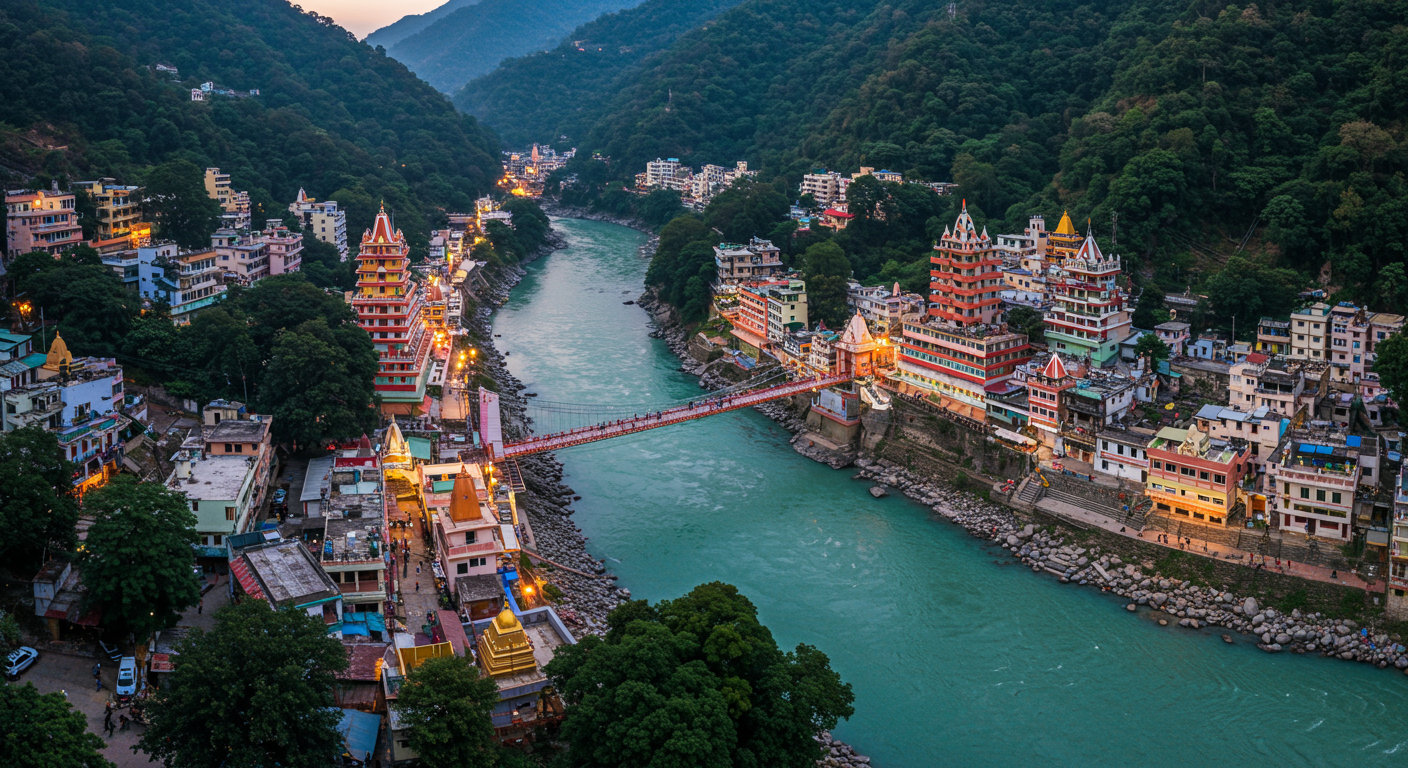
The first light of dawn over the Himalayas, painting the sky with hues of orange and pink, as the sacred Ganges flows serenely below – this is the magic that greets you in Rishikesh. Beyond the postcards, this ancient town, nestled in the foothills of the Himalayas, holds a profound energy. It’s a place where spirituality meets adventure, where ancient traditions blend seamlessly with a vibrant, modern buzz. For anyone planning a journey to this unique destination, understanding the diverse places to visit in Rishikesh is paramount to crafting an unforgettable experience. This guide will cut through the noise, offering practical, expert advice on how to truly immerse yourself in the best Rishikesh has to offer, ensuring you make the most of every moment.
Exploring the Spiritual & Adventurous Heart of Rishikesh
Rishikesh, often dubbed the “Yoga Capital of the World,” offers a multifaceted experience. It’s not just a collection of temples and ashrams; it’s a living, breathing testament to India’s spiritual heritage, intertwined with thrilling outdoor pursuits. When considering the best places to visit in Rishikesh, you’re looking at a spectrum from tranquil meditation caves to adrenaline-pumping river rafting. This section delves into what makes these sites significant and who they’re best suited for, helping you tailor your itinerary.
What to Expect from Rishikesh’s Iconic Landmarks
The spiritual pulse of Rishikesh is most palpable around its iconic ghats and ashrams. Triveni Ghat stands as the most sacred bathing spot, famous for its powerful Maha Ganga Aarti. Arriving early, around 45 minutes before the Aarti, is a must if you wish to secure a good viewing spot, especially in peak season. The collective chanting and synchronized lamp offerings create an electrifying atmosphere that resonates deeply. Nearby, the majestic Lakshman Jhula & Ram Jhula suspension bridges are more than just crossings; they are cultural arteries connecting temples, ashrams, and markets. Walking across them, with the Ganges flowing beneath and the mountains in the distance, is an experience in itself. Expect bustling crowds, street vendors, and the occasional troop of playful monkeys. For a deeper spiritual dive, Parmarth Niketan, one of the largest ashrams, offers daily yoga, meditation, and a beautiful evening Aarti that draws thousands. It’s a complete immersion into yogic life and a truly transformative experience for many.
Who Is It Best For? Tailoring Your Rishikesh Adventure
Rishikesh caters to a wide array of travelers. If your soul seeks peace and introspection, the ashrams and meditation centers are your calling. Aspiring yogis will find countless schools offering courses for all levels. For history buffs and music lovers, The Beatles Ashram (Chaurasi Kutia) offers a unique glimpse into a pivotal moment in music history, with its graffiti-covered ruins and meditation domes providing a surreal backdrop for exploration and photography. Adventure seekers will revel in the opportunities for white-water rafting, bungee jumping, and trekking. Families will appreciate the blend of cultural experiences with gentle nature walks and the vibrant markets. Even the most discerning travelers will find best quality in Rishikesh when it comes to spiritual retreats and adventure sports, provided they choose reputable operators. Many experts in Rishikesh can guide you through these diverse activities, ensuring a safe and enriching journey.
You might also be interested in: Read more about: Your Essential Guide to Rishikesh Tra…
“Rishikesh isn’t just a destination; it’s an awakening. The blend of spiritual calm and vibrant energy offers something profound for every soul, whether you seek inner peace or outer thrills.”
Navigating Rishikesh: Your Practical Step-by-Step Guide
🌊 Book River Rafting in Rishikesh
Experience the thrill of white-water rafting with certified guides and a 100% safety record. Choose from 9km to 36km routes — instant confirmation guaranteed!
Planning a explore all Rishikesh adventures on Bucketlistt requires a bit of foresight to ensure a smooth and enjoyable experience. From choosing the right season to understanding local transport and etiquette, this section breaks down the practicalities, helping you navigate the various places to visit in Rishikesh with ease.
Essential Preparations & What to Pack
The best time to visit Rishikesh is from September to November and from February to May. The winter months (December-January) are cool and pleasant, ideal for spiritual pursuits, while summer (June-August) can be hot, though the monsoon transforms the landscape into lush greenery. Avoid monsoon for rafting. When packing, think layers. Light cotton clothes for daytime, a light jacket or shawl for evenings, especially for the Ganga Aarti. If visiting during winter, warmer clothing is essential. Comfortable walking shoes are a must, as you’ll be doing a lot of exploring on foot. Don’t forget sunscreen, a hat, insect repellent, and a reusable water bottle. While many guesthouses offer purified water, carrying your own bottle reduces plastic waste. For those planning to visit temples or ashrams, modest clothing that covers shoulders and knees is respectful and often required.
Getting to Rishikesh is straightforward. The nearest airport is Jolly Grant Airport (DED) in Dehradun, about 35 km away. Taxis are readily available from the airport, costing approximately ₹800-₹1200 INR. Rishikesh also has a railway station, though many trains terminate at Haridwar (about 25 km away), from where you can easily find local buses or auto-rickshaws. Within Rishikesh, shared auto-rickshaws, often called “Vikrams,” are a common and affordable way to get around, especially between Laxman Jhula and Ram Jhula areas. Walking is also a fantastic way to soak in the atmosphere.
Typical Costs, Time Commitments & Safety Notes
A mid-range budget for Rishikesh would be around ₹2000-₹4000 INR per day, covering accommodation, food, and local transport. Entry to most temples and ghats is free. Guided sunrise tours to Kunjapuri Devi Temple, for example, typically range from ₹2500 – ₹4000 INR, often including transport and a guide. For specific activities:
You might also be interested in: Read more about: Your Ultimate Rishikesh Adventure Sports…
- River Rafting: Half-day trips (16-24 km) cost ₹800-₹1500 INR per person, depending on the season and operator.
- Yoga/Meditation Classes: Drop-in classes can be ₹200-₹500 INR. Multi-day retreats vary widely.
- The Beatles Ashram: Entry is ₹150 INR for Indians, ₹600 INR for foreigners.
Most places to visit in Rishikesh can be explored at your own pace. Allow at least 2-3 hours for Triveni Ghat’s Aarti, and a full morning for Kunjapuri Devi Temple to catch the sunrise. Safety is generally good, but always be aware of your surroundings, especially at night. It’s advisable to avoid isolated areas after dark. Women travelers should exercise extra caution and consider group activities or trusted guides. Keep an eye on your belongings in crowded places. Respect local customs and traditions, particularly in religious sites. Photography is generally allowed, but always ask permission before taking pictures of individuals.
Insider Tips & Best Practices for Rishikesh
Having explored Rishikesh extensively, I’ve gathered a few insider tips that can significantly enhance your visit, moving you from a tourist to a seasoned traveler. These insights go beyond the surface, helping you discover the true essence of the town and its surrounding beauty.
Unlocking Underrated Gems and Local Secrets
While the main attractions are unmissable, some of the most profound experiences lie slightly off the beaten path. For instance, few guides highlight Jhilmil Gufa, a series of serene caves near the Neelkanth temple, historically used for deep meditation. Reaching them requires a short trek, offering a wonderful blend of nature and spiritual solitude. Another gem is Goa Beach, a quiet, white-sand stretch along the Ganges near Laxman Jhula. It’s a perfect spot for peaceful contemplation or a relaxed afternoon away from the crowds, popular among backpackers seeking a tranquil riverside escape. Exploring these lesser-known places to visit in Rishikesh allows for a more authentic connection with the region.
Consider visiting Vashishta Gufa (Cave), an ancient meditation cave of Sage Vashishta, offering a sanctuary of silence. It’s open from 8:00 AM – 12:00 PM and 3:00 PM – 6:00 PM, and entry is free. The profound stillness here is a rare find amidst the general bustle. Don’t overlook the simple joy of finding a quiet spot along the Ganges to just sit, observe, and absorb the energy. Many small, local cafes along the riverbanks offer incredible views and delicious, affordable food – often far better than the more tourist-centric establishments.
You might also be interested in: Explore Rishikesh Adventures on Bucketlistt
Best Times, What to Avoid, and Combining Experiences
For the most breathtaking views, aim for a sunrise trip to Kunjapuri Devi Temple. Departing around 4:00 AM by taxi from Rishikesh ensures you’re there for the magical moment when the sun kisses the Himalayan peaks. After witnessing the sunrise, consider the invigorating 8-9 km downhill trek to Neer Garh waterfall, combining spiritual pilgrimage with natural exploration. This is one of the truly best places to visit in Rishikesh for panoramic views and a rewarding physical challenge. While tempting, avoid swimming in the Ganges at Triveni Ghat after the Aarti due to strong currents and crowded conditions; opt for designated bathing areas or calmer stretches. Also, be wary of overly pushy touts, especially around the bridges. A firm but polite “no” is usually sufficient.
To truly experience the diversity across Rishikesh, try combining a spiritual morning at an ashram with an adventurous afternoon. For example, attend a yoga session, then head out for a short trek or visit a local market. The evening is always best spent by the river, either at Triveni Ghat or a quieter spot, simply watching the Ganga flow. This blend of activities ensures you appreciate both the serene and the vibrant aspects of Rishikesh. The unique cultural tapestry and diverse services in Rishikesh truly offer something for everyone.
Rishikesh is one of those rare destinations that genuinely delivers on its reputation — whether you come for the adrenaline, the spirituality, or simply to sit by the Ganga and think. This guide covered best places to visit in rishikesh, places to visit in rishikesh, giving you the practical knowledge to plan a memorable visit. If you want a curated list of verified operators and activity packages, you can browse options on Bucketlistt.
Frequently Asked Questions about Places to Visit in Rishikesh
What are the must-see places to visit in Rishikesh for first-timers?
For first-timers, the absolute must-sees include Triveni Ghat for the Ganga Aarti, the iconic Lakshman Jhula and Ram Jhula bridges, and Parmarth Niketan Ashram for its spiritual atmosphere and evening ceremony. These sites provide a comprehensive introduction to the spiritual and cultural essence of Rishikesh.
Is Rishikesh safe for solo female travelers?
Rishikesh is generally considered safe for solo female travelers, especially in popular areas. However, it’s always wise to exercise caution, avoid walking alone in isolated areas after dark, and be mindful of your belongings. Staying in reputable accommodations and joining guided tours can enhance safety.
What is the best time of year to visit Rishikesh?
The ideal times to visit are from September to November and again from February to May. During these periods, the weather is pleasant, making it perfect for both outdoor activities and spiritual pursuits. The monsoon season (June-August) brings lush greenery but can disrupt some adventure sports.
Are there any hidden gems or underrated places to visit in Rishikesh?
Absolutely! Consider visiting Jhilmil Gufa for a tranquil meditation experience in ancient caves, or Goa Beach for a peaceful riverside escape away from the main crowds. Vashishta Gufa also offers profound solitude and is a true hidden gem among the places to visit in Rishikesh.
What are the typical costs for activities like river rafting in Rishikesh?
River rafting costs in Rishikesh vary but generally range from ₹800 to ₹1500 INR per person for a half-day trip (16-24 km). Prices depend on the season, the stretch of the river, and the operator. It’s advisable to book with certified and reputable adventure companies for safety.
How should I dress when visiting temples and ashrams in Rishikesh?
When visiting religious sites like temples and ashrams, it’s respectful to dress modestly. This means covering your shoulders and knees. Loose-fitting, comfortable clothing made of natural fibers is ideal, as it also helps you stay cool in the warm climate.
Can I find authentic yoga and meditation courses in Rishikesh?
Yes, Rishikesh is renowned globally as the Yoga Capital, offering a vast array of authentic yoga and meditation courses, from short drop-in classes to intensive teacher training programs. Research ashrams and schools like Parmarth Niketan or the Sivananda Ashram for highly regarded options among the places to visit in Rishikesh.
What is the best way to travel between the different areas of Rishikesh?
Walking is the best way to explore the areas around Lakshman Jhula and Ram Jhula, allowing you to soak in the atmosphere. For longer distances, shared auto-rickshaws (Vikrams) are a convenient and affordable option. Taxis are also available for specific destinations or longer trips to outer places to visit in Rishikesh.