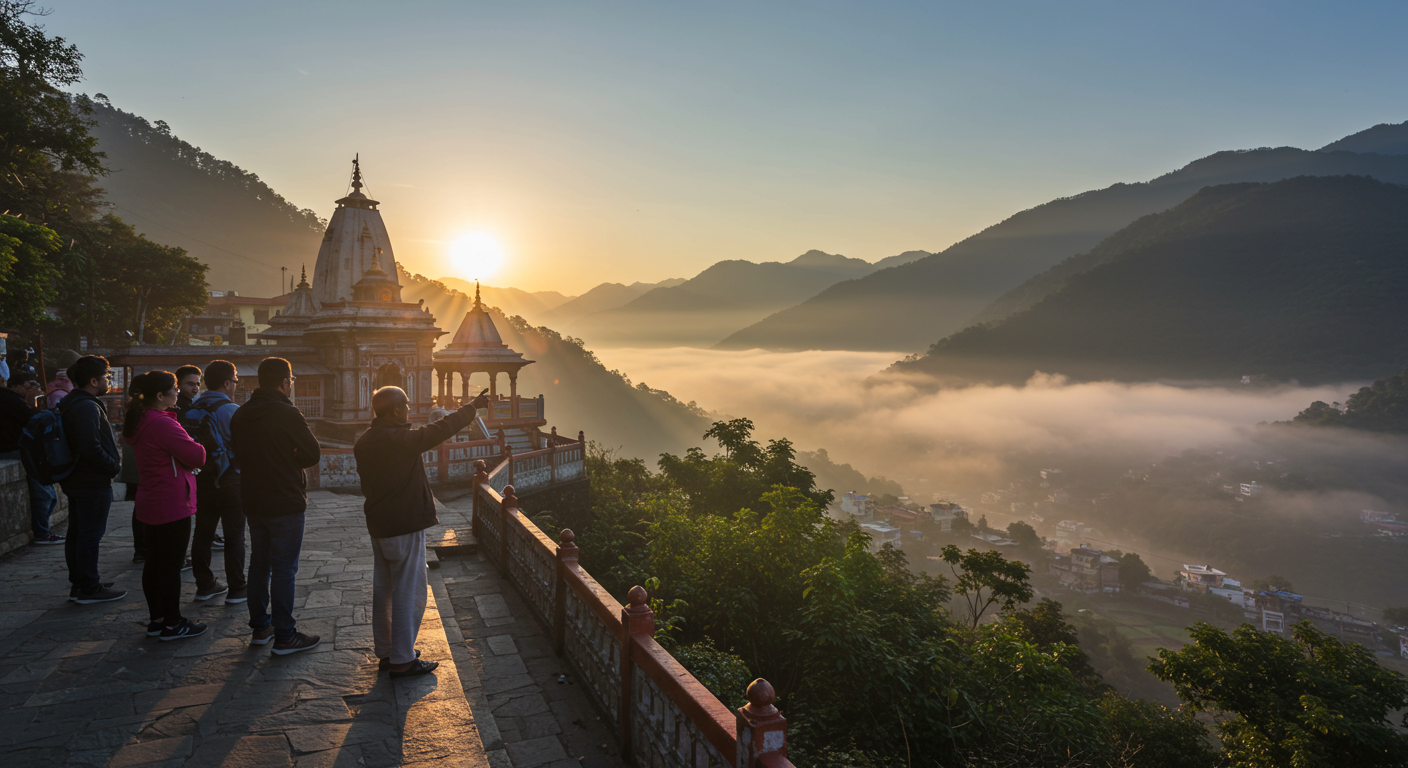
The sound of the Ganges changes after dark in Rishikesh, from a gentle murmur to a powerful rush, echoing the vibrant energy that pulses through this spiritual and adventure capital. Most travellers don’t realise that Rishikesh has two completely different personalities, each best experienced during specific times of the year. As an independent travel expert with years of exploring India’s hidden gems, I’ve learned that understanding the seasonal nuances is paramount to truly enjoying what this incredible destination has to offer. This guide will provide practical answers to your most pressing questions, ensuring you choose the best time to visit Rishikesh for your specific travel goals, whether it’s spiritual solace, thrilling adventure, or serene yoga.
Planning your trip around the ideal season can significantly enhance your experience, from securing better deals in the hospitality industry to enjoying perfect weather for outdoor activities. This article will delve into the seasonal dynamics, offering insights into how the tourism sector operates throughout the year and how you can leverage this knowledge for a memorable journey. We’ll explore everything from climate considerations to local events, giving you a comprehensive overview for 2026.
Understanding Rishikesh’s Seasonal Rhythms and Offerings
Rishikesh, nestled in the foothills of the Himalayas in Uttarakhand, is a destination that transforms with the seasons. It’s not just about picking a random date; it’s about aligning your visit with the climate and local calendar to unlock the city’s full potential. The tourism industry in Rishikesh adapts its offerings, from rafting expeditions to yoga retreats, based on these seasonal shifts. Knowing the best time to visit Rishikesh means understanding these rhythms.
What to Expect in Each Season
Rishikesh experiences three primary seasons: winter, summer, and monsoon. Each brings a distinct flavour and set of activities. Winter (October to February) is arguably the most popular, offering cool, pleasant weather ideal for sightseeing, yoga, and meditation. The air is crisp, and the mountains are often visible. This is also a prime time for adventure sports like rafting, with river levels generally stable. The spiritual atmosphere is palpable, especially during festivals.
Summer (March to June) brings warmer temperatures, which can be quite intense by May and June. While the heat might deter some, it’s the peak season for white-water rafting as the glacial melt swells the Ganges, providing exhilarating rapids. Early summer (March-April) can still be a good compromise for those seeking adventure without extreme heat. The spiritual retreats continue, though outdoor yoga sessions might shift to earlier mornings or later evenings.
You might also be interested in: Read more about: Soar Above the Ganges: Your Ultimate Gui…
Monsoon (July to September) transforms Rishikesh into a lush, green paradise, but it also brings heavy rainfall and increased river currents. While the landscape is stunning, many adventure activities, especially rafting, are temporarily suspended due to safety concerns. Landslides can occasionally disrupt travel. However, for those seeking introspection, peace, and a quieter, more spiritual experience amidst nature’s raw beauty, the monsoon offers a unique charm. Many ashrams offer special monsoon-focused programs.
“Choosing the right season for Rishikesh isn’t just about weather; it’s about aligning with the energy of the place. Each period offers a distinct experience, from the vibrant festivals of winter to the introspective calm of monsoon.” – An experienced local guide.
Who Each Season is Best For
The ideal time to visit Rishikesh largely depends on your priorities. If you’re an adventure enthusiast keen on white-water rafting, bungee jumping, and trekking, the post-monsoon period of September to November and the pre-monsoon months of March to May are your prime windows. The weather is clement, and adventure tourism operators across Rishikesh are in full swing, offering a wide array of activities. For those seeking spiritual enlightenment, yoga, and meditation, the cooler, calmer months of October to March are perfect. The serene atmosphere, comfortable temperatures, and numerous spiritual gatherings make it highly conducive for inner exploration. You’ll find many top-rated in Rishikesh ashrams offering comprehensive programs during this time.
If your goal is to attend festivals like the International Yoga Festival (typically in March) or Diwali, timing your visit accordingly is essential. Families often prefer the pleasant weather of winter or early spring for a comfortable and diverse trip. Budget travellers might find better deals during the shoulder seasons (early March, late September) or even the monsoon, when demand for accommodation and some services in Rishikesh is lower. Even for those interested in the cultural and historical sites, such as Triveni Ghat, The Beatles Ashram (Chaurasi Kutia), and Parmarth Niketan, comfortable weather makes exploration more enjoyable.
Planning Your Perfect Rishikesh Journey: Practical Steps
🌊 Book River Rafting in Rishikesh
Experience the thrill of white-water rafting with certified guides and a 100% safety record. Choose from 9km to 36km routes — instant confirmation guaranteed!
Once you’ve decided on the best time to visit Rishikesh for your needs, meticulous planning ensures a smooth and rewarding trip. From booking accommodations to understanding local transport, every detail contributes to a seamless experience. The local tourism infrastructure is well-developed, but peak seasons can see high demand, making advance preparation crucial.
You might also be interested in: Read more about: Unforgettable Adventure Camping Rishi…
Essential Preparation and Booking Strategies
- Accommodation: During peak seasons (October-November, March-May), book your hotels, guesthouses, or ashrams well in advance, preferably 2-3 months out. Options range from budget hostels to luxury resorts and traditional ashram stays. Prices can fluctuate significantly with demand.
- Travel: Rishikesh is well-connected by road, rail, and air. The nearest airport is Jolly Grant Airport (Dehradun), about 35 km away. Haridwar is the nearest major railway station. Booking flights or train tickets ahead of time, especially for popular routes, is highly recommended. For local travel, auto-rickshaws and shared taxis are readily available.
- What to Wear: Pack according to the season. Winters require warm layers, including jackets, sweaters, and shawls. Summers call for light, breathable cotton clothing. For spiritual sites, modest attire (shoulders and knees covered) is respectful and often required. Comfortable walking shoes are a must, especially if you plan to explore the ghats or trek.
- Health & Safety: Carry basic medications, insect repellent, and sunscreen. Stay hydrated, especially in summer. Be mindful of your belongings in crowded areas. For adventure sports, ensure your chosen operator follows strict safety protocols and uses certified equipment. Many adventure experts in Rishikesh are highly trained.
- Budgeting: A mid-range daily budget for Rishikesh (excluding major adventure sports) could be INR 2,000-4,000 per person for accommodation, food, and local transport. Adventure activities like rafting can add INR 800-2,500 per person per session.
Navigating Logistics: Transport, Costs, and Safety
Getting to and around Rishikesh is straightforward, but understanding the nuances can save time and money. For instance, shared auto-rickshaws are a cost-effective way to travel between Lakshman Jhula, Ram Jhula, and the main market. Taxis are available for longer distances or more comfort. When discussing costs, it’s important to remember that while Rishikesh can be a budget-friendly destination, opting for certain experiences, like multi-day yoga retreats or advanced adventure packages, will naturally increase your expenditure. Always confirm prices upfront with auto drivers or vendors to avoid surprises.
Safety is a paramount concern for any traveller. Rishikesh is generally a safe place, but like any tourist destination, basic precautions are advised. Avoid walking alone in dimly lit areas at night. Be cautious when swimming in the Ganges, as currents can be strong, and it’s best to stick to designated bathing areas like Triveni Ghat. When booking adventure activities, verify the operator’s credentials and ensure they have proper insurance and certified guides. The adventure tourism sector in Rishikesh has made significant strides in safety standards over the years, with many operators adhering to international best practices. Always trust your instincts, and don’t hesitate to seek assistance from local authorities or your accommodation provider if needed.
Insider Tips and Best Practices for Your Rishikesh Visit
Beyond the basic planning, a few insider tips can elevate your Rishikesh experience from good to extraordinary. These are the nuances that differentiate a seasoned traveler from a first-timer, offering deeper engagement with the local culture and environment. Knowing the best time to visit Rishikesh is just the first step; knowing how to navigate it truly makes a difference.
Unlocking Local Secrets and Seasonal Advantages
One genuine local tip is to experience the Ganga Aarti at Triveni Ghat. While Parmarth Niketan’s Aarti is grander, the one at Triveni Ghat offers a more intimate and traditional experience, starting around 6 PM (times vary seasonally). Arrive early to secure a good spot. Another underrated gem is the Phool Chatti Ashram Area. Away from the main hustle and bustle, this quiet stretch of riverbanks and trails offers serene walks and a chance to experience the quieter side of Rishikesh. Exploring Rishikund, a sacred ancient pond near Raghunath Temple, provides a glimpse into local legends and offers a beautiful reflection of the Shani temple, a perfect spot for quiet contemplation.
You might also be interested in: Explore Rishikesh Adventures on Bucketlistt
For the best time to visit Rishikesh, consider visiting during the shoulder seasons (early March or late September/early October). You’ll enjoy pleasant weather, fewer crowds, and often better deals on accommodation and activities. The advantage of these periods is a balance between good weather and manageable tourist numbers, making for a more relaxed exploration. Avoid the peak of summer if you’re sensitive to heat, and the height of monsoon if your primary goal is adventure sports. However, if you seek a spiritual retreat, the monsoon’s verdant beauty and introspective atmosphere can be uniquely rewarding. Many yoga experts in Rishikesh offer special packages during these times.
What to Avoid and Nearby Exploration
A common mistake is trying to cram too much into a short trip. Rishikesh is best savored slowly. Avoid over-scheduling, especially if you’re here for spiritual or wellness pursuits. Give yourself time to simply sit by the Ganges, observe, and absorb the energy. Another pitfall is ignoring local customs; dress modestly, especially when visiting temples and ashrams, and always remove your shoes before entering sacred spaces. Bargaining is common in local markets, but do so respectfully.
Beyond the main attractions, Rishikesh serves as an excellent base for exploring nearby areas. A short drive can take you to Neer Garh Waterfall, a refreshing spot for a dip, or to Vashishta Gufa, an ancient cave known for meditation. Haridwar, another sacred city, is just an hour away and offers a different spiritual experience, particularly its own grand Ganga Aarti at Har Ki Pauri. For nature lovers, the Rajaji National Park, home to elephants and tigers, is also accessible for wildlife safaris. These excursions can easily be incorporated into your itinerary, especially during the pleasant weather of the winter months, making your visit to Rishikesh even more diverse and enriching.
Rishikesh is one of those rare destinations that genuinely delivers on its reputation — whether you come for the adrenaline, the spirituality, or simply to sit by the Ganga and think. This guide covered best time to visit rishikesh, giving you the practical knowledge to plan a memorable visit. If you want a curated list of verified operators and activity packages, you can browse options on Bucketlistt.
Frequently Asked Questions about the Best Time to Visit Rishikesh
What is the absolute best time to visit Rishikesh for adventure sports?
The absolute best time to visit Rishikesh for adventure sports like white-water rafting and bungee jumping is from September to November and March to May. During these periods, the weather is pleasant, and river conditions are ideal for rafting, offering both excitement and safety.
When is the best time for yoga and spiritual retreats in Rishikesh?
For yoga and spiritual retreats, the best time to visit Rishikesh is during the cooler months from October to March. The serene climate is perfect for meditation and outdoor yoga sessions, and many ashrams offer specialized programs during this peak spiritual season.
Is it safe to visit Rishikesh during the monsoon season?
While Rishikesh is safe during monsoon (July-September), many adventure activities are suspended due to high river levels and potential landslides. It’s a beautiful time for nature lovers and those seeking quiet introspection, but be prepared for heavy rains and potential travel disruptions.
What are the typical costs for a trip to Rishikesh?
Costs vary widely, but a mid-range budget for accommodation, food, and local transport in Rishikesh can range from INR 2,000-4,000 per person per day. Adventure activities like rafting typically add INR 800-2,500 per session. Booking in advance can help manage costs.
How many days are ideal for a visit to Rishikesh?
A 3-5 day trip is ideal to experience the main attractions, participate in some adventure or spiritual activities, and soak in the atmosphere of Rishikesh. For longer yoga retreats or extensive trekking, plan for a week or more.
What should I pack for a trip to Rishikesh?
Pack according to the season: warm layers for winter, light cottons for summer, and rain gear for monsoon. Always include comfortable walking shoes, modest clothing for temples, and essentials like sunscreen and insect repellent. For adventure sports, quick-drying clothes are advisable.
Are there any specific cultural etiquettes to observe in Rishikesh?
Yes, Rishikesh is a holy city. Dress modestly, especially when visiting ashrams and temples, and remove your shoes before entering. Be respectful of local customs, such as greeting with “Namaste” and being mindful of vegetarianism, which is widely practiced throughout the city.
What is the best way to get around Rishikesh?
The best way to get around Rishikesh is often on foot, especially for exploring the ghats and bridges. For longer distances between main areas, shared auto-rickshaws are economical, and taxis are available. Many visitors also rent scooters for more flexibility.