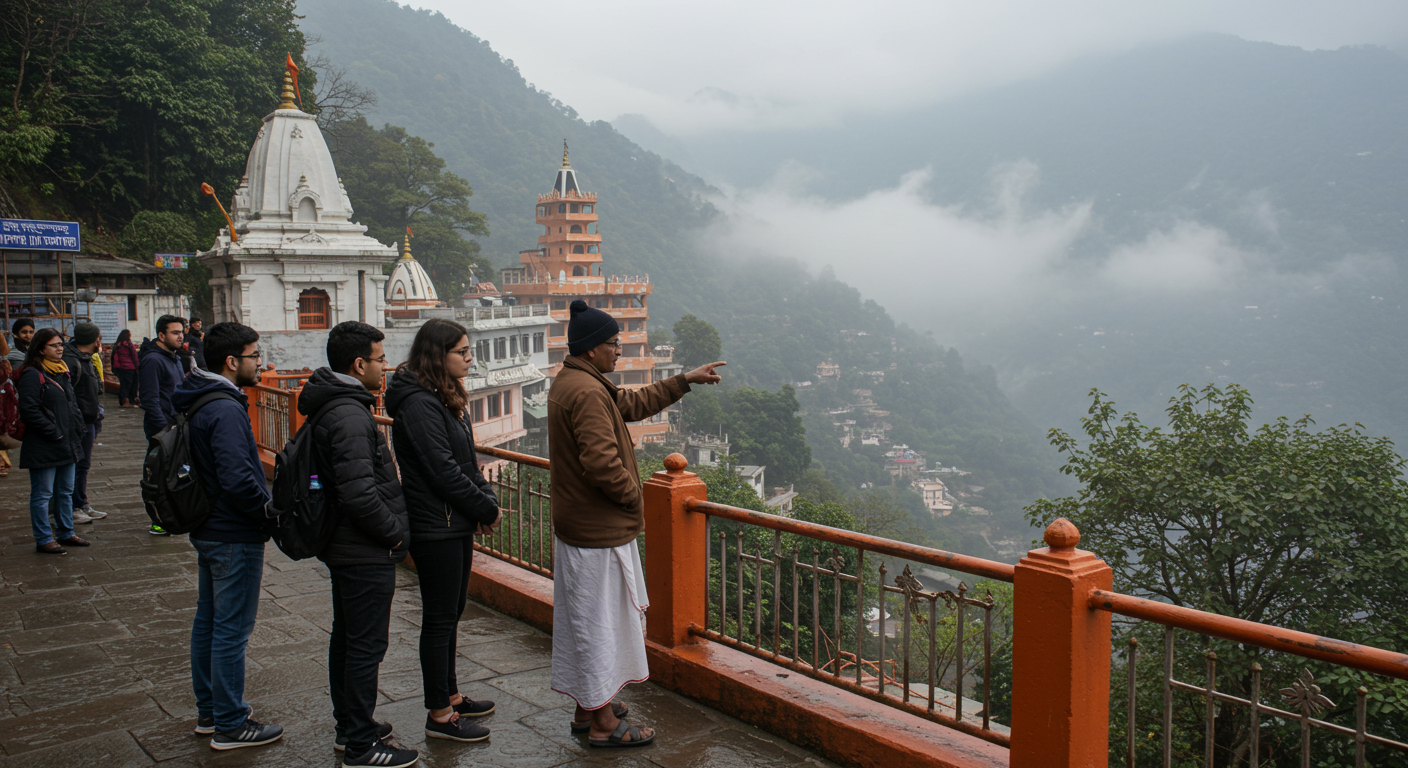
The scent of burning incense mingles with the aroma of freshly brewed chai and exotic spices as you step onto the bustling streets of Rishikesh. It’s a sensory symphony, a clear sign that you’ve arrived at a place where spirituality meets vibrant daily life. Most travellers don’t realize that beyond the yoga studios and adventure sports, Rishikesh holds a treasure trove of authentic experiences rooted in its unique rishikesh food & local culture. This isn’t just about what you eat; it’s about connecting with the heart of a destination through its culinary traditions, ancient rituals, and the warmth of its people. I’ve spent countless hours navigating these narrow lanes, sipping chai with locals, and discovering hidden eateries, and I’m here to share how you can truly immerse yourself. This guide will answer your practical questions about savoring the true essence of Rishikesh, from the best local dishes to the most profound cultural encounters.
Savoring the Spirit: What Rishikesh Food & Local Culture Truly Means
For me, experiencing rishikesh food & local culture is about more than just checking off tourist spots; it’s about understanding the rhythm of life in this sacred town. Rishikesh, nestled in the foothills of the Himalayas, is not just a spiritual hub but also a melting pot of traditions, influenced by pilgrims, yogis, and travelers from across India and the world. This unique confluence has shaped its culinary landscape and cultural practices, creating an atmosphere that is both serene and incredibly vibrant. It’s a place where every meal has a story and every ritual a deep-rooted meaning, offering some of the best rishikesh food & local culture in rishikesh.
The Essence of Rishikesh Cuisine: Sattvic and Soulful
Rishikesh is predominantly a vegetarian town, deeply influenced by its spiritual ethos. The food here is often sattvic, meaning it’s prepared with fresh, pure ingredients and without onion or garlic, believed to promote clarity and peace of mind. This doesn’t mean it’s bland; quite the opposite! You’ll find an incredible array of flavorful dishes. Imagine starting your day with a warm plate of Aaloo Puri – fluffy, fried bread served with a spiced potato curry – for just around INR 50-70 from a street vendor near Ram Jhula. Or indulging in a hearty, freshly prepared thali (a platter of various dishes) at a local ashram canteen for as little as INR 100-150. The focus is on wholesome, nourishing food that fuels both body and spirit, making the exploration of rishikesh food & local culture a truly enriching experience. Many of the best solutions in Rishikesh for authentic food can be found in these smaller, family-run establishments.
Beyond the Plate: Engaging with Local Traditions
The culture of Rishikesh extends far beyond its food. It’s woven into the fabric of daily life, from the mesmerizing Ganga Aarti ceremony held nightly at Triveni Ghat to the silent meditation sessions in ancient caves. You’ll witness sadhus (holy men) performing their rituals, hear the chanting from ashrams, and see pilgrims taking holy dips in the Ganges. Even the adventure activities, like rafting from Shivpuri, are often prefaced with a small prayer or offering to the river. Understanding these traditions provides a deeper appreciation for the town. The iconic Laxman Jhula and Ram Jhula suspension bridges, for instance, are not just architectural marvels but arteries connecting various temples, ashrams, and local markets, providing a constant flow of cultural interaction. Engaging with the rishikesh food & local culture in rishikesh offers a profound connection to India’s spiritual heartland.
You might also be interested in: Read more about: Your Essential Guide to Rishikesh Safety…
How To Do It: A Practical Guide to Experiencing Rishikesh’s Authenticity
Diving into the local scene requires a bit of planning and an open mind. It’s about stepping away from the main tourist drag and seeking out the experiences that truly define Rishikesh. To fully appreciate the best rishikesh food & local culture in rishikesh, you need to know where to look and how to prepare.
Navigating the Culinary Landscape: Where to Eat and What to Try
My advice for discovering the best of rishikesh food & local culture is to follow your nose and trust the crowds of locals. Here’s a practical guide:
- Street Food Delights: Don’t shy away from street vendors. Look for stalls that are busy, indicating freshness and popularity. Must-tries include Chole Bhature (spiced chickpeas with fried bread), samosas, and various pakoras (fritters). A plate of Chole Bhature typically costs around INR 60-80.
- Ashram Canteens: For authentic sattvic food, visit the canteens at large ashrams like Parmarth Niketan. They offer simple, wholesome, and incredibly affordable meals. These are often the best solutions in Rishikesh for truly traditional fare.
- Local Dhabas: These roadside eateries serve home-style Indian meals. They are excellent for trying different lentil curries (dal), seasonal vegetable dishes, and fresh rotis. Expect a full meal for INR 150-250.
- Organic Cafes: While not strictly traditional, Rishikesh has many cafes offering organic, healthy, and often vegan options, catering to the wellness crowd. These can be a good bridge between local flavors and familiar comforts.
- Sweet Treats: Don’t leave without trying local sweets like Jalebi (deep-fried spirals soaked in syrup) or various barfis from a traditional sweet shop.
When selecting a place, observe hygiene. Look for establishments where food is cooked fresh and the premises appear clean. Carry small denominations of Indian Rupees (INR) as many smaller vendors might not accept cards.
Engaging with Cultural Experiences: Etiquette and Opportunities
To truly immerse yourself in rishikesh food & local culture in rishikesh, respectful engagement is key. Here’s how:
You might also be interested in: Read more about: Your Ultimate Guide to Solo Travel Ri…
- Ganga Aarti: Attend the evening Ganga Aarti at Triveni Ghat or Parmarth Niketan. Arrive early (around 5:00 PM in winter, 6:00 PM in summer) to secure a good spot. Participate respectfully; photography is allowed but avoid flash during the ceremony.
- Ashram Visits: Many ashrams welcome visitors for yoga, meditation, or simply to observe. Dress modestly, covering shoulders and knees. Some offer short courses or drop-in classes for a fee.
- Exploring Sacred Sites: Walk across Laxman Jhula and Ram Jhula, visit the temples, and explore the serene banks of the Ganges. Consider a visit to the Jhilmil Gufa, a group of three caves near Neelkanth temple used for deep meditation, offering a glimpse into the ascetic spiritual practices. Remember to remove your shoes before entering temples.
- Local Markets: Wander through the bustling markets to see local crafts, spiritual items, and fresh produce. It’s a great place to observe daily life and find unique souvenirs.
Insider Tip: When interacting with locals, a polite “Namaste” (with hands pressed together) goes a long way. Always ask permission before taking photos of people, especially sadhus or those involved in religious ceremonies.
Insider Tips & Best Practices for Rishikesh’s Authentic Charm
Having explored Rishikesh extensively, I’ve gathered a few insights that will elevate your experience of rishikesh food & local culture beyond the typical tourist path. These tips will help you discover the truly authentic side of this spiritual town.
Timing Your Visit: Seasonal Nuances for Culture & Cuisine
The best rishikesh food & local culture in rishikesh can be experienced throughout the year, but each season offers a different flavor:
- October to March (Winter): This is arguably the best time. The weather is pleasant (cool days, chilly nights), perfect for long walks, yoga, and outdoor cultural events. Many festivals like Diwali and Holi fall during this period, offering vibrant cultural immersion. The food stalls are bustling, and hot chai tastes even better.
- April to June (Summer): It gets quite hot, with temperatures soaring. While still spiritual, fewer people are out during the day. This might be a good time for those seeking solitude, but intense heat can make exploring less comfortable.
- July to September (Monsoon): Rishikesh transforms into a lush, green paradise. The Ganges swells, and the mist-shrouded mountains are breathtaking. While some adventure activities like rafting might be closed, it’s a magical time for introspection and enjoying the fresh, earthy flavors of monsoon-special snacks. However, be prepared for heavy rains and potential disruptions.
For me, the post-monsoon period (late September to November) offers the perfect balance of lush greenery and pleasant weather, making it ideal for exploring both the culinary delights and the rich cultural tapestry.
You might also be interested in: Explore Rishikesh Adventures on Bucketlistt
Unearthing Hidden Gems and Local Secrets
Beyond the well-trodden paths, Rishikesh hides some true gems that showcase its authentic soul:
- Patna Waterfall: While Neer Garh Waterfall is popular, venture further to Patna Waterfall. It’s a secluded cascade reached through a dense forest trek, offering peace and untouched nature. It’s a fantastic place for a quiet picnic with local snacks, far from the crowds.
- Local Cooking Classes: Seek out small, independent cooking classes offered by local families or guesthouses. These are often not heavily advertised but provide an intimate insight into preparing traditional sattvic dishes and understanding the philosophy behind rishikesh food & local culture. Ask around at your accommodation or local cafes for recommendations; many experts in Rishikesh can guide you.
- Morning Walks to Local Villages: Take an early morning walk to nearby villages like Jonk or those across the Ganges from Laxman Jhula. You’ll witness daily life unfolding, perhaps see farmers tending their fields, and get a chance to interact with villagers. This is where you truly experience the undisturbed charm of rishikesh food & local culture in rishikesh.
- Ayurvedic Consultations: Embrace Rishikesh’s wellness heritage by seeking an Ayurvedic consultation. Many centers offer traditional diagnostics and recommend dietary and lifestyle changes, connecting you directly to ancient Indian health practices.
Avoid overly touristy restaurants that promise “authentic” food but cater to a global palate. Instead, look for places frequented by locals; their patronage is the best indicator of genuine rishikesh food & local culture. Always carry a reusable water bottle and respect the “no plastic” policy prevalent in many areas of Rishikesh to help preserve its natural beauty.
Rishikesh is one of those rare destinations that genuinely delivers on its reputation — whether you come for the adrenaline, the spirituality, or simply to sit by the Ganga and think. This guide covered best rishikesh food & local culture in rishikesh, rishikesh food & local culture, rishikesh food & local culture in rishikesh, giving you the practical knowledge to plan a memorable visit. If you want a curated list of verified operators and activity packages, you can browse options on Bucketlistt.
Frequently Asked Questions about Rishikesh Food & Local Culture
Are there age or weight restrictions for activities in Rishikesh?
Yes — most operators have safety-based restrictions. Bungee jumping typically requires participants to be 12+ years old, weigh between 40–110 kg, and have no history of heart conditions or back problems. Rafting generally accepts ages 14+ on the standard routes. Paragliding requires a weight limit of around 100–110 kg maximum. Always check the specific operator’s requirements when booking.
What should I wear and bring for adventure activities in Rishikesh?
Wear comfortable, athletic clothing that you don’t mind getting wet. Closed-toe shoes (trainers or sandals with straps) are essential for rafting and trekking. Bring a valid photo ID, some cash in INR, a change of clothes, and a small waterproof bag for your phone and valuables. Sunscreen and a water bottle are important for longer activities.
Do I need prior experience for white-water rafting in Rishikesh?
No prior experience is required for most Rishikesh rafting stretches. The 9 km Brahmpuri to Rishikesh route is ideal for beginners with grade I–II rapids. The 16 km Marine Drive to Rishikesh route is suitable for first-timers who want a bit more excitement (grade III rapids). The 36 km Shivpuri stretch is recommended for those comfortable in water and seeking grade III–IV rapids.
What are the must-visit places in Rishikesh besides adventure sports?
Beyond the adventure scene, Rishikesh has a rich cultural and spiritual side worth exploring. Triveni Ghat hosts a mesmerising Ganga Aarti ceremony every evening at sunset — free to attend and deeply moving. Laxman Jhula and Ram Jhula suspension bridges are iconic landmarks. The Beatles Ashram (Maharishi Mahesh Yogi’s old meditation campus) is a fascinating abandoned site now open to visitors. Nearby Neelkanth Mahadev Temple is a popular pilgrimage site about 32 km away.
How do I get from Rishikesh to the bungee jump or rafting starting point?
Most adventure activity start points are 15–30 km from Rishikesh town. Auto-rickshaws and shared taxis are available from Laxman Jhula and Ram Jhula areas. Many operators offer free or low-cost pickup from a central meeting point in Rishikesh — confirm this when booking. The drive through the Himalayan foothills is itself a scenic experience worth savouring.
Is Rishikesh safe for solo travellers?
Yes — Rishikesh is generally considered safe for solo travellers, including solo female travellers. The city is a popular destination with a strong tourist infrastructure, well-lit main roads, and a vibrant community of yoga and adventure seekers. As with any travel, stay aware of your surroundings, book activities through verified operators, and keep your accommodation details handy.