Embrace the Spirit of Rishikesh: Your Journey Begins Here
The Ganges whispers ancient tales as dawn breaks over the Himalayas, a sacred hum that draws seekers from across the globe. Most travelers don’t realize that beyond the adventure sports and bustling cafes, Rishikesh holds a profoundly different, deeply spiritual and cultural Rishikesh heart, waiting to be discovered. I’ve spent years exploring every corner of this holy town, and I’m here to tell you that the true magic lies in immersing yourself in its timeless traditions and serene landscapes.
This guide isn’t just about what to see; it’s about how to truly experience the spiritual & cultural Rishikesh. We’ll delve into the practicalities, the hidden gems, and the unspoken etiquette that will transform your visit from a mere trip into a transformative journey. You’ll learn about the best times to visit, what to wear, how to navigate the ashrams, and even discover secret meditation spots known only to a few. Prepare to answer your most pressing questions about planning your visit to this sacred haven in Uttarakhand.
Discovering the Essence of Spiritual & Cultural Rishikesh
Rishikesh is often hailed as the “Yoga Capital of the World,” but its identity runs far deeper, rooted in centuries of spiritual devotion and rich cultural heritage. Exploring the spiritual & cultural Rishikesh means stepping into a vibrant tapestry of ancient practices, sacred rituals, and a profound connection to the divine Ganga River. It’s a place where the air itself feels charged with positive energy, inviting introspection and peace.
What Defines Rishikesh’s Spiritual & Cultural Landscape?
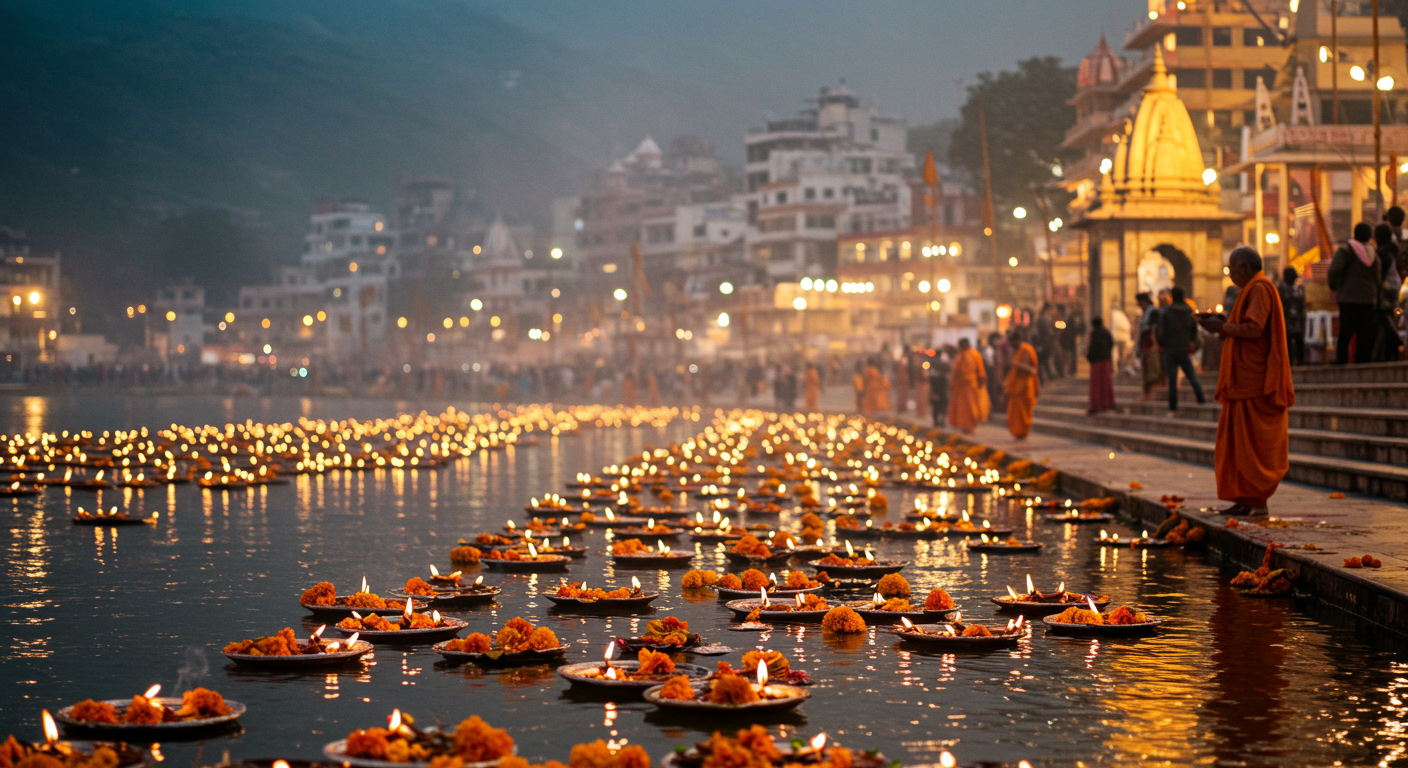
The spiritual & cultural Rishikesh is defined by its numerous ashrams, temples, and the pervasive presence of the Ganges. Places like Parmarth Niketan, one of the largest ashrams, are central to this experience. Here, you can partake in daily yoga, meditation, and the mesmerizing Ganga Aarti ceremony at sunset, a truly unmissable spectacle of devotion. The iconic Laxman Jhula and Ram Jhula suspension bridges aren’t just architectural marvels; they connect vital spiritual hubs, leading to temples and ashrams on both sides of the river. Walking across these bridges, you’ll encounter sadhus, pilgrims, and the vibrant energy of spiritual life. The constant chanting, the smell of incense, and the sight of devotees performing rituals create an atmosphere unlike any other. For the best solutions in Rishikesh, immersing yourself in these daily rituals is key.
You might also be interested in: Read more about: Rishikesh’s Ultimate Aerial Adventure: E…
Who Will Find Solace in Rishikesh’s Traditions?
Rishikesh caters to a diverse range of seekers. Whether you’re a seasoned yogi looking to deepen your practice, a spiritual novice curious about Eastern philosophy, or simply someone yearning for a tranquil escape from the modern world, the spiritual & cultural Rishikesh has something for you. Individuals seeking peace, spiritual rejuvenation, or a break from the ordinary will find solace here. It’s particularly ideal for solo travelers looking for a safe and enriching environment, as well as couples or friends interested in a meaningful shared experience. Even families can find joy in the cultural vibrancy, though some ashrams may have age restrictions for certain programs. The town’s welcoming vibe and the collective pursuit of spiritual growth make it an inclusive destination for all.
Navigating Your Spiritual & Cultural Journey in Rishikesh: A Practical Guide
Embarking on a spiritual journey in Rishikesh requires a bit of preparation to ensure a smooth and enriching experience. As someone who has navigated these paths countless times, I can assure you that a little foresight goes a long way in making your visit truly memorable. This section covers the essential practicalities for experiencing the best spiritual & cultural Rishikesh.
Essential Preparations for Your Rishikesh Visit
Before you even pack your bags, consider the timing. The best time to visit Rishikesh for spiritual and cultural pursuits is from September to November and from February to April. During these months, the weather is pleasant, ideal for outdoor activities, temple visits, and attending Ganga Aarti comfortably. Avoid the monsoon season (July-August) due to heavy rains and the peak summer (May-June) when temperatures can soar. When packing, modesty is key. Lightweight, breathable clothing that covers your shoulders and knees is appropriate for ashrams and temples. Think loose cotton pants, long skirts, and Kurtis. I always recommend bringing a reusable water bottle, a small backpack, and comfortable walking sandals or shoes, as you’ll be doing a lot of walking and climbing steps. Don’t forget sunscreen, insect repellent, and any personal medications. Budgeting approximately INR 1,500-3,000 per day (excluding flights and high-end accommodation) should cover basic lodging, food, and activities. Many ashrams offer accommodation at very reasonable rates, sometimes as low as INR 500-1,000 per night, often including meals and yoga classes.
“When you visit Rishikesh, remember that you are stepping into a sacred space. Embrace the local customs with an open heart, and you will find the deepest meaning in your spiritual & cultural Rishikesh journey.”
Experiencing Daily Life and Sacred Rituals
Once you arrive, getting around Rishikesh is fairly easy. Auto-rickshaws, shared jeeps, and walking are the primary modes of transport. To truly immerse yourself in the spiritual & cultural Rishikesh, consider staying in an ashram. They offer structured daily routines that include yoga, meditation, philosophical discourses, and community living. Even if you don’t stay, you can often attend drop-in yoga classes or the evening Ganga Aarti. Here’s a typical day you might experience:
You might also be interested in: Read more about: Exploring Tourism in Rishikesh: A Season…
- Early Morning (5:00 AM – 7:00 AM): Start with sunrise yoga or meditation at an ashram like Parmarth Niketan.
- Morning (7:00 AM – 10:00 AM): Enjoy a sattvic (pure, vegetarian) breakfast. Explore local temples or take a peaceful walk along the Ganges.
- Mid-day (10:00 AM – 2:00 PM): Attend a philosophy lecture, learn about Ayurveda, or visit the tranquil surroundings of the Beatles Ashram (Maharishi Mahesh Yogi Ashram).
- Afternoon (2:00 PM – 5:00 PM): Relax, read, or explore the local markets for spiritual books, handicrafts, and Ayurvedic products.
- Evening (5:00 PM – 7:00 PM): Head to Parmarth Niketan or Triveni Ghat for the enchanting Ganga Aarti, a fire ceremony dedicated to the river goddess.
- Night (7:00 PM onwards): Enjoy a simple, wholesome dinner and reflect on the day’s experiences.
Safety is generally high in Rishikesh, but always be aware of your surroundings, especially after dark. Stick to well-lit areas and avoid isolated spots. Respect local customs; ask for permission before photographing people, and always remove your shoes before entering temples or ashram prayer halls. These simple steps ensure a respectful and safe engagement with the spiritual & cultural Rishikesh.
Insider Wisdom: Unlocking the Best Spiritual & Cultural Rishikesh Experiences
Having spent considerable time in Rishikesh, I’ve gathered some invaluable insights that can elevate your visit beyond the typical tourist experience. These insider tips will help you discover the truly authentic and best spiritual & cultural Rishikesh has to offer, guiding you to moments of profound peace and cultural understanding.
Timing Your Visit for Maximum Spiritual Immersion
While I’ve mentioned the best seasons, let’s talk about the best time of day and specific events. To witness the Ganges at its most ethereal, be at the ghats just before sunrise. The quietude, the mist rising from the water, and the first rays of sun are truly magical for personal reflection or meditation. For the Ganga Aarti, arrive at Parmarth Niketan at least an hour early (around 5 PM in winter, 6 PM in summer) to secure a good spot and soak in the pre-ceremony atmosphere. Attending the International Yoga Festival, usually held in March, can be an incredible experience, though the town gets very crowded. If you prefer solitude, aim for quieter times. Local experts in Rishikesh often recommend visiting temples early in the morning to avoid crowds and experience a more serene atmosphere.
Beyond the Obvious: Underrated Gems and Local Secrets
Many visitors stick to the main ashrams and bridges, but the true spiritual & cultural Rishikesh reveals itself to those willing to venture a little further. One such hidden treasure is Jhilmil Gufa, a group of three caves nestled in the forest near the Neelkanth Mahadev Temple. These caves have been used for deep meditation by yogis for centuries. The trek to Jhilmil Gufa is itself a meditative experience, offering profound silence and a connection with nature. Another underrated gem is the Patna Waterfall, accessible via a short, dense forest trek. It’s a secluded spot, perfect for a peaceful dip and a break from the bustling town. While Shivpuri is known for adventure, its surrounding villages offer a glimpse into the local Garhwali culture and simple, spiritual living, away from the tourist circuit.
You might also be interested in: Explore Rishikesh Adventures on Bucketlistt
“Don’t just observe the rituals; participate in them. Offer flowers to the Ganges, join a satsang, or simply sit in silence at a less-frequented ghat. This active engagement is where the true spiritual & cultural Rishikesh will touch your soul.”
To truly experience the local culture, explore the lesser-known temples tucked away in the narrow lanes of Rishikesh. Engage with local shopkeepers, try authentic Garhwali cuisine at small eateries, and be open to conversations with sadhus and ashram residents. These interactions provide insights that no guidebook can offer, enriching your understanding of the spiritual & cultural Rishikesh. Remember, the journey here is as much about internal discovery as it is about external exploration.
Your Transformative Rishikesh Journey Awaits
My hope is that this guide has equipped you with the practical knowledge and insider wisdom to embark on a truly profound journey into the spiritual & cultural Rishikesh. Remember these key takeaways: embrace respectful attire and customs, time your visit for optimal weather and events, and dare to explore beyond the well-trodden paths to discover Rishikesh’s hidden spiritual gems.
The magic of Rishikesh lies not just in its famous ashrams or the
Rishikesh is one of those rare destinations that genuinely delivers on its reputation — whether you come for the adrenaline, the spirituality, or simply to sit by the Ganga and think. This guide covered best spiritual & cultural rishikesh in rishikesh, spiritual & cultural rishikesh, spiritual & cultural rishikesh in rishikesh, giving you the practical knowledge to plan a memorable visit. If you want a curated list of verified operators and activity packages, you can browse options on Bucketlistt.
Frequently Asked Questions
What is the best time to visit Rishikesh for adventure activities?
The best time to visit Rishikesh for adventure sports is October to November and February to May. The weather is clear, the Ganges water level is ideal for rafting, and most outdoor operators are fully active. Avoid the July–September monsoon season when heavy rainfall suspends many river and outdoor activities.
Do I need prior experience for white-water rafting in Rishikesh?
No prior experience is required for most Rishikesh rafting stretches. The 9 km Brahmpuri to Rishikesh route is ideal for beginners with grade I–II rapids. The 16 km Marine Drive to Rishikesh route is suitable for first-timers who want a bit more excitement (grade III rapids). The 36 km Shivpuri stretch is recommended for those comfortable in water and seeking grade III–IV rapids.
Is Rishikesh safe for solo travellers?
Yes — Rishikesh is generally considered safe for solo travellers, including solo female travellers. The city is a popular destination with a strong tourist infrastructure, well-lit main roads, and a vibrant community of yoga and adventure seekers. As with any travel, stay aware of your surroundings, book activities through verified operators, and keep your accommodation details handy.
Are there age or weight restrictions for activities in Rishikesh?
Yes — most operators have safety-based restrictions. Bungee jumping typically requires participants to be 12+ years old, weigh between 40–110 kg, and have no history of heart conditions or back problems. Rafting generally accepts ages 14+ on the standard routes. Paragliding requires a weight limit of around 100–110 kg maximum. Always check the specific operator’s requirements when booking.
What should I wear and bring for adventure activities in Rishikesh?
Wear comfortable, athletic clothing that you don’t mind getting wet. Closed-toe shoes (trainers or sandals with straps) are essential for rafting and trekking. Bring a valid photo ID, some cash in INR, a change of clothes, and a small waterproof bag for your phone and valuables. Sunscreen and a water bottle are important for longer activities.
What are the must-visit places in Rishikesh besides adventure sports?
Beyond the adventure scene, Rishikesh has a rich cultural and spiritual side worth exploring. Triveni Ghat hosts a mesmerising Ganga Aarti ceremony every evening at sunset — free to attend and deeply moving. Laxman Jhula and Ram Jhula suspension bridges are iconic landmarks. The Beatles Ashram (Maharishi Mahesh Yogi’s old meditation campus) is a fascinating abandoned site now open to visitors. Nearby Neelkanth Mahadev Temple is a popular pilgrimage site about 32 km away.