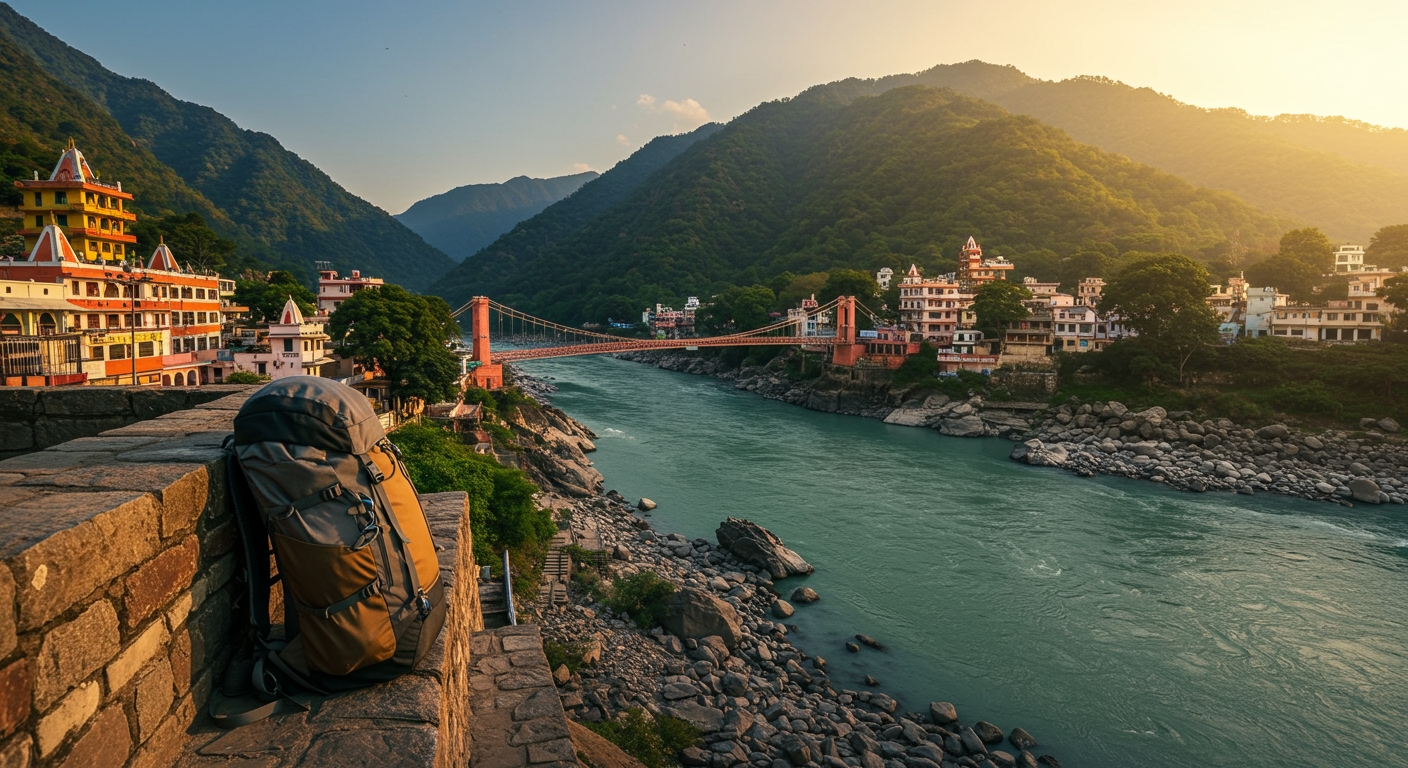
The scent of incense mingles with the fresh mountain air, carried gently by the sacred Ganges River. Most travellers don’t realise that Rishikesh, while known as the ‘Yoga Capital of the World’, offers a multifaceted experience far beyond its spiritual retreats. It’s a place where adrenaline junkies find their thrill, nature lovers connect with pristine landscapes, and seekers discover profound peace. As an experienced traveller, I’ve seen Rishikesh evolve, and navigating its vibrant energy requires careful thought. This comprehensive guide provides essential rishikesh travel tips & planning for 2026, ensuring your visit is both enriching and secure. We’ll delve into everything from transport and accommodation to local customs and adventure sports, answering your most pressing questions for an unforgettable journey. Prepare to unlock the best of this incredible destination with practical advice tailored for modern tourism.
Embracing the Spirit of Rishikesh: What to Expect & Why It Matters
Rishikesh, nestled in the foothills of the Himalayas in Uttarakhand, is more than just a town; it’s an experience. Its unique blend of spirituality, adventure, and natural beauty draws millions each year. Understanding what makes Rishikesh tick is the first step in successful rishikesh travel tips & planning. From the serene ashrams lining the riverbanks to the bustling markets filled with spiritual artifacts, every corner tells a story. This sacred town is a gateway to the Garhwal Himalayas and a launching point for countless spiritual and adventure activities.
The Dual Charms: Spirituality Meets Adventure
Rishikesh is famously bifurcated by the Ganges, with two iconic suspension bridges, Laxman Jhula and Ram Jhula, serving as its heart. On one side, you find a more bustling, commercial vibe with cafes and shops, while the other side offers quieter ashrams and yoga centers. The spiritual side is epitomized by the evening Ganga Aarti at Triveni Ghat, a mesmerizing ritual of light and sound that truly captures the soul of the town. For those seeking adventure, Shivpuri, located about 19km from the main town, is the undisputed hub for white-water rafting, bungee jumping, and other exhilarating activities. Knowing this duality is key for rishikesh travel tips & planning in rishikesh, allowing you to tailor your itinerary to your preferences.
“Rishikesh is a place of profound contrasts: the meditative hum of an ashram just steps away from the roaring rapids of the Ganges. Embracing both aspects is the true Rishikesh experience.”
Who Is Rishikesh Best For? Crafting Your Ideal Journey
Rishikesh caters to a diverse range of visitors. It’s ideal for spiritual seekers looking for yoga and meditation retreats, backpackers on a budget exploring northern India, and adventure enthusiasts craving white-water rafting or trekking. Families can also find plenty to enjoy, from gentle riverside walks to exploring the vibrant markets. However, it might not be the best fit for those seeking a highly luxurious or party-centric vacation, as alcohol and non-vegetarian food are largely prohibited in the main town. The best quality in Rishikesh lies in its authentic experiences and natural offerings. A key part of best rishikesh travel tips & planning in rishikesh is understanding your travel style and aligning it with what the town offers.
You might also be interested in: Read more about: Adventure Sports Comparisons: Finding Yo…
Navigating Rishikesh: Practical Step-by-Step Guide for 2026
🌊 Book River Rafting in Rishikesh
Experience the thrill of white-water rafting with certified guides and a 100% safety record. Choose from 9km to 36km routes — instant confirmation guaranteed!
Once you’ve decided Rishikesh is your next destination, practicalities come into play. Effective rishikesh travel tips & planning involves careful consideration of logistics, budget, and local nuances. Here’s a step-by-step guide to ensure a smooth and enjoyable trip, focusing on what you need to know for 2026.
Getting There & Around: Seamless Travel
Reaching Rishikesh is relatively straightforward. The nearest airport is Jolly Grant Airport (DED) in Dehradun, approximately 35 km away. From there, you can hire a pre-paid taxi (expect to pay around INR 1200-1500 in 2026) or take a shared auto-rickshaw to Rishikesh. The town also has a railway station, though many prefer connecting via Haridwar Junction, which has better connectivity to major Indian cities. Buses are another economical option, with frequent services from Delhi and other nearby cities. Once in Rishikesh, local transportation primarily consists of auto-rickshaws, shared taxis, and walking. For crossing the Ganges, the iconic Laxman Jhula and Ram Jhula bridges are pedestrian-only, offering stunning views. Remember, navigating across Rishikesh on foot is often the most rewarding way to discover hidden gems.
Here’s a quick checklist for your journey:
- Flights: Book well in advance for Jolly Grant Airport (DED).
- Trains: Consider Haridwar (HW) for wider connectivity, then a short taxi/auto ride.
- Buses: Overnight luxury buses from Delhi are comfortable and budget-friendly (INR 600-1000).
- Local Transport: Rely on auto-rickshaws for longer distances (negotiate fares) or explore on foot.
- Bridge Crossings: Be prepared for crowds on Laxman Jhula and Ram Jhula, especially during peak season.
Accommodation & Budgeting: Smart Choices for Your Stay
Rishikesh offers a wide range of accommodation, from budget-friendly guesthouses and ashrams to mid-range hotels and boutique resorts. Ashrams often provide basic lodging, vegetarian meals, and yoga/meditation classes for a nominal fee (e.g., Parmarth Niketan Ashram). Guesthouses can range from INR 500-2000 per night, while hotels might cost INR 2000-5000+. For adventure activities like rafting, expect to pay around INR 600-1500 per person depending on the stretch. A typical daily budget for a comfortable backpacker might be INR 1500-2500, excluding major adventure activities. Always carry some cash, as smaller shops and vendors might not accept digital payments. Many top-rated in Rishikesh hotels offer panoramic river views, so consider booking those if your budget allows.
You might also be interested in: Read more about: Solo Travel Rishikesh: Your Ultimate Gui…
When planning your budget, factor in:
- Accommodation: Ashram (low), Guesthouse (mid), Hotel (mid-high).
- Food: Delicious vegetarian thalis and street food are very affordable (INR 100-300 per meal).
- Activities: Rafting, yoga classes, massages, trekking permits.
- Transportation: Taxis from airport, local autos.
- Souvenirs: Spiritual items, handicrafts, Ayurvedic products.
Insider Tips & Best Practices for a Memorable Rishikesh Trip
Beyond the basics, knowing the insider secrets can elevate your Rishikesh experience from good to extraordinary. These rishikesh travel tips & planning insights come from countless visits and conversations with locals, ensuring you get the most authentic and enjoyable journey possible.
Timing Your Visit & Underrated Gems
The best time to explore all Rishikesh adventures on Bucketlistt is from September to November and from February to May. During these months, the weather is pleasant, ideal for both spiritual activities and adventure sports. Monsoon season (July-August) brings heavy rains, making rafting dangerous and trekking difficult, though the lush green landscape has its own charm. Winters (December-January) can be quite chilly, especially early mornings and evenings. For a truly unique experience, consider exploring the Phool Chatti Ashram Area, a quieter stretch of riverbanks and trails away from the main city’s bustle, perfect for meditation and nature walks. Another underrated gem is Rishikund, an ancient sacred pond near Raghunath Temple, known for its reflection of the Shani temple and a sense of timeless tranquility that’s often missed by first-time visitors.
Local Insight: While Triveni Ghat is famous for its Ganga Aarti, try to attend a smaller, more intimate Aarti ceremony at one of the ashrams along the river. The experience is often more personal and profound, offering a deeper connection to the spiritual energy of the place. Many yoga experts in Rishikesh hold morning sessions by the river that are open to all.
You might also be interested in: Explore Rishikesh Adventures on Bucketlistt
Safety, Health & Responsible Tourism
Rishikesh is generally safe, but like any travel destination, common sense prevails. Keep your belongings secure, especially in crowded areas like the bridges and ghats. Drink only bottled water and be mindful of street food hygiene. It’s wise to carry basic medications for stomach upsets or headaches. For adventure sports, always choose reputable operators; look for those with certified guides and proper safety equipment. The services in Rishikesh for adventure tourism have improved significantly, but due diligence is still essential. Respect local customs: dress modestly, especially when visiting temples or ashrams, and always remove your shoes before entering sacred spaces. Avoid consuming alcohol or non-vegetarian food in the main spiritual zones, as it’s considered disrespectful. By practicing responsible tourism, you contribute positively to the local community and ensure the preservation of this unique environment.
Key Safety Pointers:
- Water: Stick to sealed bottled water or filtered water.
- Food: Eat at busy, well-regarded eateries.
- Adventure Sports: Verify operator credentials and safety records.
- Dress Code: Modest attire for temples and ashrams.
- Valuables: Keep them secure and out of sight.
- Health: Consult your doctor about vaccinations and carry a basic first-aid kit.
Rishikesh is one of those rare destinations that genuinely delivers on its reputation — whether you come for the adrenaline, the spirituality, or simply to sit by the Ganga and think. This guide covered best rishikesh travel tips & planning in rishikesh, rishikesh travel tips & planning, rishikesh travel tips & planning in rishikesh, giving you the practical knowledge to plan a memorable visit. If you want a curated list of verified operators and activity packages, you can browse options on Bucketlistt.
Frequently Asked Questions about Rishikesh Travel Tips & Planning
What is the best time of year for rishikesh travel tips & planning?
The ideal time for Rishikesh travel is from September to November and again from February to May. During these periods, the weather is pleasant, making it perfect for both spiritual activities and adventure sports like rafting and trekking. Planning your visit outside the monsoon season (July-August) is generally recommended for optimal experience.
Is Rishikesh safe for solo female travelers in 2026?
Rishikesh is generally considered safe for solo female travelers, especially in the main tourist areas around Laxman Jhula and Ram Jhula. However, it’s always advisable to exercise caution, avoid walking alone after dark in secluded areas, and inform someone of your itinerary. Following general travel safety tips will help ensure a secure experience while exploring Rishikesh.
What are the must-visit places in Rishikesh?
Key attractions include Laxman Jhula and Ram Jhula for their iconic views and spiritual significance, Triveni Ghat for the mesmerizing Ganga Aarti, and Shivpuri for adventure sports. Don’t miss the tranquil Phool Chatti Ashram Area and the historic Rishikund for a deeper, less crowded experience. These spots are crucial for comprehensive rishikesh travel tips & planning.
What kind of clothing should I pack for Rishikesh?
Pack comfortable, modest clothing, especially if you plan to visit temples or ashrams. Light cottons are suitable for warmer months, while layers are essential for cooler evenings and winter. For adventure activities, quick-drying athletic wear is recommended. Always carry a light shawl or scarf for spiritual sites and sun protection.
Are there ATMs and medical facilities available in Rishikesh?
Yes, Rishikesh has several ATMs, particularly in the main market areas and near the bridges, though it’s always wise to carry some cash. There are also medical clinics and pharmacies available for basic health needs and emergencies. For serious medical conditions, larger hospitals are accessible in nearby Dehradun or Haridwar.
What adventure activities can I do in Rishikesh?
Rishikesh is an adventure sports hub, offering white-water rafting, bungee jumping, cliff jumping, zip-lining, and trekking. Shivpuri is particularly famous for its rafting expeditions. Always ensure you book through reputable operators who prioritize safety and have experienced guides, as this is a vital part of best rishikesh travel tips & planning in rishikesh.
Is it necessary to book accommodation in advance for Rishikesh?
During peak seasons (October-November and March-April) and major festivals like the International Yoga Festival, booking accommodation in advance is highly recommended. For other times, you might find options upon arrival, but securing your stay beforehand offers peace of mind and access to better choices. This is a crucial element of smart rishikesh travel tips & planning.
Can I find vegetarian and vegan food options in Rishikesh?
Absolutely! Rishikesh is a vegetarian and alcohol-free town by decree, making it a paradise for vegetarians and vegans. You’ll find an abundance of delicious Indian, Continental, and Israeli cuisine, with many cafes and restaurants catering specifically to vegan diets. From traditional thalis to fresh fruit juices, the culinary scene is vibrant and healthy.